Full Face Transplants Transform Victims Lives
|
By HospiMedica International staff writers Posted on 25 Jan 2012 |


|
A new study describing the largest series worldwide of full-face transplantation (FFT) details patient preparation, design and execution of the operation, as well as a unique immune-suppression protocol that allows for a low long-term maintenance drug regimen.
A surgical team at Brigham and Women's Hospital (BWH; Boston, MA, USA) documented FFT process, from screening candidates to the transplant procedure itself and the follow up management of the recipients. The process includes evaluation by a team of physicians that determine whether the patient is prepared physically and mentally for the procedure through numerous clinical and psychological evaluations. Once a candidate is approved by the face transplant team, the physicians work closely with the New England Organ Bank (NEOB) to identify the criteria for suitable donors and the process for obtaining consent for the transplantation.
Next, the researchers outlined the details of the surgeries, with a focus on the multidisciplinary collaborative efforts of an entire team of clinicians. Surgeons and staff coordinate their tasks while preparing the recipient, simultaneously retrieving the donor tissue within a limited time frame. The researchers described the similarities and difference between each procedure, noting the various differences that occurred in the one FFT recipient who also concurrently received a bilateral hand transplant.
Lastly, the researchers explained the care of the recipient posttransplant. Following the surgery, physicians monitor and adjust immunosuppressants while methodically screening for any signs of organ rejection. The researchers also discussed the occurrence of single rejection episodes in two patients, as well as describing how the transplanted tissue transformed and adapted to match the features of the recipient in each case. They also shared details of the early functional outcomes and discussed FFT as a viable option in the treatment of severe facial deformities and injuries. The study was published ahead of print on December 28, 2011, in the New England Journal of Medicine (NEJM).
“Unlike conventional reconstruction, facial transplantation seeks to transform severely deformed features to a near-normal appearance and function that conventional reconstructive plastic surgical techniques cannot match,” said lead author Bohdan Pomahac, MD, director of the plastic surgery transplantation program at BWH and lead surgeon in all three FFT procedures. “It truly is a life-giving procedure for these patients.”
Related Links:
Brigham and Women's Hospital





A surgical team at Brigham and Women's Hospital (BWH; Boston, MA, USA) documented FFT process, from screening candidates to the transplant procedure itself and the follow up management of the recipients. The process includes evaluation by a team of physicians that determine whether the patient is prepared physically and mentally for the procedure through numerous clinical and psychological evaluations. Once a candidate is approved by the face transplant team, the physicians work closely with the New England Organ Bank (NEOB) to identify the criteria for suitable donors and the process for obtaining consent for the transplantation.
Next, the researchers outlined the details of the surgeries, with a focus on the multidisciplinary collaborative efforts of an entire team of clinicians. Surgeons and staff coordinate their tasks while preparing the recipient, simultaneously retrieving the donor tissue within a limited time frame. The researchers described the similarities and difference between each procedure, noting the various differences that occurred in the one FFT recipient who also concurrently received a bilateral hand transplant.
Lastly, the researchers explained the care of the recipient posttransplant. Following the surgery, physicians monitor and adjust immunosuppressants while methodically screening for any signs of organ rejection. The researchers also discussed the occurrence of single rejection episodes in two patients, as well as describing how the transplanted tissue transformed and adapted to match the features of the recipient in each case. They also shared details of the early functional outcomes and discussed FFT as a viable option in the treatment of severe facial deformities and injuries. The study was published ahead of print on December 28, 2011, in the New England Journal of Medicine (NEJM).
“Unlike conventional reconstruction, facial transplantation seeks to transform severely deformed features to a near-normal appearance and function that conventional reconstructive plastic surgical techniques cannot match,” said lead author Bohdan Pomahac, MD, director of the plastic surgery transplantation program at BWH and lead surgeon in all three FFT procedures. “It truly is a life-giving procedure for these patients.”
Related Links:
Brigham and Women's Hospital

Gold Member
STI Test
Vivalytic Sexually Transmitted Infection (STI) Array
Gold Member
Neonatal Heel Incision Device
Tenderfoot
Hypodermic Syringe
SurTract™ Safety Syringe
X-Ray Generator
Advantage Plus Generators
Latest Surgical Techniques News
- Expandable Lumbar Fusion System Gains FDA 510(k) Clearance
- 3D Map of Heart Electrical Wiring Aims to Guide Congenital Heart Repair
- New CAR T-Cell Therapy Enables Transplants in Hard-to-Match Kidney Patients
- CE-Marked Ultrasonic Shears Streamline Breast and Thyroid Surgery
- Small Cryoprobe Outperforms Forceps in Lung Biopsy Trial
- Natural Bypass Score May Guide Care in Chronic Coronary Blockages
- Navigation Instruments Cleared for Posterior Cervical Fusion Procedures
- Bioengineered Heart Patch Improves Cardiac Function in Advanced Heart Failure
- Fracture Plating System Combines Anatomical Fit with Streamlined Instrumentation
- Surgical Robotic System Gains CE Mark for Minimally Invasive Procedures
- Pink Noise Stimulation Approach Could Support Safer Anesthesia
- BD Launches Elyra Laser Platform for Kidney Stone and Soft Tissue Procedures
- Anesthesia-Sparing System Targets Faster Ureteral Stone Treatment
- Stretchable Bioelectronic Implant Lowers Blood Pressure in Preclinical Study
- FDA-Cleared Nerve Stimulator Advances Intraoperative Peripheral Nerve Assessment
- Intravascular Lithotripsy Catheter Advances Treatment of Calcified Coronary Disease
Channels
Artificial Intelligence
view channel
AI Platform Supports Noninvasive Remote Hemodynamic Monitoring in Heart Failure
Heart failure remains a leading cause of hospitalization in adults over 65, affecting more than 6.7 million people in the U.S. Clinicians often lose visibility into hemodynamic deterioration once patients... Read more
AI Tool Predicts Unplanned Care and Symptom Burden in Cancer Survivors
Unplanned emergency visits and hospitalizations remain common in cancer survivorship, when routine clinical contact often tapers while new symptoms emerge. These events reflect unmet needs and disrupt... Read more

Critical Care
view channel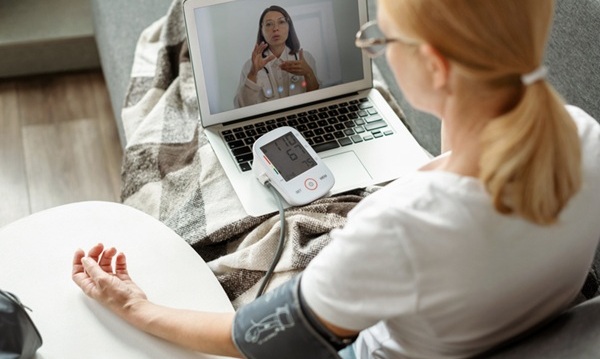
Home Blood Pressure Telemonitoring Linked to Fewer Cardiovascular Events
Hypertension is a leading cause of myocardial infarction and stroke, yet it often progresses without symptoms. Uncontrolled blood pressure contributes to avoidable hospitalizations, deaths, and health system burden.... Read more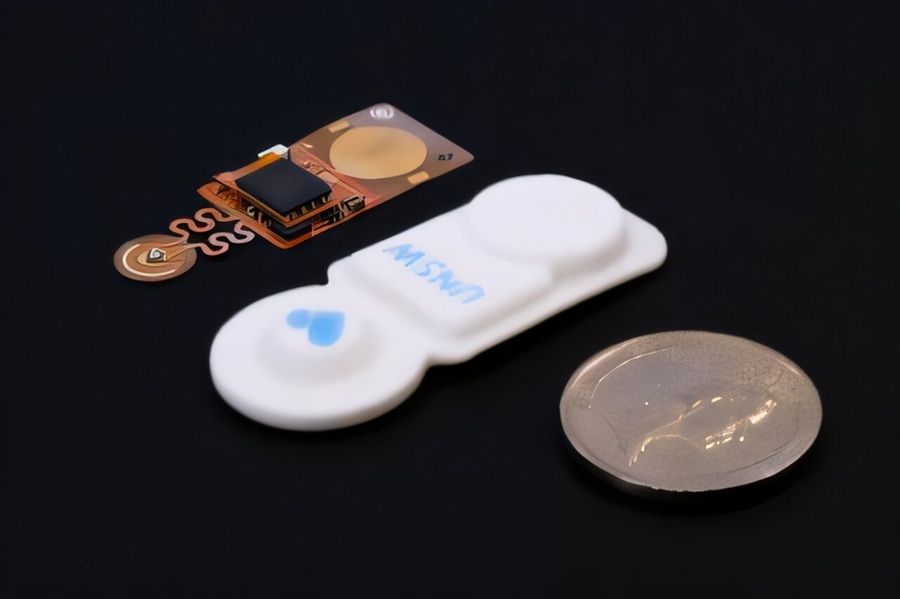
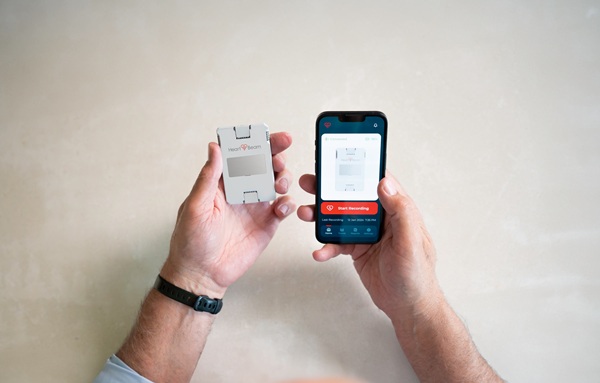
Tiny Wearable Patch Tracks Heart and Respiratory Changes at Home
Auscultation and cardiorespiratory monitoring are typically limited to brief, clinic-based assessments. These intermittent checks can miss evolving abnormalities and place added burden on patients who... Read more
Patient Care
view channel
AI Avatar Doctor Improves Patient Understanding Before Radiotherapy
Radiation oncology consultations require patients to grasp complex concepts quickly, yet anxiety and information overload often undermine understanding and informed consent. Poor comprehension can also... Read more
Wearable Sleep Data Predict Adherence to Pulmonary Rehabilitation
Chronic obstructive pulmonary disease (COPD) is a long-term lung disorder that makes breathing difficult and often disturbs sleep, reducing energy for daily activities. Limited engagement in pulmonary... Read more

Health IT
view channel
AI-Native EHR Achieves EU Medical Device Certification
InterSystems (Boston, MA, USA) announced that its IntelliCare electronic health record (EHR) solutions have been certified as Class IIa medical devices under the European Union Medical Device Regulation... Read more
EHR-Integrated Screening Workflow Detects Cognitive Impairment at Admission
Cognitive impairment involves difficulties with thinking, learning, memory, and decision-making, and is more common in older adults. In U.S. hospitals, more than 40% of admitted older adults have dementia,... Read more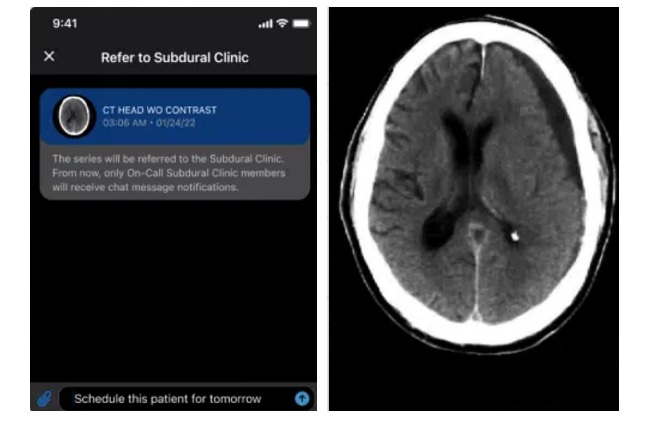

Point of Care
view channel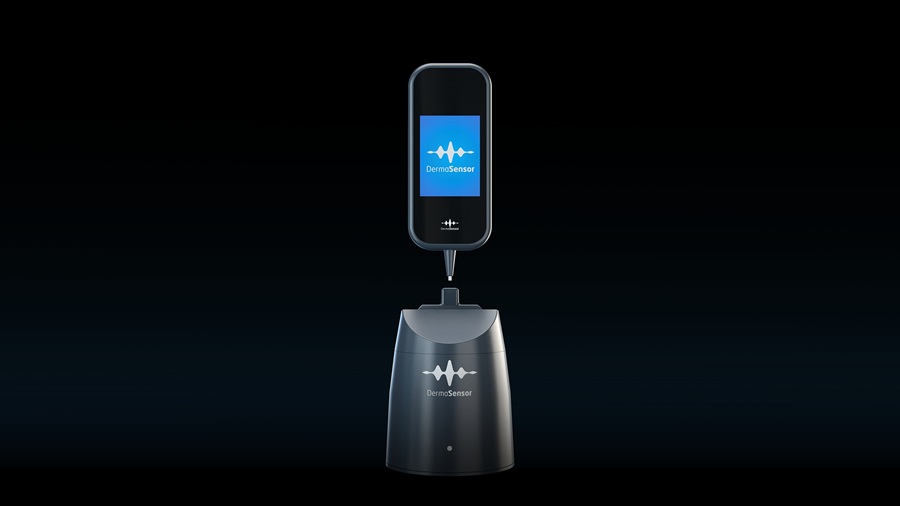
Handheld AI Device for Point-of-Care Skin Lesion Assessment Receives CE Mark
DermaSensor (Miami, FL, USA) has received a Class IIb CE Mark for its handheld DermaSensor device, marking the start of the company’s global expansion strategy. The certification demonstrates conformity... Read more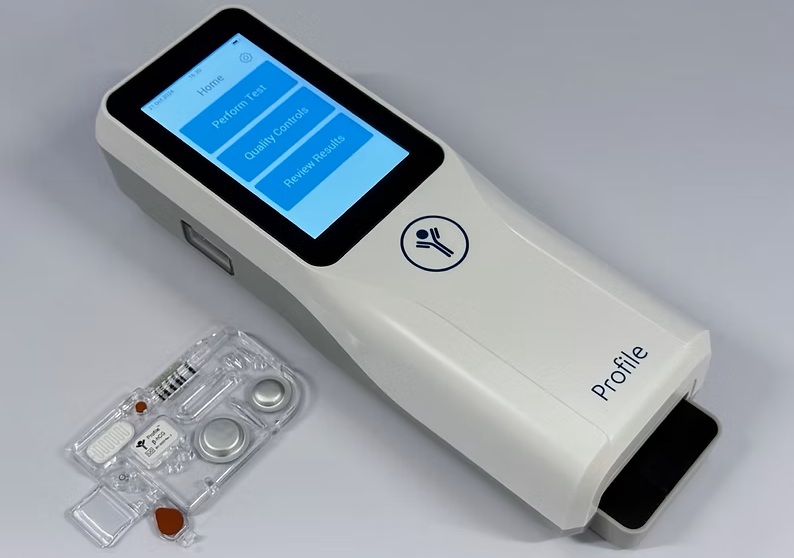
Portable Immunoassay System Advances Toward Point-of-Care Biomarker Testing
Proxim Diagnostics Corp. (Santa Clara, CA, USA) has announced that its Profile System, a handheld point-of-care immunoassay platform, has completed development. The milestone includes completion... Read more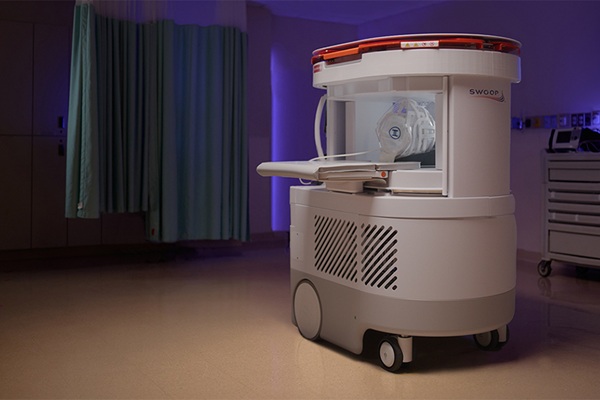
Portable MRI System Accelerates Emergency Brain Imaging and Triage
Emergency departments frequently face delays accessing conventional magnetic resonance imaging (MRI) for patients with suspected neurological emergencies. Such waits can slow triage, prolong boarding,... Read more
Point-of-Care Viscoelastic Testing System Supports Obstetric Bleeding Management
HemoSonics (Durham, NC, USA) announced on May 5, 2026 that the company's Quantra Hemostasis System for Obstetric Procedures won Silver in the 2026 Edison Awards in the Women’s Health and Reproductive Innovations... Read moreBusiness
view channel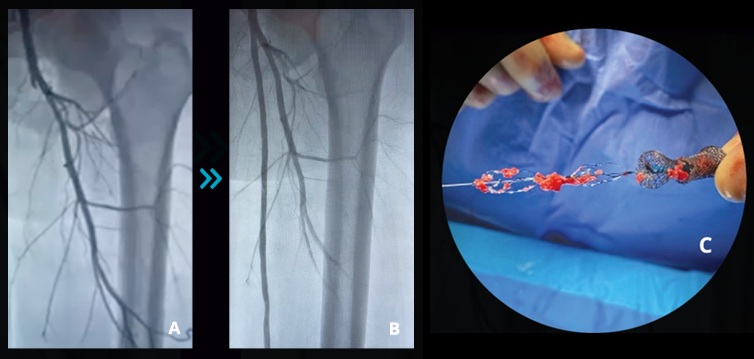
Endologix Adds FDA-Cleared Peripheral Thrombectomy System
Endologix (Santa Rosa, CA, USA) has acquired the Pounce Thrombectomy System from Surmodics, with the transaction closing on May 18, 2026. The FDA-cleared system is indicated for the non-surgical removal... Read more