Nanotherapeutics Deliver Drugs Directly to the Pancreas
|
By HospiMedica International staff writers Posted on 25 Jan 2012 |


|
Injectable nanotherapeutics that can be programmed to deliver selectively drugs to the cells of the pancreas could potentially improve treatment of Type I diabetes.
Researchers at Harvard University (Boston, MA, USA) and Children's Hospital Boston (CHB; Boston, MA, USA) developed a proof-of-concept design for pancreatic islet-targeting nanoparticles that were modified with a unique peptide. The researchers found that the novel polymeric nanomaterials exhibited a three-fold greater binding to islet endothelial cells, and a 200-fold greater anti-inflammatory effect through targeted islet endothelial cell delivery of an immunosuppressant drug. The dramatic increase in efficacy means that smaller amounts of drugs would be needed for treatment, opening the possibility of significantly reduced toxic side effects, as well as lower treatment costs. The study was published in the December 2011 issue of Nano Letters.
“The consequences of Type I diabetes are felt in both the people who live with the disease and in the terrible strain that treatment costs put on the economy,” said lead author Donald Ingber MD, PhD. “In keeping with our vision at the Wyss Institute, we hope that the programmable nanotherapy we have developed here will have a major positive impact on people's lives in the future.”
Type I diabetes, which often strikes children and young adults, is a debilitating disease in which the body's immune system progressively destroys the cells in the pancreas that produce insulin. The risk of developing Type I diabetes, which can lead to serious health complications such as kidney failure and blindness, can be predicted with 90% accuracy. But therapeutic intervention for people identified as high risk has so far been limited due to many systemic treatments being barred from clinical use as a result of the severe side effects produced when used at the high doses required to achieve a therapeutic response.
Related Links:
Harvard University
Children's Hospital Boston




Researchers at Harvard University (Boston, MA, USA) and Children's Hospital Boston (CHB; Boston, MA, USA) developed a proof-of-concept design for pancreatic islet-targeting nanoparticles that were modified with a unique peptide. The researchers found that the novel polymeric nanomaterials exhibited a three-fold greater binding to islet endothelial cells, and a 200-fold greater anti-inflammatory effect through targeted islet endothelial cell delivery of an immunosuppressant drug. The dramatic increase in efficacy means that smaller amounts of drugs would be needed for treatment, opening the possibility of significantly reduced toxic side effects, as well as lower treatment costs. The study was published in the December 2011 issue of Nano Letters.
“The consequences of Type I diabetes are felt in both the people who live with the disease and in the terrible strain that treatment costs put on the economy,” said lead author Donald Ingber MD, PhD. “In keeping with our vision at the Wyss Institute, we hope that the programmable nanotherapy we have developed here will have a major positive impact on people's lives in the future.”
Type I diabetes, which often strikes children and young adults, is a debilitating disease in which the body's immune system progressively destroys the cells in the pancreas that produce insulin. The risk of developing Type I diabetes, which can lead to serious health complications such as kidney failure and blindness, can be predicted with 90% accuracy. But therapeutic intervention for people identified as high risk has so far been limited due to many systemic treatments being barred from clinical use as a result of the severe side effects produced when used at the high doses required to achieve a therapeutic response.
Related Links:
Harvard University
Children's Hospital Boston

Gold Member
Handheld Blood Glucose Analyzer
STAT-Site
Gold Member
STI Test
Vivalytic Sexually Transmitted Infection (STI) Array
Glucose Meter
StatStrip®
Fetal Monitor
BT-380
Latest Critical Care News
- Home Blood Pressure Telemonitoring Linked to Fewer Cardiovascular Events
- Tiny Wearable Patch Tracks Heart and Respiratory Changes at Home
- Smartphone Heart Rhythm App Reduces Unnecessary Cardioversion Procedures
- AI-Guided Mammogram Triage Speeds Same-Day Breast Cancer Workup
- Handheld ECG Algorithm Shows Promise for At-Home Heart Attack Risk Assessment
- Bedside CSF Monitor Detects Early Infection in Fluid Drains
- Wearable Ultrasound Patch Noninvasively Paces Heart to Stabilize Arrhythmias
- New Practice Guidance Supports Prostatic Artery Embolization for BPH Symptoms
- AI ECG Tool Detects Cardiac Amyloidosis for Early Screening
- Cuffless Wearable Enables Continuous Blood Pressure Monitoring for Hypertension Care
- AI-Guided System Supports Cardiac Ultrasound Training on Cart-Based Systems
- AI ECG Index Tracks Pubertal Maturation in Children and Adolescents
- Noninvasive AI Tool Enables Pressure-Guided Heart Failure Management
- Regenerative Therapies Aim to Support Recovery After Traumatic Brain Injury
- Ring-Type Cuffless Monitor Becomes First Added to Official Hypertension Guidelines
- “Intelligent Tattoo” Method Detects Early Melanoma Signals
Channels
Artificial Intelligence
view channel
AI Platform Supports Noninvasive Remote Hemodynamic Monitoring in Heart Failure
Heart failure remains a leading cause of hospitalization in adults over 65, affecting more than 6.7 million people in the U.S. Clinicians often lose visibility into hemodynamic deterioration once patients... Read more
AI Tool Predicts Unplanned Care and Symptom Burden in Cancer Survivors
Unplanned emergency visits and hospitalizations remain common in cancer survivorship, when routine clinical contact often tapers while new symptoms emerge. These events reflect unmet needs and disrupt... Read more

Surgical Techniques
view channel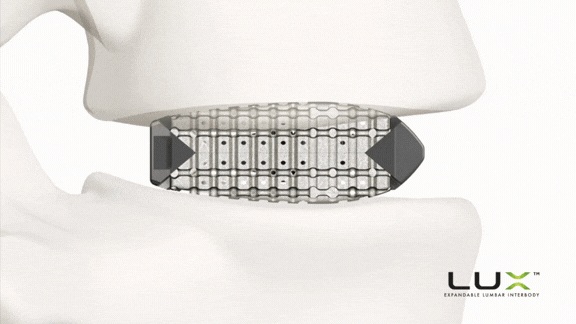
Expandable Lumbar Fusion System Gains FDA 510(k) Clearance
Xenix Medical (Orlando, FL, USA) has received U.S. Food and Drug Administration 510(k) clearance and initiated full commercial launch of the Lux Expandable Lumbar Interbody Fusion System.... Read more
New CAR T-Cell Therapy Enables Transplants in Hard-to-Match Kidney Patients
Highly sensitized kidney transplant candidates have extremely high levels of anti-donor antibodies that block matching and prolong dialysis. These patients face long wait times and increased morbidity... Read more

Patient Care
view channel
AI Avatar Doctor Improves Patient Understanding Before Radiotherapy
Radiation oncology consultations require patients to grasp complex concepts quickly, yet anxiety and information overload often undermine understanding and informed consent. Poor comprehension can also... Read more
Wearable Sleep Data Predict Adherence to Pulmonary Rehabilitation
Chronic obstructive pulmonary disease (COPD) is a long-term lung disorder that makes breathing difficult and often disturbs sleep, reducing energy for daily activities. Limited engagement in pulmonary... Read more

Health IT
view channel
AI-Native EHR Achieves EU Medical Device Certification
InterSystems (Boston, MA, USA) announced that its IntelliCare electronic health record (EHR) solutions have been certified as Class IIa medical devices under the European Union Medical Device Regulation... Read more
EHR-Integrated Screening Workflow Detects Cognitive Impairment at Admission
Cognitive impairment involves difficulties with thinking, learning, memory, and decision-making, and is more common in older adults. In U.S. hospitals, more than 40% of admitted older adults have dementia,... Read more

Point of Care
view channel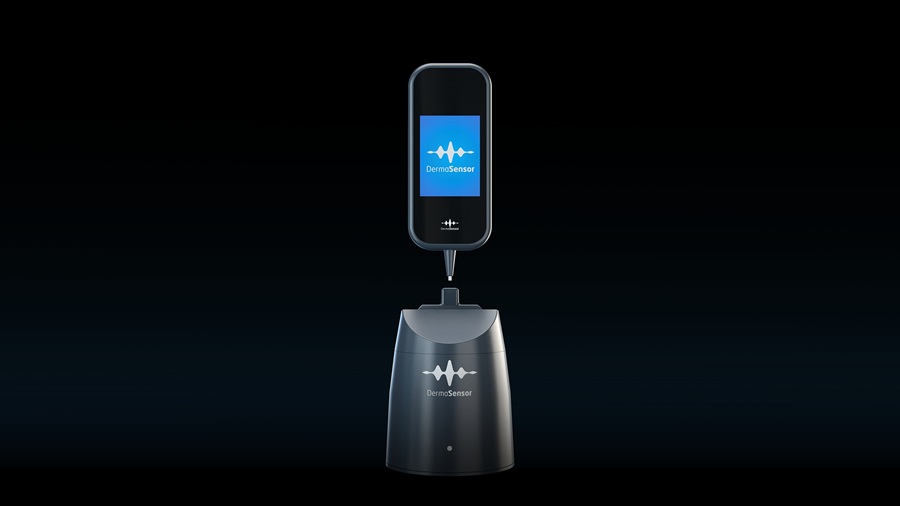
Handheld AI Device for Point-of-Care Skin Lesion Assessment Receives CE Mark
DermaSensor (Miami, FL, USA) has received a Class IIb CE Mark for its handheld DermaSensor device, marking the start of the company’s global expansion strategy. The certification demonstrates conformity... Read more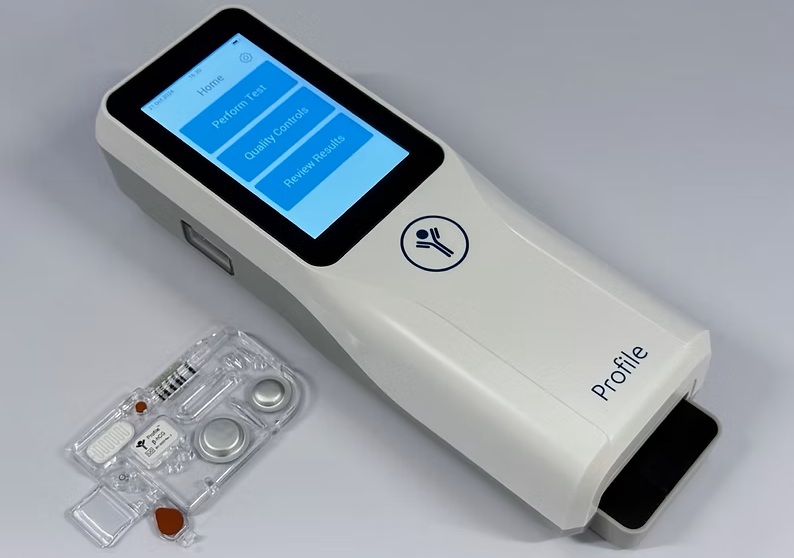
Portable Immunoassay System Advances Toward Point-of-Care Biomarker Testing
Proxim Diagnostics Corp. (Santa Clara, CA, USA) has announced that its Profile System, a handheld point-of-care immunoassay platform, has completed development. The milestone includes completion... Read more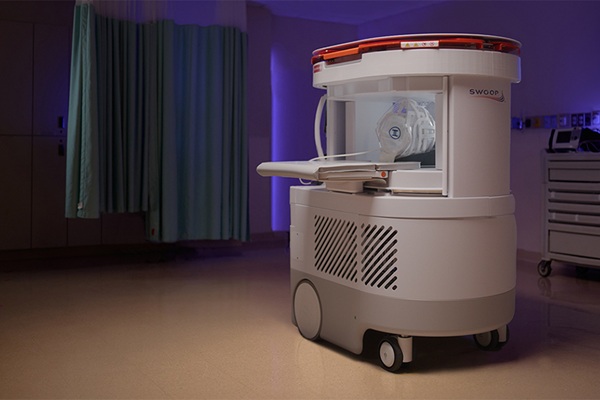
Portable MRI System Accelerates Emergency Brain Imaging and Triage
Emergency departments frequently face delays accessing conventional magnetic resonance imaging (MRI) for patients with suspected neurological emergencies. Such waits can slow triage, prolong boarding,... Read more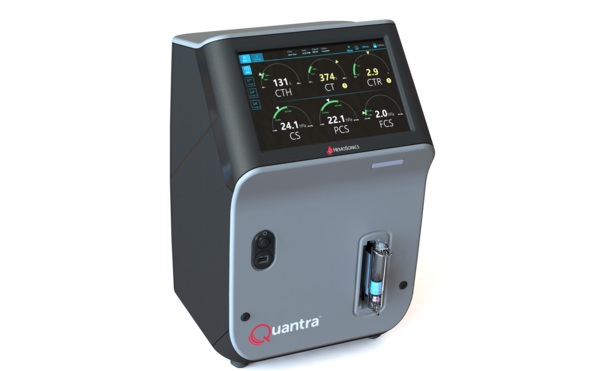
Point-of-Care Viscoelastic Testing System Supports Obstetric Bleeding Management
HemoSonics (Durham, NC, USA) announced on May 5, 2026 that the company's Quantra Hemostasis System for Obstetric Procedures won Silver in the 2026 Edison Awards in the Women’s Health and Reproductive Innovations... Read moreBusiness
view channel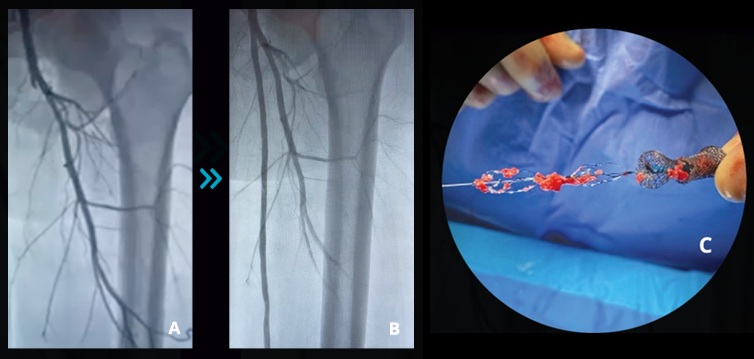
Endologix Adds FDA-Cleared Peripheral Thrombectomy System
Endologix (Santa Rosa, CA, USA) has acquired the Pounce Thrombectomy System from Surmodics, with the transaction closing on May 18, 2026. The FDA-cleared system is indicated for the non-surgical removal... Read more