Rostec Presents Newborn Care Technologies
|
By HospiMedica International staff writers Posted on 30 Jan 2017 |


|
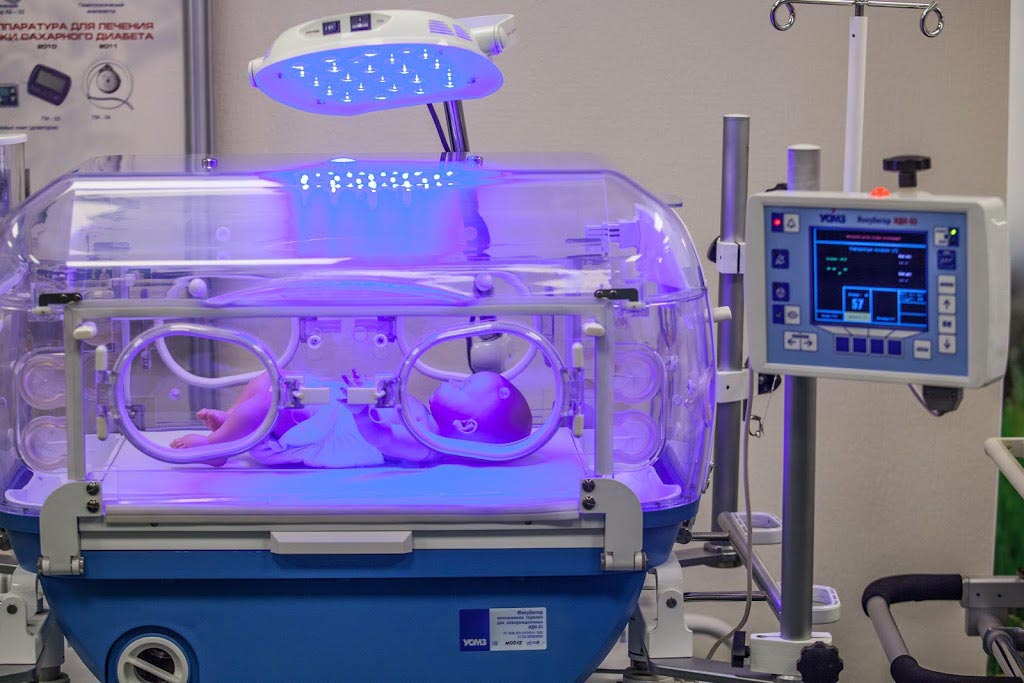
Image: A neonatal incubator and the OFN-03 phototherapy lamp (Photo courtesy of Shvabe).
Shvabe, a Russian holding company forming part of Rostec Corporation that manufactures neonatal equipment, demonstrated its range of resuscitation, anesthetic and intensive care equipment for children and adults at the 42nd Arab Health Exhibition & Congress 2017.
Shvabe’s neonatal devices are used for therapy, nursing and effective resuscitation of premature and newborns with extremely low body weight. The Russian company’s incubators are equipped with a computer-control system that allows monitoring all the possible parameters, such as temperature inside a module, oxygen concentration and air humidity, as well as a newborn’s body temperature and weight.
At Arab Health 2017 – held from January 30 through February 2 in Dubai, United Arab Emirates – Shvabe presented its new products in the field of newborn care. Products included the IDN-03 intensive care incubator, the OFN-03 phototherapy lamp, and the ODN-01 heater. Additionally, Shvabe, which is also a part of the Moscow government’s joint exposition, "Made in Moscow", demonstrated the MAIA-01, a multifunctional inhalation anesthesia unit that provides artificial lung ventilation, general anesthesia and integrated monitoring of the breathing mixture for children and adults. Other medical devices demonstrated by Shvabe at the integrated exposition included cardiographic electrodes ECO and an automatic defibrillator.
"The market of medical equipment in the United Arab Emirates is a very attractive platform for foreign trade activity. Currently, the Middle East accounts for 10% of medical equipment exported by the Holding. In the long term, we are planning to increase this value considerably due to extension of our distributors' list," said Alexei Patrikeyev, general director of Shvabe.




Shvabe’s neonatal devices are used for therapy, nursing and effective resuscitation of premature and newborns with extremely low body weight. The Russian company’s incubators are equipped with a computer-control system that allows monitoring all the possible parameters, such as temperature inside a module, oxygen concentration and air humidity, as well as a newborn’s body temperature and weight.
At Arab Health 2017 – held from January 30 through February 2 in Dubai, United Arab Emirates – Shvabe presented its new products in the field of newborn care. Products included the IDN-03 intensive care incubator, the OFN-03 phototherapy lamp, and the ODN-01 heater. Additionally, Shvabe, which is also a part of the Moscow government’s joint exposition, "Made in Moscow", demonstrated the MAIA-01, a multifunctional inhalation anesthesia unit that provides artificial lung ventilation, general anesthesia and integrated monitoring of the breathing mixture for children and adults. Other medical devices demonstrated by Shvabe at the integrated exposition included cardiographic electrodes ECO and an automatic defibrillator.
"The market of medical equipment in the United Arab Emirates is a very attractive platform for foreign trade activity. Currently, the Middle East accounts for 10% of medical equipment exported by the Holding. In the long term, we are planning to increase this value considerably due to extension of our distributors' list," said Alexei Patrikeyev, general director of Shvabe.

Gold Member
SARS‑CoV‑2/Flu A/Flu B/RSV Sample-To-Answer Test
SARS‑CoV‑2/Flu A/Flu B/RSV Cartridge (CE-IVD)
Digital Radiography System (Ceiling Free)
Digix CF Series
Creatinine/eGFR Meter
StatSensor® Creatinine/eGFR Meter
Latest ARAB HEALTH 2017 News
- Dräger Introduces New Incubator and Baby Warmer
- Kastus Showcases Superbug-Killing Antimicrobial Solutions
- Esaote Presents New Ultrasound Platform at Arab Health 2017
- Merivaara Showcases Q-Flow Surgical Light at Arab Health
- Rober Showcases Pressure Ulcer Protection for Critically Ill Patients
- Finland Showcases Cutting-Edge Health Services and Technologies
- US Medical Leaders Build on Professional Partnerships at Arab Health 2017
- Ascom Unveils Nurse Call Innovations
- Mediplus Launches IV Drug Delivery System at Arab Health Show
- UK Pavilion Performs Groundbreaking Surgery at Dubai Trade Show
- ZOLL Showcases Expanded Portfolio of Products at Arab Health 2017
Channels
Artificial Intelligence
view channel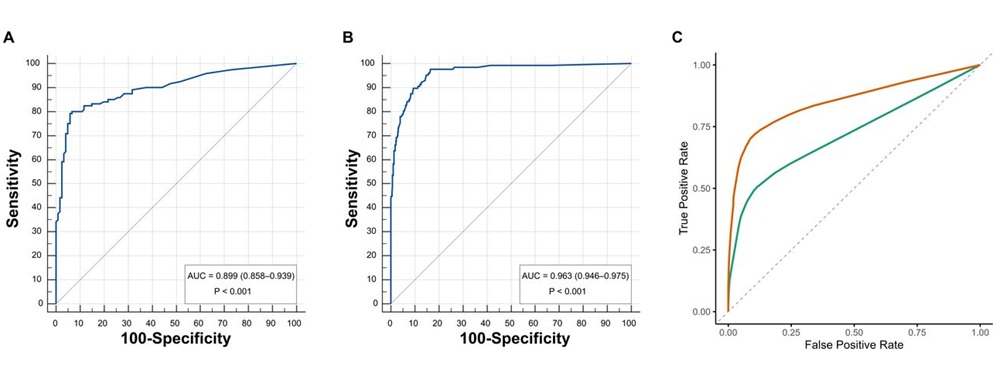
AI Improves Non-Contrast CT Interpretation for Time-Sensitive Stroke Assessment
Acute ischemic stroke occurs when a blood vessel in the brain becomes blocked, requiring rapid diagnosis to enable timely reperfusion therapy. Emergency departments often use computed tomography angiography... Read more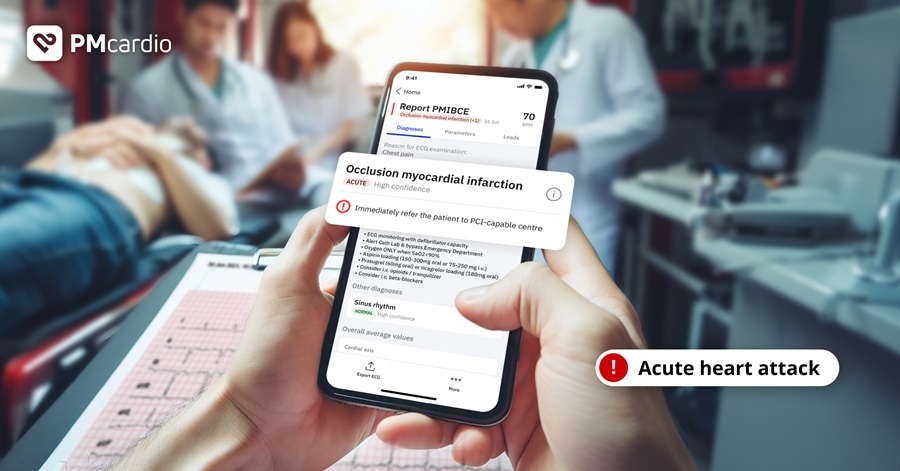
AI-Powered ECG Model Gains FDA Authorization for Emergency Cardiac Assessment
Powerful Medical’s PMcardio Queen of Hearts (ACS AI ECG Model) has received U.S. Food and Drug Administration (FDA) De Novo authorization, announced on September 15, 2026. The model is designed to identify... Read more
Critical Care
view channel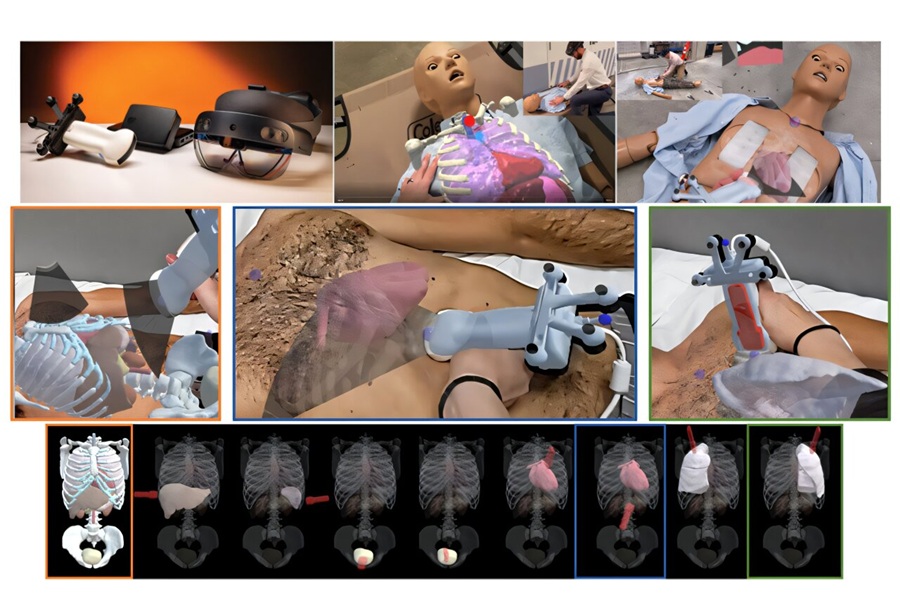
Anatomical Guidance System Improves Trauma Ultrasound Acquisition by Novice Users
Focused assessment with sonography for trauma (FAST) helps clinicians detect free fluid and signs of internal bleeding in injured patients, but obtaining reliable images can be difficult for inexperienced operators.... Read more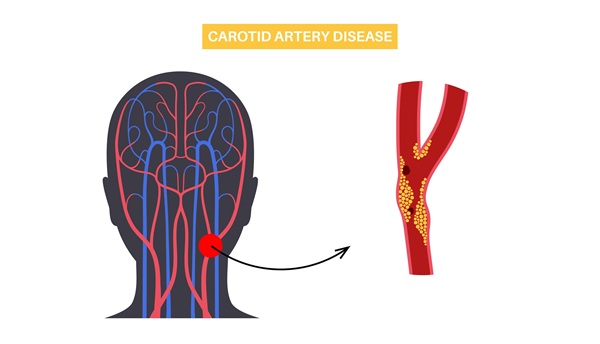
AI-Enhanced Handheld Ultrasound Improves Carotid Plaque Detection
Handheld ultrasound can miss small or faint carotid plaque, creating uncertainty in community screening. This gap makes it harder for frontline clinicians to decide who needs confirmatory imaging, closer... Read more
Noninvasive Imaging Approach Aims to Detect Basal Cell Carcinoma Before It Becomes Visible
Basal cell carcinoma is the most common form of skin cancer and can damage nearby structures such as the nose or eyes when it develops on the face. Diagnosis typically depends on visible skin changes,... Read more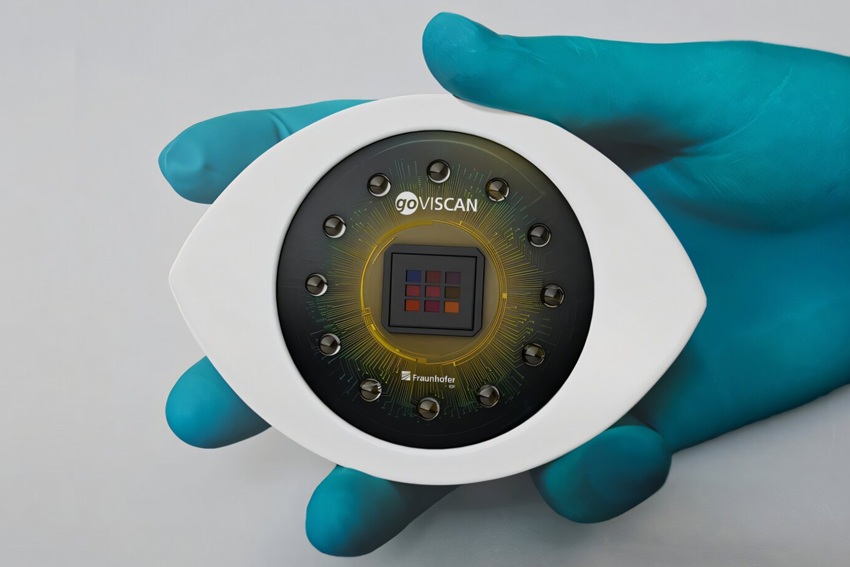
Surgical Techniques
view channel
Handheld Device Improves Targeted Cell Collection for Early Ovarian Cancer Assessment
High-grade serous ovarian cancer is the most common form of ovarian cancer, and many cases are thought to originate in the fallopian tubes. Because precursor lesions can be microscopic, they are difficult... Read more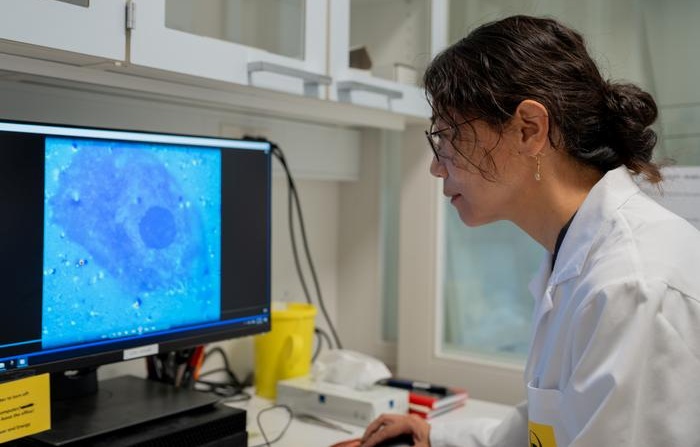
Light-Activated Nanoparticles May Offer New Approach to Retinal Prostheses
Retinitis pigmentosa is a degenerative retinal disorder in which photoreceptors progressively die, reducing visual signals to the brain while leaving surviving inner retinal circuits underused.... Read more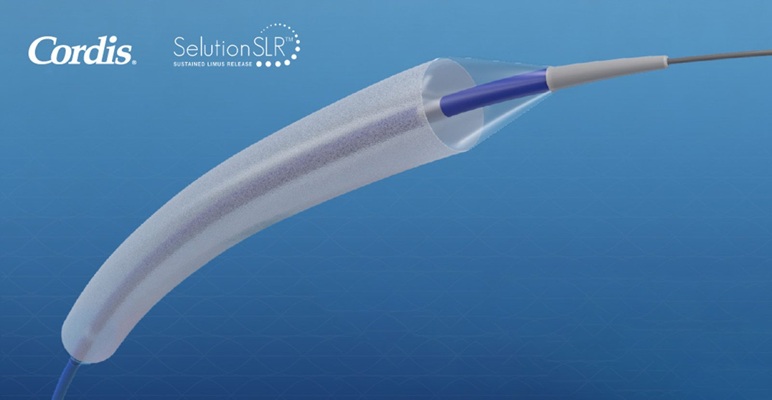
FDA Approves First Sirolimus Drug-Eluting Balloon for Coronary In-Stent Restenosis
Coronary in-stent restenosis (ISR) accounts for about 10% of the nearly one million percutaneous coronary interventions performed annually in the United States. Treating recurrent narrowing without another... Read more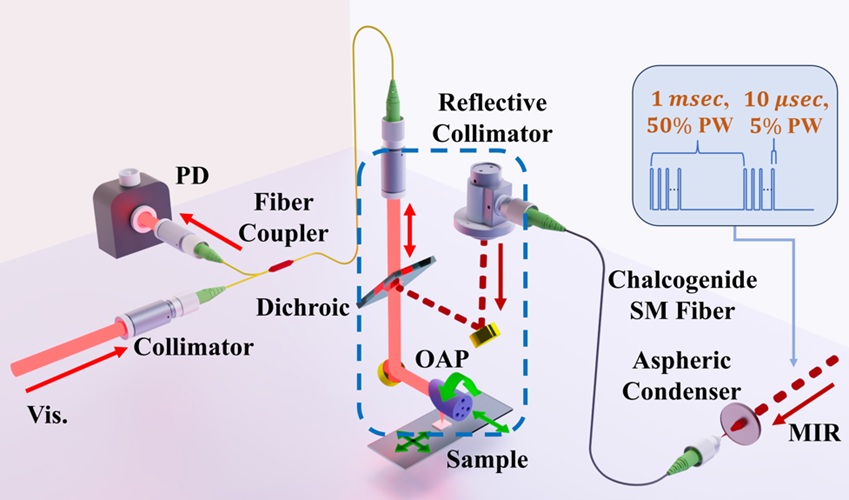
Patient Care
view channel
EHR Model Flags High-Risk Periods in Patients with Metastatic Breast Cancer
Determining when patients with metastatic breast cancer are nearing the end of life remains difficult, often leading to intensive interventions with limited benefit. Prognostic uncertainty can delay goals-of-care... Read more
Virtual Reality Helps Claustrophobic Patients Complete Cardiac PET/CT Scans
Anxiety and claustrophobia—intense fear of confined spaces—often prevent patients from completing cardiac positron emission tomography/computed tomography (PET/CT). Aborted scans delay diagnosis, consume... Read more

Medical Imaging
view channel
New MRI Approach Captures Rapidly Decaying Tissue Signals
MRI measures signals generated as excited proton spins return toward equilibrium. However, some tissue signals decay so rapidly that conventional systems can miss them during the brief interval after excitation,... Read more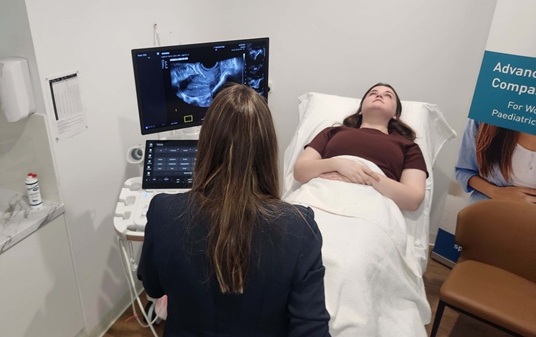
AI Tool Integrates MRI and Ultrasound to Detect Endometriosis
Endometriosis is a chronic condition in which tissue similar to the uterine lining grows outside the uterus, causing pain, heavy bleeding, and infertility. Diagnosis often depends on surgical visualization,... Read more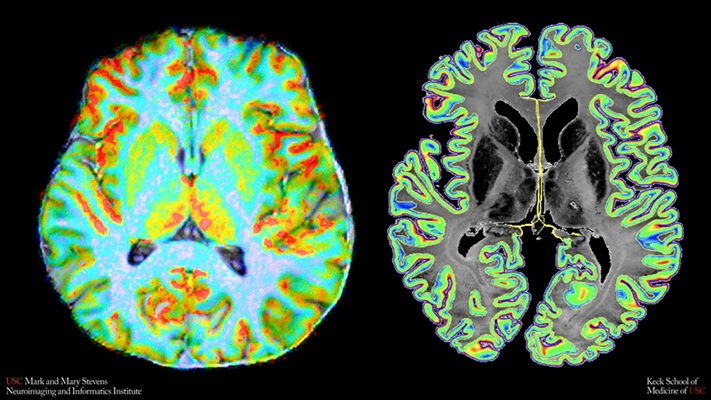

Health IT
view channel
New Tablet Platform Extends Stroke Neurorehabilitation Beyond the Clinic
Continuity and intensity of neurorehabilitation after stroke are critical for functional recovery, but access to ongoing therapy at home often remains limited. Hospitals and outpatient programs therefore... Read more
Smartphone App Improves Blood Pressure Control in Hypertension
Hypertension, or high blood pressure, is a major modifiable driver of cardiovascular, renal, and cerebrovascular morbidity. Despite effective therapies, many adults fail to achieve control, leading to... Read more

Point of Care
view channel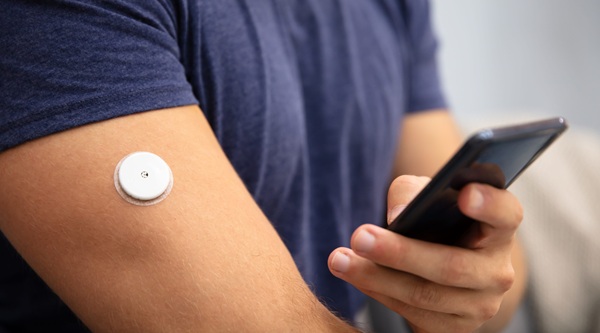
Continuous Glucose Monitoring Identifies Cardiometabolic Risk in Adults Without Diabetes
Dysglycemia—abnormal blood glucose regulation—can fluctuate throughout the day and often escape conventional screening. Clinicians typically rely on fasting plasma glucose and hemoglobin A1c, which offer... Read more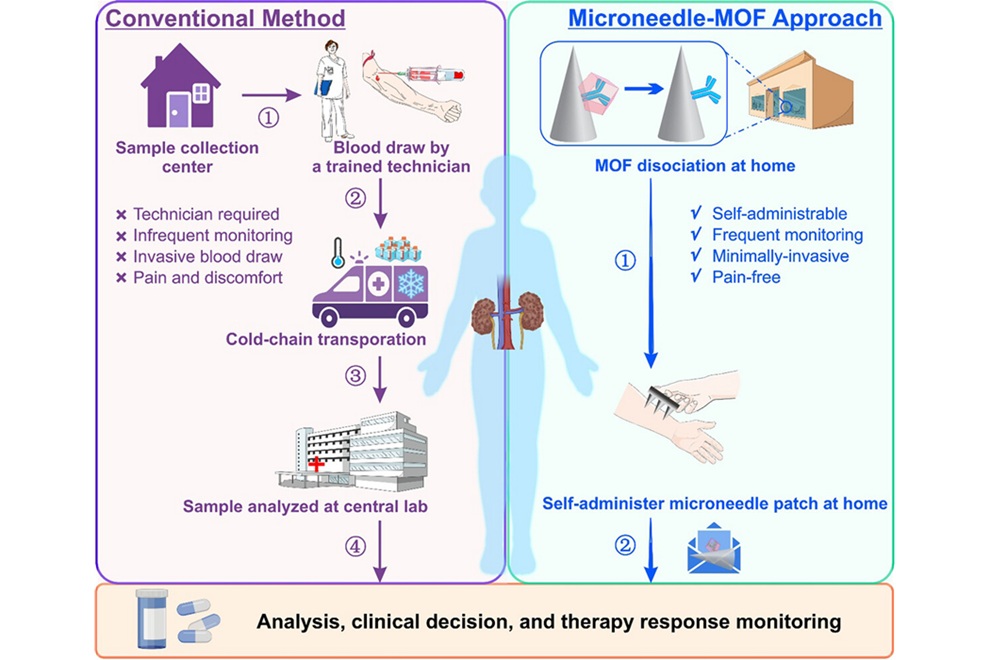
Microneedle Patch Enables At-Home Monitoring of Acute Kidney Injury
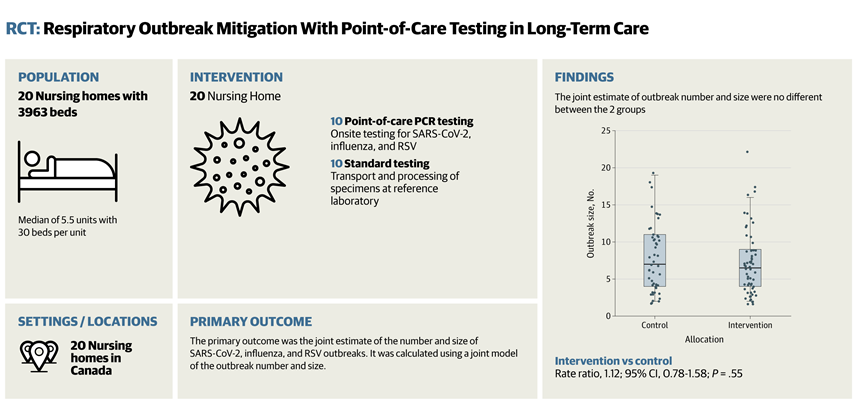
Kidney disease is often silent in its early stages, making timely detection difficult outside clinical settings. Early biomarkers such as neutrophil gelatinase–associated lipocalin can require blood draws... Read more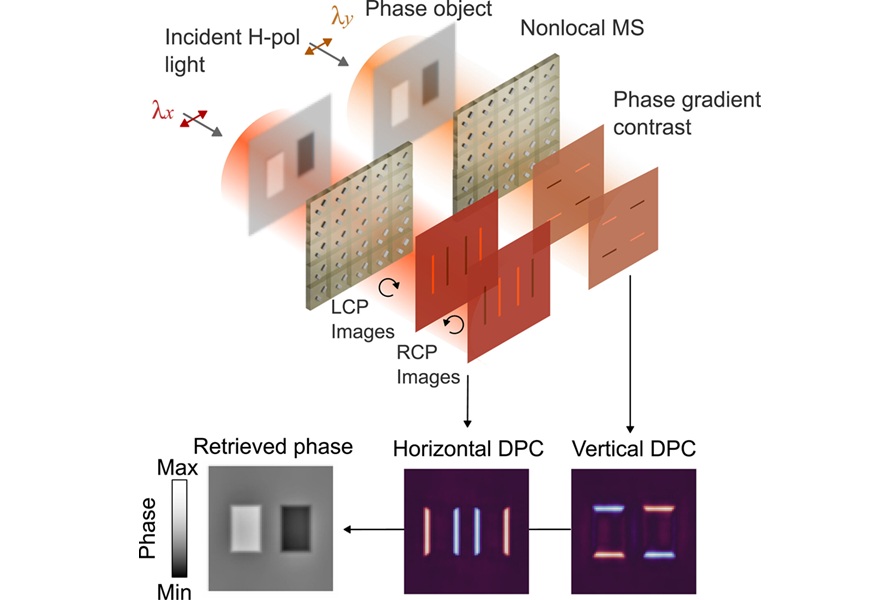
Business
view channel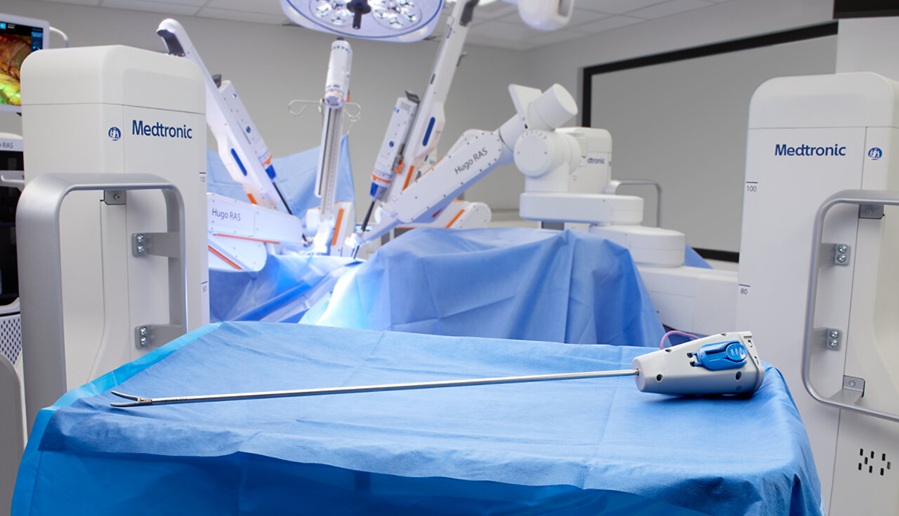
Medtronic Receives FDA Clearance for Vessel-Sealing Instrument for Robotic Surgery
As robotic-assisted surgery expands across U.S. hospitals, teams increasingly seek energy instruments with the familiarity and performance of tools used in open and laparoscopic procedures.... Read more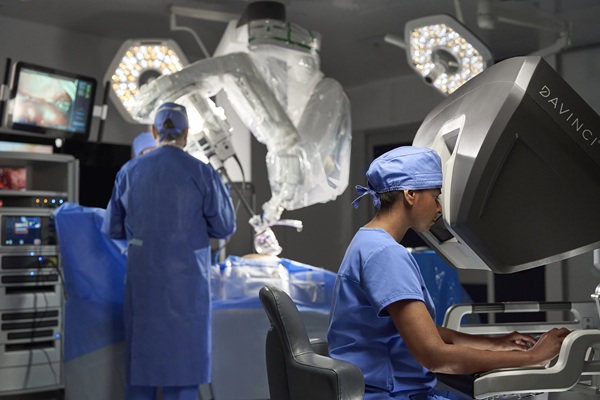
Robotic Single-Port System Gains CE Mark for Transvaginal Gynecologic Procedures
Intuitive (Sunnyvale, CA, USA) announced that it has received CE mark approval for use of the da Vinci SP Single Port surgical system in transvaginal gynecologic procedures, marking the first such indication... Read more