RFID System Helps Localize Breast Lesions
|
By HospiMedica International staff writers Posted on 23 May 2017 |


|
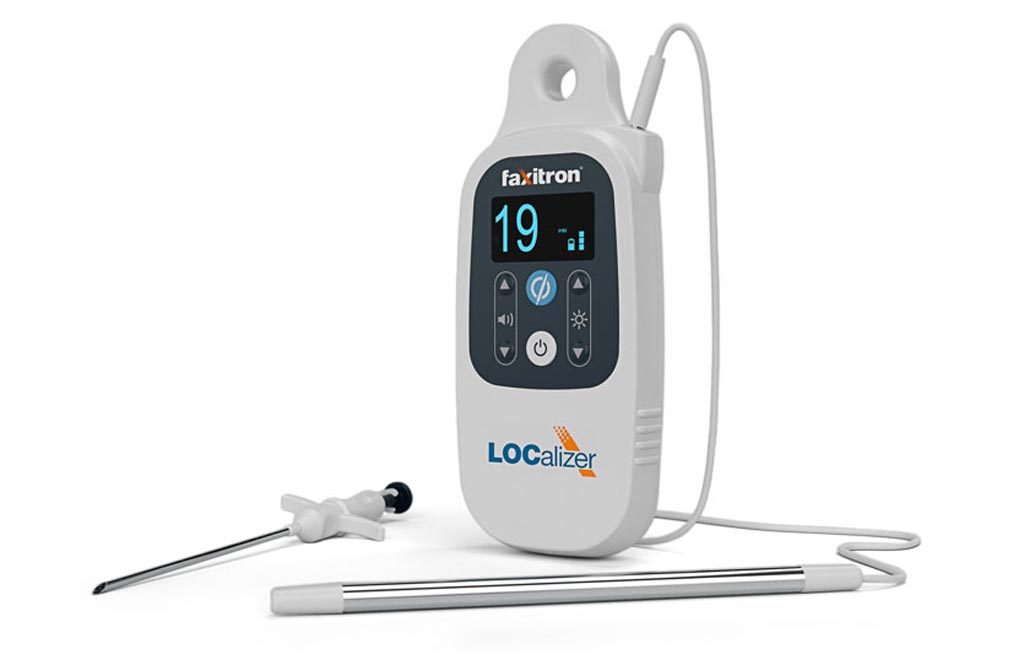
Image: The LOCalizer RFID breast lesion localization system (Photo courtesy of Faxitron Bioptics).
A novel wireless radio frequency identification (RFID) system offers radiation-free breast lesion localization, resulting in better outcomes for patients.
The LOCalizer RFID breast lesion localization system includes a miniature non-radioactive RFID tag designed to be implanted in the lesion up to 30 days before surgery, a RFID tag applicator, a handheld reader, and a sterile probe. The mobile, handheld reader contains an integrated loop probe that can be used directly on the skin to determine the location and distance to the lesion and plan the surgical path with a resolution of millimeters. During resection, a single-use, pencil-sized surgical probe can be used to help guide the surgeon directly to the lesion, using audio tone guidance.
Each tag has a unique identification number and is encased in a proprietary, anti-migratory sheath, allowing for better identification of the RFID tag and keeping it in its intended position. The tag is clearly visible on ultrasound, X-ray, and magnetic resonance imaging (MRI), allowing for flexible placement with multiple imaging modalities. The LOCalizer RFID breast lesion localization system is a product of Faxitron Bioptics, and has been approved by the U.S. Food and Drug Administration (FDA).
“As the industry gets better at detecting smaller breast lesions, we must establish a new gold standard for breast lesion localization,” said Donogh O’Driscoll, CFO and COO of Faxitron. “LOCalizer could be the breakthrough needed to make lumpectomies and breast biopsies safer, more efficient, and a better experience for both providers and patients. For more than half a century, our dedication to advancing breast health has been unwavering, and we’re honored to once again pave the way for a higher standard of care.”
“The most exciting aspect of the LOCalizer technology is being able to accurately measure the distance to the target lesion, something we haven’t been able to do with other localization methods,” said Christine Dauphine, MD, of Harbor-UCLA Medical Center (Torrance, CA, USA). “Our team was able to experience the LOCalizer system first-hand in the operating room, and we were thrilled by the prospect of providing patients with a localization method that, by design, could avoid the anxiety of having additional procedures on the day of surgery.”
Traditional methods for marking non-palpable breast lesions prior to surgery require wire localization or radioactive seeds inserted by a radiologist in a separate procedure. The localization wires protrude from the patient’s breast, restricting the patient to the hospital environment. In addition, the protruding guide wires risk movement prior to surgery, requiring follow-up surgery in up to 55% of lumpectomy procedures.



The LOCalizer RFID breast lesion localization system includes a miniature non-radioactive RFID tag designed to be implanted in the lesion up to 30 days before surgery, a RFID tag applicator, a handheld reader, and a sterile probe. The mobile, handheld reader contains an integrated loop probe that can be used directly on the skin to determine the location and distance to the lesion and plan the surgical path with a resolution of millimeters. During resection, a single-use, pencil-sized surgical probe can be used to help guide the surgeon directly to the lesion, using audio tone guidance.
Each tag has a unique identification number and is encased in a proprietary, anti-migratory sheath, allowing for better identification of the RFID tag and keeping it in its intended position. The tag is clearly visible on ultrasound, X-ray, and magnetic resonance imaging (MRI), allowing for flexible placement with multiple imaging modalities. The LOCalizer RFID breast lesion localization system is a product of Faxitron Bioptics, and has been approved by the U.S. Food and Drug Administration (FDA).
“As the industry gets better at detecting smaller breast lesions, we must establish a new gold standard for breast lesion localization,” said Donogh O’Driscoll, CFO and COO of Faxitron. “LOCalizer could be the breakthrough needed to make lumpectomies and breast biopsies safer, more efficient, and a better experience for both providers and patients. For more than half a century, our dedication to advancing breast health has been unwavering, and we’re honored to once again pave the way for a higher standard of care.”
“The most exciting aspect of the LOCalizer technology is being able to accurately measure the distance to the target lesion, something we haven’t been able to do with other localization methods,” said Christine Dauphine, MD, of Harbor-UCLA Medical Center (Torrance, CA, USA). “Our team was able to experience the LOCalizer system first-hand in the operating room, and we were thrilled by the prospect of providing patients with a localization method that, by design, could avoid the anxiety of having additional procedures on the day of surgery.”
Traditional methods for marking non-palpable breast lesions prior to surgery require wire localization or radioactive seeds inserted by a radiologist in a separate procedure. The localization wires protrude from the patient’s breast, restricting the patient to the hospital environment. In addition, the protruding guide wires risk movement prior to surgery, requiring follow-up surgery in up to 55% of lumpectomy procedures.

Gold Member
12-Channel ECG
CM1200B
Blood Pressure Monitor
Cuff Blood Pressure Monitor
Glucose Meter
StatStrip®
Latest Surgical Techniques News
- Transcatheter Repair System Gains FDA Approval for Severe Tricuspid Regurgitation
- Half-Matched Family Donors Could Expand Transplant Access for Severe Aplastic Anemia
- Dual-Imaging Catheter Completes Initial Human Evaluation of Coronary Plaque
- Shape-Changing Hydrogels Show Promise for Tissue Engineering and Wound Healing
- Combined Wound Healing Approach Pairs Synthetic Scaffold With Negative Pressure Therapy
- 3D Printing Method Could Enable More Flexible Cardiovascular Implants
- Augmented Reality Helps Locate Hidden Tumors During Liver Surgery
- FDA Approves Bioabsorbable Patch Technology for Large-Bore Vascular Closure
- New Ultrasonic Surgical Platform Adds Control for Bone and Soft Tissue Removal
- Targeted Radiotherapy Before Surgery Improves Control of Kidney Cancer Thrombus
- Robotic Approach Enables Minimally Invasive Repair of Hard-to-Reach Abdominal Hernias
- New Surgical Technique Enlarges Aortic Root for Larger Valve Implantation

- FDA Approval Expands Bridging Stent Use in Complex Aortic Aneurysm Repair
- New Beam Measurement Approach Could Support More Precise Ion Therapy
- Tiny Robots Could Speed Targeted Drug Delivery to Heart Infections
- Contact Radiotherapy Offers New Organ-Preserving Approach for Rectal Cancer
Channels
Artificial Intelligence
view channel
AI Tool Predicts Cancer Survival and Biological Age from Single Facial Photo
Assessing frailty and physiologic reserve remains challenging when clinicians consider intensive cancer treatment. Chronological age alone may not reflect how well a patient can tolerate radiation, surgery,... Read more
AI Tool Improves Smartphone Detection of Abnormal Pediatric Lung Sounds
Respiratory disease in children remains a major clinical concern worldwide. Abnormal lung sounds can indicate pediatric respiratory illness, but standard auscultation usually requires an in-person examination... Read more

Critical Care
view channel
Noninvasive Brain-Computer Interface Enables Responses in Some Unresponsive ICU Patients
Cognitive motor dissociation occurs when patients retain signs of consciousness but cannot move or speak to communicate. In the ICU, this hidden consciousness can be difficult to distinguish from coma... Read more
Real-Time Data Platform Supports Precision Care in Polycystic Kidney Disease
Autosomal dominant polycystic kidney disease, the most common genetic kidney disorder, affects more than 7 million people worldwide. Although hospitals generate extensive clinical data on these patients,... Read more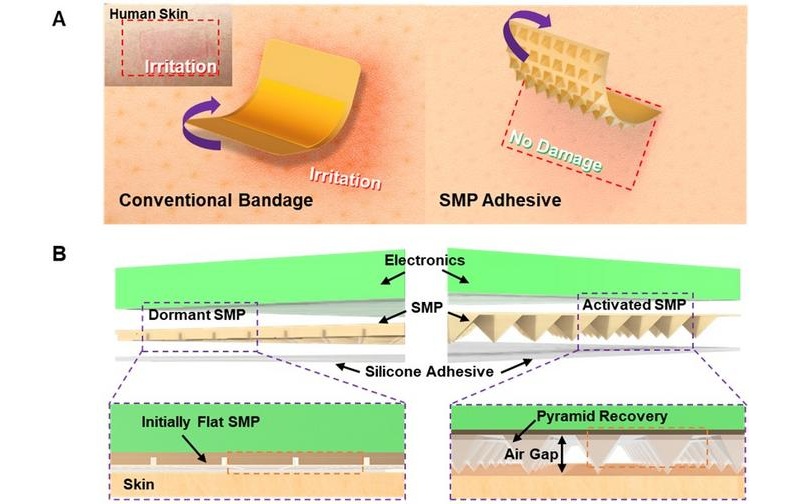
Smart Medical Adhesive Patch Uses Heat to Enable Gentle Removal
Medical adhesive-related skin injury (MARSI) is a persistent concern for neonates, older adults, critically ill patients, and others requiring repeated monitoring. Strong adhesives keep sensors securely... Read more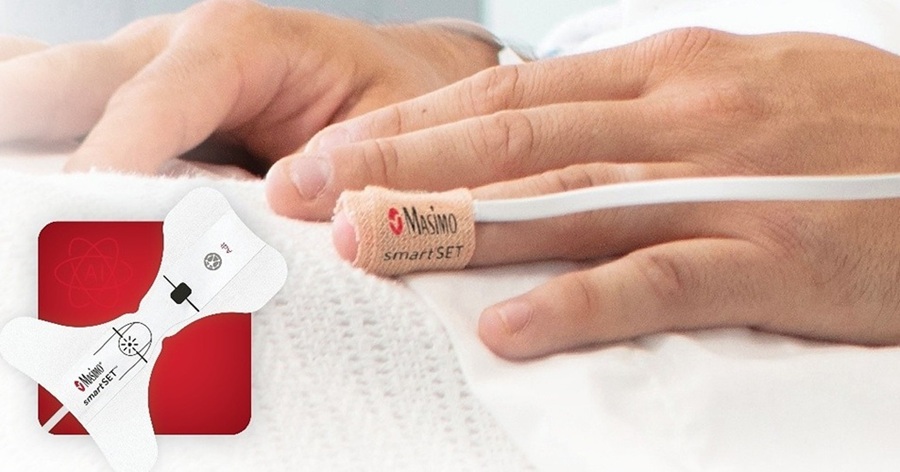
Smart Pulse Oximetry Supports Earlier Recognition of Arrhythmias and Respiratory Risk
On general care floors, respiratory compromise and arrhythmias can develop between routine checks. Atrial fibrillation often goes undiagnosed in older adults, while opioid-induced respiratory depression... Read morePatient Care
view channel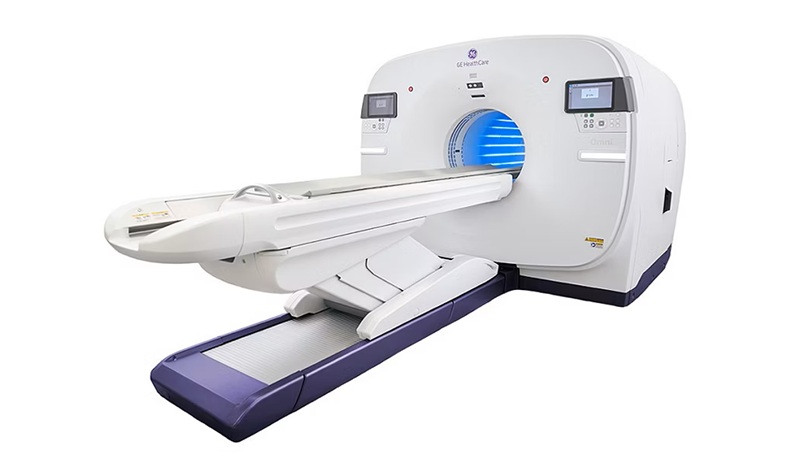
Total-Body PET/CT Scanner Enables One-Minute Diagnostic-Quality Cancer Imaging
Positron emission tomography/computed tomography (PET/CT) combines radiotracer-based functional imaging with anatomical detail to diagnose, stage, and monitor cancer. Conventional scanners image the body... Read more
AI Platform Personalizes Support Between Visits for Cancer Survivors
Cancer survivors often manage persistent side effects after treatment, including fatigue, anxiety, uncertainty, symptoms, stress, and questions between appointments. Clinical teams need ways to maintain... Read more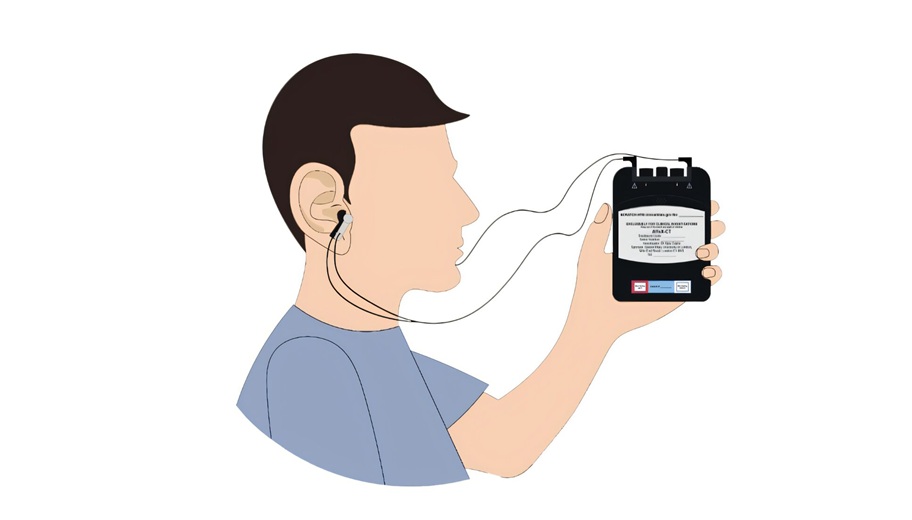
At-Home Neuromodulation Shows Promise in Selected Patients With Hypertension
High blood pressure is a major risk factor for cardiovascular disease, including heart attack and stroke. Many patients receiving treatment for hypertension still remain above recommended blood pressure... Read more
EHR Model Flags High-Risk Periods in Patients with Metastatic Breast Cancer
Determining when patients with metastatic breast cancer are nearing the end of life remains difficult, often leading to intensive interventions with limited benefit. Prognostic uncertainty can delay goals-of-care... Read moreMedical Imaging
view channel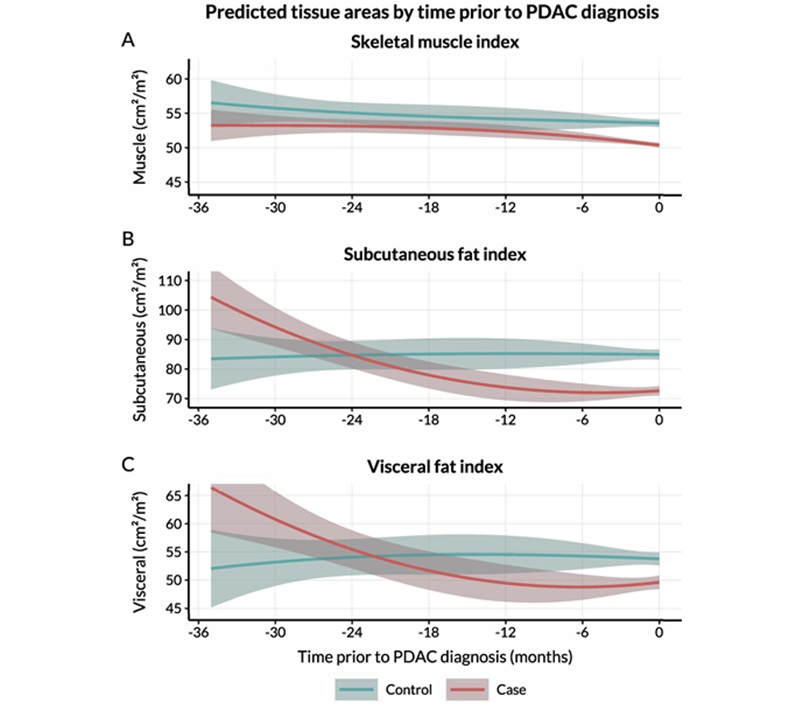
Routine CT Body Composition Tool Helps Identify Early Pancreatic Cancer Risk
Pancreatic ductal adenocarcinoma (PDAC), the most common type of pancreatic cancer, often goes undetected until it has spread. Surveillance programs primarily target people with inherited genetic risk... Read more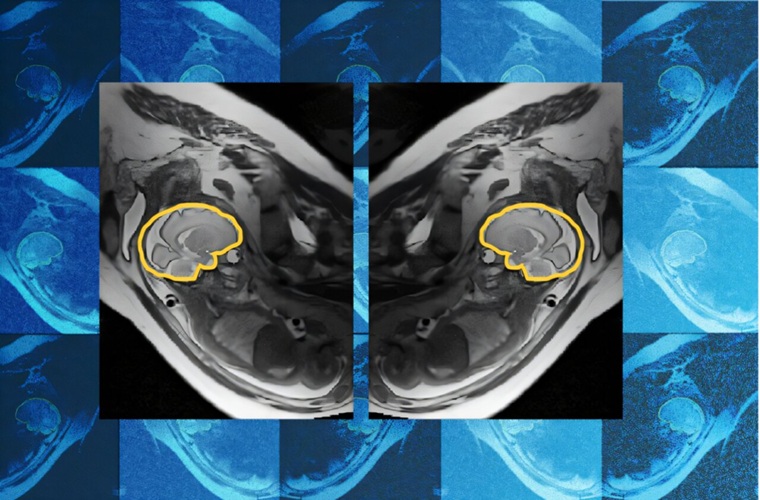
AI Tool Improves Fetal MRI for Brain Abnormality Diagnosis
Fetal brain abnormalities can be difficult to diagnose before birth when fetal motion reduces imaging quality. Routine ultrasound may flag a possible abnormality, prompting follow-up fetal MRI, but head... Read more
AI Model Detects Hidden Disease Signals in Routine CT Scans
Computed tomography (CT) scans are often performed to answer a specific diagnostic question, which can leave other potentially important findings outside the immediate clinical focus. As a result, opportunities... Read more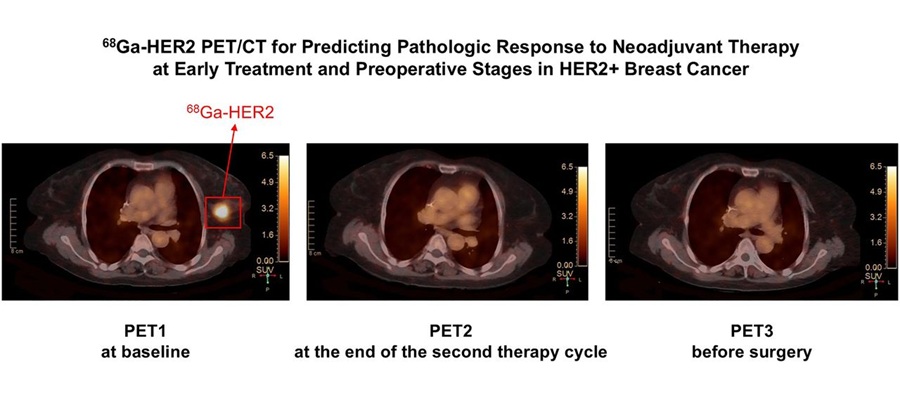
Targeted PET/CT Predicts Early Treatment Response in HER2-Positive Breast Cancer
HER2-positive breast cancer is an aggressive subtype that accounts for a substantial proportion of breast cancer cases. Patients often receive neoadjuvant therapy before surgery to shrink tumors, but assessing... Read moreHealth IT
view channel
EHR Alerts Support Dosing, Sedation, and Shock Recognition in Cardiac Care
Electronic health record alerts can add to clinician workload when they are poorly targeted. In critical cardiac care, however, delayed decisions can affect treatment timing, sedation exposure, and escalation... Read more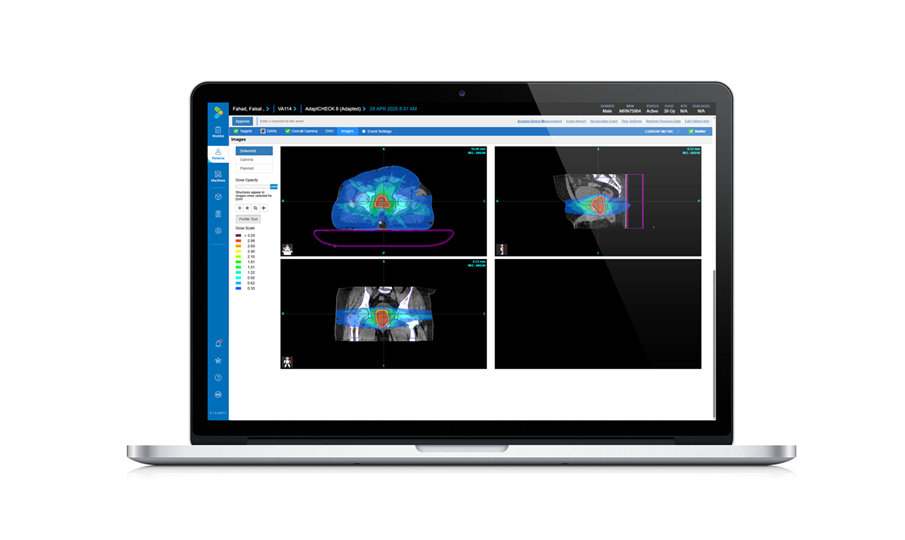
Adaptive Radiation QA Software Gains Validation for NeoArc Treatments
Adaptive radiation therapy allows clinicians to adjust treatment plans to daily anatomical changes such as tumor shrinkage, weight loss, or organ movement, improving precision while limiting exposure to... Read more

Point of Care
view channel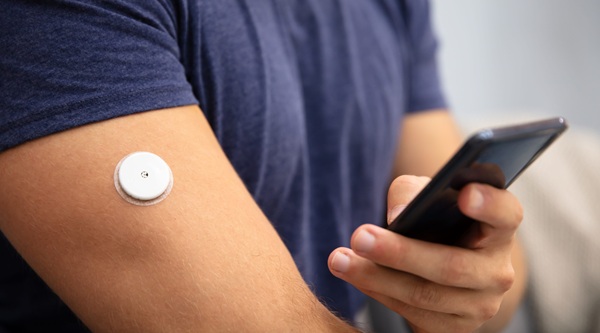
Continuous Glucose Monitoring Identifies Cardiometabolic Risk in Adults Without Diabetes
Dysglycemia—abnormal blood glucose regulation—can fluctuate throughout the day and often escape conventional screening. Clinicians typically rely on fasting plasma glucose and hemoglobin A1c, which offer... Read more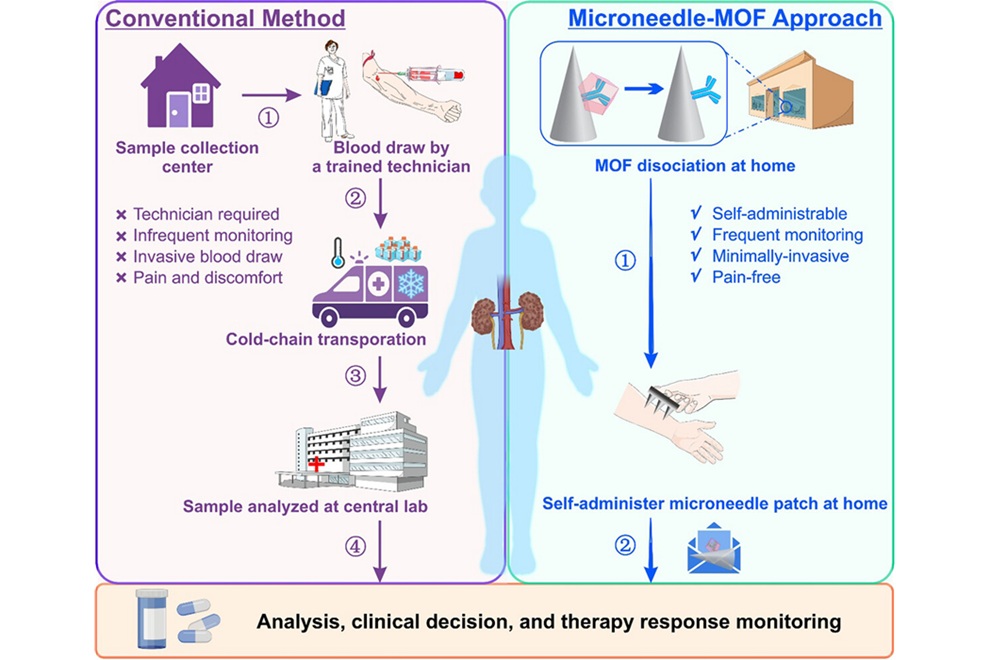
Microneedle Patch Enables At-Home Monitoring of Acute Kidney Injury
Kidney disease is often silent in its early stages, making timely detection difficult outside clinical settings. Early biomarkers such as neutrophil gelatinase–associated lipocalin can require blood draws... Read more
Business
view channel
Steris to Expand Surgical Safety Portfolio With $2.1 Billion Xodus Medical Deal
Steris has signed a definitive agreement to acquire Xodus Medical, a specialty surgical products business based in Pennsylvania, for $2.1 billion at closing. The acquisition will expand Steris’s healthcare... Read more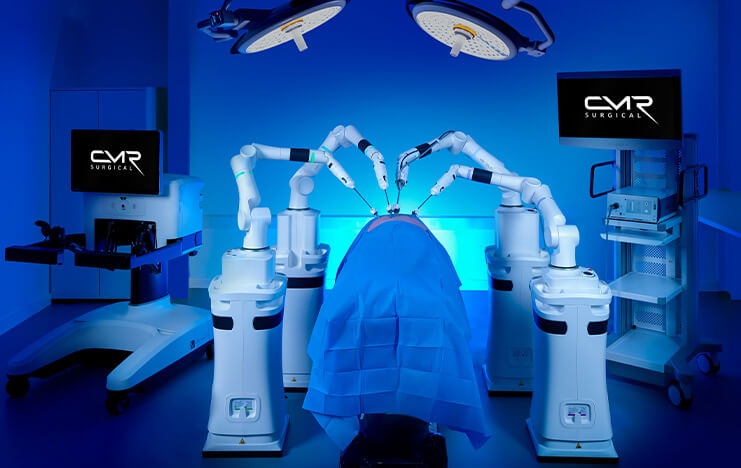
Stryker Enters Soft-Tissue Robotics Through Strategic Alliance With CMR Surgical
Stryker (Portage, MI, USA) and CMR Surgical (Cambridge, UK) have announced a strategic alliance centered on the Versius Surgical Robotic portfolio. The agreement includes an approximately USD 400 million... Read more
Terumo Neuro Acquisition Advances Liquid Embolic Technology for Chronic Subdural Hematoma
Terumo Neuro (Aliso Viejo, CA, USA) signed an agreement to acquire Arsenal Medical Inc. (Waltham, MA, USA), a privately held, clinical-stage biomaterials company. The proposed acquisition would add NeoCast,... Read more