


Rober Launches New Pediatric Pressure Care Mattress at MEDICA 2019
|
By HospiMedica International staff writers Posted on 20 Nov 2019 |


|

Image: AirFlex® TRIO (Photo courtesy of Rober Limited)
Rober Limited (Chesterfield, UK) launched its new innovative pediatric mattress, the AirFlex TRIO Junior at the MEDICA 2019 International Trade Fair on November 18-21 in Düsseldorf, Germany. The MEDICA is the world's largest medical trade fair for medical technology, electromedical equipment, laboratory equipment, diagnostics and pharmaceuticals. MEDICA 2019 drew over 6,000 exhibitors from 70 countries and 120,000 trade visitors from over 170 countries.
Rober develops state-of-the-art pressure care mattresses and specializes in the development and manufacture of ‘zero pressure’ technology. All Rober mattresses feature clinically-proven technology that prevents pressure injuries from developing. They also have therapeutic properties that promote the healing of established ulcers. Offering zero pressure protection, the mattresses replicate the body’s natural movements by responding to a patient’s weight, spontaneous movement pattern and body position. They provide enhanced comfort and complete pressure elimination at regular intervals.
Following months of feedback from its global partners, Rober has launched a three cell-cycle alternating pressure mattress replacement system designed to support children aged between 0 to 13 years old. Catering to a weight range between 0 to 60 kilograms, the AirFlex TRIO Junior mattress has been designed to be used as a pressure relieving support mattress in children’s hospitals and pediatric units worldwide. At MEDICA 2019, Rober also highlighted update to two of its key mattresses – NoDec AIRSTREAM3 and NoDec WIZARD – creating reduced height versions of the mattresses. The enhanced versions offer the same zero pressure as the originals but with a reduced height of 20cm to meet the BS EN 60601-2-52:2010 bed frame requirements of global hospitals.
“MEDICA is one of our key export events of the year so we are delighted to be launching our new mattresses at the exhibition,” said Mike Hutson, Chief Executive of Rober. “Like all our mattresses, the new AirFlex TRIO Junior is fully automatic, and anyone nursed upon it requires less frequent manual repositioning, thus relieving the pressure on busy nursing staff. It’s the first time we have used our technology to create a pediatric mattress so it’s an exciting time for us.”
Related Links:
Rober Limited




Rober develops state-of-the-art pressure care mattresses and specializes in the development and manufacture of ‘zero pressure’ technology. All Rober mattresses feature clinically-proven technology that prevents pressure injuries from developing. They also have therapeutic properties that promote the healing of established ulcers. Offering zero pressure protection, the mattresses replicate the body’s natural movements by responding to a patient’s weight, spontaneous movement pattern and body position. They provide enhanced comfort and complete pressure elimination at regular intervals.
Following months of feedback from its global partners, Rober has launched a three cell-cycle alternating pressure mattress replacement system designed to support children aged between 0 to 13 years old. Catering to a weight range between 0 to 60 kilograms, the AirFlex TRIO Junior mattress has been designed to be used as a pressure relieving support mattress in children’s hospitals and pediatric units worldwide. At MEDICA 2019, Rober also highlighted update to two of its key mattresses – NoDec AIRSTREAM3 and NoDec WIZARD – creating reduced height versions of the mattresses. The enhanced versions offer the same zero pressure as the originals but with a reduced height of 20cm to meet the BS EN 60601-2-52:2010 bed frame requirements of global hospitals.
“MEDICA is one of our key export events of the year so we are delighted to be launching our new mattresses at the exhibition,” said Mike Hutson, Chief Executive of Rober. “Like all our mattresses, the new AirFlex TRIO Junior is fully automatic, and anyone nursed upon it requires less frequent manual repositioning, thus relieving the pressure on busy nursing staff. It’s the first time we have used our technology to create a pediatric mattress so it’s an exciting time for us.”
Related Links:
Rober Limited

Gold Member
STI Test
Vivalytic Sexually Transmitted Infection (STI) Array
Hybrid Arch Device
Neo EDE
Digital Radiography System (Ceiling Free)
Digix CF Series
Latest Medica 2019 News
- Varex Highlights Advanced Imaging Components at MEDICA 2019
- Samsung Medison Exhibits New HERA I10 Combination Ultrasound System
- Medtronic Displays Patient Monitoring Systems at MEDICA 2019
- Healcerion Exhibits SONON Wireless Handheld Ultrasound at MEDICA 2019
- Hans Rudolph Exhibits Latest Range of Oro-Nasal Masks at MEDICA 2019
- EIZO Demonstrates CuratOR Alipe IP-Based Video Management Solution at MEDICA 2019
- Intersurgical Exhibits Full Range of Respiratory Products at MEDICA 2019
- GINEVRI Showcases Neonatal Incubators and Warmers at MEDICA 2019
- DuPont Introduces Next Generation of Wireless Wearable Monitoring Solutions
- Aerotel Medical Systems Showcases Full Range of RPM and Professional ECG Recorders
- Sony Unveils Latest End-to-End 4K3D/4K Surgical Imaging Solutions and Technologies
- Merivaara Showcases New Operating Room Innovations at MEDICA 2019
- DTR Medical Exhibits Range of Sterile Single-Use Instruments at MEDICA 2019
- MAVIG GmbH Showcases X-Ray Protective Clothing and Suspension Systems for Medical Equipment
- Huntleigh Healthcare Showcases Obstetrics Products and Software Systems at MEDICA 2019
- KUKA AG Presents First Collaborative Robot for Medical Sector at MEDICA 2019
Channels
Artificial Intelligence
view channel
Explainable AI Examines Sepsis Mortality Risk and Emergency Care Delays
Preventing sepsis-related deaths in emergency departments (EDs) remains challenging because patient deterioration can result from multiple rapidly evolving and interconnected factors. These include triage... Read more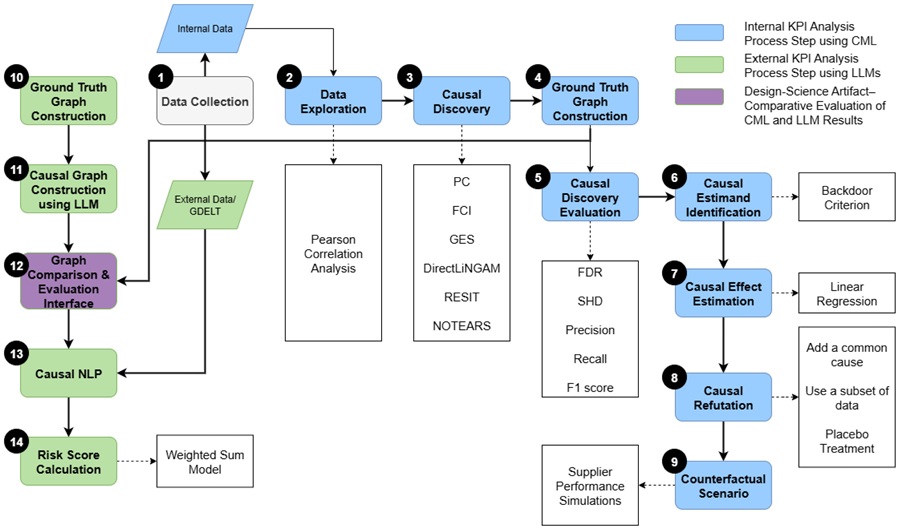
Causal AI Tool Withholds Ovarian Cancer Treatment Recommendations When Evidence Insufficient
Ovarian cancer treatment often requires individualized decisions, particularly when available patient data do not clearly favor one therapeutic approach. However, artificial intelligence (AI) systems may... Read more

Critical Care
view channel
Wearable Patch Enables Continuous Troponin Monitoring for Postoperative Cardiac Injury
Myocardial injury after noncardiac surgery (MINS) is heart muscle damage that occurs following procedures not involving the heart. Detecting MINS is challenging because most cases are asymptomatic and... Read more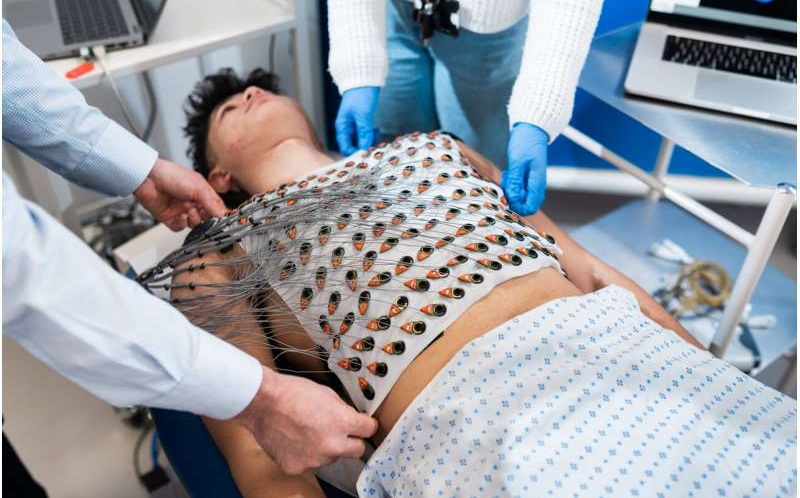
Wearable Heart Mapping May Help Identify Cardiovascular Hospitalization Risk
Cardiac scar tissue can develop when heart muscle cells die and fail to regenerate, often due to vascular blockages or age-related changes, even in individuals without a history of heart attack.... Read more

Surgical Techniques
view channel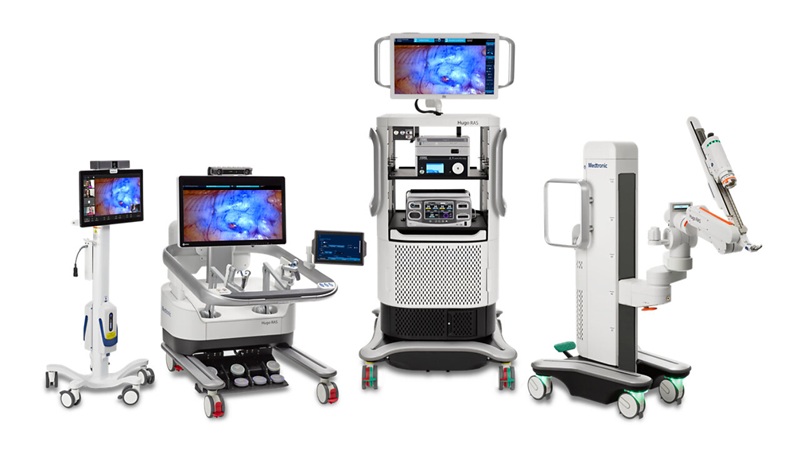
Modular Robotic Surgery System Cleared for General Surgery Procedures
Upper and lower abdominal procedures, including cholecystectomy, hernia repair, small-bowel resection, and gastric bypass, account for approximately 3.5 million operations annually in the U.... Read more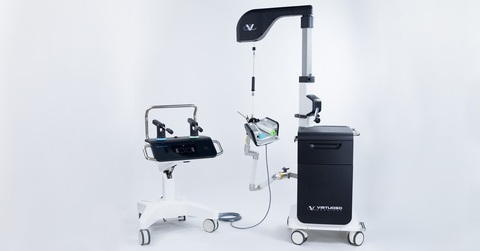
FDA Authorizes Robotic System for En Bloc Bladder Resection
Bladder cancer frequently recurs, making accurate staging essential for treatment planning. Conventional transurethral resection can fragment tumors, complicating margin assessment and detrusor muscle... Read more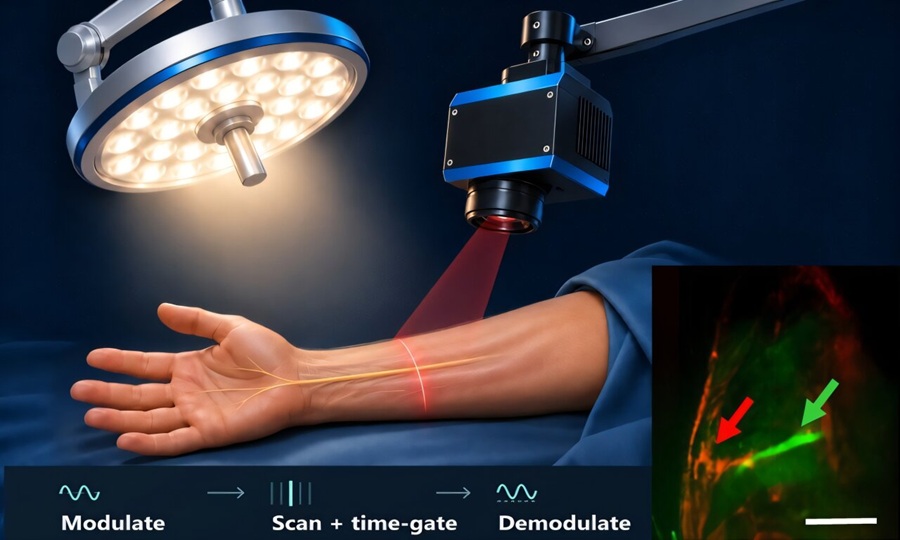
Fluorescence Imaging Reveals Nerves Under Normal Operating-Room Lighting
Preventing unintended nerve injury remains a major concern during surgery, particularly in complex anatomical regions where nerves can be difficult to distinguish from surrounding tissue.... Read more
Programmable Microwave Ablation System Gains CE Mark for Minimally Invasive Tissue Ablation
Hospitals continue to seek minimally invasive approaches that simplify procedural planning and provide controlled energy delivery for tissue ablation. Thermal ablation systems are used across multiple... Read morePatient Care
view channel
Virtual Reality Program May Reduce Anxiety Before Pediatric Surgery
Presurgery anxiety affects an estimated 50% to 75% of children undergoing surgery and can complicate anesthesia induction, increase postoperative pain, and prolong recovery. Sedation is often used to manage... Read more
Video-Based Support Helps Older Adults Clarify Kidney Disease Treatment Preferences
Advanced chronic kidney disease (CKD) involves progressive loss of kidney function that can lead to kidney failure and difficult treatment decisions. For older adults, these decisions may include choosing... Read more
Medical Imaging
view channel
AI Uses Routine MRI to Predict Deep Brain Stimulation Response in Dystonia
Dystonia is a debilitating neurological movement disorder characterized by involuntary muscle contractions that cause abnormal movements and postures. Deep brain stimulation (DBS) is one of the few treatments... Read more
AI Combines Brain Imaging Features to Identify Cognitive Impairment in CKD
Chronic kidney disease (CKD) can affect multiple organs, including the brain, with cognitive impairment emerging as a common complication. Changes in executive function, attention, and memory can reduce... Read more
AI Software Gains FDA Clearance for Brain Aneurysm Detection and Follow-Up
Unruptured intracranial aneurysms are often asymptomatic and can be difficult to detect on head computed tomography angiography, especially in busy acute-care workflows. Missed or delayed identification... Read more
Lung Ultrasound Predicts Progression of Interstitial Lung Abnormalities in Rheumatoid Arthritis
Interstitial lung abnormalities are a pulmonary concern in patients with rheumatoid arthritis, requiring monitoring to detect disease progression. However, tracking these changes often involves repeated... Read moreHealth IT
view channel
Telemonitoring Program Improves Quality of Life After Heart Failure Discharge
Heart failure is a chronic condition associated with high mortality, frequent hospitalizations, and reduced quality of life. Patients face particularly high risks of readmission and death after discharge,... Read more
Clinical Decision Support Tool Automates CKD Risk Assessment in Primary Care
Chronic kidney disease (CKD) requires timely diagnosis, risk assessment, and coordinated treatment in primary care. Delayed recognition can affect decisions about testing, blood pressure control, cardiovascular... Read more

Point of Care
view channel
Handheld Imaging Device May Help Identify Preterm Birth Risk Earlier
Preterm birth, defined as delivery before 37 weeks of pregnancy, can lead to serious neonatal complications, including neurological, developmental, and respiratory problems. However, identifying pregnancies... Read more
New Breath Condensate Testing Approach Enhances Reliability for COPD Monitoring
Chronic obstructive pulmonary disease (COPD) is a progressive lung condition that can increasingly impair breathing over time. Diagnosis and monitoring may be burdensome because patients often require... Read more
Continuous Glucose Monitoring Identifies Cardiometabolic Risk in Adults Without Diabetes
Dysglycemia—abnormal blood glucose regulation—can fluctuate throughout the day and often escape conventional screening. Clinicians typically rely on fasting plasma glucose and hemoglobin A1c, which offer... Read more
Business
view channel
Stryker Completes Acquisition to Broaden Shoulder Surgery Offerings
Stryker (Portage, MI, USA) has completed its acquisition of ZuriMED (Zurich, Switzerland), a privately held developer of the FiberLocker System, expanding its Sports Medicine portfolio with a commercialized... Read more