3D-Printed Surgical Table Could Make Procedures More Affordable and Accessible
|
By HospiMedica International staff writers Posted on 18 Jul 2022 |


|
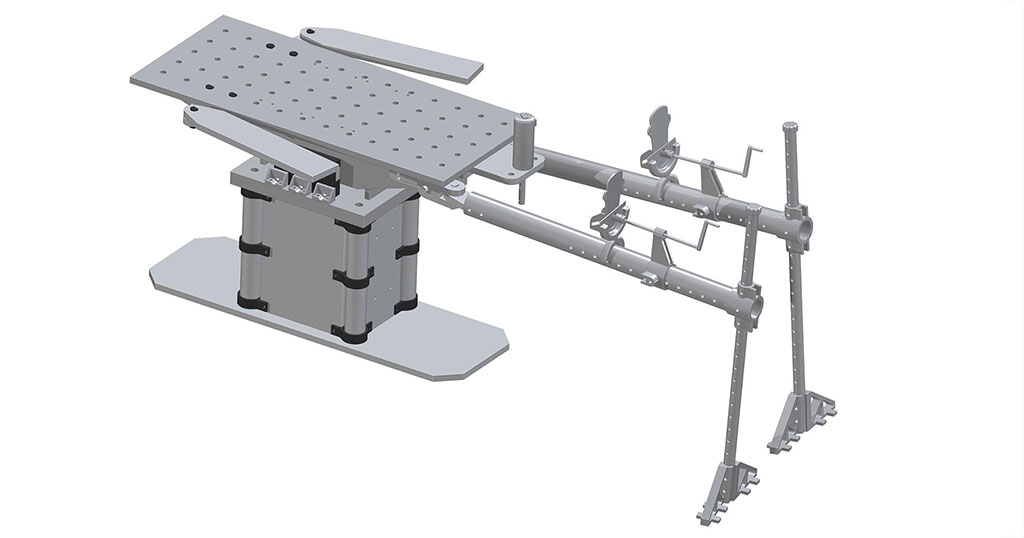
A fracture table helps to position the patient during surgery which frees up health-care workers from holding the patient in position while a procedure is being done. Nine of the World Bank’s priorities for cost-effective surgical procedures that should be universally available are orthopedic procedures. However, surgeries in many locations are limited partly due to the unaffordability of surgical tables. The capital cost of a surgical fracture table, for example, would generally cost more than USD 250,000. As a result, health-care workers do not always have the help and technology available to do even simple procedures. Now, a 3D-printed, functional surgical fracture table built at a fraction of what it would normally cost could have significant impact in the developing world, where the financial burden of medical equipment is a significant barrier to universal access to health care.
In a collaborative project between Western Engineering (Ontario, Canada) and Michigan Tech University (Houghton, MI, USA), researchers have developed an innovative, step-by-step, techniques to build a functionally comparable operating table using open-source hardware and 3D printing. The team used an open-source desktop 3D printer and made the necessary components for the cost-effective surgical table in a little over a week of continuous printing. The final constructed operating table costs just under USD 4,000, or a 98.5% savings compared to commercially available systems, thus radically increasing both affordability as well as accessibility. The open-source surgical fracture table can assist surgeons to complete a wide range of orthopedic procedures as well as general surgical procedures, gynecological procedures and childbirth. ‘Open-source’ refers to the license for a publicly accessible design that anyone can modify, use and share. It uses materials that are widely available worldwide and the specialty components required are easily 3D printed.
The open-source fracture table can be adjusted 90 to 116 cm in height and tilted from +/-15 degrees. The leg height ranges from 31 to 117 cm, the arm supports and foot holder both have a 180-degree range, the foot traction has a 54 cm range, and the legs can be adjusted from 55 to 120 degrees. Geometrically flexible to allow for a wide array of common surgeries, the open source surgical table has a weight capacity of more than 130 kg, is radiolucent (permeable to X-rays) in surgical zones, and is completely modular and upgradeable. The table is mechanically adjustable so it does not require electricity, however, surgical staff will need to be trained on how to perform needed adjustments during surgery.
Being open-source, the surgical fracture table can be improved and built even more cost-effectively. Ideally, the table design is useful to hospitals that might otherwise be unable to afford one. And as the design of the table is freely available, the table can be built, used and repaired on location. As surgeons and other health-care workers find a need for further attachments and modifications, they can add to the functionality of the design, either by designing a modification themselves, or by describing what they would like to see in the design and having others contribute to these designs.
“We want everyone in the world to have cost-effective medical care and this is one step on the path to getting us there,” said Joshua Pearce, John M. Thompson Chair in Information Technology and Innovation at Western University. “And if we help those who are financially less fortunate with acquiring high-performance medical equipment, we will also be making better medical tools for ourselves at a lower cost, so really, everyone wins. Designs can be shared digitally and replicated with digital manufacturing like 3D printing anywhere in the world. We’re right at the start of a decentralized manufacturing revolution.”
“Medical technology is absurdly expensive. One way we can help reduce costs is to enable all manufacturers to build these, sell them directly, and to integrate some of the innovations, like the use of the radiolucent 3D-printed parts we made into their own designs,” added Pearce. “This is in no way the final fracture table. I’m sure any decent engineer could look at it and make it a little bit better and that’s exactly what it’s meant to do – to be a starting point for other people to build on.”
Related Links:
Western Engineering
Michigan Tech University





Latest Surgical Techniques News
- 3D Map of Heart Electrical Wiring Aims to Guide Congenital Heart Repair
- Small Cryoprobe Outperforms Forceps in Lung Biopsy Trial
- Natural Bypass Score May Guide Care in Chronic Coronary Blockages
- Navigation Instruments Cleared for Posterior Cervical Fusion Procedures
- Bioengineered Heart Patch Improves Cardiac Function in Advanced Heart Failure
- Fracture Plating System Combines Anatomical Fit with Streamlined Instrumentation
- Surgical Robotic System Gains CE Mark for Minimally Invasive Procedures
- Pink Noise Stimulation Approach Could Support Safer Anesthesia
- BD Launches Elyra Laser Platform for Kidney Stone and Soft Tissue Procedures
- Anesthesia-Sparing System Targets Faster Ureteral Stone Treatment
- Stretchable Bioelectronic Implant Lowers Blood Pressure in Preclinical Study
- FDA-Cleared Nerve Stimulator Advances Intraoperative Peripheral Nerve Assessment
- Intravascular Lithotripsy Catheter Advances Treatment of Calcified Coronary Disease
- Handheld AI Endomicroscope Enables Real-Time Precancer Detection at Point of Care
- Photoacoustic Imaging System Maps Hidden Nerves and Vessels in Robotic Laparoscopy
- Smart Soft Sensors Provide Real-Time Force Feedback in Minimally Invasive Surgery
Channels
Artificial Intelligence
view channel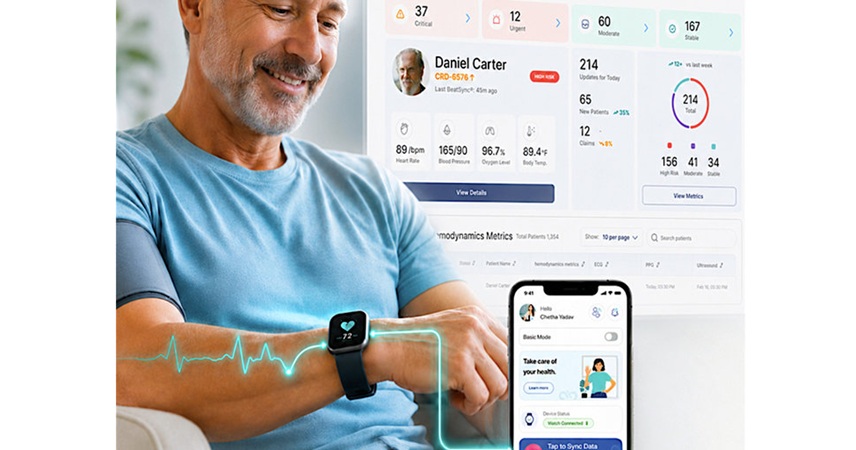
AI Platform Supports Noninvasive Remote Hemodynamic Monitoring in Heart Failure
Heart failure remains a leading cause of hospitalization in adults over 65, affecting more than 6.7 million people in the U.S. Clinicians often lose visibility into hemodynamic deterioration once patients... Read more
AI Tool Predicts Unplanned Care and Symptom Burden in Cancer Survivors
Unplanned emergency visits and hospitalizations remain common in cancer survivorship, when routine clinical contact often tapers while new symptoms emerge. These events reflect unmet needs and disrupt... Read more

Critical Care
view channel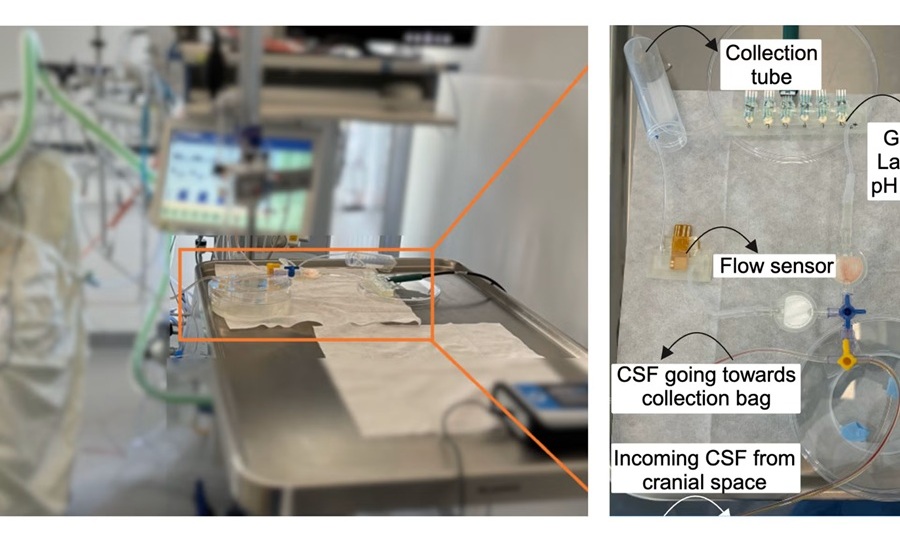
Bedside CSF Monitor Detects Early Infection in Fluid Drains
External drainage of cerebrospinal fluid (CSF) after traumatic brain injury, hydrocephalus, or hemorrhage carries a significant risk of infection. These infections can prolong intensive care, cause severe... Read more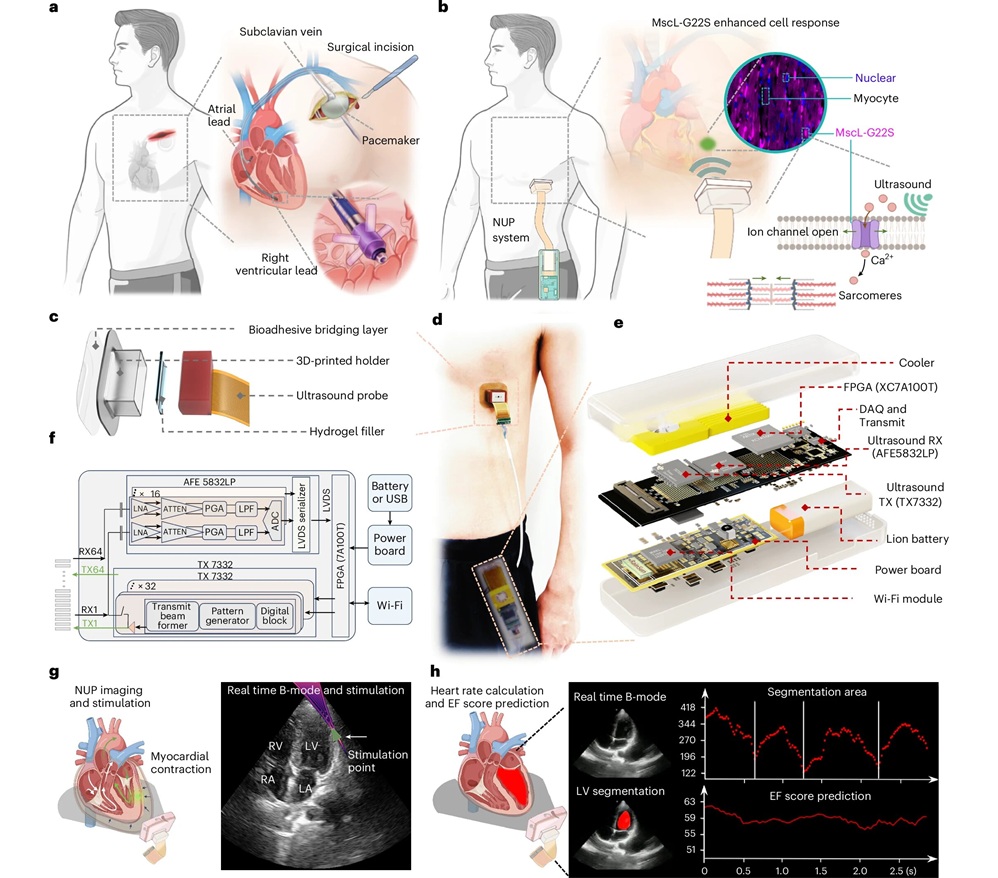
Wearable Ultrasound Patch Noninvasively Paces Heart to Stabilize Arrhythmias
Cardiac arrhythmias, including slow and irregular heart rhythms, often require pacemakers that are surgically implanted. While effective, implants carry procedural risks and long-term device maintenance burdens.... Read more
AI-Guided System Supports Cardiac Ultrasound Training on Cart-Based Systems
Cardiac ultrasound adoption in frontline settings often lags despite widespread investment in ultrasound equipment. Many systems sit underused for cardiac imaging because acquiring standard views requires... Read more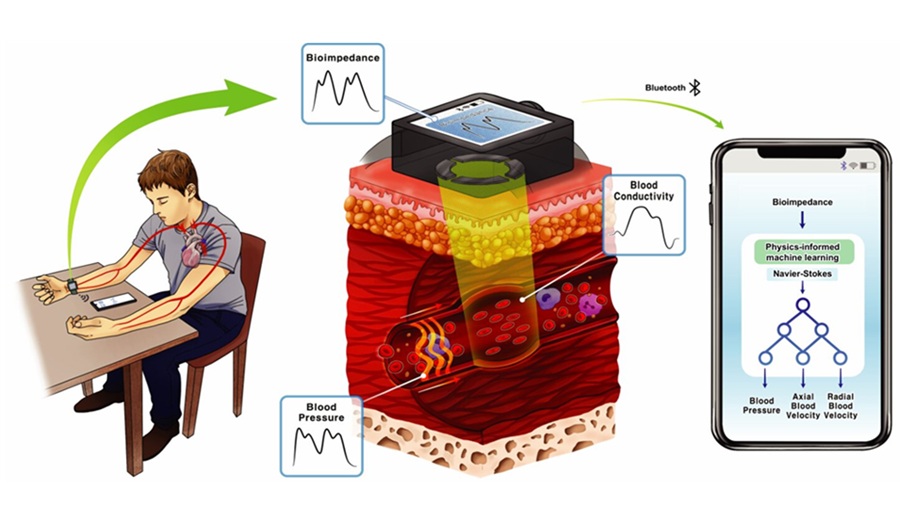
Cuffless Wearable Enables Continuous Blood Pressure Monitoring for Hypertension Care
Hypertension, or chronically elevated blood pressure, drives major risks for heart attack and stroke yet is typically assessed with intermittent cuff readings. These snapshots miss rapid physiologic changes... Read morePatient Care
view channel
AI Avatar Doctor Improves Patient Understanding Before Radiotherapy
Radiation oncology consultations require patients to grasp complex concepts quickly, yet anxiety and information overload often undermine understanding and informed consent. Poor comprehension can also... Read more
Wearable Sleep Data Predict Adherence to Pulmonary Rehabilitation
Chronic obstructive pulmonary disease (COPD) is a long-term lung disorder that makes breathing difficult and often disturbs sleep, reducing energy for daily activities. Limited engagement in pulmonary... Read more

Health IT
view channel
AI-Native EHR Achieves EU Medical Device Certification
InterSystems (Boston, MA, USA) announced that its IntelliCare electronic health record (EHR) solutions have been certified as Class IIa medical devices under the European Union Medical Device Regulation... Read more
EHR-Integrated Screening Workflow Detects Cognitive Impairment at Admission
Cognitive impairment involves difficulties with thinking, learning, memory, and decision-making, and is more common in older adults. In U.S. hospitals, more than 40% of admitted older adults have dementia,... Read more

Point of Care
view channel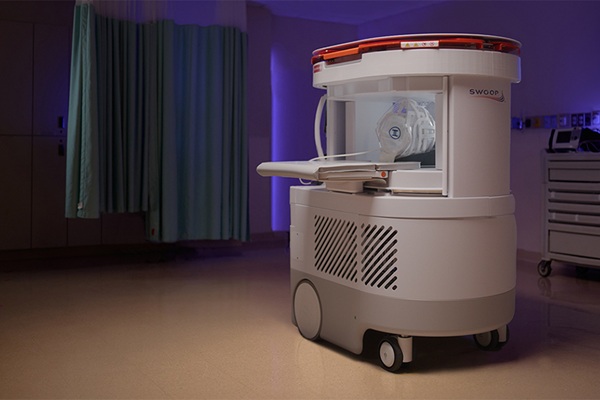
Portable MRI System Accelerates Emergency Brain Imaging and Triage
Emergency departments frequently face delays accessing conventional magnetic resonance imaging (MRI) for patients with suspected neurological emergencies. Such waits can slow triage, prolong boarding,... Read more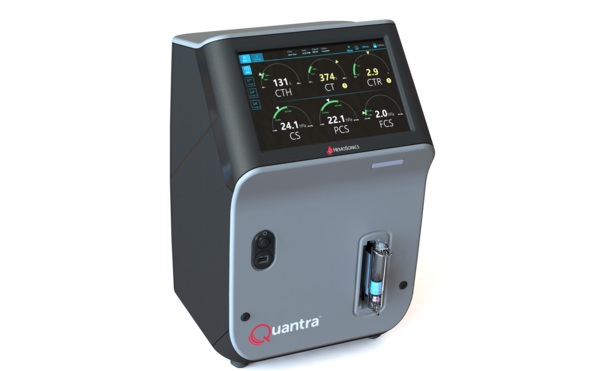
Point-of-Care Viscoelastic Testing System Supports Obstetric Bleeding Management
HemoSonics (Durham, NC, USA) announced on May 5, 2026 that the company's Quantra Hemostasis System for Obstetric Procedures won Silver in the 2026 Edison Awards in the Women’s Health and Reproductive Innovations... Read more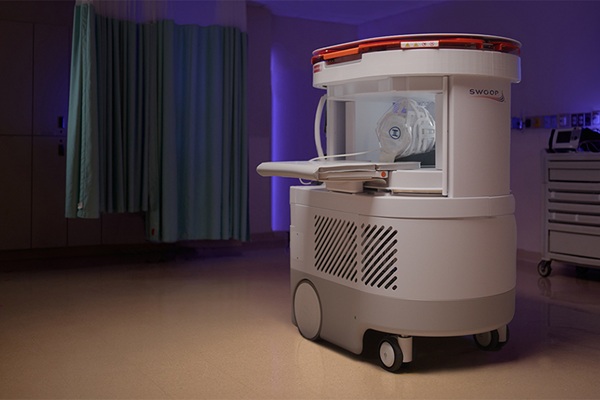

Business
view channel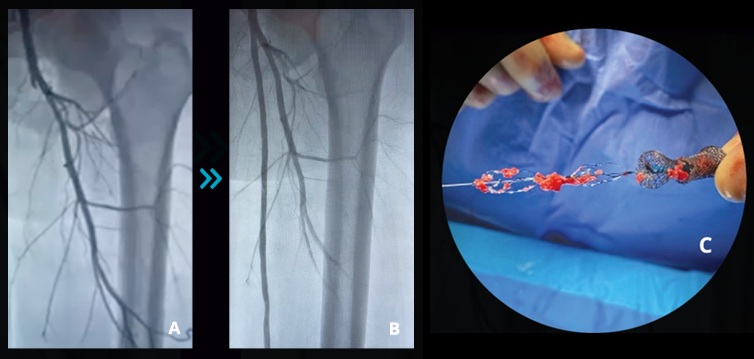
Endologix Adds FDA-Cleared Peripheral Thrombectomy System
Endologix (Santa Rosa, CA, USA) has acquired the Pounce Thrombectomy System from Surmodics, with the transaction closing on May 18, 2026. The FDA-cleared system is indicated for the non-surgical removal... Read more