






“Black Box” Recorder Monitors Operating Rooms 
|
By HospiMedica International staff writers Posted on 29 Jul 2014 |


|
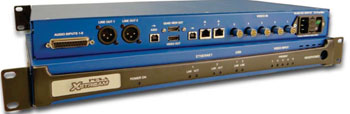
Image: The PESA Xstream “Black box” for operating rooms (Photo courtesy of PESA).
A “black box,” similar to that used in the airline industry, could improve patient safety and outcomes by identifying where errors occur in the operating room (OR) and teaching surgeons how to prevent them.
Developed at St. Michael’s Hospital (Toronto, ON, Canada), in collaboration with Air Canada (Montreal, Canada) the “black box” records almost everything that is happening in the OR, such as vital signs, a video of the OR, a video feed from the endoscope used in the surgical procedure, conversations among health care workers, room temperature, and decibel levels. Based on the PESA (Huntsville, AL, USA) X-stream multipath streaming media recorder, the technology is currently being used for minimally invasive surgery (MIS), but could be expanded for open surgeries as well.
Patients must give their consent before the black box is used during their surgery, as do members of the surgical team, including theater nurses. In a preliminary review of the data recorded on the device, the researchers have found that 84% of errors during gastric bypass MIS procedures occurred during the same two stages - suturing and grafting the bowel. The device has been in use at St. Michael’s since April 2014, and is also being tested at two hospitals in Copenhagen (Denmark), with more international sites to be involved soon.
“We want to see where errors happen in surgery so that we can understand how errors lead to adverse events and develop training curricula to prevent these errors from ever happening again,” said device developer surgeon Teodor Grantcharov, MD. “It doesn’t mean that we will have perfect surgeries, because we are not perfect. But it means we will learn from our errors, which will make us safer. We will train future surgeons better because we can show them what the most critical situations are and how to avoid them.”
“For surgeons, we will have data that will allow better coaching and improvements, and therefore better patient care. We will reduce the risk and complications and show how to make the OR more efficient, which will also allow us to save money and do more cases,” added Dr. Grantcharov. He also added that he hoped his black box would bring more transparency to the OR for patients, and help change the “blame-and-shame” culture that traditionally has made doctors and nurses reluctant to report mistakes.
Related Links:
St. Michael’s Hospital
Air Canada
PESA





Developed at St. Michael’s Hospital (Toronto, ON, Canada), in collaboration with Air Canada (Montreal, Canada) the “black box” records almost everything that is happening in the OR, such as vital signs, a video of the OR, a video feed from the endoscope used in the surgical procedure, conversations among health care workers, room temperature, and decibel levels. Based on the PESA (Huntsville, AL, USA) X-stream multipath streaming media recorder, the technology is currently being used for minimally invasive surgery (MIS), but could be expanded for open surgeries as well.
Patients must give their consent before the black box is used during their surgery, as do members of the surgical team, including theater nurses. In a preliminary review of the data recorded on the device, the researchers have found that 84% of errors during gastric bypass MIS procedures occurred during the same two stages - suturing and grafting the bowel. The device has been in use at St. Michael’s since April 2014, and is also being tested at two hospitals in Copenhagen (Denmark), with more international sites to be involved soon.
“We want to see where errors happen in surgery so that we can understand how errors lead to adverse events and develop training curricula to prevent these errors from ever happening again,” said device developer surgeon Teodor Grantcharov, MD. “It doesn’t mean that we will have perfect surgeries, because we are not perfect. But it means we will learn from our errors, which will make us safer. We will train future surgeons better because we can show them what the most critical situations are and how to avoid them.”
“For surgeons, we will have data that will allow better coaching and improvements, and therefore better patient care. We will reduce the risk and complications and show how to make the OR more efficient, which will also allow us to save money and do more cases,” added Dr. Grantcharov. He also added that he hoped his black box would bring more transparency to the OR for patients, and help change the “blame-and-shame” culture that traditionally has made doctors and nurses reluctant to report mistakes.
Related Links:
St. Michael’s Hospital
Air Canada
PESA

Gold Member
SARS‑CoV‑2/Flu A/Flu B/RSV Sample-To-Answer Test
SARS‑CoV‑2/Flu A/Flu B/RSV Cartridge (CE-IVD)
New
POC Respiratory/Sore Throat Test
BIOFIRE SPOTFIRE (R/ST) Panel
New
Gas Analyzer
GE SAM
Channels
Artificial Intelligence
view channel
Machine Learning Approach Enhances Liver Cancer Risk Stratification
Hepatocellular carcinoma, the most common form of primary liver cancer, is often detected late despite targeted surveillance programs. Current screening guidelines emphasize patients with known cirrhosis,... Read more
New AI Approach Monitors Brain Health Using Passive Wearable Data
Brain health spans cognitive and emotional functions and can fluctuate even in adults without diagnosed disease. Detecting early changes remains difficult in routine care and burdens specialty services... Read more
Critical Care
view channel
Automated IV Labeling Solution Improves Infusion Safety and Efficiency
Medication administration in high-acuity settings is often complicated by multiple concurrent infusions, making accurate line identification essential. In a 10-hospital intensive care unit study, 60% of... Read more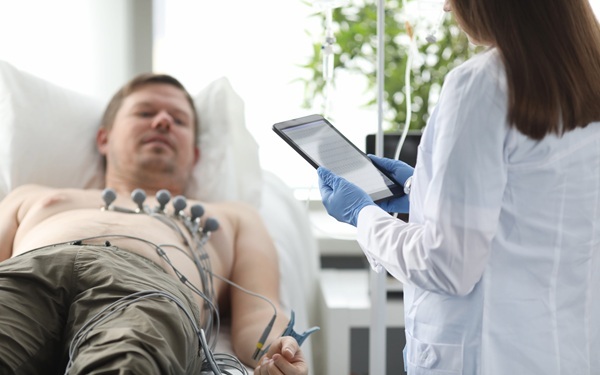
First-Of-Its-Kind AI Tool Detects Pulmonary Hypertension from Standard ECGs
Pulmonary hypertension is a progressive, life‑threatening disease that is frequently missed early because symptoms such as dyspnea are nonspecific and diagnostic delays can exceed two years.... Read more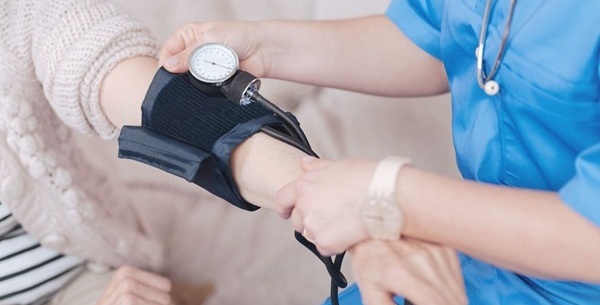
Surgical Techniques
view channel
Continuous Monitoring with Wearables Enhances Postoperative Patient Safety
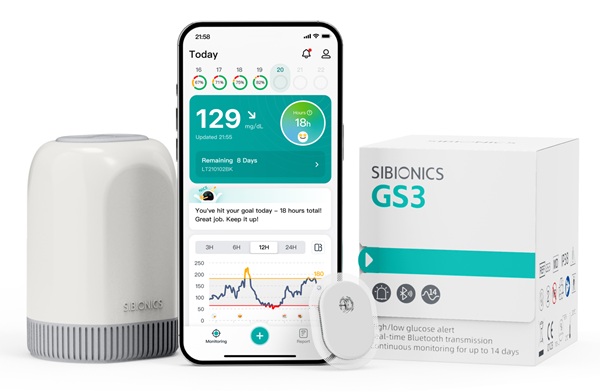
Postoperative hypoxemia on general surgical wards is common and often missed by intermittent vital sign checks. Undetected low oxygen levels can delay recovery and raise the risk of complications that... Read more
New Approach Enables Customized Muscle Tissue Without Biomaterial Scaffolds
Volumetric muscle loss is a traumatic loss of skeletal muscle that often leads to permanent functional impairment and limited reconstructive options. Current experimental strategies struggle to deliver... Read more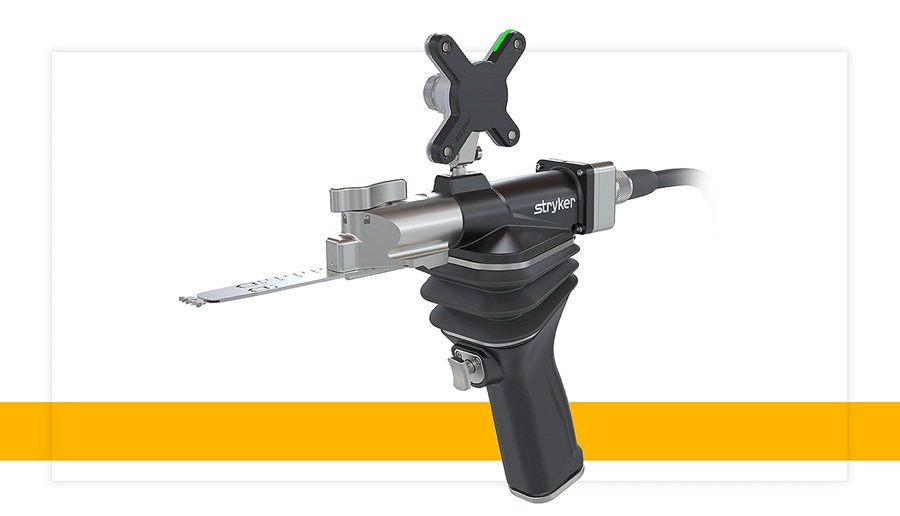
Patient Care
view channel
Wearable Sleep Data Predict Adherence to Pulmonary Rehabilitation
Chronic obstructive pulmonary disease (COPD) is a long-term lung disorder that makes breathing difficult and often disturbs sleep, reducing energy for daily activities. Limited engagement in pulmonary... Read more
Revolutionary Automatic IV-Line Flushing Device to Enhance Infusion Care
More than 80% of in-hospital patients receive intravenous (IV) therapy. Every dose of IV medicine delivered in a small volume (<250 mL) infusion bag should be followed by subsequent flushing to ensure... Read more


Business
view channel
GE HealthCare Leads Major European Initiative to Advance Cardio-Oncology Care
Cardiovascular complications are increasingly recognized among people undergoing or recovering from cancer treatment, driven by pre‑existing disease and the cardiotoxic effects of chemotherapy, radiotherapy,... Read more

