Transverse Connector Stabilizes Non-Cervical Spine Surgery
|
By HospiMedica International staff writers Posted on 01 Sep 2016 |


|
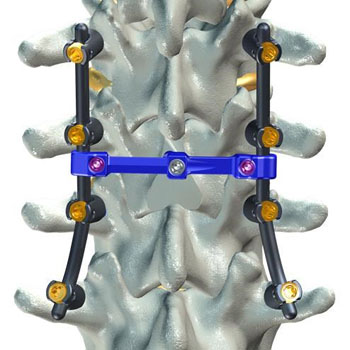
Image: The Connect-L Transverse Connector (Photo courtesy of DeGen Medical).
A new transverse connector provides improved construct stability and rigid fixation to posterior pedicle screw surgery by interconnecting vertical rods.
The Connect-L transverse connector is small, low profile, stabilizing bar intended for use with the proprietary F1 MPS Modular Pedicle Screw System, which provides immobilization and stabilization of posterior thoraco-lumbar-sacral spine surgeries. With pre-assembled or modular screws, straight or curved rods, and titanium or cobalt-chrome rods, it allows the surgeon intra-operative flexibility for bone grafting and screw placement. The screw thread is specifically engineered to combine the option for standard or cortical screw placement.
The Connect-L transverse connector for the system includes both fixed and variable sizes, with the variable option offering six degrees of freedom, thus allowing additional maneuverability for complex spinal stabilization procedures. The Connect-L transverse connector and F1 MPS Modular Pedicle Screw System are products of DeGen Medical (Florence, SC, USA), and have been approved by the U.S. Food and Drug Administration (FDA).
“The modularity of the F1 MPS system makes it easier to visualize structures, allows for less muscle damage and better preparation of fusion bed for faster recovery,” said Daniel Williams, MD, of First Health Moore Regional Hospital (Pinehurst, NC, USA), who performed the first two-level posterior lumbar fusion surgery with the system. “Being a modular system it's designed with simplicity of instrumentation for the surgeon and the techs, and, that’s what makes DeGen Medical F1 MPS unique.”
Pedicle screw systems provide a means of gripping a spinal segment, acting as firm anchor points that can then be connected with a rod. The screws are placed at two or three consecutive spine segments and then a short rod is used to connect the screws; this construct prevents motion at the segments that are being fused. After the bone graft grows, the screws and rods are no longer needed for stability and may be safely removed with a subsequent back surgery. However, most surgeons do not recommend removal unless the pedicle screws cause discomfort for the patient.
Related Links:
DeGen Medical






The Connect-L transverse connector is small, low profile, stabilizing bar intended for use with the proprietary F1 MPS Modular Pedicle Screw System, which provides immobilization and stabilization of posterior thoraco-lumbar-sacral spine surgeries. With pre-assembled or modular screws, straight or curved rods, and titanium or cobalt-chrome rods, it allows the surgeon intra-operative flexibility for bone grafting and screw placement. The screw thread is specifically engineered to combine the option for standard or cortical screw placement.
The Connect-L transverse connector for the system includes both fixed and variable sizes, with the variable option offering six degrees of freedom, thus allowing additional maneuverability for complex spinal stabilization procedures. The Connect-L transverse connector and F1 MPS Modular Pedicle Screw System are products of DeGen Medical (Florence, SC, USA), and have been approved by the U.S. Food and Drug Administration (FDA).
“The modularity of the F1 MPS system makes it easier to visualize structures, allows for less muscle damage and better preparation of fusion bed for faster recovery,” said Daniel Williams, MD, of First Health Moore Regional Hospital (Pinehurst, NC, USA), who performed the first two-level posterior lumbar fusion surgery with the system. “Being a modular system it's designed with simplicity of instrumentation for the surgeon and the techs, and, that’s what makes DeGen Medical F1 MPS unique.”
Pedicle screw systems provide a means of gripping a spinal segment, acting as firm anchor points that can then be connected with a rod. The screws are placed at two or three consecutive spine segments and then a short rod is used to connect the screws; this construct prevents motion at the segments that are being fused. After the bone graft grows, the screws and rods are no longer needed for stability and may be safely removed with a subsequent back surgery. However, most surgeons do not recommend removal unless the pedicle screws cause discomfort for the patient.
Related Links:
DeGen Medical

Gold Member
Neonatal Heel Incision Device
Tenderfoot
Gold Member
Handheld Blood Glucose Analyzer
STAT-Site
Resorbable Bovine Collagen Membrane
GenDerm
Glucose Meter
StatStrip®
Latest Surgical Techniques News
- Bioengineered Heart Patch Improves Cardiac Function in Advanced Heart Failure
- Fracture Plating System Combines Anatomical Fit with Streamlined Instrumentation
- Surgical Robotic System Gains CE Mark for Minimally Invasive Procedures
- Pink Noise Stimulation Approach Could Support Safer Anesthesia
- BD Launches Elyra Laser Platform for Kidney Stone and Soft Tissue Procedures
- Anesthesia-Sparing System Targets Faster Ureteral Stone Treatment
- Stretchable Bioelectronic Implant Lowers Blood Pressure in Preclinical Study
- FDA-Cleared Nerve Stimulator Advances Intraoperative Peripheral Nerve Assessment
- Intravascular Lithotripsy Catheter Advances Treatment of Calcified Coronary Disease
- Handheld AI Endomicroscope Enables Real-Time Precancer Detection at Point of Care
- Photoacoustic Imaging System Maps Hidden Nerves and Vessels in Robotic Laparoscopy
- Smart Soft Sensors Provide Real-Time Force Feedback in Minimally Invasive Surgery
- Advanced Endoscopy Platform Targets Challenging Upper GI Procedures
- Ultrasonic Fine-Needle Biopsy Tool Improves Salivary Gland Tumor Diagnosis
- Robotic Microsurgery System Gains CE Mark for Clinical Use in Europe
- New Endoscopic Device Offers Minimally Invasive Approach to Obesity Management
Channels
Artificial Intelligence
view channel
AI Platform Supports Noninvasive Remote Hemodynamic Monitoring in Heart Failure
Heart failure remains a leading cause of hospitalization in adults over 65, affecting more than 6.7 million people in the U.S. Clinicians often lose visibility into hemodynamic deterioration once patients... Read more
AI Tool Predicts Unplanned Care and Symptom Burden in Cancer Survivors
Unplanned emergency visits and hospitalizations remain common in cancer survivorship, when routine clinical contact often tapers while new symptoms emerge. These events reflect unmet needs and disrupt... Read more

Critical Care
view channel
Regenerative Therapies Aim to Support Recovery After Traumatic Brain Injury
Traumatic brain injury (TBI) is brain damage caused by an external force that impairs function and can trigger delayed inflammatory and vascular cascades. It is a leading cause of disability and death... Read more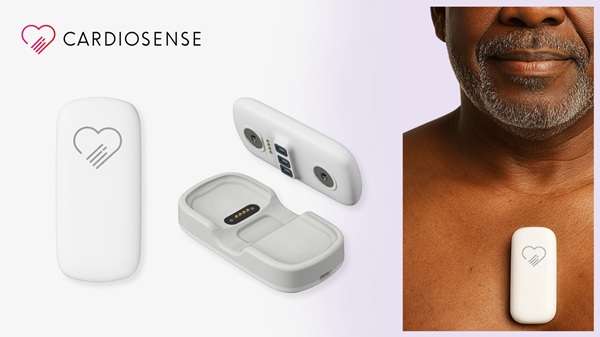
Noninvasive AI Tool Enables Pressure-Guided Heart Failure Management
Heart failure often progresses to acute decompensation as fluid builds up, leading to hospitalizations and frequent readmissions. Pulmonary capillary wedge pressure (PCWP) is a key hemodynamic marker that... Read more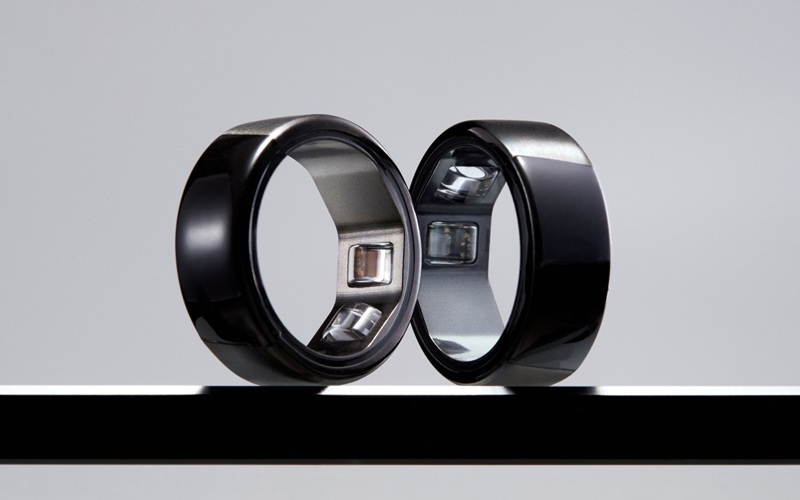
Ring-Type Cuffless Monitor Becomes First Added to Official Hypertension Guidelines
Detecting nocturnal and morning hypertension often requires out-of-office assessment, but conventional cuff-type monitors can disrupt sleep. New national guidance in South Korea expands 24-hour monitoring... Read more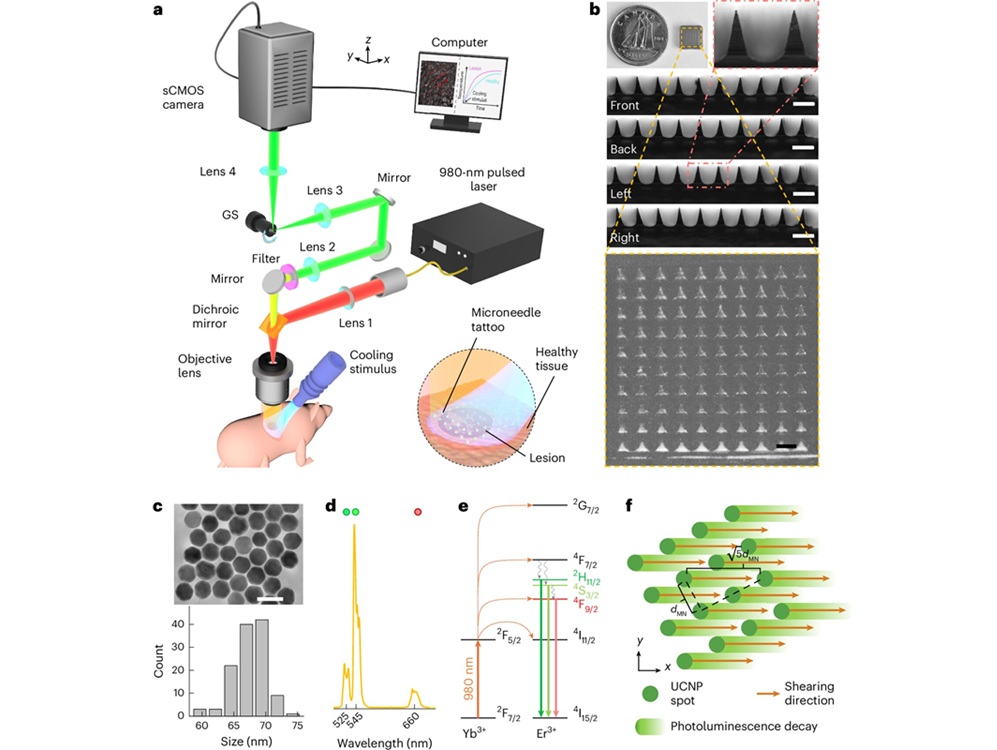
Patient Care
view channel
AI Avatar Doctor Improves Patient Understanding Before Radiotherapy
Radiation oncology consultations require patients to grasp complex concepts quickly, yet anxiety and information overload often undermine understanding and informed consent. Poor comprehension can also... Read more
Wearable Sleep Data Predict Adherence to Pulmonary Rehabilitation
Chronic obstructive pulmonary disease (COPD) is a long-term lung disorder that makes breathing difficult and often disturbs sleep, reducing energy for daily activities. Limited engagement in pulmonary... Read more

Health IT
view channel
AI-Native EHR Achieves EU Medical Device Certification
InterSystems (Boston, MA, USA) announced that its IntelliCare electronic health record (EHR) solutions have been certified as Class IIa medical devices under the European Union Medical Device Regulation... Read more
EHR-Integrated Screening Workflow Detects Cognitive Impairment at Admission
Cognitive impairment involves difficulties with thinking, learning, memory, and decision-making, and is more common in older adults. In U.S. hospitals, more than 40% of admitted older adults have dementia,... Read more

Point of Care
view channel
Portable MRI System Accelerates Emergency Brain Imaging and Triage
Emergency departments frequently face delays accessing conventional magnetic resonance imaging (MRI) for patients with suspected neurological emergencies. Such waits can slow triage, prolong boarding,... Read more
Point-of-Care Viscoelastic Testing System Supports Obstetric Bleeding Management
HemoSonics (Durham, NC, USA) announced on May 5, 2026 that the company's Quantra Hemostasis System for Obstetric Procedures won Silver in the 2026 Edison Awards in the Women’s Health and Reproductive Innovations... Read more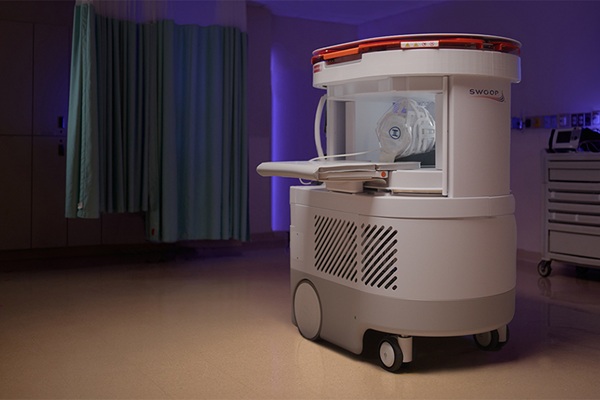

Business
view channel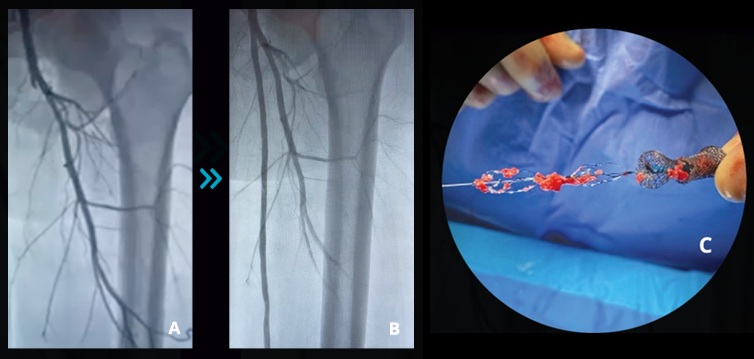
Endologix Adds FDA-Cleared Peripheral Thrombectomy System
Endologix (Santa Rosa, CA, USA) has acquired the Pounce Thrombectomy System from Surmodics, with the transaction closing on May 18, 2026. The FDA-cleared system is indicated for the non-surgical removal... Read more