Siemens Healthineers Announces Availability of Molecular Fast Track Diagnostics SARS-CoV-2 Assay Test Kit
|
By HospiMedica International staff writers Posted on 02 Apr 2020 |


|

Illustration
Siemens Healthineers (Erlangen, Germany) has released its molecular Fast Track Diagnostics (FTD) SARS-CoV-2 Assay test kit used to aid in the diagnosis of infection by the SARS-CoV-2 virus that causes the COVID-19 disease. The test kits are already being shipped within the European Union for research use only (RUO) to expedite availability, while the company continues to pursue Emergency Use Assessment and Listing (EUAL) from the World Health Organization (WHO) for its clinical use. In addition, Siemens Healthineers has begun discussions with the US Food and Drug Administration (FDA) for release of the test under Emergency Use Authorization (EUA). After regulatory approval, the commercial roll-out of the assay is intended in the US and Europe. While the controlled roll-out of the assay for research use is continuing, Siemens Healthineers is simultaneously expanding its production capacity.
The FTD SARS-CoV-2 Assay has been developed by Fast Track Diagnostics, a Siemens Healthineers company. It has been optimized on the Biomerieux EasyMag Extraction System and the Applied Biosystems 7500 Real-time PCR Thermocycler and utilizes the same workflow, including PCR profile, as other FTD Respiratory Disease kits from Siemens Healthineers. It can be run in laboratories simultaneously with FTD Respiratory Pathogens 21, a molecular syndromic testing panel from Siemens Healthineers that identifies 21 different upper respiratory pathogens which can cause acute respiratory infections.
“With this molecular diagnostic assay, we want to make a contribution to fight the current COVID-19 global pandemic by delivering fast and accurate SARS-CoV-2 testing,” said Sebastian Kronmueller, Head of Molecular Diagnostics at Siemens Healthineers. “The Siemens Healthineers assay is designed to help researchers positively identify the virus in less than three hours so that healthcare professionals can proceed as quickly as possible with the necessary next steps on their patients’ triage paths.”
Related Links:
Siemens Healthineers




The FTD SARS-CoV-2 Assay has been developed by Fast Track Diagnostics, a Siemens Healthineers company. It has been optimized on the Biomerieux EasyMag Extraction System and the Applied Biosystems 7500 Real-time PCR Thermocycler and utilizes the same workflow, including PCR profile, as other FTD Respiratory Disease kits from Siemens Healthineers. It can be run in laboratories simultaneously with FTD Respiratory Pathogens 21, a molecular syndromic testing panel from Siemens Healthineers that identifies 21 different upper respiratory pathogens which can cause acute respiratory infections.
“With this molecular diagnostic assay, we want to make a contribution to fight the current COVID-19 global pandemic by delivering fast and accurate SARS-CoV-2 testing,” said Sebastian Kronmueller, Head of Molecular Diagnostics at Siemens Healthineers. “The Siemens Healthineers assay is designed to help researchers positively identify the virus in less than three hours so that healthcare professionals can proceed as quickly as possible with the necessary next steps on their patients’ triage paths.”
Related Links:
Siemens Healthineers

Gold Member
SARS‑CoV‑2/Flu A/Flu B/RSV Sample-To-Answer Test
SARS‑CoV‑2/Flu A/Flu B/RSV Cartridge (CE-IVD)
Blood Pressure Monitor
Cuff Blood Pressure Monitor
Wound Irrigation Solution
Prontosan®
Latest COVID-19 News
- Low-Cost System Detects SARS-CoV-2 Virus in Hospital Air Using High-Tech Bubbles
- World's First Inhalable COVID-19 Vaccine Approved in China
- COVID-19 Vaccine Patch Fights SARS-CoV-2 Variants Better than Needles
- Blood Viscosity Testing Can Predict Risk of Death in Hospitalized COVID-19 Patients
- ‘Covid Computer’ Uses AI to Detect COVID-19 from Chest CT Scans
- MRI Lung-Imaging Technique Shows Cause of Long-COVID Symptoms
- Chest CT Scans of COVID-19 Patients Could Help Distinguish Between SARS-CoV-2 Variants
- Specialized MRI Detects Lung Abnormalities in Non-Hospitalized Long COVID Patients
- AI Algorithm Identifies Hospitalized Patients at Highest Risk of Dying From COVID-19
- Sweat Sensor Detects Key Biomarkers That Provide Early Warning of COVID-19 and Flu
- Study Assesses Impact of COVID-19 on Ventilation/Perfusion Scintigraphy
- CT Imaging Study Finds Vaccination Reduces Risk of COVID-19 Associated Pulmonary Embolism
- Third Day in Hospital a ‘Tipping Point’ in Severity of COVID-19 Pneumonia
- Longer Interval Between COVID-19 Vaccines Generates Up to Nine Times as Many Antibodies
- AI Model for Monitoring COVID-19 Predicts Mortality Within First 30 Days of Admission
- AI Predicts COVID Prognosis at Near-Expert Level Based Off CT Scans
Channels
Artificial Intelligence
view channel
Autonomous AI Helps Streamline Urgent Skin Cancer Referrals
Urgent suspected skin cancer referrals place substantial pressure on dermatology services. In England, referrals have almost tripled since 2009, yet only about 6% lead to an urgent skin cancer diagnosis.... Read more
Virtual Ultrasound Images Support Development of Cardiovascular Imaging Tools
An abdominal aortic aneurysm is a widening of the largest blood vessel in the abdomen. Ultrasound imaging can help evaluate the condition, but developing automated diagnostic software requires large numbers... Read more
Critical Care
view channel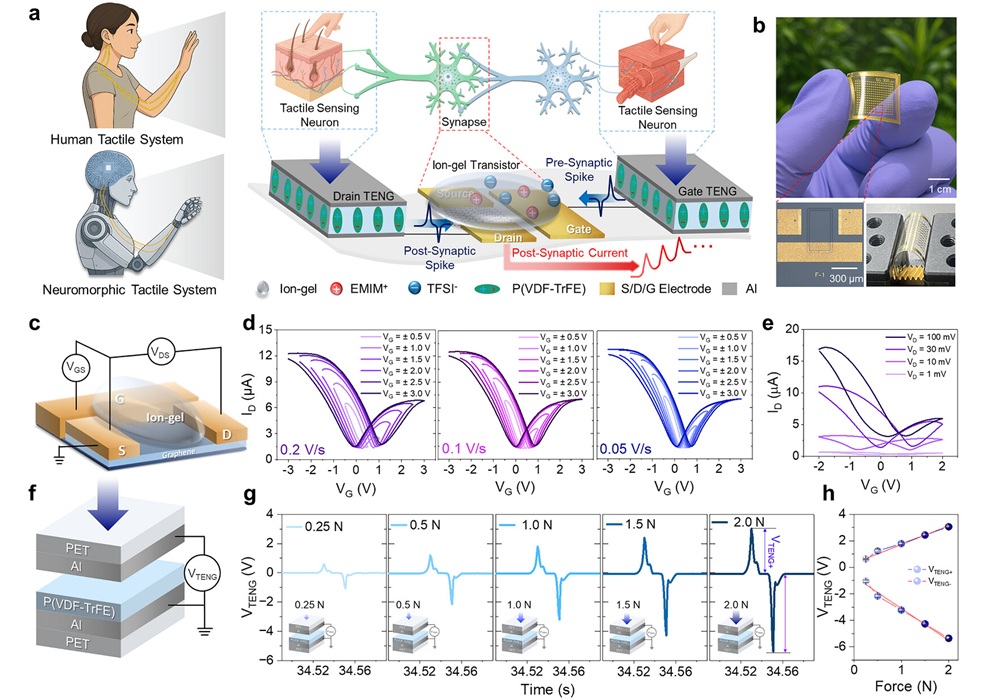
Battery-Free Wearable Sensor Enables Activity Recognition for Health Monitoring
Neuromorphic devices are engineered systems that emulate functions of biological neural networks. Wearable versions could enable low-power patient monitoring, but many existing designs still depend on... Read more
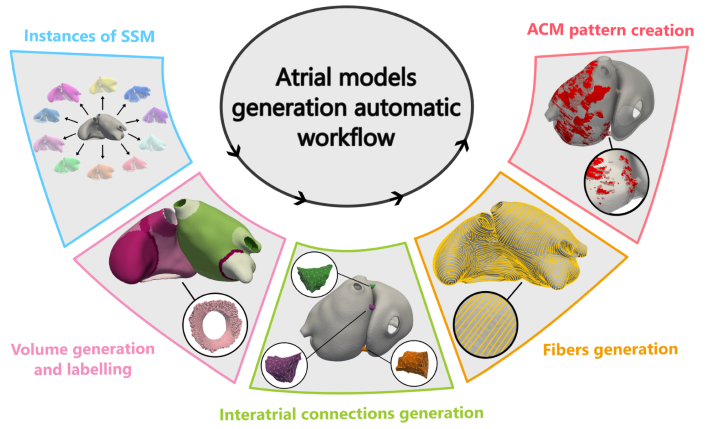
New ECG Foundation Model Enables Broad Cardiac Diagnosis and Risk Prediction
Electrocardiograms are central to cardiovascular decision-making, but conventional artificial intelligence models are often trained for narrow tasks, such as detecting a single arrhythmia.... Read more
Surgical Techniques
view channel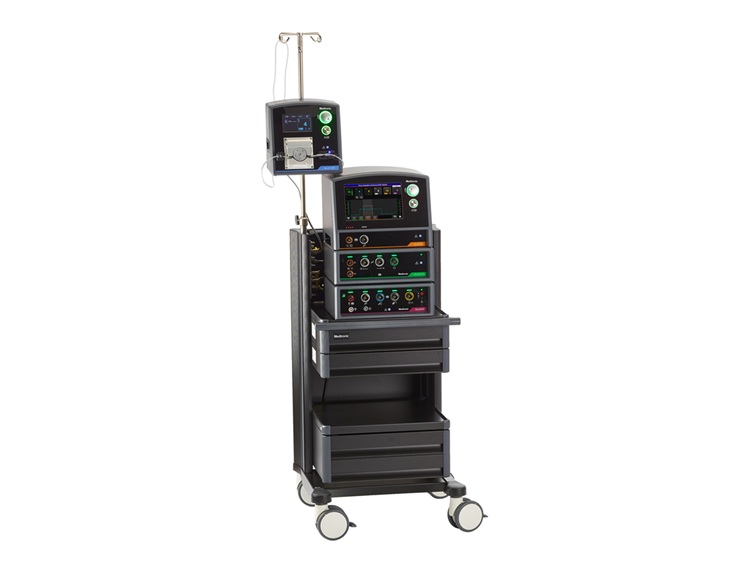
New Software Tools Support Precision Mapping and Guidance in Cardiac Ablation
Catheter ablation for cardiac arrhythmias requires precise intracardiac mapping while minimizing fluoroscopy exposure. Electrophysiologists also need integrated tools that streamline mapping, pacing, and... Read more
Tile-Based Radiation Therapy Reduces Recurrence Risk After Brain Metastasis Surgery
Brain metastases can occur in patients with advanced solid tumors and may affect treatment options and prognosis. For patients with larger or symptomatic lesions requiring surgery, microscopic tumor cells... Read more

Patient Care
view channel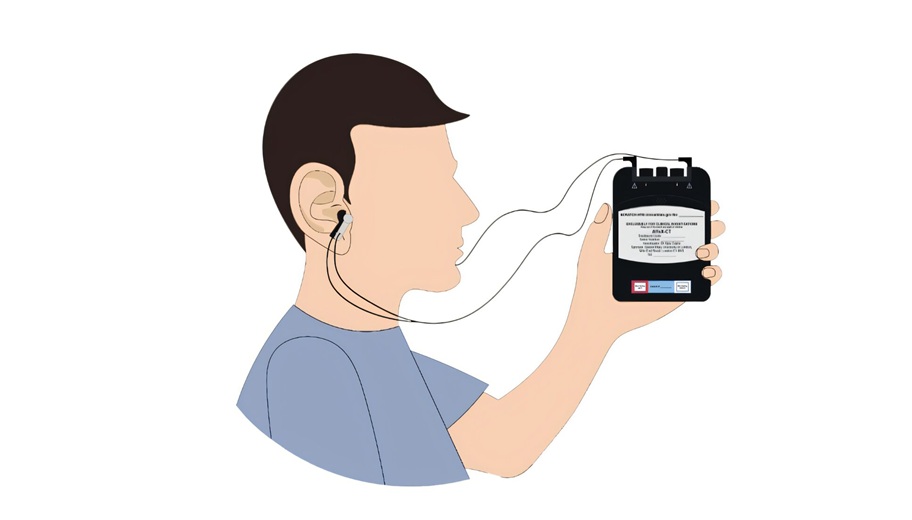
At-Home Neuromodulation Shows Promise in Selected Patients With Hypertension
High blood pressure is a major risk factor for cardiovascular disease, including heart attack and stroke. Many patients receiving treatment for hypertension still remain above recommended blood pressure... Read more
EHR Model Flags High-Risk Periods in Patients with Metastatic Breast Cancer
Determining when patients with metastatic breast cancer are nearing the end of life remains difficult, often leading to intensive interventions with limited benefit. Prognostic uncertainty can delay goals-of-care... Read more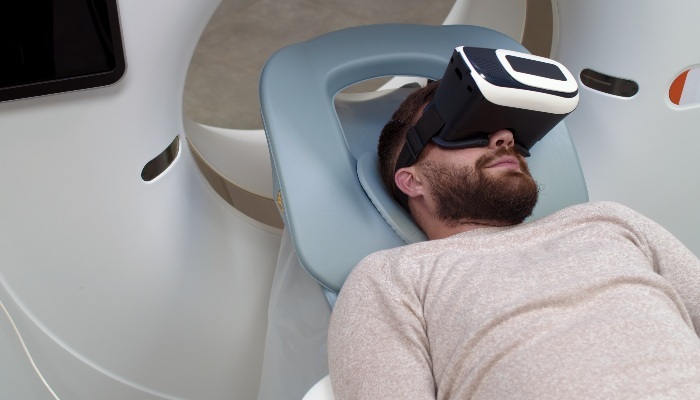

Medical Imaging
view channel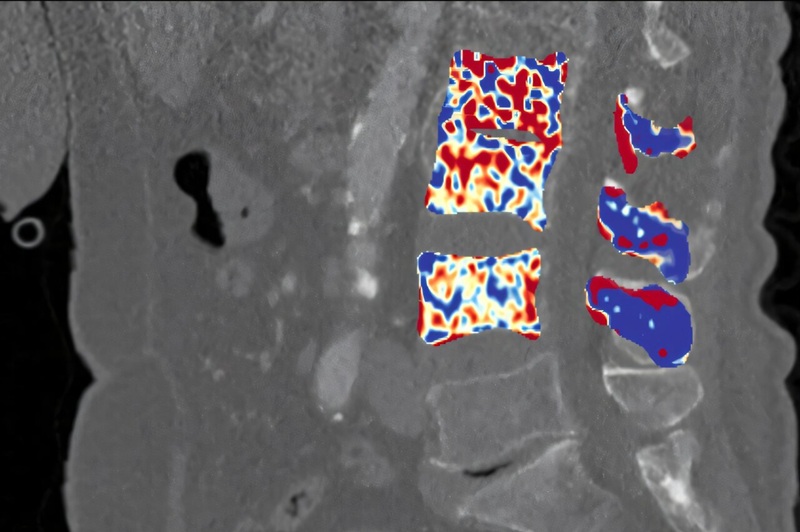
AI Software Detects Osteoporosis from Routine CT Scans
Osteoporosis can progress for years without pain, leaving bone loss undetected until a fracture or back pain prompts testing. By that point, bone loss may already be advanced. Bone density testing is not... Read more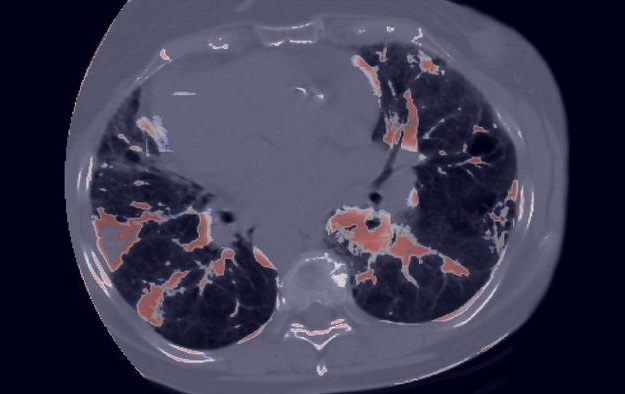
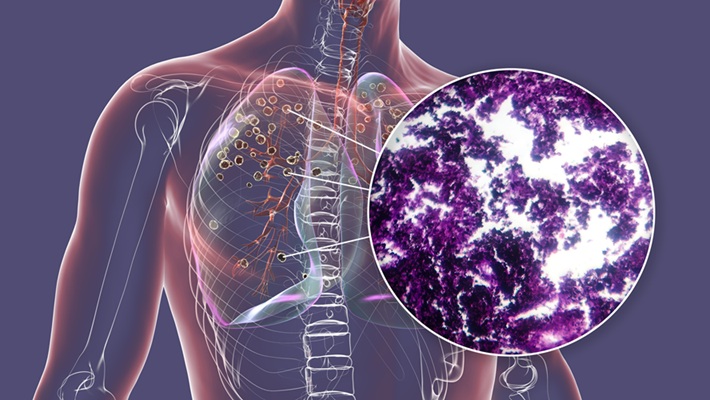
AI Model Uses Pretreatment CT Scans to Predict Immunotherapy-Related Pneumonitis Risk
Pneumonitis is a potentially life-threatening form of lung inflammation that affects about 10% of patients with lung cancer receiving immunotherapy. Because it can be difficult to predict before symptoms... Read more
Health IT
view channel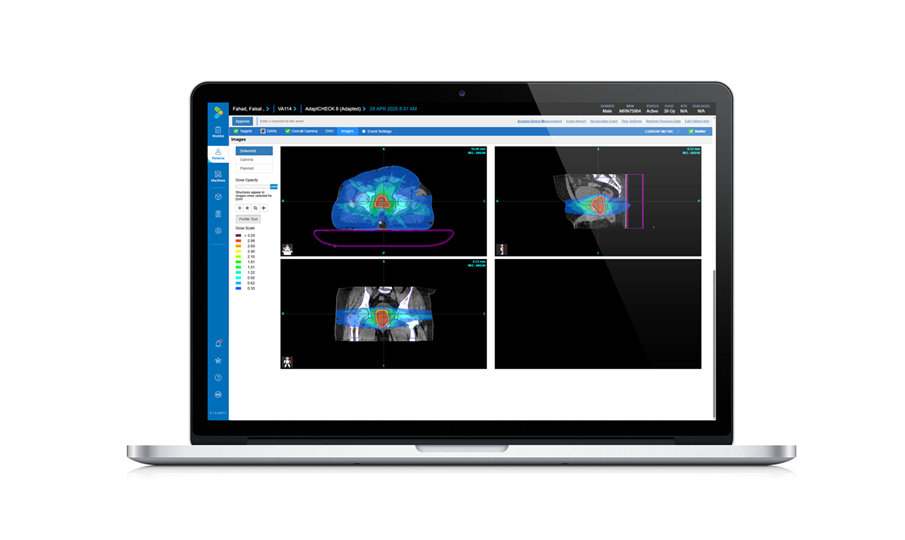
Adaptive Radiation QA Software Gains Validation for NeoArc Treatments
Adaptive radiation therapy allows clinicians to adjust treatment plans to daily anatomical changes such as tumor shrinkage, weight loss, or organ movement, improving precision while limiting exposure to... Read more
Healthcare Database Helps Close Long COVID Surveillance Gap
Long COVID is a chronic condition that occurs after SARS-CoV-2 infection and lasts at least three months. It can follow severe illness, but it can also affect anyone who has been infected.... Read more

Point of Care
view channel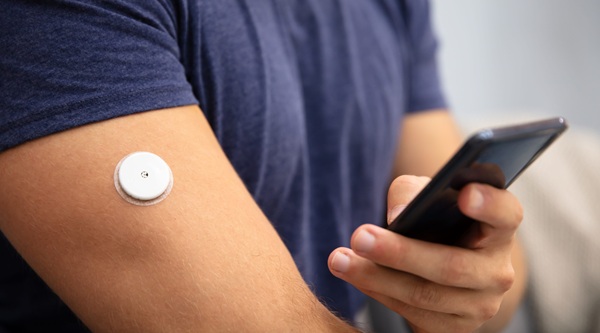
Continuous Glucose Monitoring Identifies Cardiometabolic Risk in Adults Without Diabetes
Dysglycemia—abnormal blood glucose regulation—can fluctuate throughout the day and often escape conventional screening. Clinicians typically rely on fasting plasma glucose and hemoglobin A1c, which offer... Read more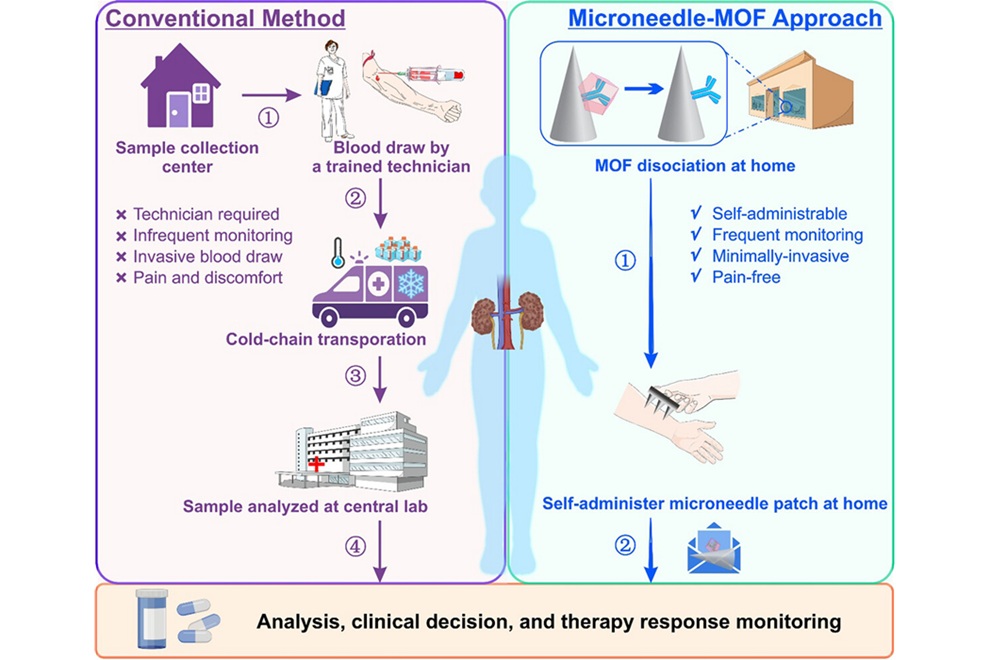
Microneedle Patch Enables At-Home Monitoring of Acute Kidney Injury
Kidney disease is often silent in its early stages, making timely detection difficult outside clinical settings. Early biomarkers such as neutrophil gelatinase–associated lipocalin can require blood draws... Read more
Business
view channel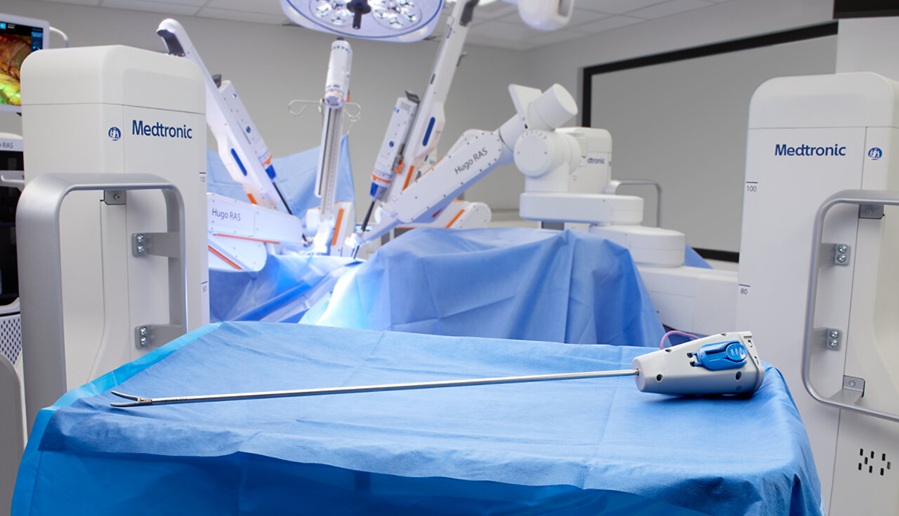
Medtronic Receives FDA Clearance for Vessel-Sealing Instrument for Robotic Surgery
As robotic-assisted surgery expands across U.S. hospitals, teams increasingly seek energy instruments with the familiarity and performance of tools used in open and laparoscopic procedures.... Read more
Robotic Single-Port System Gains CE Mark for Transvaginal Gynecologic Procedures
Intuitive (Sunnyvale, CA, USA) announced that it has received CE mark approval for use of the da Vinci SP Single Port surgical system in transvaginal gynecologic procedures, marking the first such indication... Read more