Artificial Intelligence Platform Helps Find Combination Drug Treatments for COVID-19
|
By HospiMedica International staff writers Posted on 08 Apr 2020 |


|
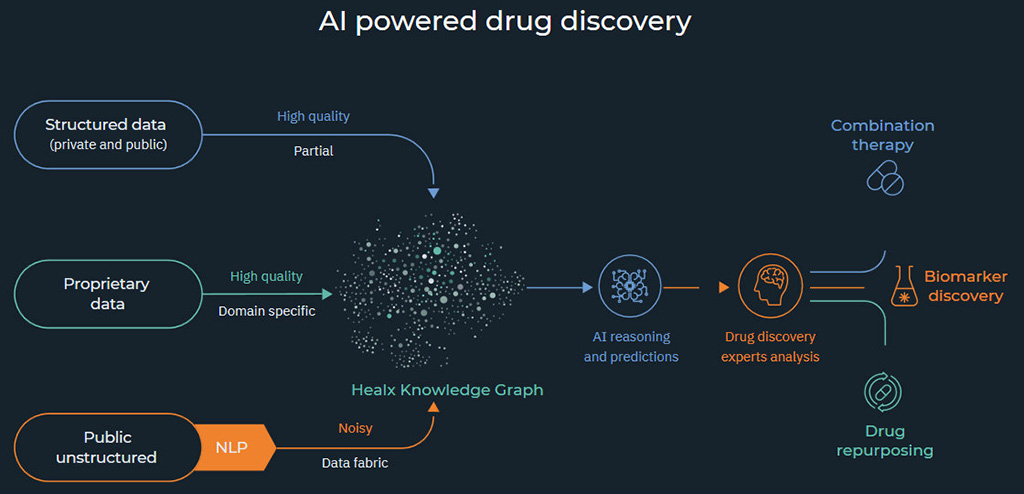
Image: AI powered drug discovery (Photo courtesy of Healx)
Healx (Cambridge, UK), an AI-powered biotech company specializing in rare diseases, is using its AI platform to develop drug combinations from approved drugs to contribute towards global efforts to find treatments for COVID-19. This focus on combination therapies, where two or more drugs simultaneously target different aspects of the disease pathology, has the potential to ensure a more effective treatment.
Healx is an AI-powered and patient-inspired technology company, accelerating the discovery and development of rare disease treatments. Many patients in this demographic suffer from pre-existing conditions relating to the heart and respiratory system which have been associated with the highest mortality rates amongst COVID-19 patients. Given this increased vulnerability to COVID-19, and the acute need for treatments, Healx is dedicating its time, knowledge, experience and technology towards fighting the viral infection. The treatments Healx intends to develop are also likely to have wide use amongst other patients identified as vulnerable.
Healx’s AI platform, Healnet, integrates and analyzes biomedical data from multiple sources to predict those combination therapies that are most likely to succeed in the clinic. The company’s AI drug discovery platform leverages public and proprietary biomedical data and features the world’s leading knowledge graph for rare diseases. Healnet is widely regarded as the world’s most efficient and comprehensive AI platform for rare diseases. Combination therapy candidates will be available in May for preclinical testing.
“The recent spread of COVID-19 is risking the lives of millions of rare disease patients across the world. The company’s AI technology is perfectly positioned to support the efforts to find treatments for COVID-19. Healx’s data-driven AI platform is able to predict, within weeks, which known drugs can be repurposed to treat other conditions such as COVID-19,” said Dr. David Brown, Healx Chairman and Co-founder. “This approach significantly shortens discovery-to-clinic timelines. Our AI is able to combine 2-3 existing drugs to formulate the most effective treatment. This approach ensures that any potential treatments we identify can be used by clinicians to help patients very quickly.”
Related Links:
Healx






Healx is an AI-powered and patient-inspired technology company, accelerating the discovery and development of rare disease treatments. Many patients in this demographic suffer from pre-existing conditions relating to the heart and respiratory system which have been associated with the highest mortality rates amongst COVID-19 patients. Given this increased vulnerability to COVID-19, and the acute need for treatments, Healx is dedicating its time, knowledge, experience and technology towards fighting the viral infection. The treatments Healx intends to develop are also likely to have wide use amongst other patients identified as vulnerable.
Healx’s AI platform, Healnet, integrates and analyzes biomedical data from multiple sources to predict those combination therapies that are most likely to succeed in the clinic. The company’s AI drug discovery platform leverages public and proprietary biomedical data and features the world’s leading knowledge graph for rare diseases. Healnet is widely regarded as the world’s most efficient and comprehensive AI platform for rare diseases. Combination therapy candidates will be available in May for preclinical testing.
“The recent spread of COVID-19 is risking the lives of millions of rare disease patients across the world. The company’s AI technology is perfectly positioned to support the efforts to find treatments for COVID-19. Healx’s data-driven AI platform is able to predict, within weeks, which known drugs can be repurposed to treat other conditions such as COVID-19,” said Dr. David Brown, Healx Chairman and Co-founder. “This approach significantly shortens discovery-to-clinic timelines. Our AI is able to combine 2-3 existing drugs to formulate the most effective treatment. This approach ensures that any potential treatments we identify can be used by clinicians to help patients very quickly.”
Related Links:
Healx

Gold Member
SARS‑CoV‑2/Flu A/Flu B/RSV Sample-To-Answer Test
SARS‑CoV‑2/Flu A/Flu B/RSV Cartridge (CE-IVD)
Immobilization System
Cranial 4Pi Immobilization
Multi-Chamber Washer-Disinfector
WD 390
Latest COVID-19 News
- Low-Cost System Detects SARS-CoV-2 Virus in Hospital Air Using High-Tech Bubbles
- World's First Inhalable COVID-19 Vaccine Approved in China
- COVID-19 Vaccine Patch Fights SARS-CoV-2 Variants Better than Needles
- Blood Viscosity Testing Can Predict Risk of Death in Hospitalized COVID-19 Patients
- ‘Covid Computer’ Uses AI to Detect COVID-19 from Chest CT Scans
- MRI Lung-Imaging Technique Shows Cause of Long-COVID Symptoms
- Chest CT Scans of COVID-19 Patients Could Help Distinguish Between SARS-CoV-2 Variants
- Specialized MRI Detects Lung Abnormalities in Non-Hospitalized Long COVID Patients
- AI Algorithm Identifies Hospitalized Patients at Highest Risk of Dying From COVID-19
- Sweat Sensor Detects Key Biomarkers That Provide Early Warning of COVID-19 and Flu
- Study Assesses Impact of COVID-19 on Ventilation/Perfusion Scintigraphy
- CT Imaging Study Finds Vaccination Reduces Risk of COVID-19 Associated Pulmonary Embolism
- Third Day in Hospital a ‘Tipping Point’ in Severity of COVID-19 Pneumonia
- Longer Interval Between COVID-19 Vaccines Generates Up to Nine Times as Many Antibodies
- AI Model for Monitoring COVID-19 Predicts Mortality Within First 30 Days of Admission
- AI Predicts COVID Prognosis at Near-Expert Level Based Off CT Scans
Channels
Artificial Intelligence
view channel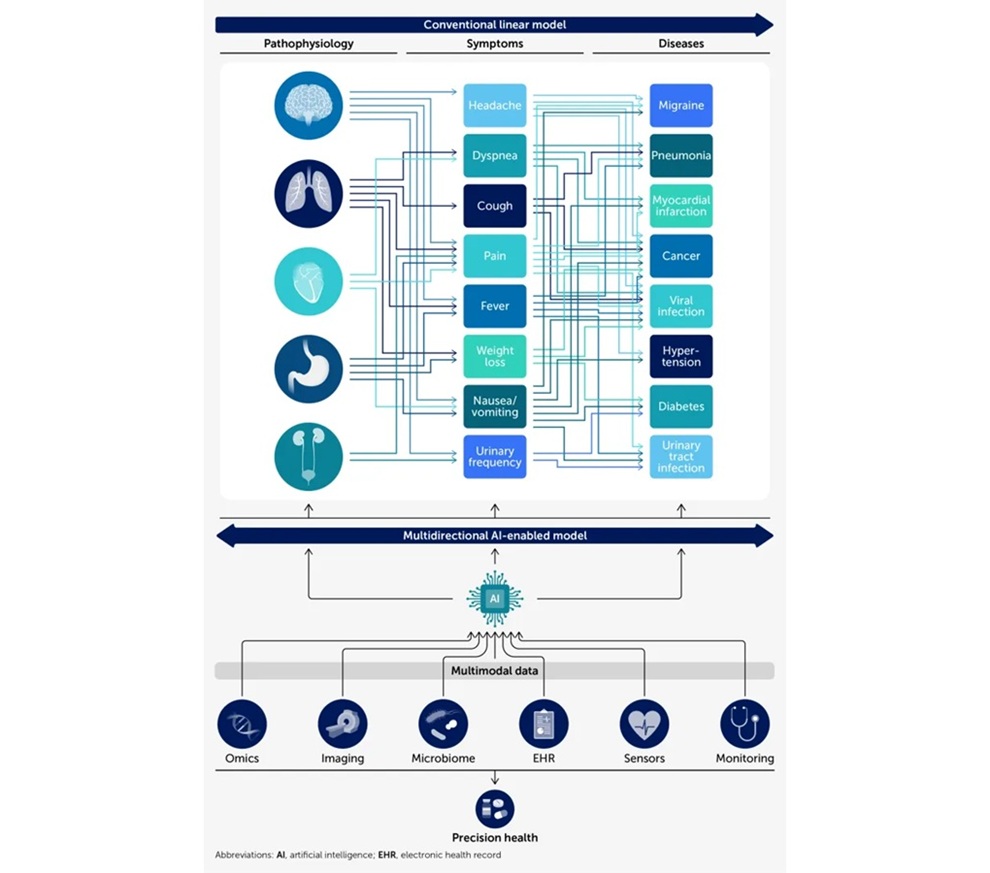
AI Framework Aims to Turn Medical Care from Reactive to Preventive
Health systems face rising burdens from aging populations, chronic disease, and workforce shortages. Medical artificial intelligence (AI) remains concentrated in diagnosis and decision support, leaving... Read more
AI Model Predicts Indwelling Catheter Use After Spinal Cord Injury
Patients with early-stage spinal cord injury and neurogenic bladder often face uncertain trajectories in urinary catheter management. Clinicians need tools to anticipate conversion to indwelling catheters... Read more

Critical Care
view channel
Patch-Based Therapy Promotes Myelin Repair in Multiple Sclerosis
Multiple sclerosis (MS) is a chronic autoimmune disease that damages the myelin sheath in the central nervous system, leading to progressive disability. After inflammatory attacks, remyelination is often... Read more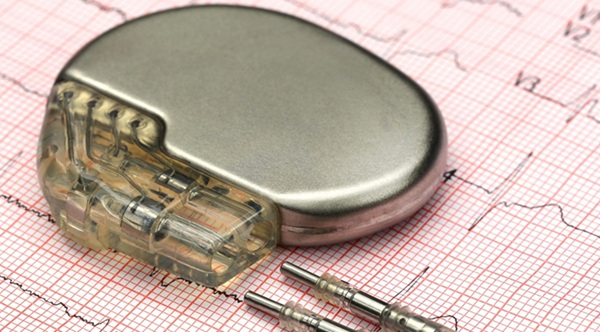
Remote Cardiac Device Monitoring System Shows Safety and Cost Benefits
Regular in-clinic follow-up for patients with cardiac implantable electronic devices, including pacemakers and implantable cardioverter defibrillators, is resource intensive. As device use rises with aging... Read more

Surgical Techniques
view channel
Functional Coronary Angiography Improves Outcomes in STEMI With Multivessel Disease
Multivessel coronary artery disease, defined as blockage in at least two coronary arteries, complicates management of ST-segment elevation myocardial infarction. Clinicians must decide which non-culprit... Read more
Researchers Advance Novel Therapy for Hard-to-Heal Diabetic Foot Wounds
Diabetic foot ulcers are chronic, hard-to-heal wounds that arise in people with diabetes and increase the risk of infection, hospitalization, and amputation. Care often relies on cleaning and dressing,... Read more

Patient Care
view channel
Multicenter Study Quantifies Delays in Care for Emergency Department Boarders
Emergency department (ED) boarding—the practice of keeping admitted patients in the ED while awaiting an inpatient bed—creates hazardous delays in definitive care. Prolonged transitions expose older and... Read more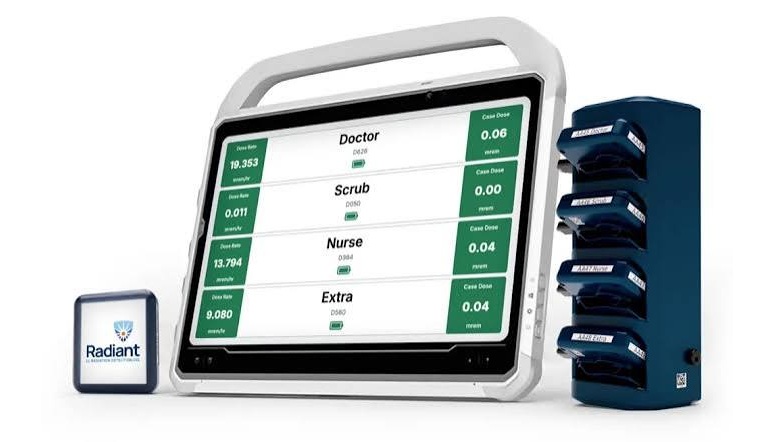
Real-Time Radiation Monitor Supports Safer Fluoroscopy-Guided Procedures
Fluoroscopy-guided procedures expose clinicians to scatter radiation that accumulates over time, creating persistent occupational risks in cath labs and interventional suites. Traditional badges typically... Read more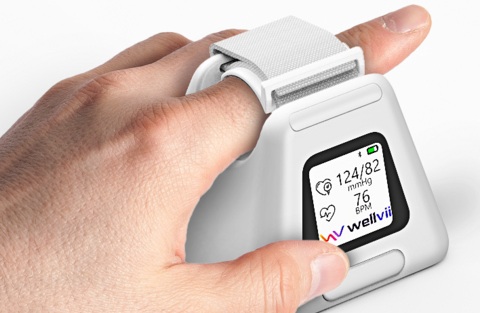

Medical Imaging
view channel
AI-Guided Ultrasound Enables Nonexpert Screening for Aortic Stenosis
Aortic stenosis is a narrowing of the aortic valve that can progress silently until advanced disease. Comprehensive echocardiography is the diagnostic standard, but it requires specialized equipment and... Read more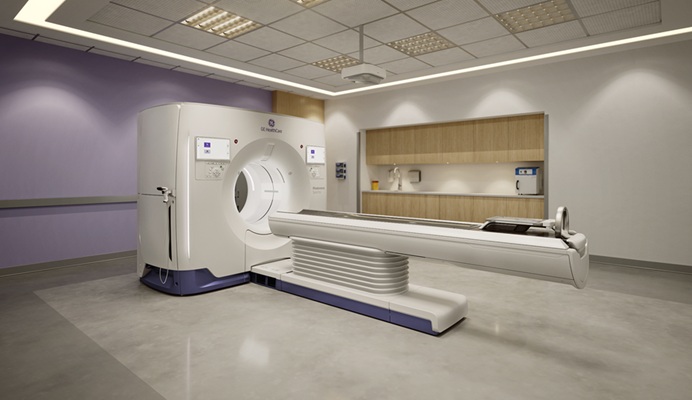
Photon-Counting CT System Gains CE Mark and Expands Access to Faster Diagnosis
GE HealthCare has obtained CE Mark for Photonova Spectra, a photon-counting computed tomography (PCCT) system built on the company’s proprietary Deep Silicon detector technology. The platform is engineered... Read more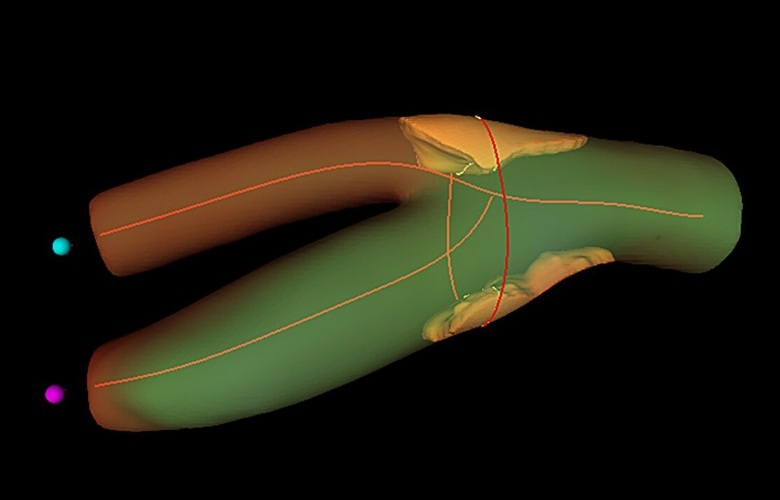

Health IT
view channel
Nurse-Coordinated Care Model Improves Heart Failure Outcomes
Heart failure imposes heavy mortality, morbidity, and cost burdens worldwide, yet proven therapies remain underused in routine practice. This inadequate uptake contributes to preventable hospitalizations... Read more
Imaging Tool Quantifies Calcinosis Cutis Volume to Monitor Treatment
Calcinosis cutis involves calcium deposits in the skin or soft tissues that can develop anywhere in the body, causing pain, impaired mobility, and disability. Lesions along the spine or buttocks can make... Read more
Point of Care
view channel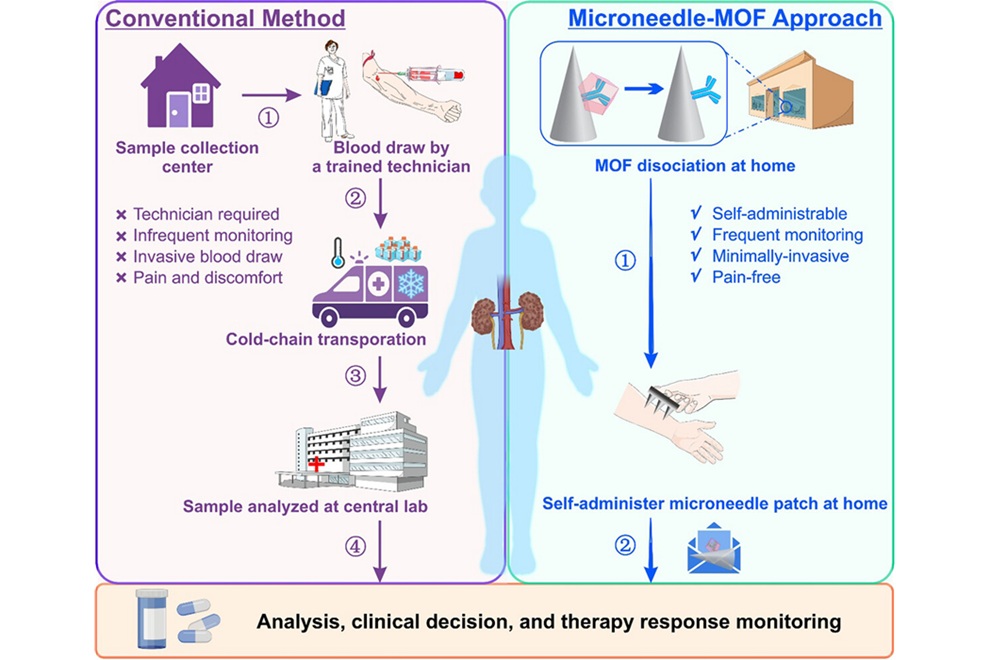
Microneedle Patch Enables At-Home Monitoring of Acute Kidney Injury
Kidney disease is often silent in its early stages, making timely detection difficult outside clinical settings. Early biomarkers such as neutrophil gelatinase–associated lipocalin can require blood draws... Read more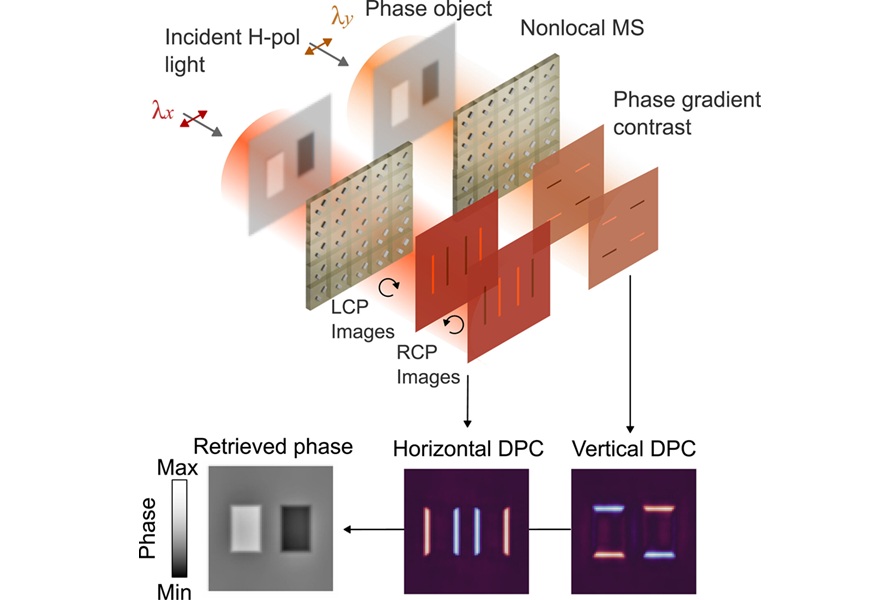
Ultrathin Metasurface Could Bring Quantitative Phase Imaging to Portable Devices
Point-of-care imaging often depends on bulky optical systems that have difficulty visualizing nearly transparent cells and tissues without staining. These limitations can slow diagnosis and restrict use... Read more
Business
view channel
Smartphone-Integrated Epinephrine Auto-Injector Concept Wins Red Dot Design Award
Severe allergic reactions can escalate rapidly and require prompt epinephrine, yet many at-risk patients do not consistently carry their auto-injector. With food allergies affecting an estimated 220 million... Read more