






Coronavirus-Detecting Breathing Device Could Potentially Give a Diagnosis in Less than One Minute
|
By HospiMedica International staff writers Posted on 20 Apr 2020 |


|
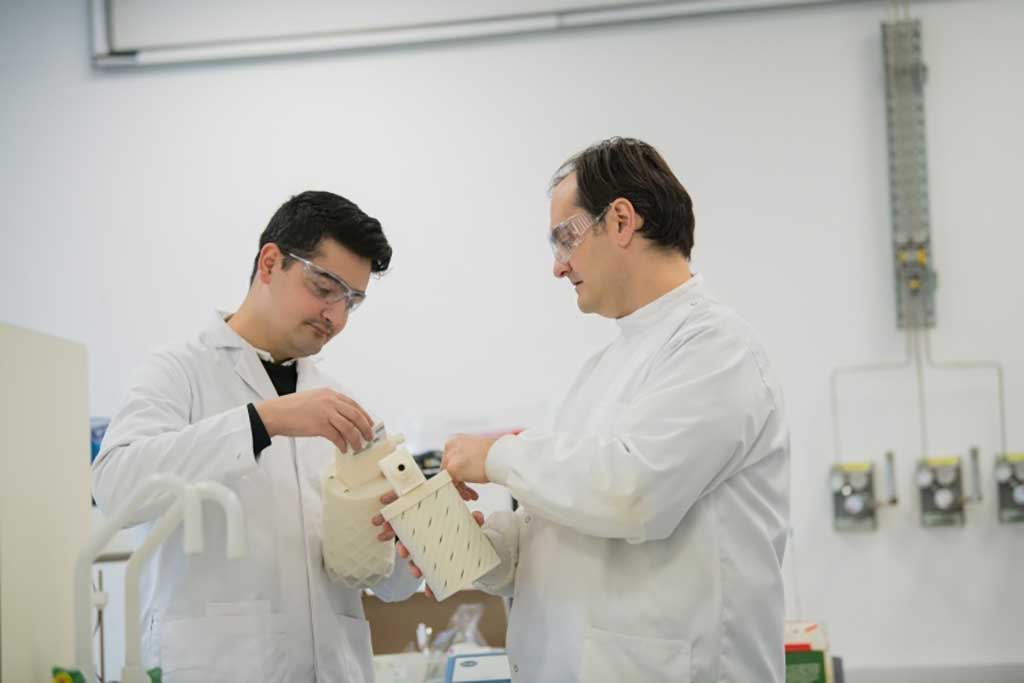
Image: Coronavirus-detecting breathing device could potentially give a diagnosis in less than one minute (Photo courtesy of Northumbria University)
Researchers from two different parts of the world have developed a new method using a breathing device that could revolutionize the way diseases, such as the newly emerged strain of coronavirus, COVID-19, are diagnosed.
Two Israeli companies, Next-Gen and Scentech Medical, have jointly developed a coronavirus-detecting breathing device based on the breathalyzer machine used by the police for detecting alcohol levels in a person’s blood stream. When the patient breathes into the device, it can distinguish between thousands of gas compounds in the breath and then isolate the ones associated with the coronavirus, enabling a quick and simple diagnosis in less than a minute. In addition to significantly reducing the amount of time to achieve results due to its ability to deliver a diagnosis in minutes, the coronavirus-detecting breathing device can quickly identify and diagnose asymptomatic patients, as well as patients in the early stages of the disease, thus enabling a more efficient quarantine approach. The device is also capable of identifying the virus's genetic 'fingerprint.' – allowing for the detection of the genetic fingerprint of the next potential pandemic-causing virus even before it can do major damage.
Similarly, academics at Northumbria University (Newcastle, England) have developed a new device which enables diagnosis of disease through breath collection. Their new device allows sampling of the lung in a non-invasive way - by patients breathing into it - to retrieve biomarkers, such as DNA, RNA, proteins, and lipids found in the breath that have diagnostic potential for diseases of the lung and beyond. To date, systems that diagnose from breath sampling have not proven to be reliable enough due to contamination, sample loss and variability issues in breath analysis. However, the new device resolves these issues so that the data collected through this pioneering invention closely resembles results from lung samples taken surgically. It is hoped that in the future the technology could be used in the diagnosis of lung diseases as well as other health issues such as diabetes, cancers, liver problems, brain and ageing diseases.
“In the case of coronavirus, temperature monitoring in airports is not sufficient,” said Dr Sterghios Moschos, Associate Professor at Northumbria University, who led the study whilst at Westminster University. “The World Health Organization currently recommends testing nasal swabs, oral swabs and swabs from inside the lungs to avoid missing the infection. That’s why it’s vital that we develop non-invasive, quick and cost-effective tests for diagnosis and screening.”
Related Links:
Northumbria University




Two Israeli companies, Next-Gen and Scentech Medical, have jointly developed a coronavirus-detecting breathing device based on the breathalyzer machine used by the police for detecting alcohol levels in a person’s blood stream. When the patient breathes into the device, it can distinguish between thousands of gas compounds in the breath and then isolate the ones associated with the coronavirus, enabling a quick and simple diagnosis in less than a minute. In addition to significantly reducing the amount of time to achieve results due to its ability to deliver a diagnosis in minutes, the coronavirus-detecting breathing device can quickly identify and diagnose asymptomatic patients, as well as patients in the early stages of the disease, thus enabling a more efficient quarantine approach. The device is also capable of identifying the virus's genetic 'fingerprint.' – allowing for the detection of the genetic fingerprint of the next potential pandemic-causing virus even before it can do major damage.
Similarly, academics at Northumbria University (Newcastle, England) have developed a new device which enables diagnosis of disease through breath collection. Their new device allows sampling of the lung in a non-invasive way - by patients breathing into it - to retrieve biomarkers, such as DNA, RNA, proteins, and lipids found in the breath that have diagnostic potential for diseases of the lung and beyond. To date, systems that diagnose from breath sampling have not proven to be reliable enough due to contamination, sample loss and variability issues in breath analysis. However, the new device resolves these issues so that the data collected through this pioneering invention closely resembles results from lung samples taken surgically. It is hoped that in the future the technology could be used in the diagnosis of lung diseases as well as other health issues such as diabetes, cancers, liver problems, brain and ageing diseases.
“In the case of coronavirus, temperature monitoring in airports is not sufficient,” said Dr Sterghios Moschos, Associate Professor at Northumbria University, who led the study whilst at Westminster University. “The World Health Organization currently recommends testing nasal swabs, oral swabs and swabs from inside the lungs to avoid missing the infection. That’s why it’s vital that we develop non-invasive, quick and cost-effective tests for diagnosis and screening.”
Related Links:
Northumbria University

Gold Member
STI Test
Vivalytic Sexually Transmitted Infection (STI) Array
New
Immobilization System
Cranial 4Pi Immobilization
New
Desk Aneroid Sphyg
Diagnostix 750D+
Latest COVID-19 News
- Low-Cost System Detects SARS-CoV-2 Virus in Hospital Air Using High-Tech Bubbles
- World's First Inhalable COVID-19 Vaccine Approved in China
- COVID-19 Vaccine Patch Fights SARS-CoV-2 Variants Better than Needles
- Blood Viscosity Testing Can Predict Risk of Death in Hospitalized COVID-19 Patients
- ‘Covid Computer’ Uses AI to Detect COVID-19 from Chest CT Scans
- MRI Lung-Imaging Technique Shows Cause of Long-COVID Symptoms
- Chest CT Scans of COVID-19 Patients Could Help Distinguish Between SARS-CoV-2 Variants
- Specialized MRI Detects Lung Abnormalities in Non-Hospitalized Long COVID Patients
- AI Algorithm Identifies Hospitalized Patients at Highest Risk of Dying From COVID-19
- Sweat Sensor Detects Key Biomarkers That Provide Early Warning of COVID-19 and Flu
- Study Assesses Impact of COVID-19 on Ventilation/Perfusion Scintigraphy
- CT Imaging Study Finds Vaccination Reduces Risk of COVID-19 Associated Pulmonary Embolism
- Third Day in Hospital a ‘Tipping Point’ in Severity of COVID-19 Pneumonia
- Longer Interval Between COVID-19 Vaccines Generates Up to Nine Times as Many Antibodies
- AI Model for Monitoring COVID-19 Predicts Mortality Within First 30 Days of Admission
- AI Predicts COVID Prognosis at Near-Expert Level Based Off CT Scans
Channels
Artificial Intelligence
view channel
Machine Learning Approach Enhances Liver Cancer Risk Stratification
Hepatocellular carcinoma, the most common form of primary liver cancer, is often detected late despite targeted surveillance programs. Current screening guidelines emphasize patients with known cirrhosis,... Read more
New AI Approach Monitors Brain Health Using Passive Wearable Data
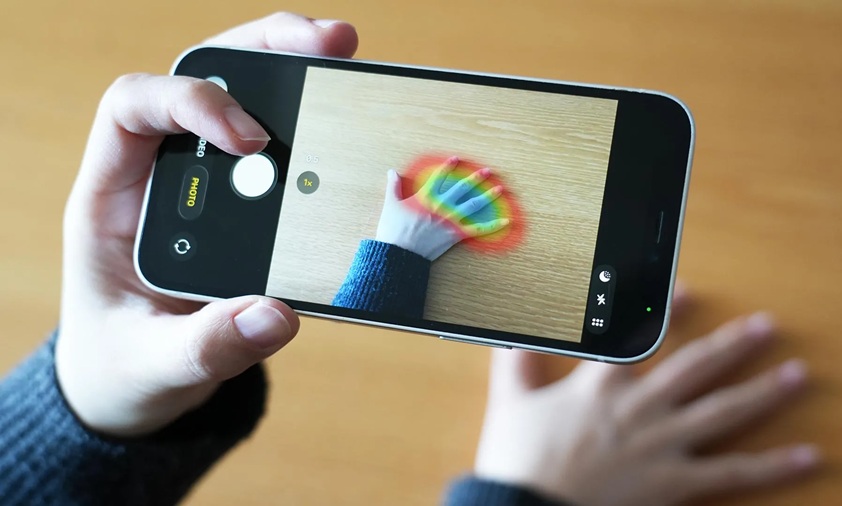
Brain health spans cognitive and emotional functions and can fluctuate even in adults without diagnosed disease. Detecting early changes remains difficult in routine care and burdens specialty services... Read more
Critical Care
view channel
Automated IV Labeling Solution Improves Infusion Safety and Efficiency
Medication administration in high-acuity settings is often complicated by multiple concurrent infusions, making accurate line identification essential. In a 10-hospital intensive care unit study, 60% of... Read more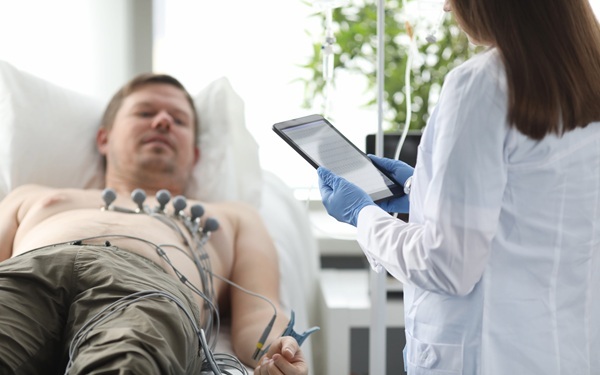
First-Of-Its-Kind AI Tool Detects Pulmonary Hypertension from Standard ECGs
Pulmonary hypertension is a progressive, life‑threatening disease that is frequently missed early because symptoms such as dyspnea are nonspecific and diagnostic delays can exceed two years.... Read more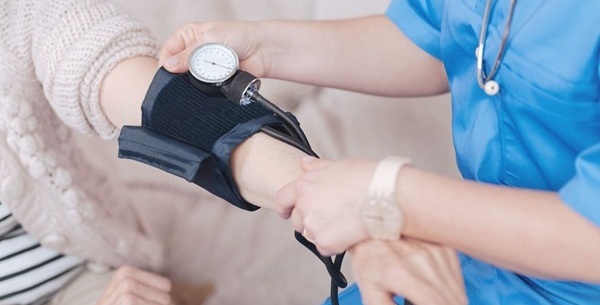
Surgical Techniques
view channel
Continuous Monitoring with Wearables Enhances Postoperative Patient Safety
Postoperative hypoxemia on general surgical wards is common and often missed by intermittent vital sign checks. Undetected low oxygen levels can delay recovery and raise the risk of complications that... Read more
New Approach Enables Customized Muscle Tissue Without Biomaterial Scaffolds
Volumetric muscle loss is a traumatic loss of skeletal muscle that often leads to permanent functional impairment and limited reconstructive options. Current experimental strategies struggle to deliver... Read more
Patient Care
view channel
Wearable Sleep Data Predict Adherence to Pulmonary Rehabilitation
Chronic obstructive pulmonary disease (COPD) is a long-term lung disorder that makes breathing difficult and often disturbs sleep, reducing energy for daily activities. Limited engagement in pulmonary... Read more
Revolutionary Automatic IV-Line Flushing Device to Enhance Infusion Care
More than 80% of in-hospital patients receive intravenous (IV) therapy. Every dose of IV medicine delivered in a small volume (<250 mL) infusion bag should be followed by subsequent flushing to ensure... Read more

Health IT
view channel
EMR-Based Tool Predicts Graft Failure After Kidney Transplant
Kidney transplantation offers patients with end-stage kidney disease longer survival and better quality of life than dialysis, yet graft failure remains a major challenge. Although a successful transplant... Read more
Printable Molecule-Selective Nanoparticles Enable Mass Production of Wearable Biosensors
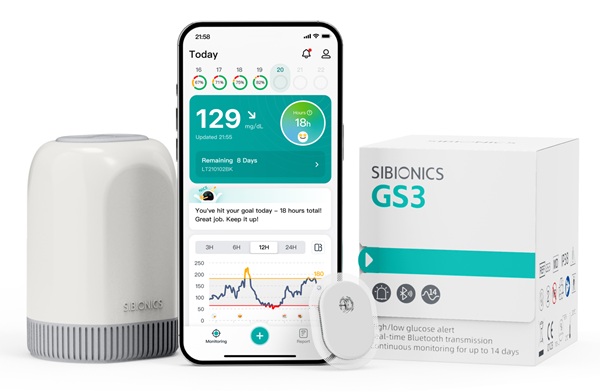
The future of medicine is likely to focus on the personalization of healthcare—understanding exactly what an individual requires and delivering the appropriate combination of nutrients, metabolites, and... Read more


Business
view channel
GE HealthCare Leads Major European Initiative to Advance Cardio-Oncology Care
Cardiovascular complications are increasingly recognized among people undergoing or recovering from cancer treatment, driven by pre‑existing disease and the cardiotoxic effects of chemotherapy, radiotherapy,... Read more

