






UV-C Light Kills SARS-CoV-2 Virus Within Seconds of Exposure in Lab Study
|
By HospiMedica International staff writers Posted on 23 Jun 2020 |


|

Image: UV-C Light Kills SARS-CoV-2 Virus Within Seconds of Exposure in Lab Study (Photo courtesy of Signify)
A UV-C lighting technology developed by Signify (Eindhoven, The Netherlands) has proven to be effective in inactivating the SARS-CoV-2 virus in research studies.
In tests conducted by Signify, together with the National Emerging Infectious Diseases Laboratories (NEIDL) at Boston University (Boston, MA, USA), the SARS-CoV-2 virus could no longer be detected after seconds of exposure to UV-C light sources. During their research, the scientists treated inoculated material with different doses of UV-C radiation coming from a Signify light source and assessed the inactivation capacity under various conditions. The team applied a dose of 5mJ/cm2, resulting in a reduction of the SARS-CoV-2 virus of 99% in six seconds. Based on the data, it was determined that a dose of 22mJ/cm2 will result in a reduction of 99.9999% in 25 seconds.
I’m very happy about the fruitful cooperation with Boston University in the fight against the coronavirus. Boston University has validated the effectiveness of our light sources as a preventive measure for companies and institutions as they seek ways to provide virus-free environments,” said Eric Rondolat, CEO of Signify. “Given the potential of the technology to aid the fight against the coronavirus, Signify will not keep the technology for its exclusive use but make it available to other lighting companies. To service the growing need for disinfection we will increase our production capacity multifold in the coming months.”
“Our test results show that above a specific dose of UV-C radiation, viruses were completely inactivated: in a matter of seconds we could no longer detect any virus,” said Dr. Anthony Griffiths, Associate Professor of Microbiology at Boston University School of Medicine. “We’re very excited about these findings and hope that this will accelerate the development of products that can help limit the spread of COVID-19.”
Related Links:
Signify
Boston University




In tests conducted by Signify, together with the National Emerging Infectious Diseases Laboratories (NEIDL) at Boston University (Boston, MA, USA), the SARS-CoV-2 virus could no longer be detected after seconds of exposure to UV-C light sources. During their research, the scientists treated inoculated material with different doses of UV-C radiation coming from a Signify light source and assessed the inactivation capacity under various conditions. The team applied a dose of 5mJ/cm2, resulting in a reduction of the SARS-CoV-2 virus of 99% in six seconds. Based on the data, it was determined that a dose of 22mJ/cm2 will result in a reduction of 99.9999% in 25 seconds.
I’m very happy about the fruitful cooperation with Boston University in the fight against the coronavirus. Boston University has validated the effectiveness of our light sources as a preventive measure for companies and institutions as they seek ways to provide virus-free environments,” said Eric Rondolat, CEO of Signify. “Given the potential of the technology to aid the fight against the coronavirus, Signify will not keep the technology for its exclusive use but make it available to other lighting companies. To service the growing need for disinfection we will increase our production capacity multifold in the coming months.”
“Our test results show that above a specific dose of UV-C radiation, viruses were completely inactivated: in a matter of seconds we could no longer detect any virus,” said Dr. Anthony Griffiths, Associate Professor of Microbiology at Boston University School of Medicine. “We’re very excited about these findings and hope that this will accelerate the development of products that can help limit the spread of COVID-19.”
Related Links:
Signify
Boston University

New
Gold Member
Handheld Blood Glucose Analyzer
STAT-Site
New
Radiofrequency Generator
GX1
New
Blood Gas Analyzer
i-Check200
Latest COVID-19 News
- Low-Cost System Detects SARS-CoV-2 Virus in Hospital Air Using High-Tech Bubbles
- World's First Inhalable COVID-19 Vaccine Approved in China
- COVID-19 Vaccine Patch Fights SARS-CoV-2 Variants Better than Needles
- Blood Viscosity Testing Can Predict Risk of Death in Hospitalized COVID-19 Patients
- ‘Covid Computer’ Uses AI to Detect COVID-19 from Chest CT Scans
- MRI Lung-Imaging Technique Shows Cause of Long-COVID Symptoms
- Chest CT Scans of COVID-19 Patients Could Help Distinguish Between SARS-CoV-2 Variants
- Specialized MRI Detects Lung Abnormalities in Non-Hospitalized Long COVID Patients
- AI Algorithm Identifies Hospitalized Patients at Highest Risk of Dying From COVID-19
- Sweat Sensor Detects Key Biomarkers That Provide Early Warning of COVID-19 and Flu
- Study Assesses Impact of COVID-19 on Ventilation/Perfusion Scintigraphy
- CT Imaging Study Finds Vaccination Reduces Risk of COVID-19 Associated Pulmonary Embolism
- Third Day in Hospital a ‘Tipping Point’ in Severity of COVID-19 Pneumonia
- Longer Interval Between COVID-19 Vaccines Generates Up to Nine Times as Many Antibodies
- AI Model for Monitoring COVID-19 Predicts Mortality Within First 30 Days of Admission
- AI Predicts COVID Prognosis at Near-Expert Level Based Off CT Scans
Channels
Artificial Intelligence
view channel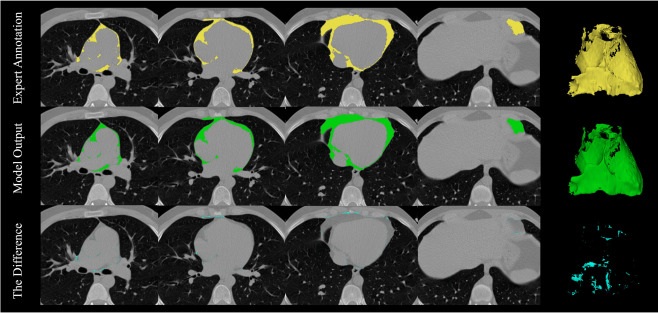
AI Analysis of Pericardial Fat Refines Long-Term Heart Disease Risk
Accurately identifying long-term cardiovascular disease risk in asymptomatic adults remains challenging for clinicians. Missed or underestimated risk delays preventive therapy and increases the chance... Read more
Machine Learning Approach Enhances Liver Cancer Risk Stratification
Hepatocellular carcinoma, the most common form of primary liver cancer, is often detected late despite targeted surveillance programs. Current screening guidelines emphasize patients with known cirrhosis,... Read more

Critical Care
view channel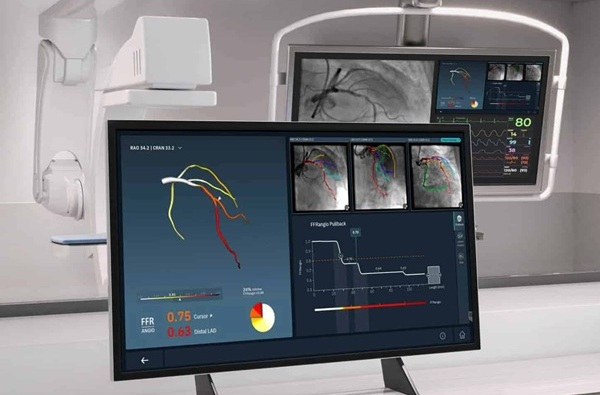
Angiography-Based FFR Approach Matches Gold Standard Results Without Wires
Accurately determining whether a coronary stenosis limits blood flow is essential to guide percutaneous coronary intervention, yet wire-based physiologic testing remains underused due to added procedural... Read more
Eye Imaging AI Identifies Elevated Cardiovascular Risk
Many adults at risk for atherosclerotic cardiovascular disease are not identified until they undergo formal primary care assessment. Delayed risk recognition can postpone initiation of statins and lifestyle... Read more

Surgical Techniques
view channel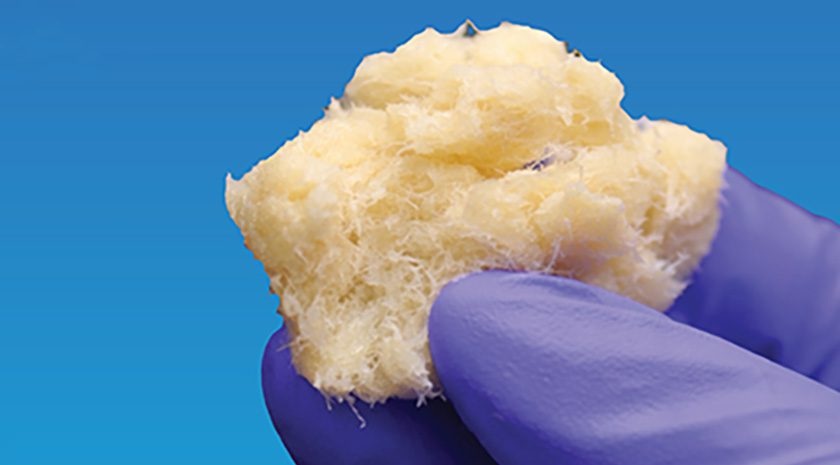
Fiber-Form Bone Graft Expands Intraoperative Options for Spinal Fusion
Spinal and orthopedic fusion procedures often require bone graft materials that handle predictably and support bone formation. Surgeons face added complexity in difficult anatomy and challenging fusion environments.... Read more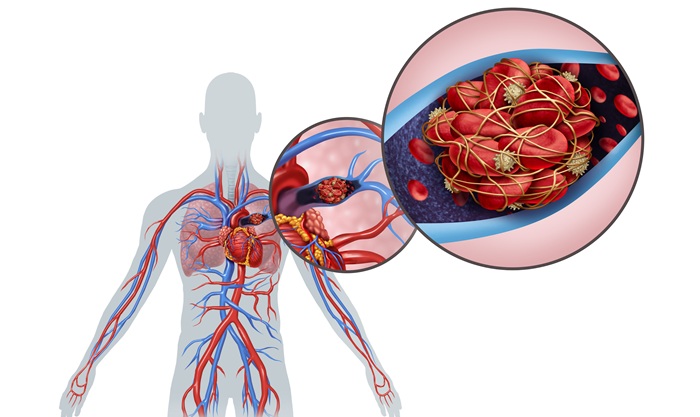
Ultrasound‑Aided Catheter Treatment Cuts Early Collapse in Pulmonary Embolism
Acute pulmonary embolism can cause rapid hemodynamic deterioration and early death in hospitalized and emergency patients. Systemic thrombolysis can dissolve clots but is limited by a high risk of major... Read more

Patient Care
view channel
Wearable Sleep Data Predict Adherence to Pulmonary Rehabilitation
Chronic obstructive pulmonary disease (COPD) is a long-term lung disorder that makes breathing difficult and often disturbs sleep, reducing energy for daily activities. Limited engagement in pulmonary... Read more
Revolutionary Automatic IV-Line Flushing Device to Enhance Infusion Care
More than 80% of in-hospital patients receive intravenous (IV) therapy. Every dose of IV medicine delivered in a small volume (<250 mL) infusion bag should be followed by subsequent flushing to ensure... Read more

Health IT
view channel
Voice-Driven AI System Enables Structured GI Procedure Documentation
Documentation during gastrointestinal (GI) procedures often competes with real-time clinical decision-making and imposes a significant cognitive burden on physicians. Manual data entry and post-procedure... Read more
EMR-Based Tool Predicts Graft Failure After Kidney Transplant
Kidney transplantation offers patients with end-stage kidney disease longer survival and better quality of life than dialysis, yet graft failure remains a major challenge. Although a successful transplant... Read more
Printable Molecule-Selective Nanoparticles Enable Mass Production of Wearable Biosensors
The future of medicine is likely to focus on the personalization of healthcare—understanding exactly what an individual requires and delivering the appropriate combination of nutrients, metabolites, and... Read more

Business
view channel
GE HealthCare Leads Major European Initiative to Advance Cardio-Oncology Care
Cardiovascular complications are increasingly recognized among people undergoing or recovering from cancer treatment, driven by pre‑existing disease and the cardiotoxic effects of chemotherapy, radiotherapy,... Read more

