New Portable PCR COVID-19 Test Kit from Visby Medical Secures FDA Emergency Use Authorization
|
By HospiMedica International staff writers Posted on 18 Sep 2020 |


|
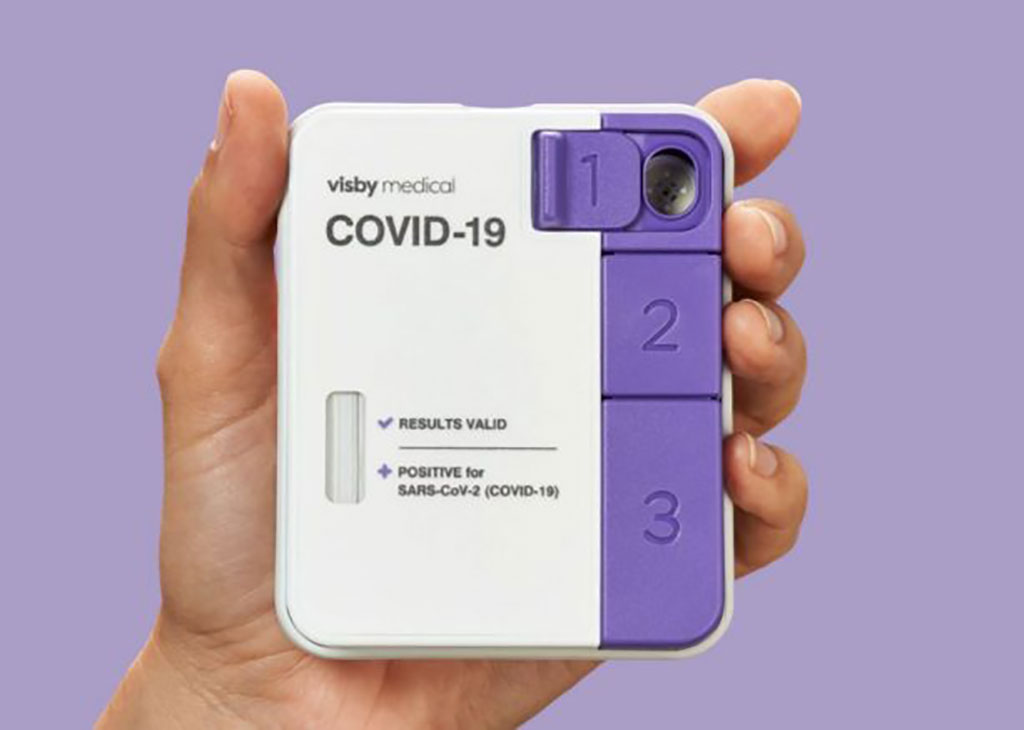
Image: New Portable PCR COVID-19 Test Kit from Visby Medical Secures FDA Emergency Use Authorization (Photo courtesy of Visby Medical)
A new portable PCR COVID-19 test kit has been granted Emergency Use Authorization (EUA) by the US Food and Drug Administration (FDA) for use in lab environments.
Visby Medical (San Jose, CA, USA), a Silicon Valley startup, has become the first company to be granted FDA EUA for a portable PCR COVID-19 test kit, which it has named Personal PCR. Since the last seven years, Adam de la Zerda, the founder and CEO of Visby, has been working on shrinking the traditional PCR testing machine which is the size of a large microwave to a portable size that would fit in the palm. By bringing the power of the lab in the palm of the hand, the portable Personal PCR has the potential to be used by anyone, anywhere.
A sample taken via a nasal swab is inserted into the kit which features LED lights that indicate the test is running and alerts when it is completed. Visby’s portable Personal PCR test goes anywhere to deliver the serious infection result needed in less than 30 minutes. The single-use test with less than two minutes of hands-on time is easy to use, and delivers fast and accurate result right at the point of need. Visby’s Personal PCR is currently limited to lab use, although the company’s ultimate goal is to make the test available over the counter to anyone, anywhere at an affordable price.
“With our device you get the results you need while you’re still face to face with the patient, helping you make better and more timely decisions,” said Dr. Gary Schoolnik, Chief Medical Officer, Visby Medical.
“PCR, when appropriately applied, generates a highly sensitive and precise result. Visby’s PCR technology is so sensitive that it will pick up a signal that is likely to otherwise be missed,” said Dr. Shlomo Melmed, Executive Vice President of Academic Affairs, and Dean of the Medical Faculty and Professor of Medicine, Cedars-Sinai. “They have miniaturized PCR, validating it in the most rigorous fashion that satisfies both the compliance agencies as well as practicing physicians. This is a very important patient-friendly advance which will lead to a new class of point of care diagnostics.”
“The COVID-19 pandemic has highlighted the vital importance of very accurate, quick-response, single-use tests. With them, lives can return to normal both in developed and developing countries without causing numerous casualties,” said Sir Ronald Cohen, preeminent international philanthropist, venture capitalist, private equity investor and social innovator. “Visby’s team has shown how brilliant entrepreneurship can bring groundbreaking innovation in testing, not just for COVID-19, but for all infectious diseases, now and in the future.”
Related Links:
Visby Medical





Visby Medical (San Jose, CA, USA), a Silicon Valley startup, has become the first company to be granted FDA EUA for a portable PCR COVID-19 test kit, which it has named Personal PCR. Since the last seven years, Adam de la Zerda, the founder and CEO of Visby, has been working on shrinking the traditional PCR testing machine which is the size of a large microwave to a portable size that would fit in the palm. By bringing the power of the lab in the palm of the hand, the portable Personal PCR has the potential to be used by anyone, anywhere.
A sample taken via a nasal swab is inserted into the kit which features LED lights that indicate the test is running and alerts when it is completed. Visby’s portable Personal PCR test goes anywhere to deliver the serious infection result needed in less than 30 minutes. The single-use test with less than two minutes of hands-on time is easy to use, and delivers fast and accurate result right at the point of need. Visby’s Personal PCR is currently limited to lab use, although the company’s ultimate goal is to make the test available over the counter to anyone, anywhere at an affordable price.
“With our device you get the results you need while you’re still face to face with the patient, helping you make better and more timely decisions,” said Dr. Gary Schoolnik, Chief Medical Officer, Visby Medical.
“PCR, when appropriately applied, generates a highly sensitive and precise result. Visby’s PCR technology is so sensitive that it will pick up a signal that is likely to otherwise be missed,” said Dr. Shlomo Melmed, Executive Vice President of Academic Affairs, and Dean of the Medical Faculty and Professor of Medicine, Cedars-Sinai. “They have miniaturized PCR, validating it in the most rigorous fashion that satisfies both the compliance agencies as well as practicing physicians. This is a very important patient-friendly advance which will lead to a new class of point of care diagnostics.”
“The COVID-19 pandemic has highlighted the vital importance of very accurate, quick-response, single-use tests. With them, lives can return to normal both in developed and developing countries without causing numerous casualties,” said Sir Ronald Cohen, preeminent international philanthropist, venture capitalist, private equity investor and social innovator. “Visby’s team has shown how brilliant entrepreneurship can bring groundbreaking innovation in testing, not just for COVID-19, but for all infectious diseases, now and in the future.”
Related Links:
Visby Medical

New
Gold Member
Breast Imaging Monitor
Barco Coronis Onelook MDMC-32133 32MP
Multi-Chamber Washer-Disinfector
WD 390
Hybrid Arch Device
Neo EDE
Latest COVID-19 News
- Low-Cost System Detects SARS-CoV-2 Virus in Hospital Air Using High-Tech Bubbles
- World's First Inhalable COVID-19 Vaccine Approved in China
- COVID-19 Vaccine Patch Fights SARS-CoV-2 Variants Better than Needles
- Blood Viscosity Testing Can Predict Risk of Death in Hospitalized COVID-19 Patients
- ‘Covid Computer’ Uses AI to Detect COVID-19 from Chest CT Scans
- MRI Lung-Imaging Technique Shows Cause of Long-COVID Symptoms
- Chest CT Scans of COVID-19 Patients Could Help Distinguish Between SARS-CoV-2 Variants
- Specialized MRI Detects Lung Abnormalities in Non-Hospitalized Long COVID Patients
- AI Algorithm Identifies Hospitalized Patients at Highest Risk of Dying From COVID-19
- Sweat Sensor Detects Key Biomarkers That Provide Early Warning of COVID-19 and Flu
- Study Assesses Impact of COVID-19 on Ventilation/Perfusion Scintigraphy
- CT Imaging Study Finds Vaccination Reduces Risk of COVID-19 Associated Pulmonary Embolism
- Third Day in Hospital a ‘Tipping Point’ in Severity of COVID-19 Pneumonia
- Longer Interval Between COVID-19 Vaccines Generates Up to Nine Times as Many Antibodies
- AI Model for Monitoring COVID-19 Predicts Mortality Within First 30 Days of Admission
- AI Predicts COVID Prognosis at Near-Expert Level Based Off CT Scans
Channels
Artificial Intelligence
view channel
AI Model Predicts Indwelling Catheter Use After Spinal Cord Injury
Patients with early-stage spinal cord injury and neurogenic bladder often face uncertain trajectories in urinary catheter management. Clinicians need tools to anticipate conversion to indwelling catheters... Read more
AI Tool Uses Mammograms to Detect Common Cardiovascular Diseases
Cardiovascular disease, encompassing hypertension, ischemic heart disease, and stroke, is the leading cause of death in women. Many cases are detected late, as symptoms can be subtle and routine screening... Read more
Critical Care
view channel
New Prediction Tool Supports Confident Prescribing of Heart Failure Medicines
Heart failure remains a major cause of morbidity and early mortality worldwide, yet uptake of life-prolonging medicines is low. Clinicians often delay or withhold therapy because of concerns about adverse effects.... Read more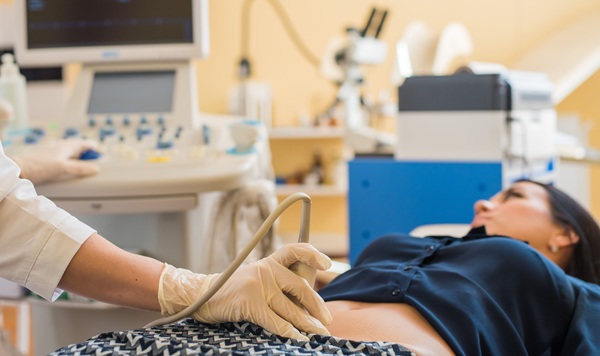
Machine Learning Models Identify Higher-Risk Pregnancies Earlier in Care
Pregnancy complications can escalate rapidly, posing serious risks to mothers and newborns. Although early risk stratification can guide targeted monitoring and timely intervention, its use remains inconsistent... Read more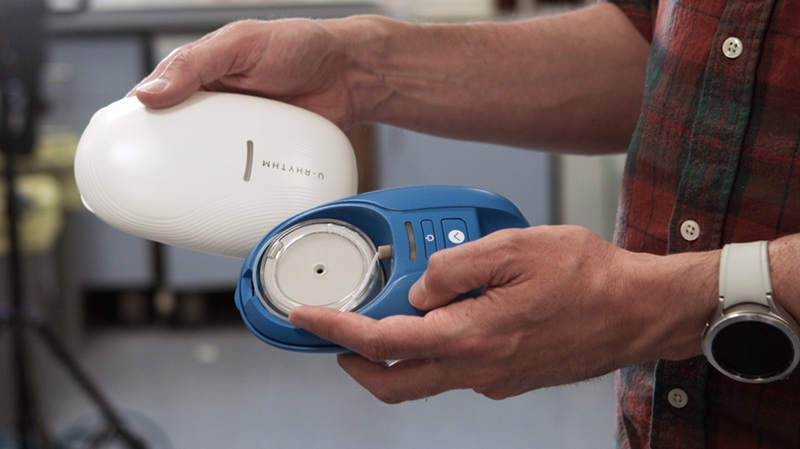

Surgical Techniques
view channel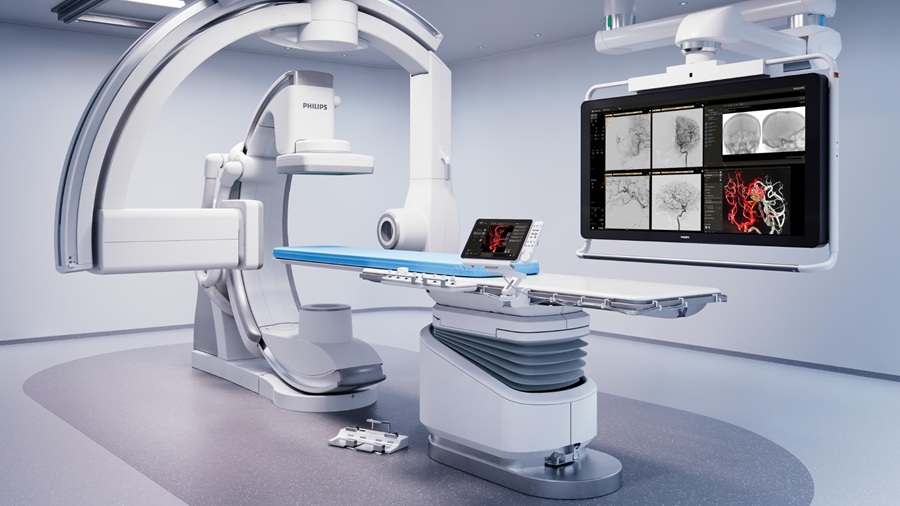
Robotic System Aims to Expand Access to Stroke Thrombectomy
Ischemic stroke outcomes hinge on rapid access to endovascular thrombectomy, yet many eligible patients live far from comprehensive centers and miss critical treatment windows. Hospitals also face geographic... Read more
Biodegradable Gastric Stent Could Eliminate Repeat Procedures After Bariatric Surgery
Gastric leaks are a serious complication after weight-loss surgery that can lead to infection, prolonged hospitalization, and repeated interventions. Conventional drainage stents were designed for the... Read more

Patient Care
view channel
Multicenter Study Quantifies Delays in Care for Emergency Department Boarders
Emergency department (ED) boarding—the practice of keeping admitted patients in the ED while awaiting an inpatient bed—creates hazardous delays in definitive care. Prolonged transitions expose older and... Read more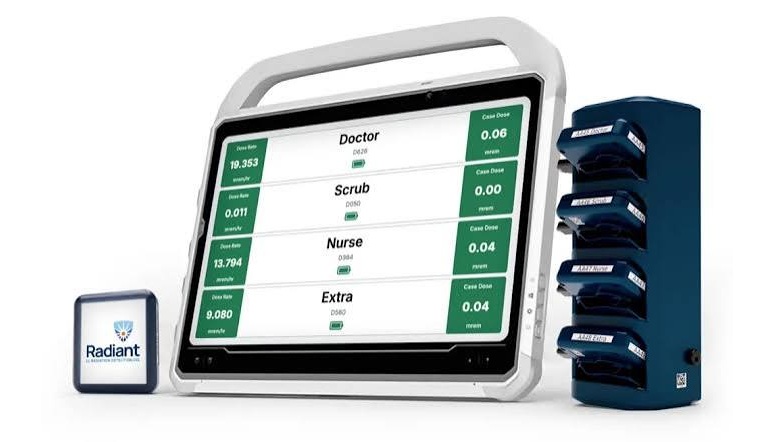
Real-Time Radiation Monitor Supports Safer Fluoroscopy-Guided Procedures
Fluoroscopy-guided procedures expose clinicians to scatter radiation that accumulates over time, creating persistent occupational risks in cath labs and interventional suites. Traditional badges typically... Read more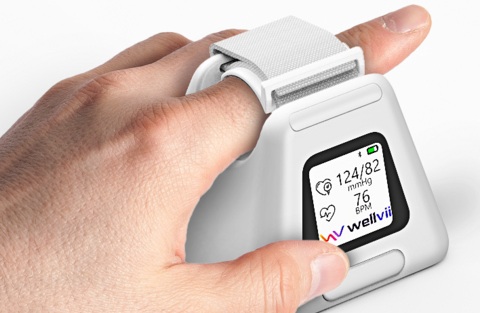

Medical Imaging
view channel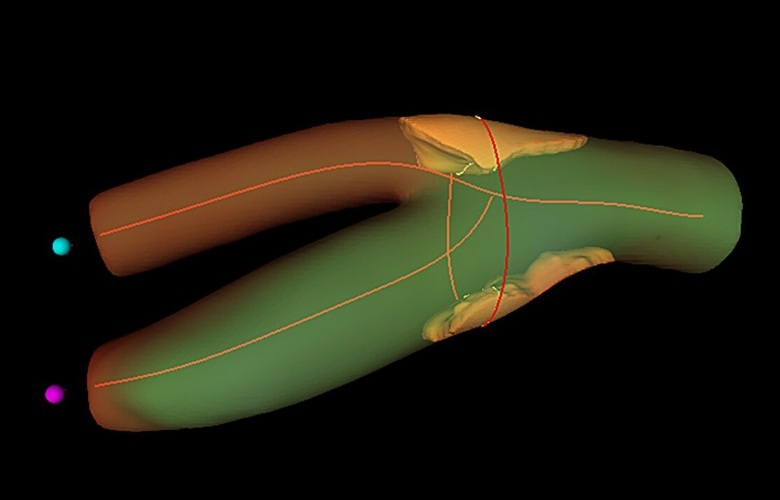
Imaging-Guided Screening Could Identify Silent Atherosclerosis Earlier
Atherosclerosis, the arterial plaque buildup that drives most cardiovascular disease, often develops silently for decades. Undetected plaques in young adults can lead to preventable heart attacks and strokes... Read more
Study Links Thymus Radiation Dose to Poorer Outcomes in Lung Cancer
Collateral radiation to the thymus during therapy for non-small cell lung cancer (NSCLC) may compromise antitumor immunity and disease control. The thymus is a small immune organ in the upper chest that... Read more
Health IT
view channel
Imaging Tool Quantifies Calcinosis Cutis Volume to Monitor Treatment
Calcinosis cutis involves calcium deposits in the skin or soft tissues that can develop anywhere in the body, causing pain, impaired mobility, and disability. Lesions along the spine or buttocks can make... Read more
Digital Symptom Monitoring Supports More Personalized Breast Cancer Care
Metastatic breast cancer, in which tumors spread to other organs, is incurable but increasingly managed with modern systemic therapies. As more treatments shift from hospital infusions to oral or at-home... Read more

Point of Care
view channel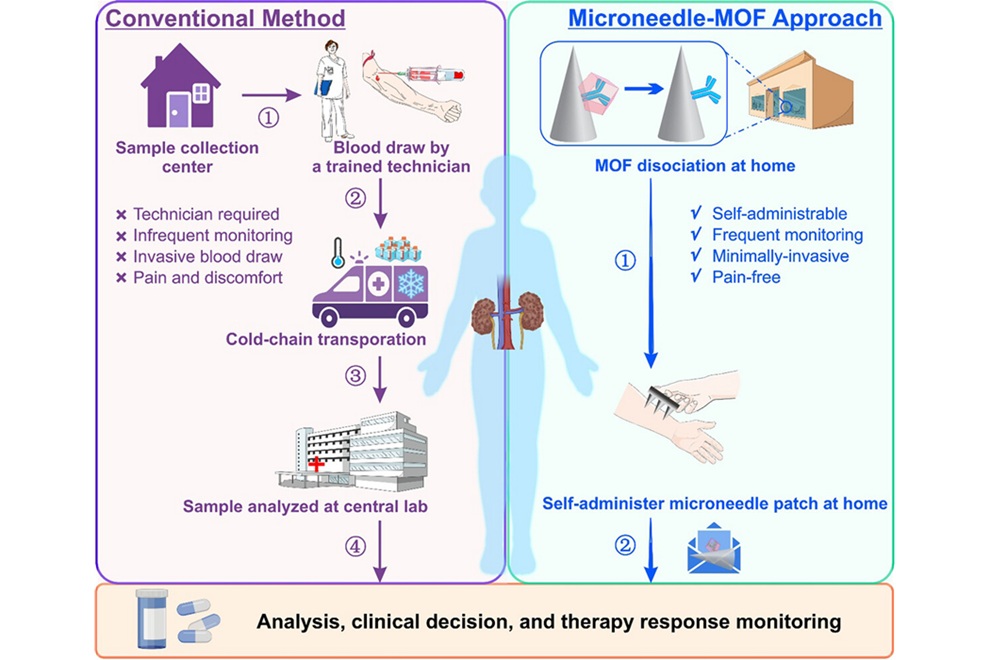
Microneedle Patch Enables At-Home Monitoring of Acute Kidney Injury
Kidney disease is often silent in its early stages, making timely detection difficult outside clinical settings. Early biomarkers such as neutrophil gelatinase–associated lipocalin can require blood draws... Read more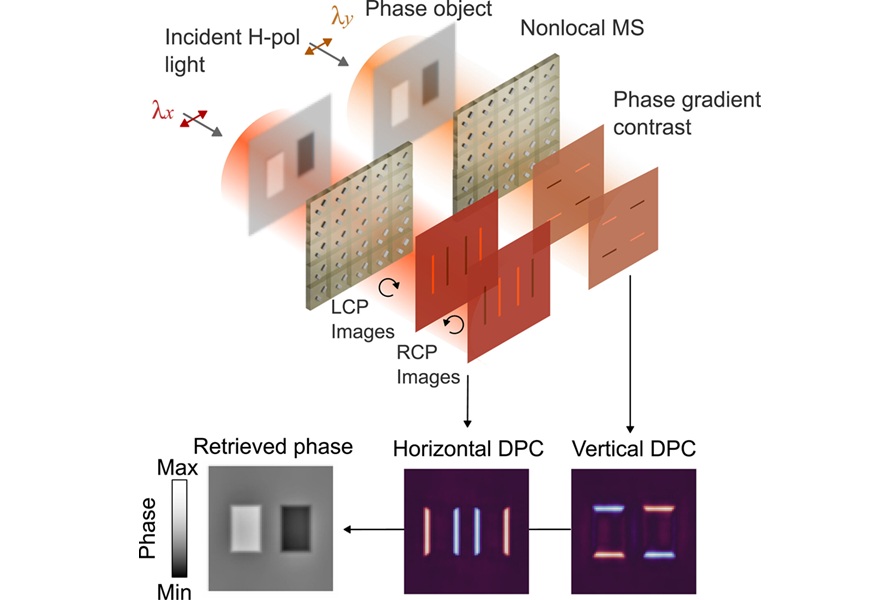
Ultrathin Metasurface Could Bring Quantitative Phase Imaging to Portable Devices
Point-of-care imaging often depends on bulky optical systems that have difficulty visualizing nearly transparent cells and tissues without staining. These limitations can slow diagnosis and restrict use... Read more
Business
view channel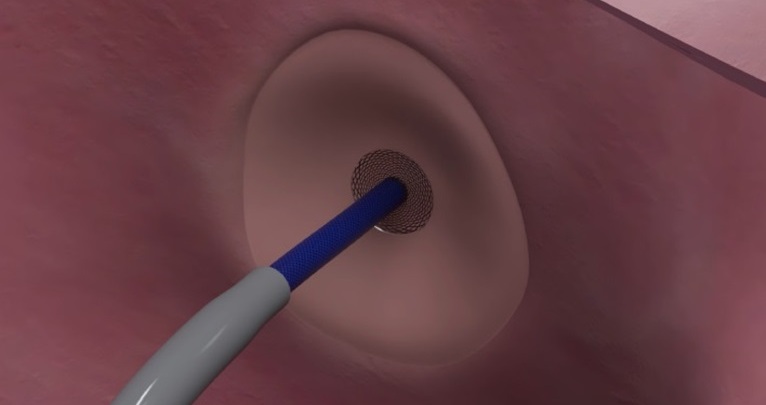
First U.S. Commercial Cases Demonstrate New Approach to Transseptal Access
Transseptal access to the left atrium is critical in catheter-based cardiac procedures, where direct visualization and precise positioning are essential. Clinicians also aim to reduce fluoroscopy use and... Read more