






Druggable Pocket Discovered In SARS-CoV-2 Spike Protein Could Stop Coronavirus in Its Tracks
|
By HospiMedica International staff writers Posted on 23 Sep 2020 |


|
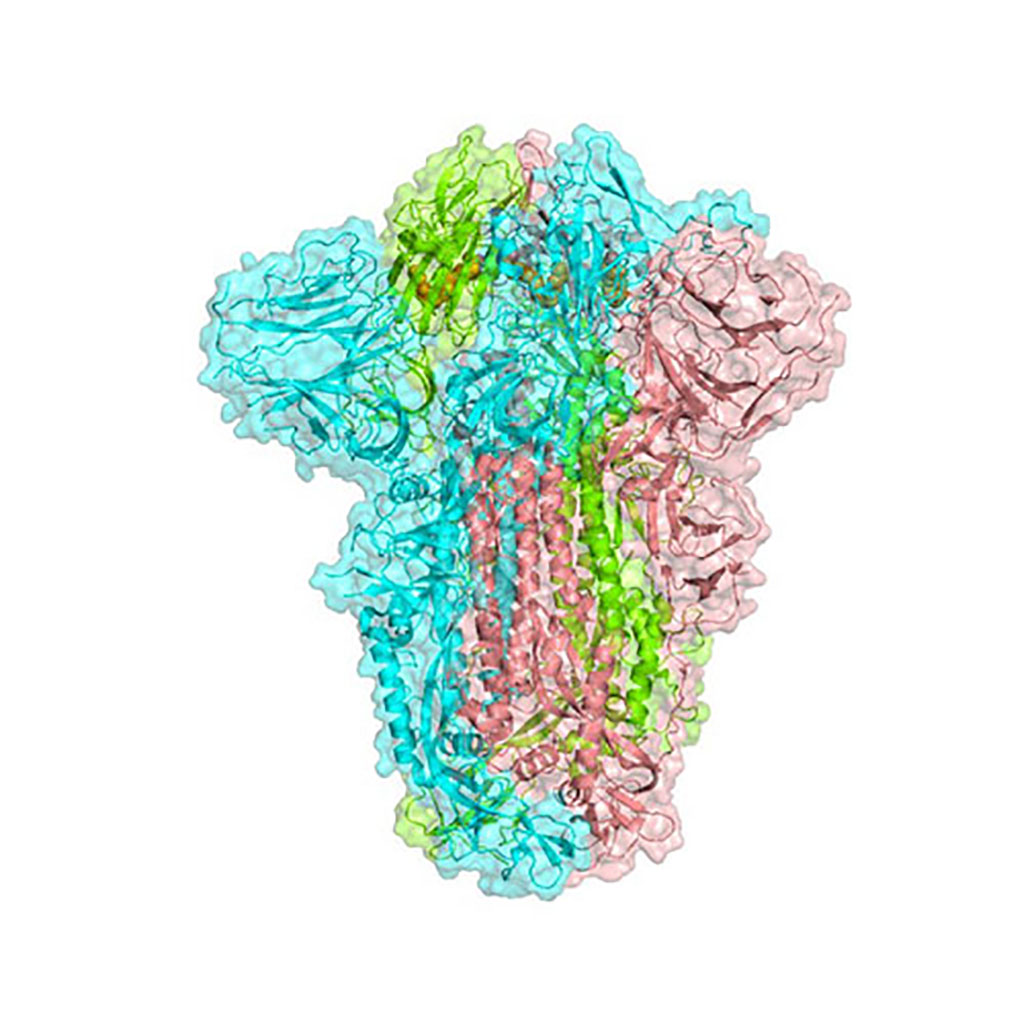
Image: 3D structure image of SARS CoV-2 Spike protein (Photo courtesy of University of Bristol)
A druggable pocket in the SARS-CoV-2 spike protein that could be used to stop the novel coronavirus from infecting human cells could be a potential game changer in defeating the ongoing COVID-19 pandemic.
SARS-CoV-2 is decorated by multiple copies of a glycoprotein, known as the 'Spike protein', which plays an essential role in viral infectivity. Spike binds to the human cell surface, allowing the virus to penetrate the cells and start replicating, causing widespread damage. In a ground-breaking study by researchers at the University of Bristol (Bristol, UK) used a powerful imaging technique, electron cryo-microscopy (cryo-EM), to analyze SARS-CoV-2 Spike at near atomic resolution. Enabled by Oracle high-performance cloud computing, a 3D structure of the SARS CoV-2 spike protein was generated, allowing the researchers to peer deep inside the spike and identify its molecular composition.
Unexpectedly, the research team’s analysis revealed the presence of a small molecule, linoleic acid (LA), buried in a tailor-made pocket within the spike protein. LA is a free fatty acid, which is indispensable for many cellular functions. The human body cannot produce LA. Instead, the body absorbs this essential molecule through diet. Intriguingly, LA plays a vital role in inflammation and immune modulation, which are both key elements of COVID-19 disease progression. LA is also needed to maintain cell membranes in the lungs to breathe properly. In rhinovirus, a virus causing the common cold, a similar pocket was exploited to develop potent small molecules that bound tightly to the pocket distorting the structure of the rhinovirus, stopping its infectivity. These small molecules were successfully used as anti-viral drugs in human trials and show promise for treating rhinovirus clinically. Based on their data, the research team is optimistic that a similar strategy can now be pursued to develop small molecule anti-viral drugs against SARS-CoV-2.
"Our discovery provides the first direct link between LA, COVID-19 pathological manifestations and the virus itself. The question now is how to turn this new knowledge against the virus itself and defeat the pandemic," said Professor Imre Berger from the Max Planck-Bristol Centre for Minimal Biology.
“Our discovery of a druggable pocket within the SARS-CoV-2 Spike protein could lead to new anti-viral drugs to shut down and eliminate the virus before it entered human cells, stopping it firmly in its tracks," added Professor Christiane Schaffitzel from Bristol’s School of Biochemistry who led the study.
Related Links:
University of Bristol




SARS-CoV-2 is decorated by multiple copies of a glycoprotein, known as the 'Spike protein', which plays an essential role in viral infectivity. Spike binds to the human cell surface, allowing the virus to penetrate the cells and start replicating, causing widespread damage. In a ground-breaking study by researchers at the University of Bristol (Bristol, UK) used a powerful imaging technique, electron cryo-microscopy (cryo-EM), to analyze SARS-CoV-2 Spike at near atomic resolution. Enabled by Oracle high-performance cloud computing, a 3D structure of the SARS CoV-2 spike protein was generated, allowing the researchers to peer deep inside the spike and identify its molecular composition.
Unexpectedly, the research team’s analysis revealed the presence of a small molecule, linoleic acid (LA), buried in a tailor-made pocket within the spike protein. LA is a free fatty acid, which is indispensable for many cellular functions. The human body cannot produce LA. Instead, the body absorbs this essential molecule through diet. Intriguingly, LA plays a vital role in inflammation and immune modulation, which are both key elements of COVID-19 disease progression. LA is also needed to maintain cell membranes in the lungs to breathe properly. In rhinovirus, a virus causing the common cold, a similar pocket was exploited to develop potent small molecules that bound tightly to the pocket distorting the structure of the rhinovirus, stopping its infectivity. These small molecules were successfully used as anti-viral drugs in human trials and show promise for treating rhinovirus clinically. Based on their data, the research team is optimistic that a similar strategy can now be pursued to develop small molecule anti-viral drugs against SARS-CoV-2.
"Our discovery provides the first direct link between LA, COVID-19 pathological manifestations and the virus itself. The question now is how to turn this new knowledge against the virus itself and defeat the pandemic," said Professor Imre Berger from the Max Planck-Bristol Centre for Minimal Biology.
“Our discovery of a druggable pocket within the SARS-CoV-2 Spike protein could lead to new anti-viral drugs to shut down and eliminate the virus before it entered human cells, stopping it firmly in its tracks," added Professor Christiane Schaffitzel from Bristol’s School of Biochemistry who led the study.
Related Links:
University of Bristol

Gold Member
SARS‑CoV‑2/Flu A/Flu B/RSV Sample-To-Answer Test
SARS‑CoV‑2/Flu A/Flu B/RSV Cartridge (CE-IVD)
New
Tourniquet System
heidi– mein Tourniquet
New
Patient Preoperative Skin Preparation
BD ChloraPrep
Latest COVID-19 News
- Low-Cost System Detects SARS-CoV-2 Virus in Hospital Air Using High-Tech Bubbles
- World's First Inhalable COVID-19 Vaccine Approved in China
- COVID-19 Vaccine Patch Fights SARS-CoV-2 Variants Better than Needles
- Blood Viscosity Testing Can Predict Risk of Death in Hospitalized COVID-19 Patients
- ‘Covid Computer’ Uses AI to Detect COVID-19 from Chest CT Scans
- MRI Lung-Imaging Technique Shows Cause of Long-COVID Symptoms
- Chest CT Scans of COVID-19 Patients Could Help Distinguish Between SARS-CoV-2 Variants
- Specialized MRI Detects Lung Abnormalities in Non-Hospitalized Long COVID Patients
- AI Algorithm Identifies Hospitalized Patients at Highest Risk of Dying From COVID-19
- Sweat Sensor Detects Key Biomarkers That Provide Early Warning of COVID-19 and Flu
- Study Assesses Impact of COVID-19 on Ventilation/Perfusion Scintigraphy
- CT Imaging Study Finds Vaccination Reduces Risk of COVID-19 Associated Pulmonary Embolism
- Third Day in Hospital a ‘Tipping Point’ in Severity of COVID-19 Pneumonia
- Longer Interval Between COVID-19 Vaccines Generates Up to Nine Times as Many Antibodies
- AI Model for Monitoring COVID-19 Predicts Mortality Within First 30 Days of Admission
- AI Predicts COVID Prognosis at Near-Expert Level Based Off CT Scans
Channels
Artificial Intelligence
view channel
Machine Learning Approach Enhances Liver Cancer Risk Stratification
Hepatocellular carcinoma, the most common form of primary liver cancer, is often detected late despite targeted surveillance programs. Current screening guidelines emphasize patients with known cirrhosis,... Read more
New AI Approach Monitors Brain Health Using Passive Wearable Data
Brain health spans cognitive and emotional functions and can fluctuate even in adults without diagnosed disease. Detecting early changes remains difficult in routine care and burdens specialty services... Read more

Critical Care
view channel
Automated IV Labeling Solution Improves Infusion Safety and Efficiency
Medication administration in high-acuity settings is often complicated by multiple concurrent infusions, making accurate line identification essential. In a 10-hospital intensive care unit study, 60% of... Read more
First-Of-Its-Kind AI Tool Detects Pulmonary Hypertension from Standard ECGs
Pulmonary hypertension is a progressive, life‑threatening disease that is frequently missed early because symptoms such as dyspnea are nonspecific and diagnostic delays can exceed two years.... Read more
Surgical Techniques
view channel
Continuous Monitoring with Wearables Enhances Postoperative Patient Safety
Postoperative hypoxemia on general surgical wards is common and often missed by intermittent vital sign checks. Undetected low oxygen levels can delay recovery and raise the risk of complications that... Read more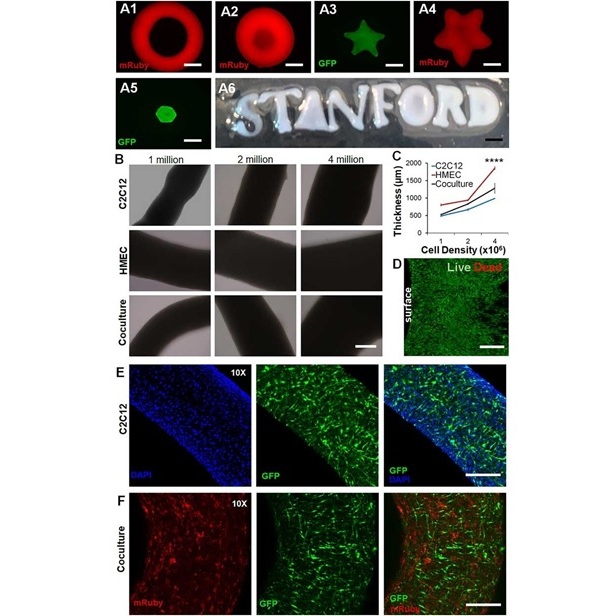
New Approach Enables Customized Muscle Tissue Without Biomaterial Scaffolds
Volumetric muscle loss is a traumatic loss of skeletal muscle that often leads to permanent functional impairment and limited reconstructive options. Current experimental strategies struggle to deliver... Read more
Patient Care
view channel
Wearable Sleep Data Predict Adherence to Pulmonary Rehabilitation
Chronic obstructive pulmonary disease (COPD) is a long-term lung disorder that makes breathing difficult and often disturbs sleep, reducing energy for daily activities. Limited engagement in pulmonary... Read more
Revolutionary Automatic IV-Line Flushing Device to Enhance Infusion Care
More than 80% of in-hospital patients receive intravenous (IV) therapy. Every dose of IV medicine delivered in a small volume (<250 mL) infusion bag should be followed by subsequent flushing to ensure... Read more

Health IT
view channel
EMR-Based Tool Predicts Graft Failure After Kidney Transplant
Kidney transplantation offers patients with end-stage kidney disease longer survival and better quality of life than dialysis, yet graft failure remains a major challenge. Although a successful transplant... Read more
Printable Molecule-Selective Nanoparticles Enable Mass Production of Wearable Biosensors
The future of medicine is likely to focus on the personalization of healthcare—understanding exactly what an individual requires and delivering the appropriate combination of nutrients, metabolites, and... Read more


Business
view channel
GE HealthCare Leads Major European Initiative to Advance Cardio-Oncology Care
Cardiovascular complications are increasingly recognized among people undergoing or recovering from cancer treatment, driven by pre‑existing disease and the cardiotoxic effects of chemotherapy, radiotherapy,... Read more

