Some COVID-19 Vaccines Could Work Better on One Patient Population than Others, Says Dr. Anthony Fauci
|
By HospiMedica International staff writers Posted on 29 Sep 2020 |


|

Illustration
Among the four COVID-19 vaccines in the final stage of US clinical trials and another one about the enter Phase 3, few of them could hold promise in some patient populations better than others.
Speaking to Dr. Howard Bauchner, editor of JAMA during a recent interview, Dr. Anthony Fauci who is the director of the National Institute of Allergy and Infectious Diseases, said that as the COVID-19 vaccines receive approval, researchers could discover that one works better on one population than others. The different COVID-19 vaccines will provide several options should one not be as effective as another.
The four COVID-19 vaccines that are in final-stage US clinical trials are being developed by Moderna, Pfizer, Johnson & Johnson and AstraZeneca. The fifth vaccine against COVID-19 from Novavax has begun Phase 3 clinical trials in the UK.
“There may be different vaccines for different situations,” Fauci told JAMA’s Bauchner. “You might find when you do a clinical trial, that you maybe have three or four vaccines that are effective.”
“But you may find one that does better in an older population than another,” Fauci added. “It could be that you would recommend, that if you are an older person you get this vaccine versus that. That is something we wish for namely that we have enough vaccines that you can tailor the better one for each individual group.”





Speaking to Dr. Howard Bauchner, editor of JAMA during a recent interview, Dr. Anthony Fauci who is the director of the National Institute of Allergy and Infectious Diseases, said that as the COVID-19 vaccines receive approval, researchers could discover that one works better on one population than others. The different COVID-19 vaccines will provide several options should one not be as effective as another.
The four COVID-19 vaccines that are in final-stage US clinical trials are being developed by Moderna, Pfizer, Johnson & Johnson and AstraZeneca. The fifth vaccine against COVID-19 from Novavax has begun Phase 3 clinical trials in the UK.
“There may be different vaccines for different situations,” Fauci told JAMA’s Bauchner. “You might find when you do a clinical trial, that you maybe have three or four vaccines that are effective.”
“But you may find one that does better in an older population than another,” Fauci added. “It could be that you would recommend, that if you are an older person you get this vaccine versus that. That is something we wish for namely that we have enough vaccines that you can tailor the better one for each individual group.”

Gold Member
12-Channel ECG
CM1200B
Tourniquet System
heidi– mein Tourniquet
Wound Irrigation Solution
Prontosan®
Latest COVID-19 News
- Low-Cost System Detects SARS-CoV-2 Virus in Hospital Air Using High-Tech Bubbles
- World's First Inhalable COVID-19 Vaccine Approved in China
- COVID-19 Vaccine Patch Fights SARS-CoV-2 Variants Better than Needles
- Blood Viscosity Testing Can Predict Risk of Death in Hospitalized COVID-19 Patients
- ‘Covid Computer’ Uses AI to Detect COVID-19 from Chest CT Scans
- MRI Lung-Imaging Technique Shows Cause of Long-COVID Symptoms
- Chest CT Scans of COVID-19 Patients Could Help Distinguish Between SARS-CoV-2 Variants
- Specialized MRI Detects Lung Abnormalities in Non-Hospitalized Long COVID Patients
- AI Algorithm Identifies Hospitalized Patients at Highest Risk of Dying From COVID-19
- Sweat Sensor Detects Key Biomarkers That Provide Early Warning of COVID-19 and Flu
- Study Assesses Impact of COVID-19 on Ventilation/Perfusion Scintigraphy
- CT Imaging Study Finds Vaccination Reduces Risk of COVID-19 Associated Pulmonary Embolism
- Third Day in Hospital a ‘Tipping Point’ in Severity of COVID-19 Pneumonia
- Longer Interval Between COVID-19 Vaccines Generates Up to Nine Times as Many Antibodies
- AI Model for Monitoring COVID-19 Predicts Mortality Within First 30 Days of Admission
- AI Predicts COVID Prognosis at Near-Expert Level Based Off CT Scans
Channels
Artificial Intelligence
view channel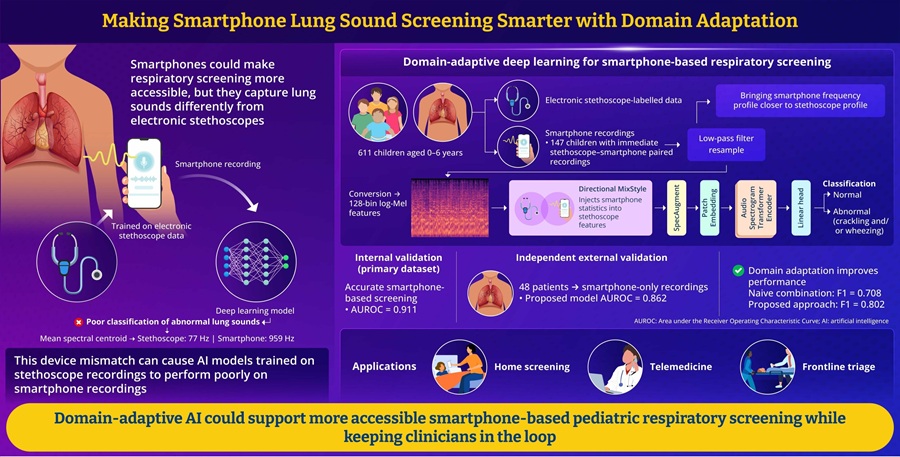
AI Tool Improves Smartphone Detection of Abnormal Pediatric Lung Sounds
Respiratory disease in children remains a major clinical concern worldwide. Abnormal lung sounds can indicate pediatric respiratory illness, but standard auscultation usually requires an in-person examination... Read more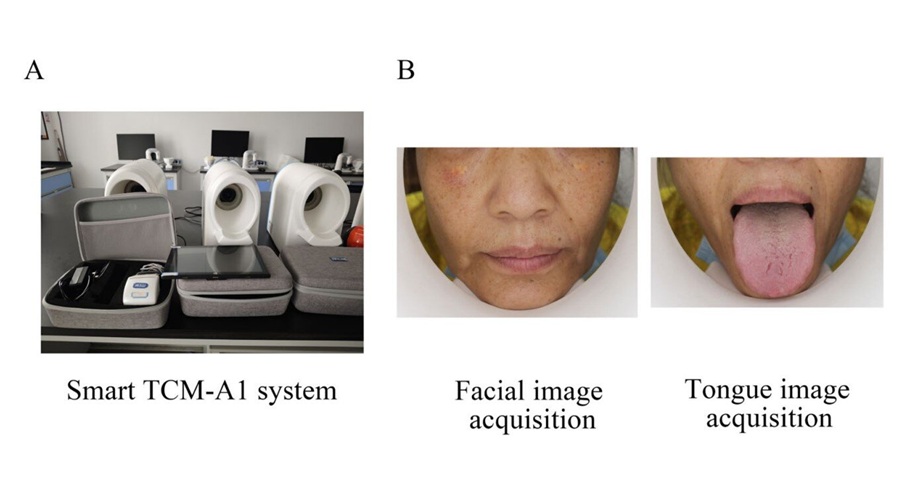
AI Tool Detects Coronary Heart Disease from Face and Tongue Images
Coronary heart disease (CHD) develops when fatty plaques narrow the arteries supplying the heart muscle, restricting blood flow and sometimes first presenting as chest pain, myocardial infarction, or another... Read more

Critical Care
view channel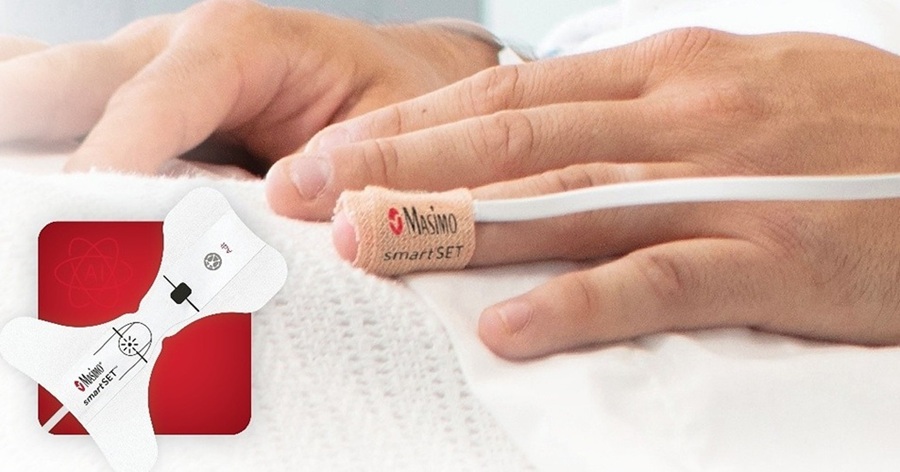
Smart Pulse Oximetry Supports Earlier Recognition of Arrhythmias and Respiratory Risk
On general care floors, respiratory compromise and arrhythmias can develop between routine checks. Atrial fibrillation often goes undiagnosed in older adults, while opioid-induced respiratory depression... Read more
Proposed Risk Score Prioritizes Sickest Patients for Heart Transplant
Donor hearts remain extremely scarce in the U.S. transplant system, with one in five candidates dying or being removed from the waiting list before receiving an organ. Current allocation rules may also... Read more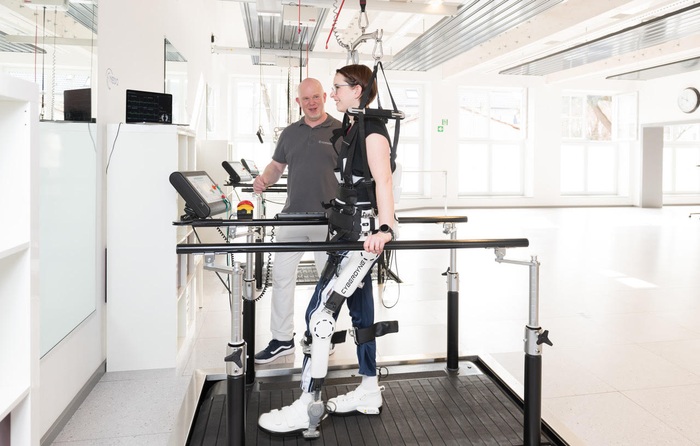

Surgical Techniques
view channel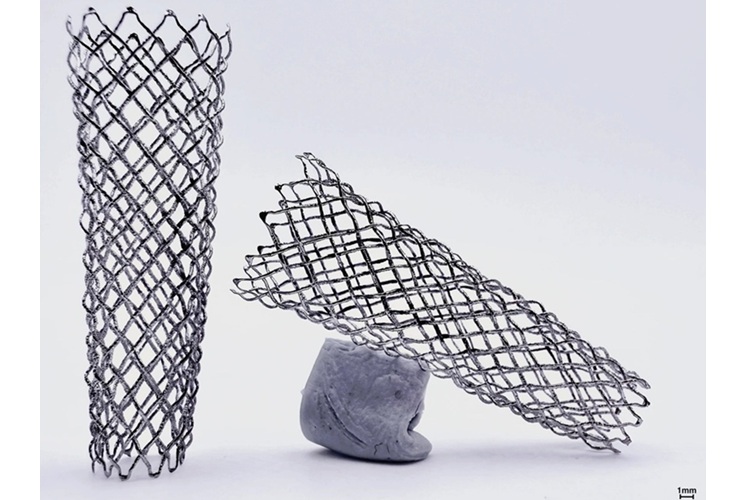
3D Printing Method Could Enable More Flexible Cardiovascular Implants
Minimally invasive transcatheter devices must compress into small catheters and recover their intended shape after deployment, creating a design challenge for cardiovascular implants with complex, patient-specific... Read more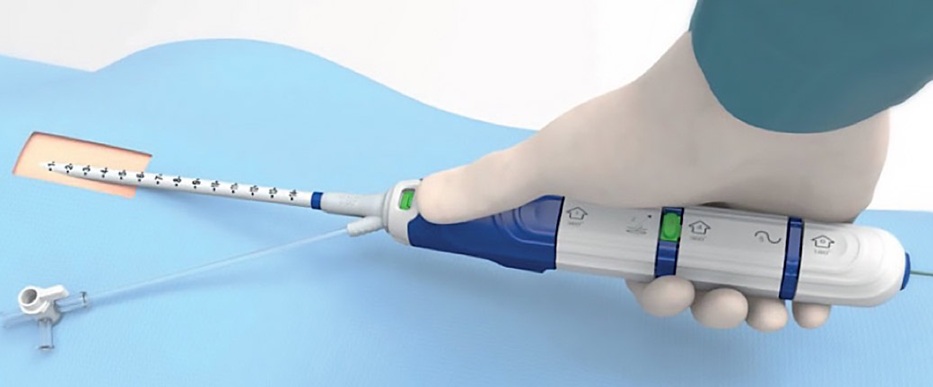
FDA Approves Bioabsorbable Patch Technology for Large-Bore Vascular Closure
Structural heart and endovascular procedures often require large-bore arterial access, increasing the need for reliable vascular closure after intervention. Closure systems must achieve hemostasis while... Read more
Robotic Approach Enables Minimally Invasive Repair of Hard-to-Reach Abdominal Hernias
Lateral abdominal wall hernias are uncommon defects that develop along the side of the abdomen and can be difficult to repair because of their proximity to the ribs, pelvis, muscles, nerves, and blood vessels.... Read more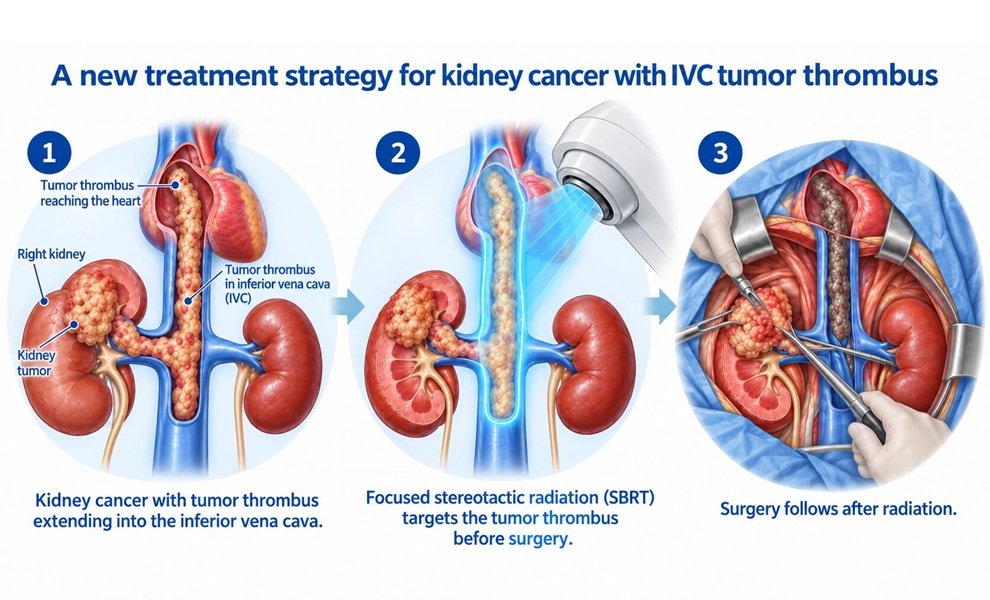
Patient Care
view channel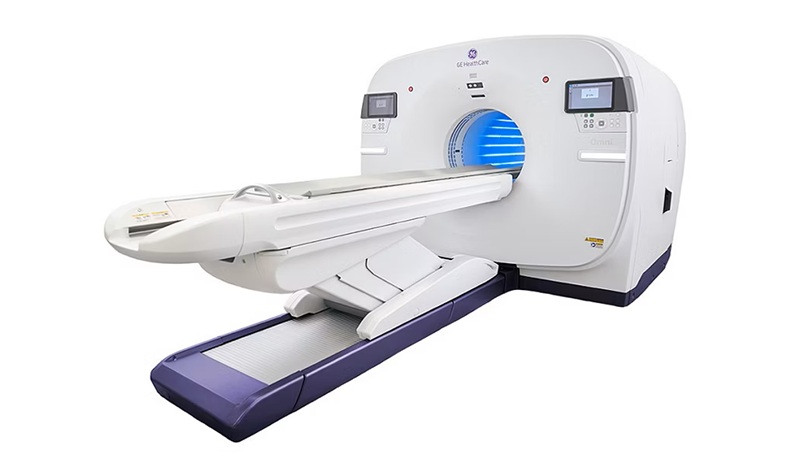
Total-Body PET/CT Scanner Enables One-Minute Diagnostic-Quality Cancer Imaging
Positron emission tomography/computed tomography (PET/CT) combines radiotracer-based functional imaging with anatomical detail to diagnose, stage, and monitor cancer. Conventional scanners image the body... Read more
AI Platform Personalizes Support Between Visits for Cancer Survivors
Cancer survivors often manage persistent side effects after treatment, including fatigue, anxiety, uncertainty, symptoms, stress, and questions between appointments. Clinical teams need ways to maintain... Read more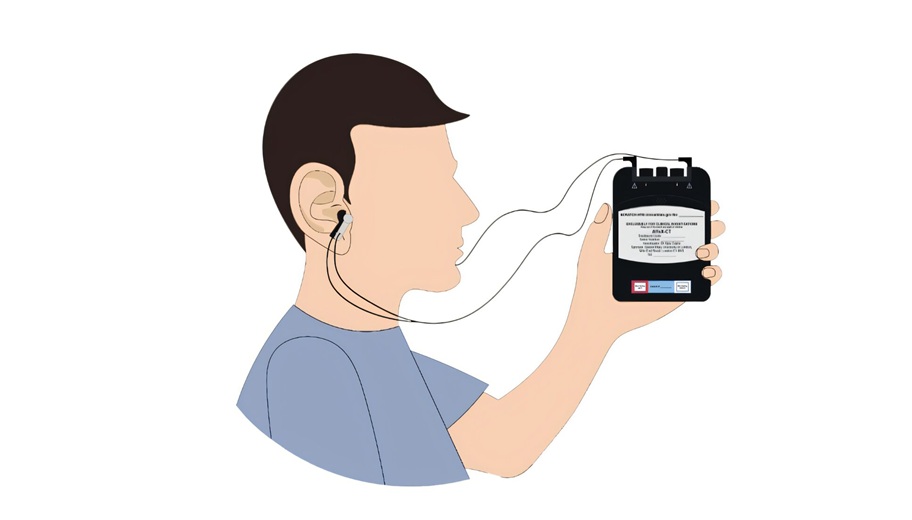
At-Home Neuromodulation Shows Promise in Selected Patients With Hypertension
High blood pressure is a major risk factor for cardiovascular disease, including heart attack and stroke. Many patients receiving treatment for hypertension still remain above recommended blood pressure... Read more
EHR Model Flags High-Risk Periods in Patients with Metastatic Breast Cancer
Determining when patients with metastatic breast cancer are nearing the end of life remains difficult, often leading to intensive interventions with limited benefit. Prognostic uncertainty can delay goals-of-care... Read moreMedical Imaging
view channel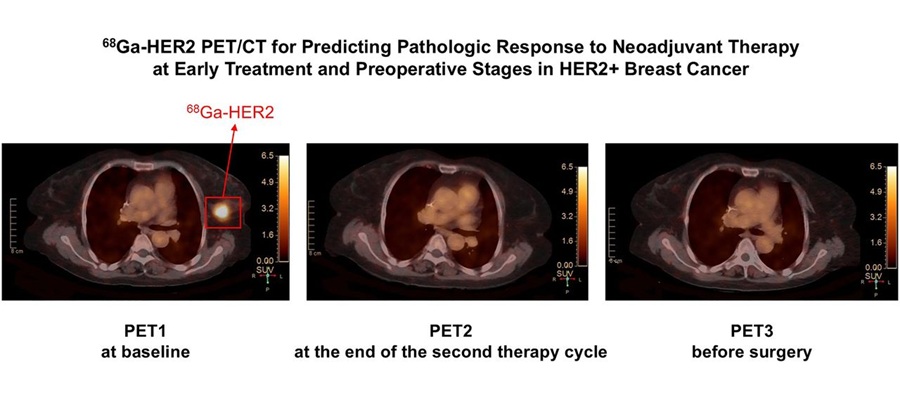
Targeted PET/CT Predicts Early Treatment Response in HER2-Positive Breast Cancer
HER2-positive breast cancer is an aggressive subtype that accounts for a substantial proportion of breast cancer cases. Patients often receive neoadjuvant therapy before surgery to shrink tumors, but assessing... Read more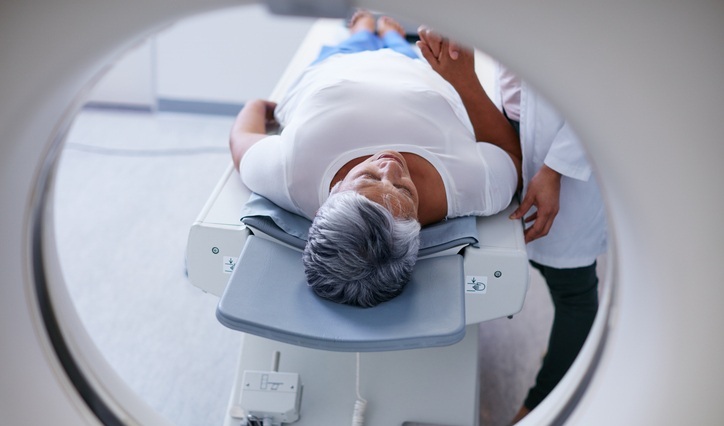
Amyloid and Tau PET Guide Selection and Monitoring of Alzheimer’s Therapy
Alzheimer’s disease is the most common form of dementia and can be difficult to distinguish from other causes of cognitive decline. According to the World Health Organization (WHO), 57 million people were... Read more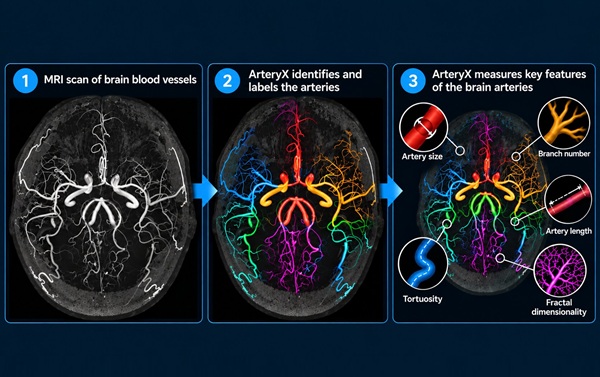
MRI Tool Analysis Identifies Vascular Differences in Cerebral Small Vessel Disease
Cerebral small vessel disease (CSVD) involves changes or damage to the brain’s small blood vessels and is associated with stroke and cognitive impairment. Magnetic resonance imaging (MRI) can show cerebral... Read more
Health IT
view channel
EHR Alerts Support Dosing, Sedation, and Shock Recognition in Cardiac Care
Electronic health record alerts can add to clinician workload when they are poorly targeted. In critical cardiac care, however, delayed decisions can affect treatment timing, sedation exposure, and escalation... Read more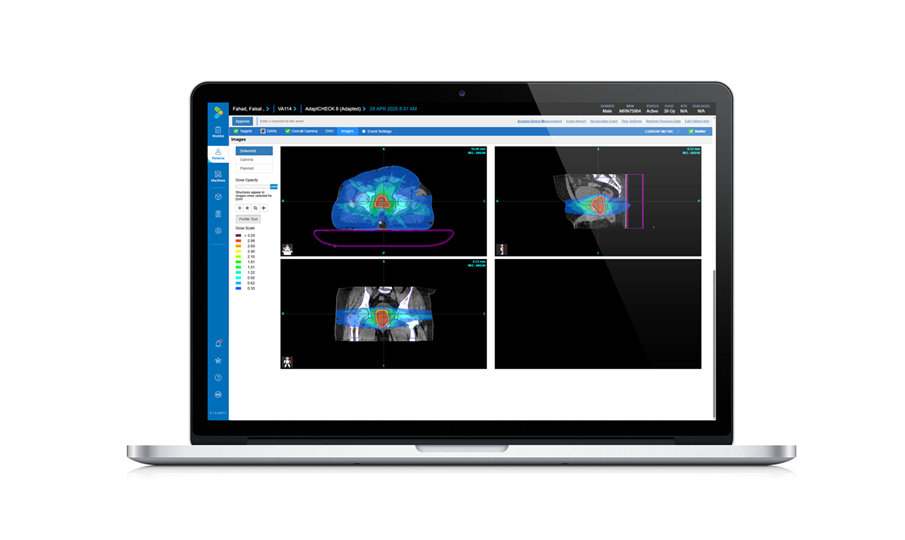
Adaptive Radiation QA Software Gains Validation for NeoArc Treatments
Adaptive radiation therapy allows clinicians to adjust treatment plans to daily anatomical changes such as tumor shrinkage, weight loss, or organ movement, improving precision while limiting exposure to... Read more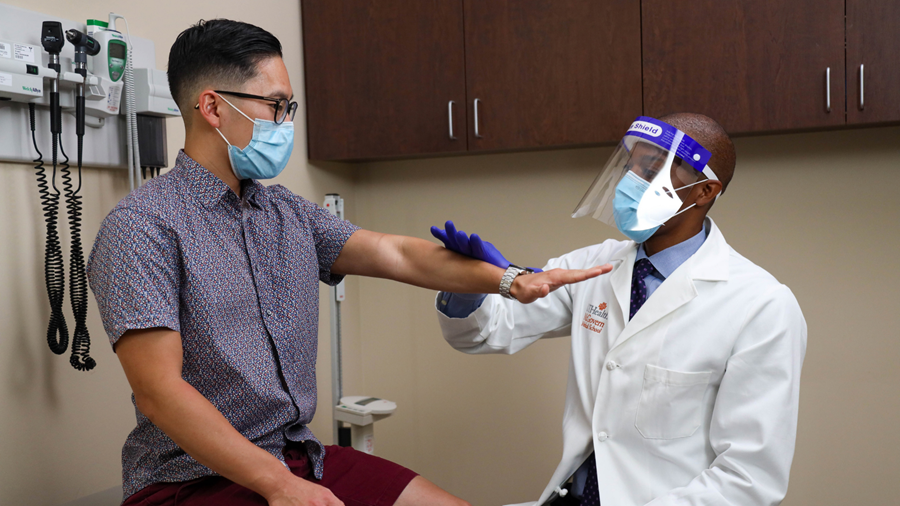

Point of Care
view channel
Continuous Glucose Monitoring Identifies Cardiometabolic Risk in Adults Without Diabetes
Dysglycemia—abnormal blood glucose regulation—can fluctuate throughout the day and often escape conventional screening. Clinicians typically rely on fasting plasma glucose and hemoglobin A1c, which offer... Read more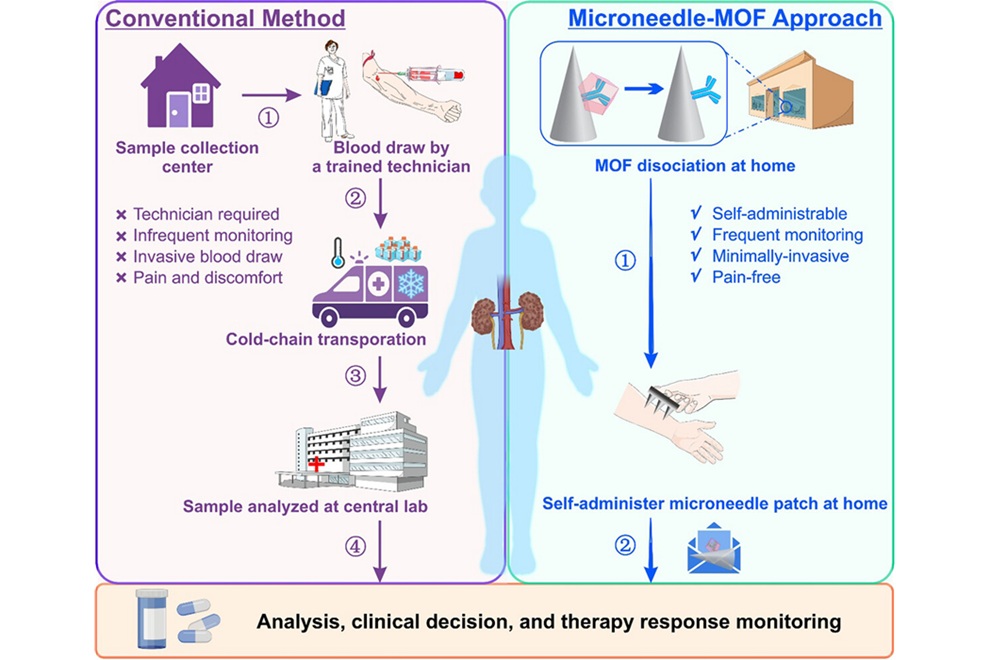
Microneedle Patch Enables At-Home Monitoring of Acute Kidney Injury
Kidney disease is often silent in its early stages, making timely detection difficult outside clinical settings. Early biomarkers such as neutrophil gelatinase–associated lipocalin can require blood draws... Read more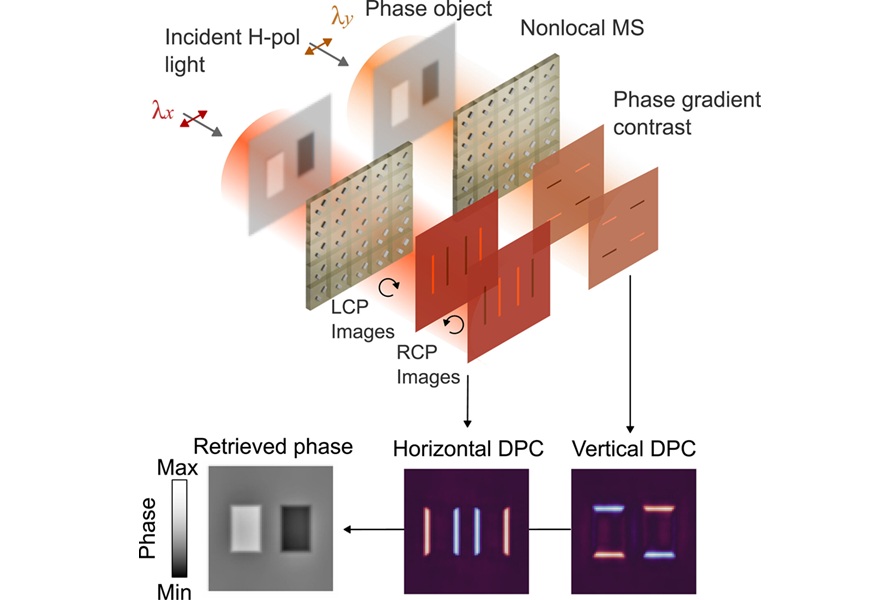
Business
view channel
Steris to Expand Surgical Safety Portfolio With $2.1 Billion Xodus Medical Deal
Steris has signed a definitive agreement to acquire Xodus Medical, a specialty surgical products business based in Pennsylvania, for $2.1 billion at closing. The acquisition will expand Steris’s healthcare... Read more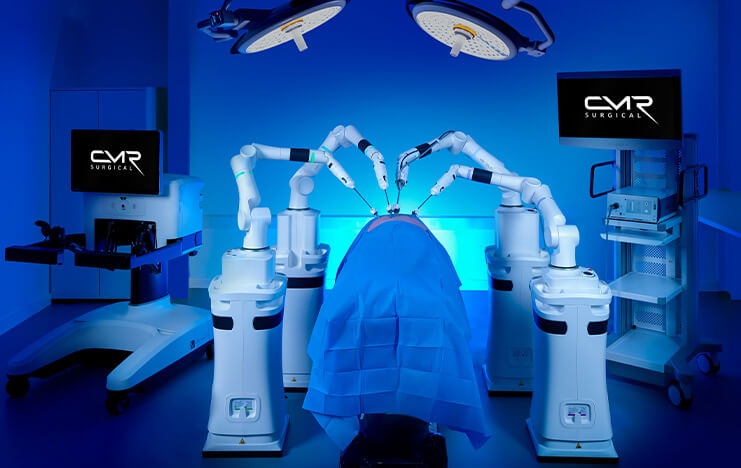
Stryker Enters Soft-Tissue Robotics Through Strategic Alliance With CMR Surgical
Stryker (Portage, MI, USA) and CMR Surgical (Cambridge, UK) have announced a strategic alliance centered on the Versius Surgical Robotic portfolio. The agreement includes an approximately USD 400 million... Read more
Terumo Neuro Acquisition Advances Liquid Embolic Technology for Chronic Subdural Hematoma
Terumo Neuro (Aliso Viejo, CA, USA) signed an agreement to acquire Arsenal Medical Inc. (Waltham, MA, USA), a privately held, clinical-stage biomaterials company. The proposed acquisition would add NeoCast,... Read more