Functional MRI Can Provide Clearer Picture of Unresponsive COVID-19 Patient's Brain Function and Potential for Recovery
|
By HospiMedica International staff writers Posted on 26 Jan 2021 |


|
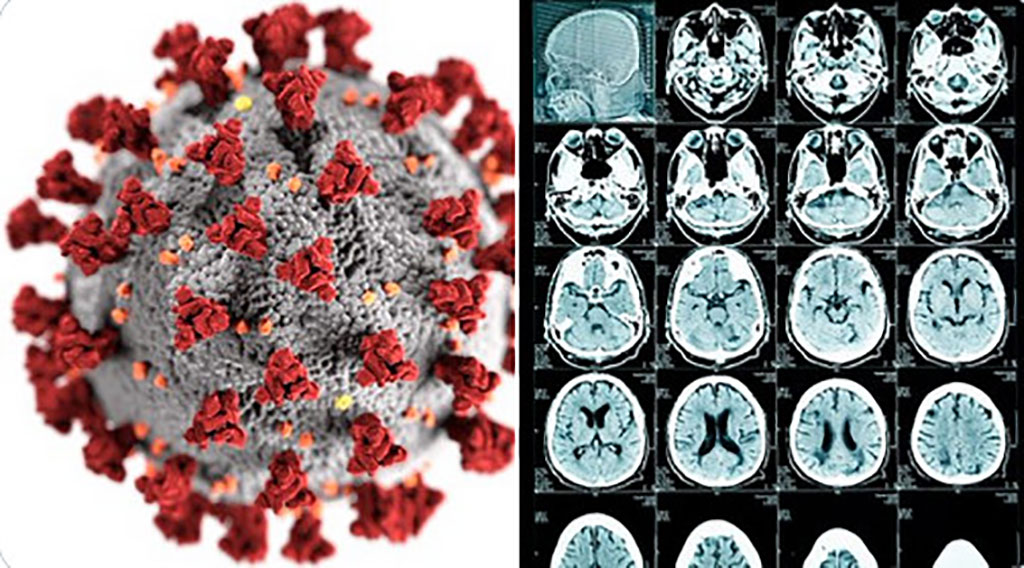
Illustration
A new study has provided proof of principle that clinicians may be able to use advanced imaging techniques like functional MRI to get a clearer picture of the brain function of unresponsive COVID-19 patients and their potential for recovery.
Investigators led by a team at Massachusetts General Hospital (Boston, MA, USA) have described a patient with severe COVID-19 who, despite prolonged unresponsiveness and structural brain abnormalities, demonstrated functionally intact brain connections and weeks later he recovered the ability to follow commands. The case suggests that unresponsive patients with COVID-19 may have a better chance of recovery than expected.
In addition to performing standard brain imaging tests, the team took images of the patient’s brain with a technique called resting-state functional magnetic resonance imaging (rs-fMRI), which evaluates the connectivity of brain networks by measuring spontaneous oscillations of brain activity. The patient was a 47-year-old man who developed progressive respiratory failure, and despite intensive treatment, he fluctuated between coma and a minimally conscious state for several weeks.
Standard brain imaging tests revealed considerable damage, but unexpectedly, rs-fMRI revealed robust functional connectivity within the default mode network (DMN), which is a brain network thought to be involved in human consciousness. Studies have shown that stronger DMN connectivity in patients with disorders of consciousness predicts better neurologic recovery. The patient’s DMN connectively was comparable to that seen in healthy individuals, suggesting that the neurologic prognosis may not be as grim as conventional tests implied. Twenty days later, on hospital day 61, the patient began following verbal commands. He blinked his eyes to command, opened his mouth to command and on day 66 followed four out of four vocalization commands. By this time, he also consistently demonstrated gaze tracking with his eyes in response to visual and auditory stimuli.
Many patients with severe COVID-19 remain unresponsive after surviving critical illness. Providing families with an accurate prognosis about neurological recovery is particularly challenging for COVID-19 patients, because so little is known about how the brain is affected by SARS-CoV-2, or associated inflammation and clotting disorders. The application of functional MRI to critically ill patients with disorders of consciousness is the culmination of decades of work to develop this technology and ultimately translate it to clinical care.
Co-author Bruce Rosen, MD, PhD, director of the Athinoula A. Martinos Center for Biomedical Imaging at Mass General, and one of the developers of functional MRI in the early 1990s, explained that “we have to be cautious when interpreting results from a single patient, but this study provides proof of principle that clinicians may be able to use advanced imaging techniques like functional MRI to get a clearer picture of a patient’s brain function, and hence the potential for recovery.”
Related Links:
Massachusetts General Hospital




Investigators led by a team at Massachusetts General Hospital (Boston, MA, USA) have described a patient with severe COVID-19 who, despite prolonged unresponsiveness and structural brain abnormalities, demonstrated functionally intact brain connections and weeks later he recovered the ability to follow commands. The case suggests that unresponsive patients with COVID-19 may have a better chance of recovery than expected.
In addition to performing standard brain imaging tests, the team took images of the patient’s brain with a technique called resting-state functional magnetic resonance imaging (rs-fMRI), which evaluates the connectivity of brain networks by measuring spontaneous oscillations of brain activity. The patient was a 47-year-old man who developed progressive respiratory failure, and despite intensive treatment, he fluctuated between coma and a minimally conscious state for several weeks.
Standard brain imaging tests revealed considerable damage, but unexpectedly, rs-fMRI revealed robust functional connectivity within the default mode network (DMN), which is a brain network thought to be involved in human consciousness. Studies have shown that stronger DMN connectivity in patients with disorders of consciousness predicts better neurologic recovery. The patient’s DMN connectively was comparable to that seen in healthy individuals, suggesting that the neurologic prognosis may not be as grim as conventional tests implied. Twenty days later, on hospital day 61, the patient began following verbal commands. He blinked his eyes to command, opened his mouth to command and on day 66 followed four out of four vocalization commands. By this time, he also consistently demonstrated gaze tracking with his eyes in response to visual and auditory stimuli.
Many patients with severe COVID-19 remain unresponsive after surviving critical illness. Providing families with an accurate prognosis about neurological recovery is particularly challenging for COVID-19 patients, because so little is known about how the brain is affected by SARS-CoV-2, or associated inflammation and clotting disorders. The application of functional MRI to critically ill patients with disorders of consciousness is the culmination of decades of work to develop this technology and ultimately translate it to clinical care.
Co-author Bruce Rosen, MD, PhD, director of the Athinoula A. Martinos Center for Biomedical Imaging at Mass General, and one of the developers of functional MRI in the early 1990s, explained that “we have to be cautious when interpreting results from a single patient, but this study provides proof of principle that clinicians may be able to use advanced imaging techniques like functional MRI to get a clearer picture of a patient’s brain function, and hence the potential for recovery.”
Related Links:
Massachusetts General Hospital

Gold Member
Real-Time Diagnostics Onscreen Viewer
GEMweb Live
Head Rest
Medifa 61114_3
MRI System
nanoScan MRI 3T/7T
Latest COVID-19 News
- Low-Cost System Detects SARS-CoV-2 Virus in Hospital Air Using High-Tech Bubbles
- World's First Inhalable COVID-19 Vaccine Approved in China
- COVID-19 Vaccine Patch Fights SARS-CoV-2 Variants Better than Needles
- Blood Viscosity Testing Can Predict Risk of Death in Hospitalized COVID-19 Patients
- ‘Covid Computer’ Uses AI to Detect COVID-19 from Chest CT Scans
- MRI Lung-Imaging Technique Shows Cause of Long-COVID Symptoms
- Chest CT Scans of COVID-19 Patients Could Help Distinguish Between SARS-CoV-2 Variants
- Specialized MRI Detects Lung Abnormalities in Non-Hospitalized Long COVID Patients
- AI Algorithm Identifies Hospitalized Patients at Highest Risk of Dying From COVID-19
- Sweat Sensor Detects Key Biomarkers That Provide Early Warning of COVID-19 and Flu
- Study Assesses Impact of COVID-19 on Ventilation/Perfusion Scintigraphy
- CT Imaging Study Finds Vaccination Reduces Risk of COVID-19 Associated Pulmonary Embolism
- Third Day in Hospital a ‘Tipping Point’ in Severity of COVID-19 Pneumonia
- Longer Interval Between COVID-19 Vaccines Generates Up to Nine Times as Many Antibodies
- AI Model for Monitoring COVID-19 Predicts Mortality Within First 30 Days of Admission
- AI Predicts COVID Prognosis at Near-Expert Level Based Off CT Scans
Channels
Critical Care
view channel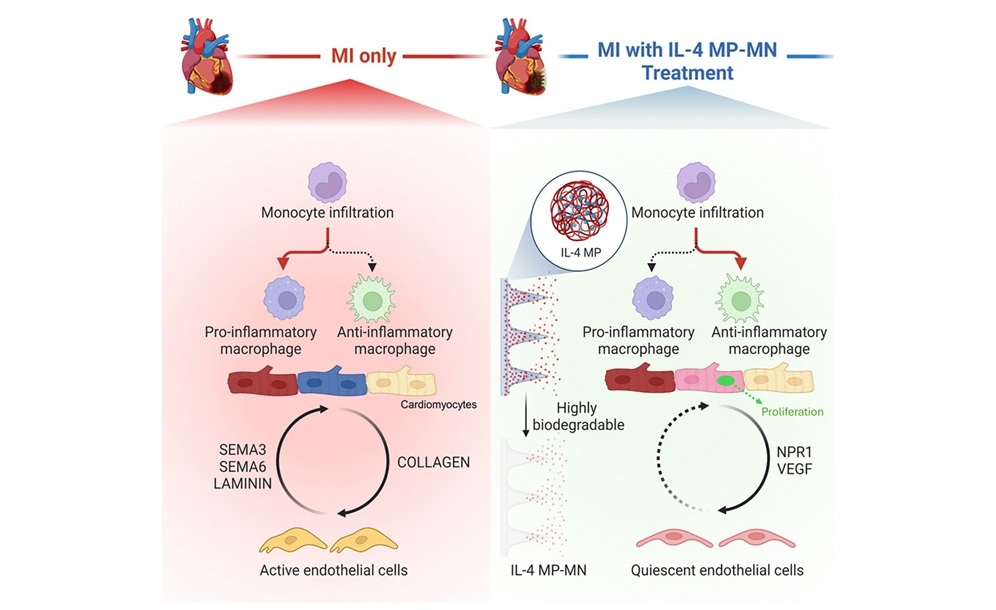
Biodegradable Patch Repairs Damaged Tissue After Heart Attack
A heart attack causes sudden loss of oxygen to the heart muscle, triggering cell death and a strong inflammatory response that often leads to scar formation. While scarring helps stabilize the heart, it... Read more
Magnetically Guided Microrobots to Enable Targeted Drug Delivery
Stroke affects 12 million people globally each year, often causing death or lasting disability. Current treatment relies on systemic administration of clot-dissolving drugs, which circulate throughout... Read more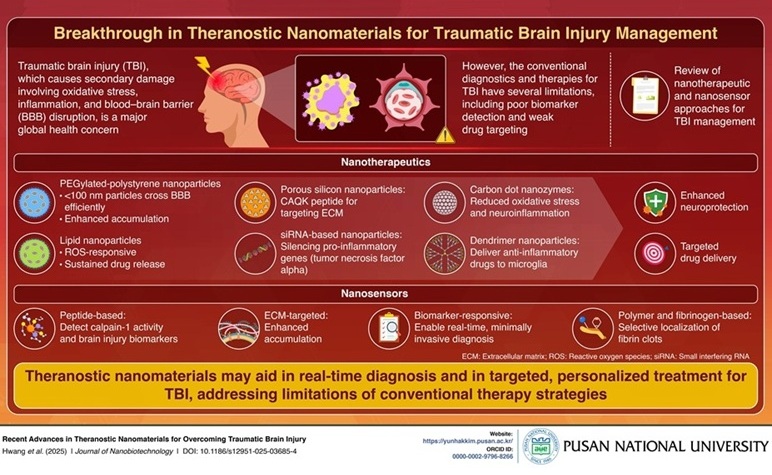
Smart Nanomaterials Detect and Treat Traumatic Brain Injuries Simultaneously
Traumatic brain injury (TBI) continues to leave millions with long-term disabilities every year. After a sudden impact from a fall, collision, or accident, the brain undergoes inflammation, oxidative stress,... Read more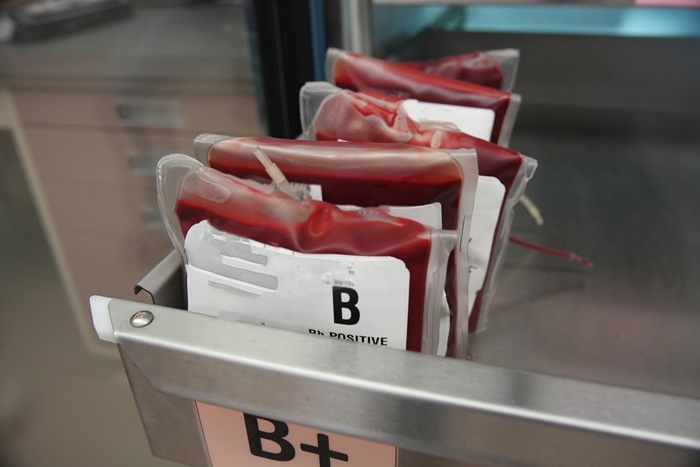
Earlier Blood Transfusion Could Reduce Heart Failure and Arrhythmia in Heart Disease Patients
Blood loss during or after surgery can place significant stress on people with heart disease, increasing the risk of dangerous complications. Transfusions are often delayed until hemoglobin levels fall... Read moreSurgical Techniques
view channel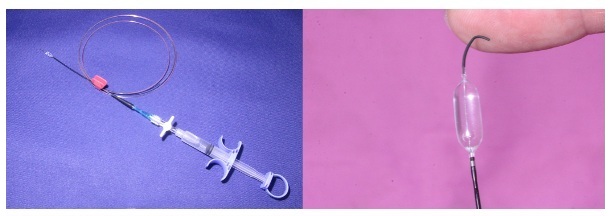
Novel Endoscopy Technique Provides Access to Deep Lung Tumors
Detecting lung cancer early can save lives, but diagnosing small tumors deep in the outer regions of the lungs remains a major clinical challenge. Although CT scans frequently identify tiny suspicious... Read more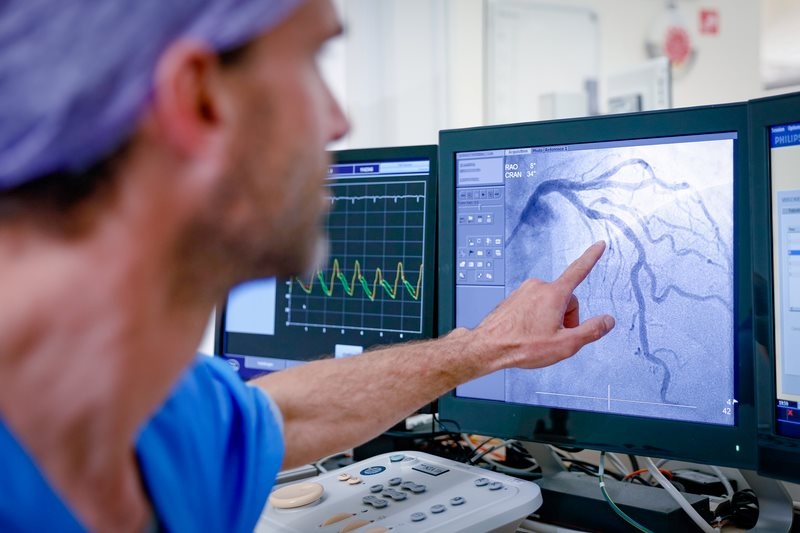
New Study Findings Could Halve Number of Stent Procedures
When a coronary artery becomes acutely blocked during a heart attack, opening it immediately is essential to prevent irreversible damage. However, many patients also have other narrowed vessels that appear... Read more
Patient Care
view channel
Revolutionary Automatic IV-Line Flushing Device to Enhance Infusion Care
More than 80% of in-hospital patients receive intravenous (IV) therapy. Every dose of IV medicine delivered in a small volume (<250 mL) infusion bag should be followed by subsequent flushing to ensure... Read more
VR Training Tool Combats Contamination of Portable Medical Equipment
Healthcare-associated infections (HAIs) impact one in every 31 patients, cause nearly 100,000 deaths each year, and cost USD 28.4 billion in direct medical expenses. Notably, up to 75% of these infections... Read more
Portable Biosensor Platform to Reduce Hospital-Acquired Infections
Approximately 4 million patients in the European Union acquire healthcare-associated infections (HAIs) or nosocomial infections each year, with around 37,000 deaths directly resulting from these infections,... Read more
First-Of-Its-Kind Portable Germicidal Light Technology Disinfects High-Touch Clinical Surfaces in Seconds
Reducing healthcare-acquired infections (HAIs) remains a pressing issue within global healthcare systems. In the United States alone, 1.7 million patients contract HAIs annually, leading to approximately... Read moreHealth IT
view channel
EMR-Based Tool Predicts Graft Failure After Kidney Transplant
Kidney transplantation offers patients with end-stage kidney disease longer survival and better quality of life than dialysis, yet graft failure remains a major challenge. Although a successful transplant... Read more
Printable Molecule-Selective Nanoparticles Enable Mass Production of Wearable Biosensors
The future of medicine is likely to focus on the personalization of healthcare—understanding exactly what an individual requires and delivering the appropriate combination of nutrients, metabolites, and... Read more

Business
view channel
Philips and Masimo Partner to Advance Patient Monitoring Measurement Technologies
Royal Philips (Amsterdam, Netherlands) and Masimo (Irvine, California, USA) have renewed their multi-year strategic collaboration, combining Philips’ expertise in patient monitoring with Masimo’s noninvasive... Read more
B. Braun Acquires Digital Microsurgery Company True Digital Surgery
The high-end microsurgery market in neurosurgery, spine, and ENT is undergoing a significant transformation. Traditional analog microscopes are giving way to digital exoscopes, which provide improved visualization,... Read more
CMEF 2025 to Promote Holistic and High-Quality Development of Medical and Health Industry
The 92nd China International Medical Equipment Fair (CMEF 2025) Autumn Exhibition is scheduled to be held from September 26 to 29 at the China Import and Export Fair Complex (Canton Fair Complex) in Guangzhou.... Read more