






New Machine Learning-Based Approach Identifies Existing Drugs That Could Be Repurposed to Fight COVID-19
|
By HospiMedica International staff writers Posted on 16 Feb 2021 |


|
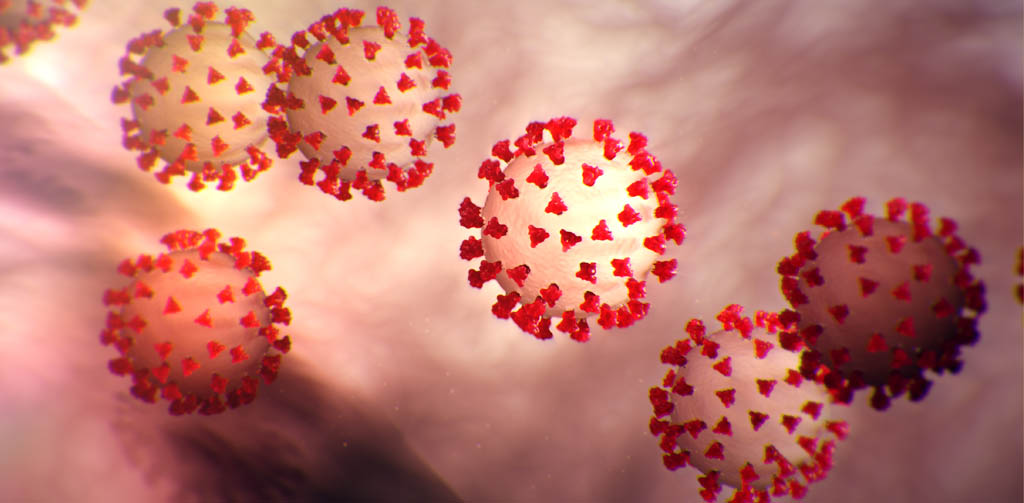
Illustration
Researchers have developed a machine learning-based approach to identify drugs that might be repurposed to fight COVID-19 in elderly patients.
The machine learning-based approach developed by researchers at the Massachusetts Institute of Technology (MIT; Cambridge, MA, USA) aims to identify drugs already on the market that could potentially be repurposed to fight COVID-19, particularly in the elderly. The system accounts for changes in gene expression in lung cells caused by both the disease and aging. That combination could allow medical experts to more quickly seek drugs for clinical testing in elderly patients, who tend to experience more severe symptoms. The researchers pinpointed the protein RIPK1 as a promising target for COVID-19 drugs, and they identified three approved drugs that act on the expression of RIPK1.
Stiffening lung tissue in COVID-19 harmed older patients due to aging shows different patterns of gene expression than in younger people, even in response to the same signal. The researchers looked at aging together with SARS-CoV-2, including identifying the genes at the intersection of these two pathways. To select approved drugs that might act on these pathways, the team turned to big data and artificial intelligence.
The researchers zeroed in on the most promising drug repurposing candidates in three broad steps. First, they generated a large list of possible drugs using a machine-learning technique called an autoencoder. Next, they mapped the network of genes and proteins involved in both aging and SARS-CoV-2 infection. Finally, they used statistical algorithms to understand causality in that network, allowing them to pinpoint "upstream" genes that caused cascading effects throughout the network. In principle, drugs targeting those upstream genes and proteins should be promising candidates for clinical trials.
To generate an initial list of potential drugs, the team's autoencoder relied on two key datasets of gene expression patterns. One dataset showed how expression in various cell types responded to a range of drugs already on the market, and the other showed how expression responded to infection with SARS-CoV-2. The autoencoder scoured the datasets to highlight drugs whose impacts on gene expression appeared to counteract the effects of SARS-CoV-2. Next, the researchers narrowed the list of potential drugs by homing in on key genetic pathways. They mapped the interactions of proteins involved in the aging and Sars-CoV-2 infection pathways. Then they identified areas of overlap among the two maps. That effort pinpointed the precise gene expression network that a drug would need to target to combat COVID-19 in elderly patients.
The researchers were yet to identify which genes and proteins were "upstream" (i.e. they have cascading effects on the expression of other genes) and which were "downstream" (i.e. their expression is altered by prior changes in the network). An ideal drug candidate would target the genes at the upstream end of the network to minimize the impacts of infection. So the team used algorithms that infer causality in interacting systems to turn their undirected network into a causal network. The final causal network identified RIPK1 as a target gene/protein for potential COVID-19 drugs, since it has numerous downstream effects. The researchers identified a list of the approved drugs that act on RIPK1 and may have potential to treat COVID-19. Previously these drugs have been approved for the use in cancer. Other drugs that were also identified, including ribavirin and quinapril, are already in clinical trials for COVID-19.
The researchers now plan to share their findings with pharmaceutical companies, clinical testing is needed to determine efficacy before any of the identified drugs can be approved for repurposed use in elderly COVID-19 patients,. While this particular study focused on COVID-19, the researchers say their framework is extendable.
"I'm really excited that this platform can be more generally applied to other infections or diseases," said Anastasiya Belyaeva, study co-author and MIT PhD student.
Related Links:
Massachusetts Institute of Technology (MIT)




The machine learning-based approach developed by researchers at the Massachusetts Institute of Technology (MIT; Cambridge, MA, USA) aims to identify drugs already on the market that could potentially be repurposed to fight COVID-19, particularly in the elderly. The system accounts for changes in gene expression in lung cells caused by both the disease and aging. That combination could allow medical experts to more quickly seek drugs for clinical testing in elderly patients, who tend to experience more severe symptoms. The researchers pinpointed the protein RIPK1 as a promising target for COVID-19 drugs, and they identified three approved drugs that act on the expression of RIPK1.
Stiffening lung tissue in COVID-19 harmed older patients due to aging shows different patterns of gene expression than in younger people, even in response to the same signal. The researchers looked at aging together with SARS-CoV-2, including identifying the genes at the intersection of these two pathways. To select approved drugs that might act on these pathways, the team turned to big data and artificial intelligence.
The researchers zeroed in on the most promising drug repurposing candidates in three broad steps. First, they generated a large list of possible drugs using a machine-learning technique called an autoencoder. Next, they mapped the network of genes and proteins involved in both aging and SARS-CoV-2 infection. Finally, they used statistical algorithms to understand causality in that network, allowing them to pinpoint "upstream" genes that caused cascading effects throughout the network. In principle, drugs targeting those upstream genes and proteins should be promising candidates for clinical trials.
To generate an initial list of potential drugs, the team's autoencoder relied on two key datasets of gene expression patterns. One dataset showed how expression in various cell types responded to a range of drugs already on the market, and the other showed how expression responded to infection with SARS-CoV-2. The autoencoder scoured the datasets to highlight drugs whose impacts on gene expression appeared to counteract the effects of SARS-CoV-2. Next, the researchers narrowed the list of potential drugs by homing in on key genetic pathways. They mapped the interactions of proteins involved in the aging and Sars-CoV-2 infection pathways. Then they identified areas of overlap among the two maps. That effort pinpointed the precise gene expression network that a drug would need to target to combat COVID-19 in elderly patients.
The researchers were yet to identify which genes and proteins were "upstream" (i.e. they have cascading effects on the expression of other genes) and which were "downstream" (i.e. their expression is altered by prior changes in the network). An ideal drug candidate would target the genes at the upstream end of the network to minimize the impacts of infection. So the team used algorithms that infer causality in interacting systems to turn their undirected network into a causal network. The final causal network identified RIPK1 as a target gene/protein for potential COVID-19 drugs, since it has numerous downstream effects. The researchers identified a list of the approved drugs that act on RIPK1 and may have potential to treat COVID-19. Previously these drugs have been approved for the use in cancer. Other drugs that were also identified, including ribavirin and quinapril, are already in clinical trials for COVID-19.
The researchers now plan to share their findings with pharmaceutical companies, clinical testing is needed to determine efficacy before any of the identified drugs can be approved for repurposed use in elderly COVID-19 patients,. While this particular study focused on COVID-19, the researchers say their framework is extendable.
"I'm really excited that this platform can be more generally applied to other infections or diseases," said Anastasiya Belyaeva, study co-author and MIT PhD student.
Related Links:
Massachusetts Institute of Technology (MIT)

Gold Member
12-Channel ECG
CM1200B
New
Digital Radiography System (Ceiling Free)
Digix CF Series
New
Hybrid Arch Device
Neo EDE
Latest COVID-19 News
- Low-Cost System Detects SARS-CoV-2 Virus in Hospital Air Using High-Tech Bubbles
- World's First Inhalable COVID-19 Vaccine Approved in China
- COVID-19 Vaccine Patch Fights SARS-CoV-2 Variants Better than Needles
- Blood Viscosity Testing Can Predict Risk of Death in Hospitalized COVID-19 Patients
- ‘Covid Computer’ Uses AI to Detect COVID-19 from Chest CT Scans
- MRI Lung-Imaging Technique Shows Cause of Long-COVID Symptoms
- Chest CT Scans of COVID-19 Patients Could Help Distinguish Between SARS-CoV-2 Variants
- Specialized MRI Detects Lung Abnormalities in Non-Hospitalized Long COVID Patients
- AI Algorithm Identifies Hospitalized Patients at Highest Risk of Dying From COVID-19
- Sweat Sensor Detects Key Biomarkers That Provide Early Warning of COVID-19 and Flu
- Study Assesses Impact of COVID-19 on Ventilation/Perfusion Scintigraphy
- CT Imaging Study Finds Vaccination Reduces Risk of COVID-19 Associated Pulmonary Embolism
- Third Day in Hospital a ‘Tipping Point’ in Severity of COVID-19 Pneumonia
- Longer Interval Between COVID-19 Vaccines Generates Up to Nine Times as Many Antibodies
- AI Model for Monitoring COVID-19 Predicts Mortality Within First 30 Days of Admission
- AI Predicts COVID Prognosis at Near-Expert Level Based Off CT Scans
Channels
Artificial Intelligence
view channel
Machine Learning Approach Enhances Liver Cancer Risk Stratification
Hepatocellular carcinoma, the most common form of primary liver cancer, is often detected late despite targeted surveillance programs. Current screening guidelines emphasize patients with known cirrhosis,... Read more
New AI Approach Monitors Brain Health Using Passive Wearable Data
Brain health spans cognitive and emotional functions and can fluctuate even in adults without diagnosed disease. Detecting early changes remains difficult in routine care and burdens specialty services... Read more

Critical Care
view channel
Automated IV Labeling Solution Improves Infusion Safety and Efficiency
Medication administration in high-acuity settings is often complicated by multiple concurrent infusions, making accurate line identification essential. In a 10-hospital intensive care unit study, 60% of... Read more
First-Of-Its-Kind AI Tool Detects Pulmonary Hypertension from Standard ECGs
Pulmonary hypertension is a progressive, life‑threatening disease that is frequently missed early because symptoms such as dyspnea are nonspecific and diagnostic delays can exceed two years.... Read more
Surgical Techniques
view channel
Continuous Monitoring with Wearables Enhances Postoperative Patient Safety
Postoperative hypoxemia on general surgical wards is common and often missed by intermittent vital sign checks. Undetected low oxygen levels can delay recovery and raise the risk of complications that... Read more
New Approach Enables Customized Muscle Tissue Without Biomaterial Scaffolds
Volumetric muscle loss is a traumatic loss of skeletal muscle that often leads to permanent functional impairment and limited reconstructive options. Current experimental strategies struggle to deliver... Read more
Patient Care
view channel
Wearable Sleep Data Predict Adherence to Pulmonary Rehabilitation
Chronic obstructive pulmonary disease (COPD) is a long-term lung disorder that makes breathing difficult and often disturbs sleep, reducing energy for daily activities. Limited engagement in pulmonary... Read more
Revolutionary Automatic IV-Line Flushing Device to Enhance Infusion Care
More than 80% of in-hospital patients receive intravenous (IV) therapy. Every dose of IV medicine delivered in a small volume (<250 mL) infusion bag should be followed by subsequent flushing to ensure... Read more

Health IT
view channel
EMR-Based Tool Predicts Graft Failure After Kidney Transplant
Kidney transplantation offers patients with end-stage kidney disease longer survival and better quality of life than dialysis, yet graft failure remains a major challenge. Although a successful transplant... Read more
Printable Molecule-Selective Nanoparticles Enable Mass Production of Wearable Biosensors
The future of medicine is likely to focus on the personalization of healthcare—understanding exactly what an individual requires and delivering the appropriate combination of nutrients, metabolites, and... Read more


Business
view channel
GE HealthCare Leads Major European Initiative to Advance Cardio-Oncology Care
Cardiovascular complications are increasingly recognized among people undergoing or recovering from cancer treatment, driven by pre‑existing disease and the cardiotoxic effects of chemotherapy, radiotherapy,... Read more

