New Treatment Based on Natural Molecules That Improves Lung Function Could Keep COVID-19 Patients Off Ventilator
|
By HospiMedica International staff writers Posted on 28 Apr 2021 |


|

Illustration
A new treatment is among the first known to reduce the severity of acute respiratory distress syndrome (ARDS) caused by the flu in animals and could also keep COVID-19 patients off the ventilator.
Tests done by researchers at The Ohio State University (Columbus, OH, USA) in mice infected with high doses of influenza showed that the treatment could improve lung function in very sick mice and prevent progression of disease in mice that were pre-emptively treated after being exposed to the flu. The hope is that it may also help humans infected with the flu, and potentially other causes of ARDS) such as SARS-CoV-2 infection.
Specific cells in mice are less able to make key molecules after influenza invades the lungs, reducing their ability to produce a substance called surfactant that enables lungs to expand and contract. The shortage of surfactant is linked to ARDS, an illness so serious that it typically requires mechanical ventilation in an ICU. Researchers bypassed the blocked process in mice by re-introducing the missing molecules alone or in combination as an injected or oral treatment. The results: normalized blood oxygen levels and reduced inflammation in mouse lungs - effects that could make a person well enough for hospital discharge.
ARDS can also result from infections, cancer, trauma and many other ailments. Though this therapy has been tested in the context of the flu, its reliance on fixing a broken cell function in the host rather than killing the virus suggests it has potential to treat virtually any lung injury. The experimental treatment consists of molecules known as liponucleotides, which are essential for making surfactant in the lungs. The researchers analyzed lung cells from flu-infected mice and determined that the pathway to surfactant production was disrupted, with one of the two necessary liponucleotides completely undetectable.
The team fixed this in mice by developing therapies containing the missing liponucleotide molecule alone or combined with one or two others. The researchers inoculated mice with high doses of H1N1 influenza and then treated some mice with liponucleotides once daily for five days and others just a single time five days after exposure. The mice receiving daily treatment were protected from getting seriously ill, and the very sick mice treated on the fifth day, whose severe blood-oxygen loss and lung inflammation had cause ARDS, showed significant improvement.
There’s still a lot to learn. The agents have a strong anti-inflammatory effect, but don’t fully restore the surfactant-production process and the researchers are still not sure why that is. Studies so far have been based on findings in a single type of lung cell, but the researchers haven’t confirmed that those cells are the ones responding to the therapy - any number of other cells in the immune system, blood vessels or heart could also play a role. Despite the unknowns, the researchers believe that the missing liponucleotides naturally exist in mammals, including humans, they are considered safe and unlikely to cause side effects, even if they go unused in the body.
“The most important and impressive thing in this study is the fact that we have benefits even when we treat late in the disease process. If we could develop a drug based on these findings, you could take somebody who’s going to have to go on a ventilator and stop that completely,” said Ian Davis, professor of veterinary biosciences at The Ohio State University and senior author of the study. “There’s nothing out there now that can do this for ARDS that will bring them back to that degree, and certainly not for flu.”
Related Links:
The Ohio State University






Tests done by researchers at The Ohio State University (Columbus, OH, USA) in mice infected with high doses of influenza showed that the treatment could improve lung function in very sick mice and prevent progression of disease in mice that were pre-emptively treated after being exposed to the flu. The hope is that it may also help humans infected with the flu, and potentially other causes of ARDS) such as SARS-CoV-2 infection.
Specific cells in mice are less able to make key molecules after influenza invades the lungs, reducing their ability to produce a substance called surfactant that enables lungs to expand and contract. The shortage of surfactant is linked to ARDS, an illness so serious that it typically requires mechanical ventilation in an ICU. Researchers bypassed the blocked process in mice by re-introducing the missing molecules alone or in combination as an injected or oral treatment. The results: normalized blood oxygen levels and reduced inflammation in mouse lungs - effects that could make a person well enough for hospital discharge.
ARDS can also result from infections, cancer, trauma and many other ailments. Though this therapy has been tested in the context of the flu, its reliance on fixing a broken cell function in the host rather than killing the virus suggests it has potential to treat virtually any lung injury. The experimental treatment consists of molecules known as liponucleotides, which are essential for making surfactant in the lungs. The researchers analyzed lung cells from flu-infected mice and determined that the pathway to surfactant production was disrupted, with one of the two necessary liponucleotides completely undetectable.
The team fixed this in mice by developing therapies containing the missing liponucleotide molecule alone or combined with one or two others. The researchers inoculated mice with high doses of H1N1 influenza and then treated some mice with liponucleotides once daily for five days and others just a single time five days after exposure. The mice receiving daily treatment were protected from getting seriously ill, and the very sick mice treated on the fifth day, whose severe blood-oxygen loss and lung inflammation had cause ARDS, showed significant improvement.
There’s still a lot to learn. The agents have a strong anti-inflammatory effect, but don’t fully restore the surfactant-production process and the researchers are still not sure why that is. Studies so far have been based on findings in a single type of lung cell, but the researchers haven’t confirmed that those cells are the ones responding to the therapy - any number of other cells in the immune system, blood vessels or heart could also play a role. Despite the unknowns, the researchers believe that the missing liponucleotides naturally exist in mammals, including humans, they are considered safe and unlikely to cause side effects, even if they go unused in the body.
“The most important and impressive thing in this study is the fact that we have benefits even when we treat late in the disease process. If we could develop a drug based on these findings, you could take somebody who’s going to have to go on a ventilator and stop that completely,” said Ian Davis, professor of veterinary biosciences at The Ohio State University and senior author of the study. “There’s nothing out there now that can do this for ARDS that will bring them back to that degree, and certainly not for flu.”
Related Links:
The Ohio State University

Gold Member
Blood Gas Analyzer
i-Check200
POC Respiratory/Sore Throat Test
BIOFIRE SPOTFIRE (R/ST) Panel
Blood Pressure Monitor
Cuff Blood Pressure Monitor
Latest COVID-19 News
- Low-Cost System Detects SARS-CoV-2 Virus in Hospital Air Using High-Tech Bubbles
- World's First Inhalable COVID-19 Vaccine Approved in China
- COVID-19 Vaccine Patch Fights SARS-CoV-2 Variants Better than Needles
- Blood Viscosity Testing Can Predict Risk of Death in Hospitalized COVID-19 Patients
- ‘Covid Computer’ Uses AI to Detect COVID-19 from Chest CT Scans
- MRI Lung-Imaging Technique Shows Cause of Long-COVID Symptoms
- Chest CT Scans of COVID-19 Patients Could Help Distinguish Between SARS-CoV-2 Variants
- Specialized MRI Detects Lung Abnormalities in Non-Hospitalized Long COVID Patients
- AI Algorithm Identifies Hospitalized Patients at Highest Risk of Dying From COVID-19
- Sweat Sensor Detects Key Biomarkers That Provide Early Warning of COVID-19 and Flu
- Study Assesses Impact of COVID-19 on Ventilation/Perfusion Scintigraphy
- CT Imaging Study Finds Vaccination Reduces Risk of COVID-19 Associated Pulmonary Embolism
- Third Day in Hospital a ‘Tipping Point’ in Severity of COVID-19 Pneumonia
- Longer Interval Between COVID-19 Vaccines Generates Up to Nine Times as Many Antibodies
- AI Model for Monitoring COVID-19 Predicts Mortality Within First 30 Days of Admission
- AI Predicts COVID Prognosis at Near-Expert Level Based Off CT Scans
Channels
Artificial Intelligence
view channel
AI Improves Non-Contrast CT Interpretation for Time-Sensitive Stroke Assessment
Acute ischemic stroke occurs when a blood vessel in the brain becomes blocked, requiring rapid diagnosis to enable timely reperfusion therapy. Emergency departments often use computed tomography angiography... Read more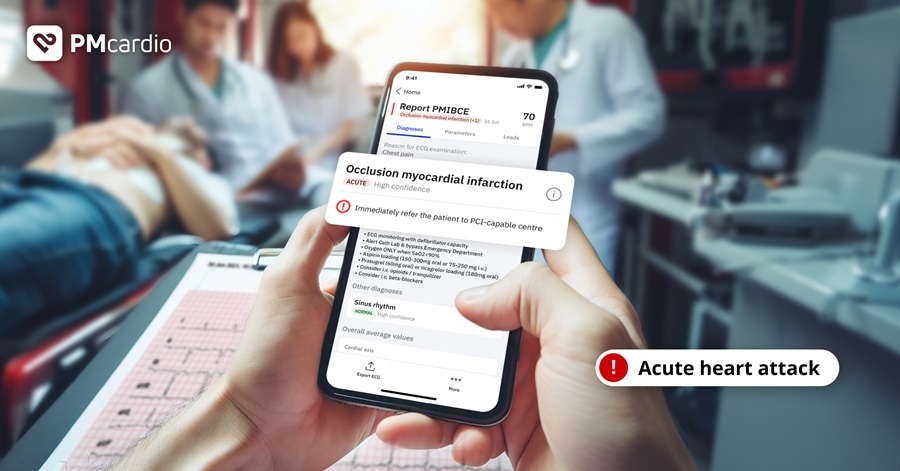
AI-Powered ECG Model Gains FDA Authorization for Emergency Cardiac Assessment
Powerful Medical’s PMcardio Queen of Hearts (ACS AI ECG Model) has received U.S. Food and Drug Administration (FDA) De Novo authorization, announced on September 15, 2026. The model is designed to identify... Read more

Critical Care
view channel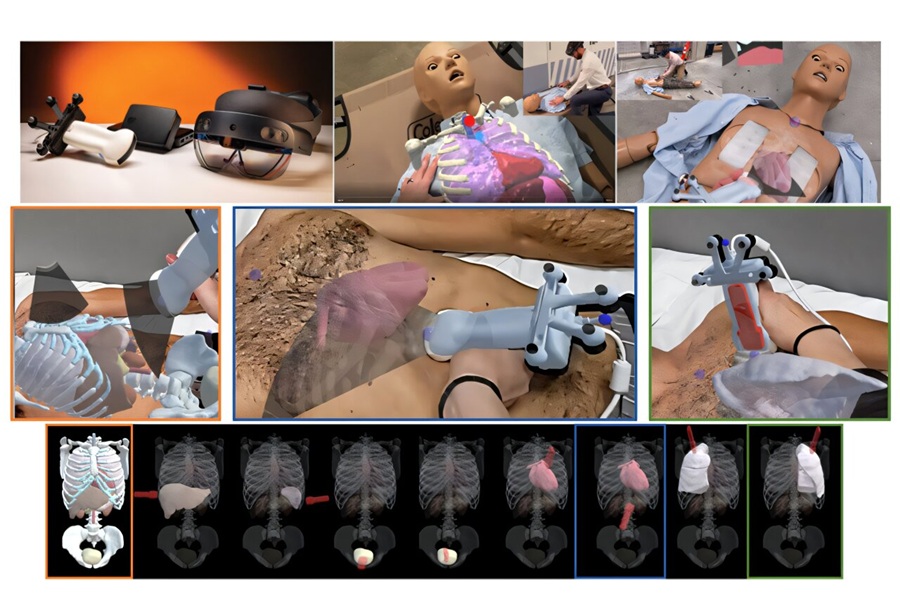
Anatomical Guidance System Improves Trauma Ultrasound Acquisition by Novice Users
Focused assessment with sonography for trauma (FAST) helps clinicians detect free fluid and signs of internal bleeding in injured patients, but obtaining reliable images can be difficult for inexperienced operators.... Read more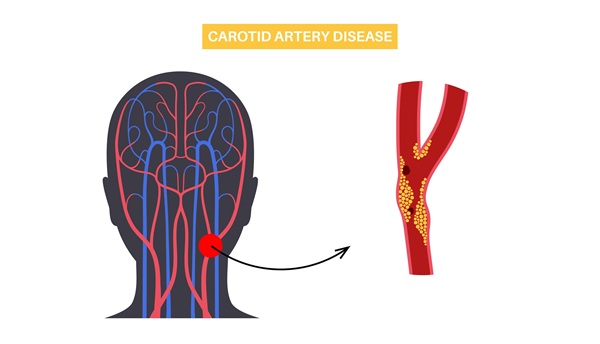
AI-Enhanced Handheld Ultrasound Improves Carotid Plaque Detection
Handheld ultrasound can miss small or faint carotid plaque, creating uncertainty in community screening. This gap makes it harder for frontline clinicians to decide who needs confirmatory imaging, closer... Read more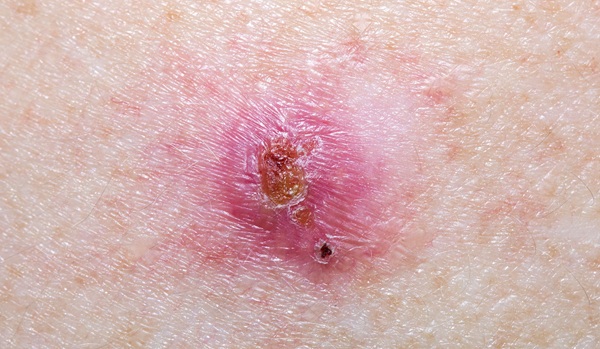
Noninvasive Imaging Approach Aims to Detect Basal Cell Carcinoma Before It Becomes Visible
Basal cell carcinoma is the most common form of skin cancer and can damage nearby structures such as the nose or eyes when it develops on the face. Diagnosis typically depends on visible skin changes,... Read more
Surgical Techniques
view channel
Light-Activated Nanoparticles May Offer New Approach to Retinal Prostheses
Retinitis pigmentosa is a degenerative retinal disorder in which photoreceptors progressively die, reducing visual signals to the brain while leaving surviving inner retinal circuits underused.... Read more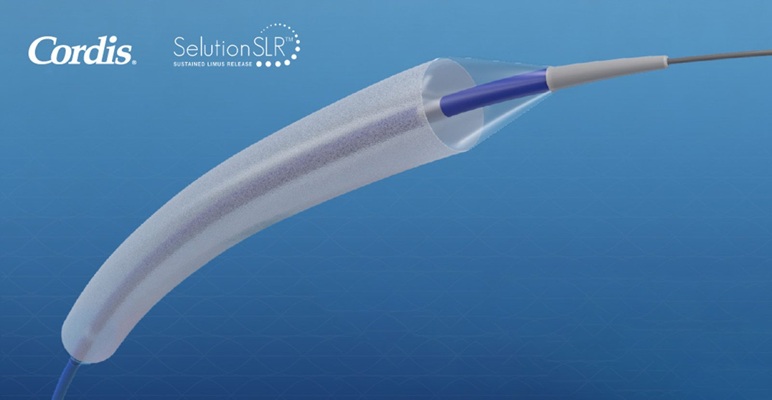
FDA Approves First Sirolimus Drug-Eluting Balloon for Coronary In-Stent Restenosis
Coronary in-stent restenosis (ISR) accounts for about 10% of the nearly one million percutaneous coronary interventions performed annually in the United States. Treating recurrent narrowing without another... Read more
Patient Care
view channel
EHR Model Flags High-Risk Periods in Patients with Metastatic Breast Cancer
Determining when patients with metastatic breast cancer are nearing the end of life remains difficult, often leading to intensive interventions with limited benefit. Prognostic uncertainty can delay goals-of-care... Read more
Virtual Reality Helps Claustrophobic Patients Complete Cardiac PET/CT Scans
Anxiety and claustrophobia—intense fear of confined spaces—often prevent patients from completing cardiac positron emission tomography/computed tomography (PET/CT). Aborted scans delay diagnosis, consume... Read more

Medical Imaging
view channel
New MRI Approach Captures Rapidly Decaying Tissue Signals
MRI measures signals generated as excited proton spins return toward equilibrium. However, some tissue signals decay so rapidly that conventional systems can miss them during the brief interval after excitation,... Read more
AI Tool Integrates MRI and Ultrasound to Detect Endometriosis
Endometriosis is a chronic condition in which tissue similar to the uterine lining grows outside the uterus, causing pain, heavy bleeding, and infertility. Diagnosis often depends on surgical visualization,... Read more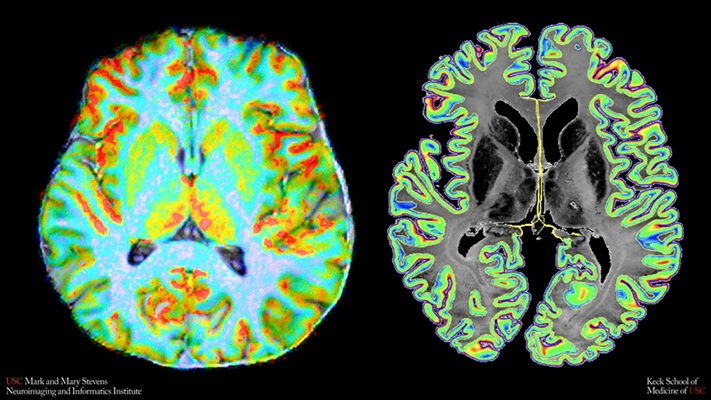

Health IT
view channel
New Tablet Platform Extends Stroke Neurorehabilitation Beyond the Clinic
Continuity and intensity of neurorehabilitation after stroke are critical for functional recovery, but access to ongoing therapy at home often remains limited. Hospitals and outpatient programs therefore... Read more
Smartphone App Improves Blood Pressure Control in Hypertension
Hypertension, or high blood pressure, is a major modifiable driver of cardiovascular, renal, and cerebrovascular morbidity. Despite effective therapies, many adults fail to achieve control, leading to... Read more

Point of Care
view channel
Continuous Glucose Monitoring Identifies Cardiometabolic Risk in Adults Without Diabetes
Dysglycemia—abnormal blood glucose regulation—can fluctuate throughout the day and often escape conventional screening. Clinicians typically rely on fasting plasma glucose and hemoglobin A1c, which offer... Read more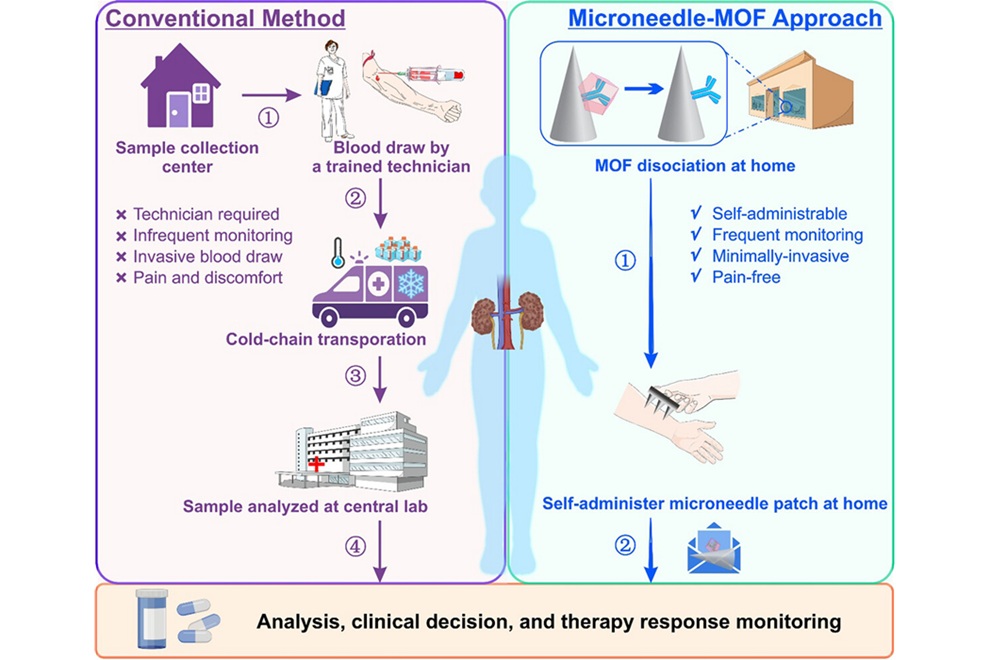
Microneedle Patch Enables At-Home Monitoring of Acute Kidney Injury
Kidney disease is often silent in its early stages, making timely detection difficult outside clinical settings. Early biomarkers such as neutrophil gelatinase–associated lipocalin can require blood draws... Read more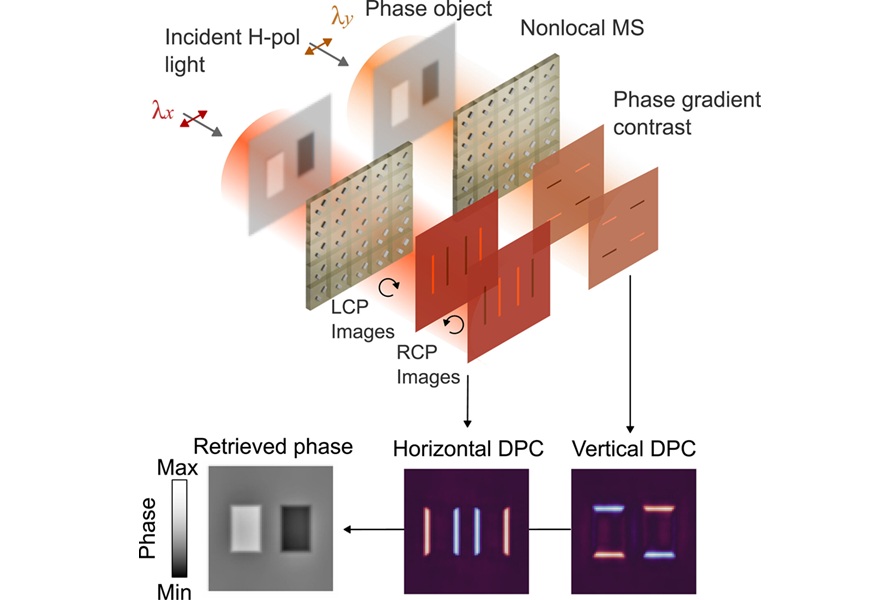
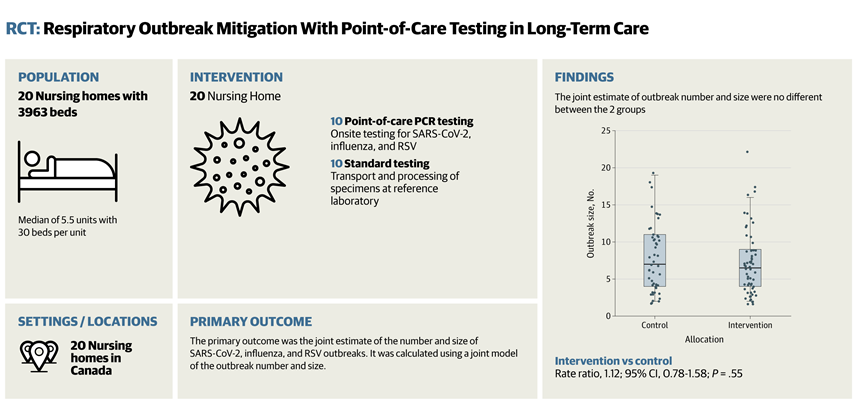
Business
view channel
Medtronic Receives FDA Clearance for Vessel-Sealing Instrument for Robotic Surgery
As robotic-assisted surgery expands across U.S. hospitals, teams increasingly seek energy instruments with the familiarity and performance of tools used in open and laparoscopic procedures.... Read more
Robotic Single-Port System Gains CE Mark for Transvaginal Gynecologic Procedures
Intuitive (Sunnyvale, CA, USA) announced that it has received CE mark approval for use of the da Vinci SP Single Port surgical system in transvaginal gynecologic procedures, marking the first such indication... Read more