






Study Reveals Varying Antibody Responses and Adverse Reactions Among Recipients of Different COVID-19 Vaccines
|
By HospiMedica International staff writers Posted on 30 Sep 2021 |


|
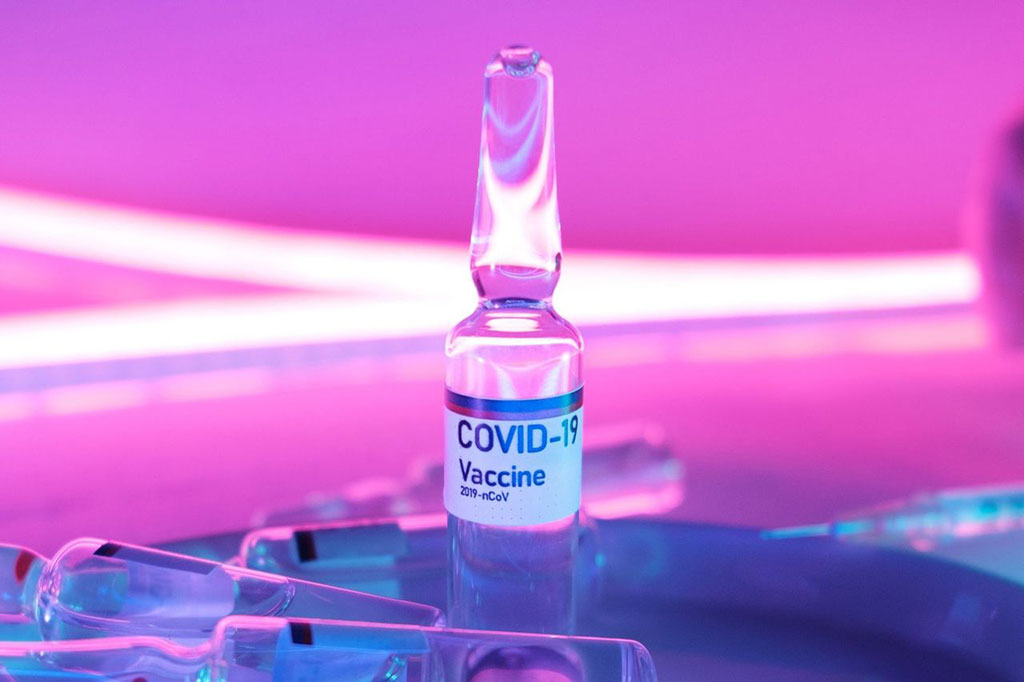
A new study revealing how antibodies against the SARS-CoV-2 virus can vary among recipients of different COVID-19 vaccines was presented at the 2021 AACC Annual Scientific Meeting & Clinical Lab Expo.
The study by researchers at the Dartmouth-Hitchcock Medical Center (Lebanon, NH, USA) shows how antibody responses and adverse reactions can differ in recipients of the Moderna and Pfizer COVID-19 vaccines.
Vaccines have become essential tools in the fight against COVID-19, but it’s still unclear exactly how the antibodies generated from different vaccines change or wane over time. Meanwhile, the spread of the Delta variant and the rising number of breakthrough infections have both highlighted the importance of characterizing antibodies against SARS-CoV-2 in both vaccinated and unvaccinated individuals. Knowing more about antibody patterns could also help clinicians assess individuals’ immunity to SARS-CoV-2, in addition to helping with the diagnosis and management of patients.
In the new study, the researchers collected blood samples of 78 individuals who received the Moderna vaccine and 70 individuals who received the Pfizer vaccine, before the second vaccine dose, 14 days after the second dose, and 30 days after. The study participants also took a survey where they rated the severity of adverse effects and symptoms after vaccination. Overall, individuals who received the Moderna vaccine showed a higher antibody response against the viral spike protein compared with those who received the Pfizer vaccine (4,244 U/mL vs. 1,986 U/mL 30 days after dose two) and also reported stronger side effects. However, the researchers have cautioned that these differences could arise from confounding variables such as the higher mRNA dosage in the Moderna vaccine. The team also found that antibody responses had dropped 30 days after the second dose, regardless of the vaccine given.
“We can’t claim Moderna is better than Pfizer based on these results … but it does seem there is more of a response from Moderna at least in terms of the assay that we used,” said Michael Kelliher, PhD, of Dartmouth-Hitchcock Medical Center, who led the research. “How that correlates with the total adaptive immune response is unknown, and there’s still a decent amount of research that needs to be done on this topic.”
Related Links:
Dartmouth-Hitchcock Medical Center





Latest COVID-19 News
- Low-Cost System Detects SARS-CoV-2 Virus in Hospital Air Using High-Tech Bubbles
- World's First Inhalable COVID-19 Vaccine Approved in China
- COVID-19 Vaccine Patch Fights SARS-CoV-2 Variants Better than Needles
- Blood Viscosity Testing Can Predict Risk of Death in Hospitalized COVID-19 Patients
- ‘Covid Computer’ Uses AI to Detect COVID-19 from Chest CT Scans
- MRI Lung-Imaging Technique Shows Cause of Long-COVID Symptoms
- Chest CT Scans of COVID-19 Patients Could Help Distinguish Between SARS-CoV-2 Variants
- Specialized MRI Detects Lung Abnormalities in Non-Hospitalized Long COVID Patients
- AI Algorithm Identifies Hospitalized Patients at Highest Risk of Dying From COVID-19
- Sweat Sensor Detects Key Biomarkers That Provide Early Warning of COVID-19 and Flu
- Study Assesses Impact of COVID-19 on Ventilation/Perfusion Scintigraphy
- CT Imaging Study Finds Vaccination Reduces Risk of COVID-19 Associated Pulmonary Embolism
- Third Day in Hospital a ‘Tipping Point’ in Severity of COVID-19 Pneumonia
- Longer Interval Between COVID-19 Vaccines Generates Up to Nine Times as Many Antibodies
- AI Model for Monitoring COVID-19 Predicts Mortality Within First 30 Days of Admission
- AI Predicts COVID Prognosis at Near-Expert Level Based Off CT Scans
Channels
Artificial Intelligence
view channel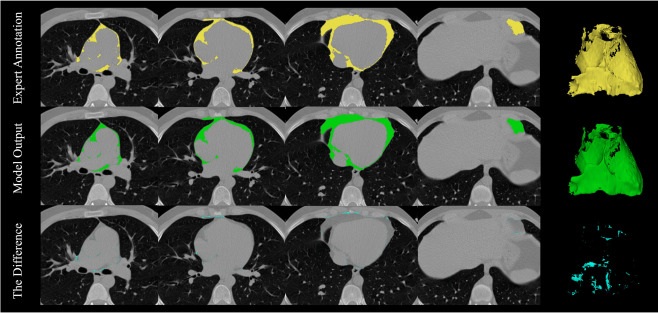
AI Analysis of Pericardial Fat Refines Long-Term Heart Disease Risk
Accurately identifying long-term cardiovascular disease risk in asymptomatic adults remains challenging for clinicians. Missed or underestimated risk delays preventive therapy and increases the chance... Read more
Machine Learning Approach Enhances Liver Cancer Risk Stratification
Hepatocellular carcinoma, the most common form of primary liver cancer, is often detected late despite targeted surveillance programs. Current screening guidelines emphasize patients with known cirrhosis,... Read more

Critical Care
view channel
Noninvasive Monitoring Device Enables Earlier Intervention in Heart Failure
Hospitalizations for heart failure with preserved ejection fraction (HFpEF) remain common because lung congestion often worsens before symptoms prompt treatment changes. Missed early decompensation... Read more
Automated IV Labeling Solution Improves Infusion Safety and Efficiency
Medication administration in high-acuity settings is often complicated by multiple concurrent infusions, making accurate line identification essential. In a 10-hospital intensive care unit study, 60% of... Read more

Surgical Techniques
view channel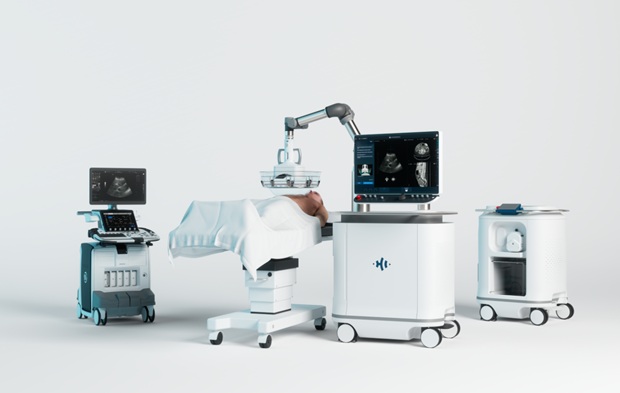
Ultrasound Technology Aims to Replace Invasive BPH Procedures
Benign prostatic hyperplasia (BPH) is a frequent cause of lower urinary tract symptoms in aging men and often requires invasive procedures or prolonged recovery. With prevalence expected to rise as populations... Read more
Continuous Monitoring with Wearables Enhances Postoperative Patient Safety
Postoperative hypoxemia on general surgical wards is common and often missed by intermittent vital sign checks. Undetected low oxygen levels can delay recovery and raise the risk of complications that... Read more

Patient Care
view channel
Wearable Sleep Data Predict Adherence to Pulmonary Rehabilitation
Chronic obstructive pulmonary disease (COPD) is a long-term lung disorder that makes breathing difficult and often disturbs sleep, reducing energy for daily activities. Limited engagement in pulmonary... Read more
Revolutionary Automatic IV-Line Flushing Device to Enhance Infusion Care
More than 80% of in-hospital patients receive intravenous (IV) therapy. Every dose of IV medicine delivered in a small volume (<250 mL) infusion bag should be followed by subsequent flushing to ensure... Read more

Health IT
view channel
EMR-Based Tool Predicts Graft Failure After Kidney Transplant
Kidney transplantation offers patients with end-stage kidney disease longer survival and better quality of life than dialysis, yet graft failure remains a major challenge. Although a successful transplant... Read more
Printable Molecule-Selective Nanoparticles Enable Mass Production of Wearable Biosensors
The future of medicine is likely to focus on the personalization of healthcare—understanding exactly what an individual requires and delivering the appropriate combination of nutrients, metabolites, and... Read more


Business
view channel
GE HealthCare Leads Major European Initiative to Advance Cardio-Oncology Care
Cardiovascular complications are increasingly recognized among people undergoing or recovering from cancer treatment, driven by pre‑existing disease and the cardiotoxic effects of chemotherapy, radiotherapy,... Read more

