






New Algorithm Reads Data from Smartwatches to Alert Wearers to Bodily Stress, Including COVID-19
|
By HospiMedica International staff writers Posted on 02 Dec 2021 |


|
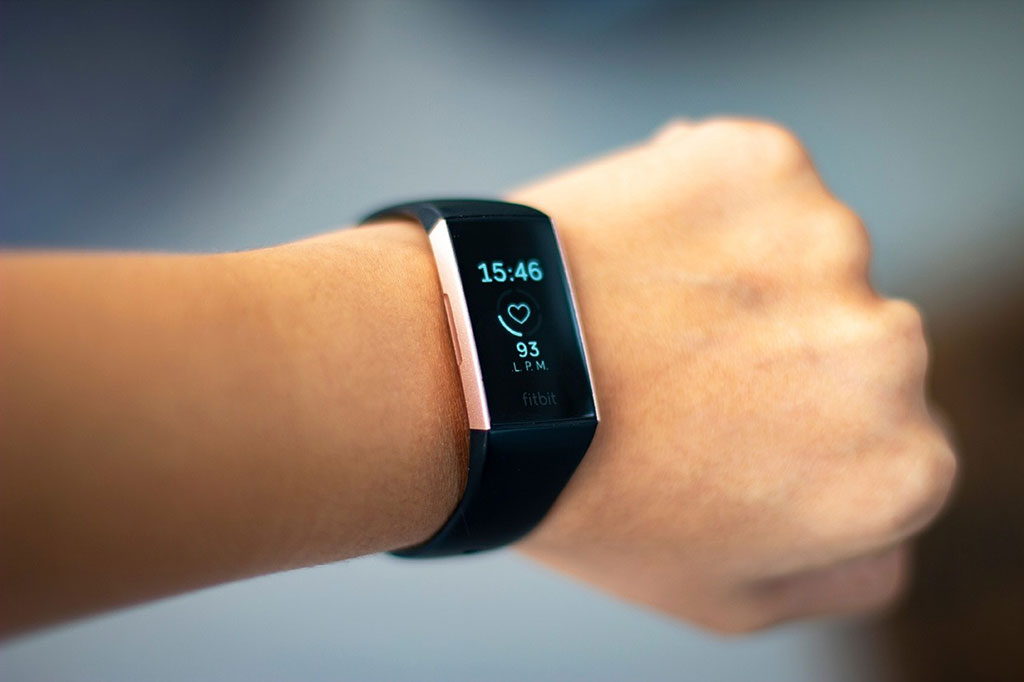
Using data from smartwatches, a new algorithm reads heart rate as a proxy for physiological or mental stress, potentially alerting wearers they’re falling ill before they have symptoms.
Researchers at Stanford Medicine (Stanford, CA, USA) have enrolled thousands of participants in a study that employs the algorithm to look for extended periods during which heart rate is higher than normal - a telltale sign that something may be amiss. But figuring out what may be wrong takes a little sleuthing. During the study, many stressors triggered an alert. Some folks received them while traveling; some while running a marathon; others after over-indulging at the bar. The most exciting finding was that the algorithm was able to detect 80% of confirmed COVID-19 cases before or when participants were symptomatic. The algorithm can’t differentiate between someone who’s knocked back a few too many, someone’s who’s stressed because of work and someone who’s ill with a virus. Although it pinged users who had COVID-19, more refining is needed before people can depend on their smartwatches to warn them of an impending infection with SARS-CoV-2 or other viruses.
During the study, which ran for about eight months in 2020 and 2021, 2,155 participants donned a smartwatch, which tracked mental and physical “stress events” via heart rate. When notified of a stress event, through an alert paired with an app on their phone, participants recorded what they were doing. To trigger an alert, their heart rate needed to be elevated for more than a few hours, so a quick jog around the block or a sudden loud noise didn’t set it off. If, however, you’re sitting on the couch with a cup of chamomile tea and you receive an alert, that may be a sign that something else - an infection, perhaps - is brewing. The researchers hope that wearers will be able to discern when an alert means they should consider getting tested.
Of 84 people who were diagnosed with COVID-19 during the study, the algorithm flagged 67. Most alerts fell into other categories, such as travel, eating a large meal, menstruation, mental stress, intoxication or non-COVID-19 infections. The algorithm also flagged a period of stress after many participants received a COVID-19 vaccine, reflecting the uptick in immune response prompted by the shot. As the researchers recruit more participants into the study, they’re planning to hone the specificity of the alerts by adding data - including step count, sleep patterns and body temperature - in the hope that data patterns can correspond to and flag distinct stress events. In addition, the researchers plan to run a clinical trial to determine if the alerts can reliably detect a COVID-19 infection and be used to guide medical choices.
“The idea is for people to eventually use this information to decide whether they need to get a COVID-19 test or self-isolate,” said Michael Snyder, PhD, professor and chair of genetics, who led the research team. “We’re not there yet - we still need to test this in clinical trials - but that’s the ultimate goal.”
Related Links:
Stanford Medicine





Latest COVID-19 News
- Low-Cost System Detects SARS-CoV-2 Virus in Hospital Air Using High-Tech Bubbles
- World's First Inhalable COVID-19 Vaccine Approved in China
- COVID-19 Vaccine Patch Fights SARS-CoV-2 Variants Better than Needles
- Blood Viscosity Testing Can Predict Risk of Death in Hospitalized COVID-19 Patients
- ‘Covid Computer’ Uses AI to Detect COVID-19 from Chest CT Scans
- MRI Lung-Imaging Technique Shows Cause of Long-COVID Symptoms
- Chest CT Scans of COVID-19 Patients Could Help Distinguish Between SARS-CoV-2 Variants
- Specialized MRI Detects Lung Abnormalities in Non-Hospitalized Long COVID Patients
- AI Algorithm Identifies Hospitalized Patients at Highest Risk of Dying From COVID-19
- Sweat Sensor Detects Key Biomarkers That Provide Early Warning of COVID-19 and Flu
- Study Assesses Impact of COVID-19 on Ventilation/Perfusion Scintigraphy
- CT Imaging Study Finds Vaccination Reduces Risk of COVID-19 Associated Pulmonary Embolism
- Third Day in Hospital a ‘Tipping Point’ in Severity of COVID-19 Pneumonia
- Longer Interval Between COVID-19 Vaccines Generates Up to Nine Times as Many Antibodies
- AI Model for Monitoring COVID-19 Predicts Mortality Within First 30 Days of Admission
- AI Predicts COVID Prognosis at Near-Expert Level Based Off CT Scans
Channels
Artificial Intelligence
view channel
Machine Learning Approach Enhances Liver Cancer Risk Stratification
Hepatocellular carcinoma, the most common form of primary liver cancer, is often detected late despite targeted surveillance programs. Current screening guidelines emphasize patients with known cirrhosis,... Read more
New AI Approach Monitors Brain Health Using Passive Wearable Data
Brain health spans cognitive and emotional functions and can fluctuate even in adults without diagnosed disease. Detecting early changes remains difficult in routine care and burdens specialty services... Read more
Critical Care
view channel
Automated IV Labeling Solution Improves Infusion Safety and Efficiency
Medication administration in high-acuity settings is often complicated by multiple concurrent infusions, making accurate line identification essential. In a 10-hospital intensive care unit study, 60% of... Read more
First-Of-Its-Kind AI Tool Detects Pulmonary Hypertension from Standard ECGs
Pulmonary hypertension is a progressive, life‑threatening disease that is frequently missed early because symptoms such as dyspnea are nonspecific and diagnostic delays can exceed two years.... Read more
Surgical Techniques
view channel
Continuous Monitoring with Wearables Enhances Postoperative Patient Safety
Postoperative hypoxemia on general surgical wards is common and often missed by intermittent vital sign checks. Undetected low oxygen levels can delay recovery and raise the risk of complications that... Read more
New Approach Enables Customized Muscle Tissue Without Biomaterial Scaffolds
Volumetric muscle loss is a traumatic loss of skeletal muscle that often leads to permanent functional impairment and limited reconstructive options. Current experimental strategies struggle to deliver... Read more
Patient Care
view channel
Wearable Sleep Data Predict Adherence to Pulmonary Rehabilitation
Chronic obstructive pulmonary disease (COPD) is a long-term lung disorder that makes breathing difficult and often disturbs sleep, reducing energy for daily activities. Limited engagement in pulmonary... Read more
Revolutionary Automatic IV-Line Flushing Device to Enhance Infusion Care
More than 80% of in-hospital patients receive intravenous (IV) therapy. Every dose of IV medicine delivered in a small volume (<250 mL) infusion bag should be followed by subsequent flushing to ensure... Read more

Health IT
view channel
EMR-Based Tool Predicts Graft Failure After Kidney Transplant
Kidney transplantation offers patients with end-stage kidney disease longer survival and better quality of life than dialysis, yet graft failure remains a major challenge. Although a successful transplant... Read more
Printable Molecule-Selective Nanoparticles Enable Mass Production of Wearable Biosensors
The future of medicine is likely to focus on the personalization of healthcare—understanding exactly what an individual requires and delivering the appropriate combination of nutrients, metabolites, and... Read more


Business
view channel
GE HealthCare Leads Major European Initiative to Advance Cardio-Oncology Care
Cardiovascular complications are increasingly recognized among people undergoing or recovering from cancer treatment, driven by pre‑existing disease and the cardiotoxic effects of chemotherapy, radiotherapy,... Read more

