






Immunomodulation Technology Rescues Patients from Cytokine Storm
|
By HospiMedica International staff writers Posted on 13 Jun 2022 |


|
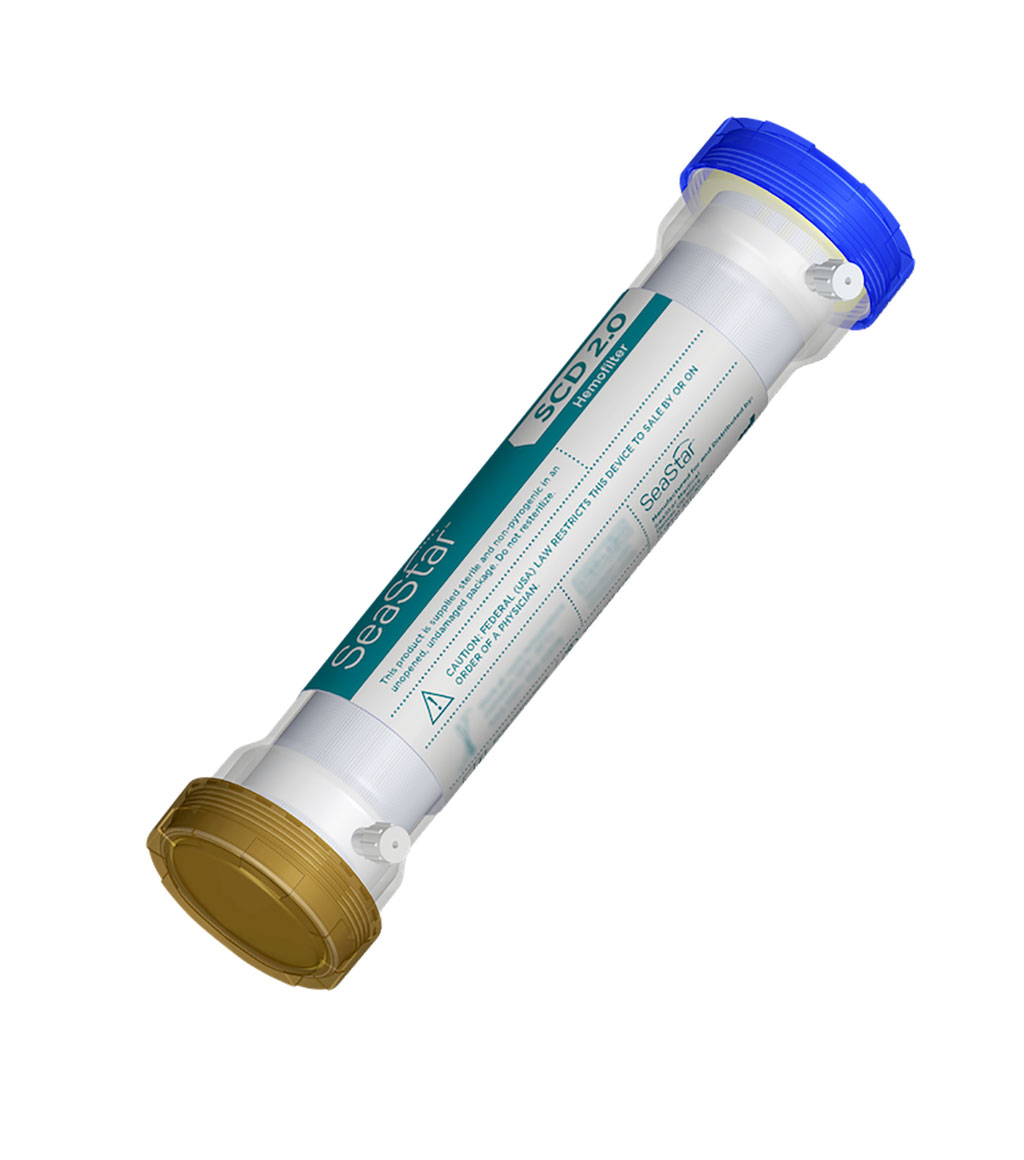
COVID-19, acute respiratory distress syndrome, acute kidney injury, and many other health issues can result in a dangerous cytokine storm. Critically ill patients in the throes of a cytokine storm face an alarming, urgent situation as this dangerous, dysregulated hyperinflammatory response can cause multiorgan damage and in severe cases, death. In critically ill patients, stopping the cytokine storm can be crucial to improve outcomes. Now, a groundbreaking solution gives healthcare professionals the power to stop this serious threat before it can do irreparable harm to their patients.
SeaStar Medical’s (Denver, CO, USA) novel, simple-to-use Selective Cytopheretic Device (SCD) immunomodulation technology can quickly rescue patients from a cytokine storm, regardless of how it was triggered, and restore reparative functionality to the body and potentially reverse injury. SCD is a patented, next-level immunomodulator that works with any continuous renal replacement therapy (CRRT) system (and regional citrate anticoagulation) to selectively target hyperactive neutrophils and monocytes. SCD technology won’t just stop the storm, but could potentially reverse the damage.
Currently, drug treatments for a cytokine storm may differ based on the specific disorder associated with it, and these treatments may not deliver the results that patients need. The SCD is a patented, cell-directed, extracorporeal immunomodulator that selectively targets activated neutrophils and monocytes to address hyperinflammation. Neutrophils and monocytes are the cellular mediators that drive systemic inflammation, which when spreading uncontrollably through the body can lead to organ damage, organ failure or death. The SCD technology targets the cellular drivers of inflammation to restore immune balance in the body and potentially reverse the damage. By restoring reparative physiology, the SCD can help the body heal - potentially eliminating dialysis dependency and getting patients out of the ICU faster so they can return to their loved ones and daily lives. Clinical trial results have demonstrated that the SCD significantly lowered mortality rates among critically ill ICU COVID-19 patients by safely and effectively stopping inflammation causing cytokine storms.
Because the SCD is an extracorporeal immunomodulator that uses the body’s immune system to heal, healthcare professions remain in complete control of an effective adjuvant therapy that can be used without the worry of severe contraindications. The SCD can be easily added to extracorporeal therapies, such as dialysis or CRRT, seamlessly fitting into the workflow. It has been used with other treatments, including IL-6 blockers, corticosteroids and other common treatments, with no or few known contraindications. By giving critically ill patients the potential to eliminate dialysis dependency, get out of the ICU faster, and restore the lives they were so close to losing, the SCD is positioned to become the new standard of care in the ICU. The revolutionary SCD has received a Breakthrough Device Designation from the U.S. Food and Drug Administration (FDA) and is in the final stages of clinical testing.
Related Links:
SeaStar Medical




Latest COVID-19 News
- Low-Cost System Detects SARS-CoV-2 Virus in Hospital Air Using High-Tech Bubbles
- World's First Inhalable COVID-19 Vaccine Approved in China
- COVID-19 Vaccine Patch Fights SARS-CoV-2 Variants Better than Needles
- Blood Viscosity Testing Can Predict Risk of Death in Hospitalized COVID-19 Patients
- ‘Covid Computer’ Uses AI to Detect COVID-19 from Chest CT Scans
- MRI Lung-Imaging Technique Shows Cause of Long-COVID Symptoms
- Chest CT Scans of COVID-19 Patients Could Help Distinguish Between SARS-CoV-2 Variants
- Specialized MRI Detects Lung Abnormalities in Non-Hospitalized Long COVID Patients
- AI Algorithm Identifies Hospitalized Patients at Highest Risk of Dying From COVID-19
- Sweat Sensor Detects Key Biomarkers That Provide Early Warning of COVID-19 and Flu
- Study Assesses Impact of COVID-19 on Ventilation/Perfusion Scintigraphy
- CT Imaging Study Finds Vaccination Reduces Risk of COVID-19 Associated Pulmonary Embolism
- Third Day in Hospital a ‘Tipping Point’ in Severity of COVID-19 Pneumonia
- Longer Interval Between COVID-19 Vaccines Generates Up to Nine Times as Many Antibodies
- AI Model for Monitoring COVID-19 Predicts Mortality Within First 30 Days of Admission
- AI Predicts COVID Prognosis at Near-Expert Level Based Off CT Scans
Channels
Artificial Intelligence
view channel
Machine Learning Approach Enhances Liver Cancer Risk Stratification
Hepatocellular carcinoma, the most common form of primary liver cancer, is often detected late despite targeted surveillance programs. Current screening guidelines emphasize patients with known cirrhosis,... Read more
New AI Approach Monitors Brain Health Using Passive Wearable Data
Brain health spans cognitive and emotional functions and can fluctuate even in adults without diagnosed disease. Detecting early changes remains difficult in routine care and burdens specialty services... Read more
Surgical Techniques
view channel
Continuous Monitoring with Wearables Enhances Postoperative Patient Safety
Postoperative hypoxemia on general surgical wards is common and often missed by intermittent vital sign checks. Undetected low oxygen levels can delay recovery and raise the risk of complications that... Read more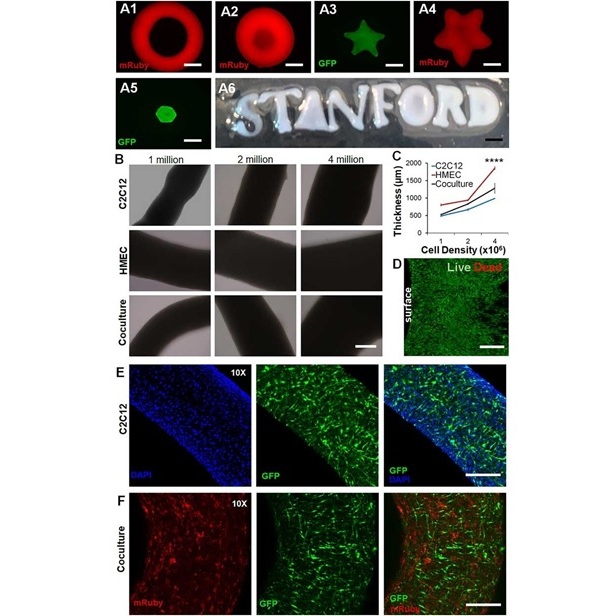
New Approach Enables Customized Muscle Tissue Without Biomaterial Scaffolds
Volumetric muscle loss is a traumatic loss of skeletal muscle that often leads to permanent functional impairment and limited reconstructive options. Current experimental strategies struggle to deliver... Read more
Patient Care
view channel
Wearable Sleep Data Predict Adherence to Pulmonary Rehabilitation
Chronic obstructive pulmonary disease (COPD) is a long-term lung disorder that makes breathing difficult and often disturbs sleep, reducing energy for daily activities. Limited engagement in pulmonary... Read more
Revolutionary Automatic IV-Line Flushing Device to Enhance Infusion Care
More than 80% of in-hospital patients receive intravenous (IV) therapy. Every dose of IV medicine delivered in a small volume (<250 mL) infusion bag should be followed by subsequent flushing to ensure... Read more

Health IT
view channel
EMR-Based Tool Predicts Graft Failure After Kidney Transplant
Kidney transplantation offers patients with end-stage kidney disease longer survival and better quality of life than dialysis, yet graft failure remains a major challenge. Although a successful transplant... Read more
Printable Molecule-Selective Nanoparticles Enable Mass Production of Wearable Biosensors
The future of medicine is likely to focus on the personalization of healthcare—understanding exactly what an individual requires and delivering the appropriate combination of nutrients, metabolites, and... Read more


Business
view channel
GE HealthCare Leads Major European Initiative to Advance Cardio-Oncology Care
Cardiovascular complications are increasingly recognized among people undergoing or recovering from cancer treatment, driven by pre‑existing disease and the cardiotoxic effects of chemotherapy, radiotherapy,... Read more

