






Philips to Establish Innovation Hub in Africa
|
By HospiMedica International staff writers Posted on 14 Apr 2014 |


|
Royal Philips Electronics (Amsterdam, The Netherlands) has announced the establishment of its Africa Innovation Hub, underlining the company’s commitment to invest in Africa.
The Innovation Hub will be located at the Philips East African Headquarters in Nairobi (Kenya), where African talents and international researchers will operate on the concept of “open innovation” and will work in close collaboration with the R&D ecosystem of Kenya and Africa. The hub will do application-focused scientific and user studies to address key challenges, such as improving access to lighting and affordable healthcare, as well as developing innovations to meet the needs of the rising middle class in Africa.
The Philips Africa Innovation Hub will work both on the creation of new inventions, bringing these inventions to the market, and forming collaborations to co-create meaningful solutions for Africa. Several projects that that are under development, as well others as in the pilot phase, will become part of the Innovation Hub. Examples include a robust and affordable automated respiratory rate monitor that aims to support the diagnosis of pneumonia among infants and children using smart sensing technology on the body, which is intended to be more accurate and reliable compared to manual processes being currently observed.
Another example is a smokeless cook stove, which Philips has designed and is manufacturing to improve the lives of those who rely on wood or biomass for their daily cooking. The specially designed stoves are extremely efficient and significantly reduce the use of wood as fuel. The cook stove can reduce smoke and carbon monoxide (CO) emissions by more than 90% compared to an open fire, thus reducing the health risks of indoor cooking. The contribution of the innovation hub is to create new go-to-market models for these stoves.
“We welcome the establishment of Philips’ Innovation Hub in Kenya; Philips is a globally recognized innovation powerhouse and their selection of Nairobi as the site to establish their African Innovation hub is a testament to the Kenyan government’s commitment to nurture the drive for research and innovation in the region,” said Mr. Adan Mohammed, cabinet secretary for industrialization. “We lend our full support to the investment being made by Philips and look forward to the outcomes of their Africa-specific research and projects that can contribute to transforming society, business and government across the continent.”
“Our ambition is to create impactful innovations that matter to people and address the key challenges that confront society,” said JJ van Dongen, senior vice president and CEO of Philips Africa. “With Kenya as a leader in the continent in science and entrepreneurship as well as a hub of collaboration on technology and innovation, Nairobi, is the ideal location to establish Philips’ African research presence. We want to tap into the city’s vibrant R&D eco-system and contribute to the process of co-creating new solutions, new business models and meaningful partnerships to provide innovations that make an impact.”
The hub will be headed by Dr. Maarten van Herpen, and will work in close collaboration with the Philips research labs in Bangalore, Shanghai, and Eindhoven.
Related Links:
Royal Philips Electronics






The Innovation Hub will be located at the Philips East African Headquarters in Nairobi (Kenya), where African talents and international researchers will operate on the concept of “open innovation” and will work in close collaboration with the R&D ecosystem of Kenya and Africa. The hub will do application-focused scientific and user studies to address key challenges, such as improving access to lighting and affordable healthcare, as well as developing innovations to meet the needs of the rising middle class in Africa.
The Philips Africa Innovation Hub will work both on the creation of new inventions, bringing these inventions to the market, and forming collaborations to co-create meaningful solutions for Africa. Several projects that that are under development, as well others as in the pilot phase, will become part of the Innovation Hub. Examples include a robust and affordable automated respiratory rate monitor that aims to support the diagnosis of pneumonia among infants and children using smart sensing technology on the body, which is intended to be more accurate and reliable compared to manual processes being currently observed.
Another example is a smokeless cook stove, which Philips has designed and is manufacturing to improve the lives of those who rely on wood or biomass for their daily cooking. The specially designed stoves are extremely efficient and significantly reduce the use of wood as fuel. The cook stove can reduce smoke and carbon monoxide (CO) emissions by more than 90% compared to an open fire, thus reducing the health risks of indoor cooking. The contribution of the innovation hub is to create new go-to-market models for these stoves.
“We welcome the establishment of Philips’ Innovation Hub in Kenya; Philips is a globally recognized innovation powerhouse and their selection of Nairobi as the site to establish their African Innovation hub is a testament to the Kenyan government’s commitment to nurture the drive for research and innovation in the region,” said Mr. Adan Mohammed, cabinet secretary for industrialization. “We lend our full support to the investment being made by Philips and look forward to the outcomes of their Africa-specific research and projects that can contribute to transforming society, business and government across the continent.”
“Our ambition is to create impactful innovations that matter to people and address the key challenges that confront society,” said JJ van Dongen, senior vice president and CEO of Philips Africa. “With Kenya as a leader in the continent in science and entrepreneurship as well as a hub of collaboration on technology and innovation, Nairobi, is the ideal location to establish Philips’ African research presence. We want to tap into the city’s vibrant R&D eco-system and contribute to the process of co-creating new solutions, new business models and meaningful partnerships to provide innovations that make an impact.”
The hub will be headed by Dr. Maarten van Herpen, and will work in close collaboration with the Philips research labs in Bangalore, Shanghai, and Eindhoven.
Related Links:
Royal Philips Electronics

New
Gold Member
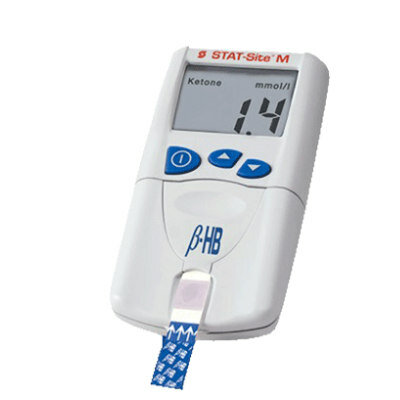
Handheld Blood Glucose Analyzer
STAT-Site
New
Medical Examination & Procedure Light
Vega 80
New
Radiofrequency Generator
GX1
Latest Hospital News News
- Nurse Tracking System Improves Hospital Workflow
- New Children’s Hospital Transforms California Healthcare
- Noisy Hospitals Face Threat of Decreased Federal Compensation
- Orthopedics Centre of Excellence Planned for Guy’s Hospital
- Research Suggests Avoidance of Low-Value Surgical Procedures
- U.S. Federal Readmission Fines Linked to Higher Mortality
- Columbia China to Build New Hospital in Jiaxing
- Dubai Debuts Second Robotic Pharmacy Service
- Seattle Hospital Network Shifts Away from Overlapping Surgeries
- ACC to Launch Valvular Heart Disease Program in China
- Mortality Rates Lower at Major Teaching Hospitals
- South Australia to Inaugurate Upscale Hospital
- Raffles to Launch Second Hospital Project in China
- Research Center Tackles Antimicrobial Drugs Challenge
- Miami Cardiac & Vascular Institute Completes Expansion Project
- Hospital Antibiotic Policies Improve Prescription Practices
Channels
Artificial Intelligence
view channel
Machine Learning Approach Enhances Liver Cancer Risk Stratification
Hepatocellular carcinoma, the most common form of primary liver cancer, is often detected late despite targeted surveillance programs. Current screening guidelines emphasize patients with known cirrhosis,... Read more
New AI Approach Monitors Brain Health Using Passive Wearable Data
Brain health spans cognitive and emotional functions and can fluctuate even in adults without diagnosed disease. Detecting early changes remains difficult in routine care and burdens specialty services... Read more

Critical Care
view channel
Automated IV Labeling Solution Improves Infusion Safety and Efficiency
Medication administration in high-acuity settings is often complicated by multiple concurrent infusions, making accurate line identification essential. In a 10-hospital intensive care unit study, 60% of... Read more
First-Of-Its-Kind AI Tool Detects Pulmonary Hypertension from Standard ECGs
Pulmonary hypertension is a progressive, life‑threatening disease that is frequently missed early because symptoms such as dyspnea are nonspecific and diagnostic delays can exceed two years.... Read more
Surgical Techniques
view channel
Continuous Monitoring with Wearables Enhances Postoperative Patient Safety
Postoperative hypoxemia on general surgical wards is common and often missed by intermittent vital sign checks. Undetected low oxygen levels can delay recovery and raise the risk of complications that... Read more
New Approach Enables Customized Muscle Tissue Without Biomaterial Scaffolds
Volumetric muscle loss is a traumatic loss of skeletal muscle that often leads to permanent functional impairment and limited reconstructive options. Current experimental strategies struggle to deliver... Read more
Patient Care
view channel
Wearable Sleep Data Predict Adherence to Pulmonary Rehabilitation
Chronic obstructive pulmonary disease (COPD) is a long-term lung disorder that makes breathing difficult and often disturbs sleep, reducing energy for daily activities. Limited engagement in pulmonary... Read more
Revolutionary Automatic IV-Line Flushing Device to Enhance Infusion Care
More than 80% of in-hospital patients receive intravenous (IV) therapy. Every dose of IV medicine delivered in a small volume (<250 mL) infusion bag should be followed by subsequent flushing to ensure... Read more

Health IT
view channel
EMR-Based Tool Predicts Graft Failure After Kidney Transplant
Kidney transplantation offers patients with end-stage kidney disease longer survival and better quality of life than dialysis, yet graft failure remains a major challenge. Although a successful transplant... Read more
Printable Molecule-Selective Nanoparticles Enable Mass Production of Wearable Biosensors
The future of medicine is likely to focus on the personalization of healthcare—understanding exactly what an individual requires and delivering the appropriate combination of nutrients, metabolites, and... Read more


Business
view channel
GE HealthCare Leads Major European Initiative to Advance Cardio-Oncology Care
Cardiovascular complications are increasingly recognized among people undergoing or recovering from cancer treatment, driven by pre‑existing disease and the cardiotoxic effects of chemotherapy, radiotherapy,... Read more

