Hackers Successfully Breach UCLA Health System
|
By HospiMedica International staff writers Posted on 03 Aug 2015 |


|

Image: The Ronald Reagan UCLA Medical Center (Photo courtesy of UCLA Health).
UCLA Health (Los Angeles, CA, USA) admitted on July 17, 2015, that it has been hit by a cyber-attack, with hackers successfully accessing parts of the computer network that include personal and medical information.
UCLA Health first found evidence of suspicious activity in its network in October 2014; in May 2015, the hospital system determined the attackers accessed parts of its network that contained personal patient information, including names, addresses, birth dates, medical record numbers, social security number (SSN), Medicare or health plan ID numbers, with some of the information dating to 1990. UCLA Health said it currently has no evidence whether the cyber attacker actually acquired any personal or medical information of the 4.5 million individuals in the database.
While credit card and other financial information did not seem to be involved, UCLA is offering a year as of credit monitoring to people who had their SSN or Medicare ID numbers stored on the compromised network, and are working with investigators from the Federal Bureau of Investigation (FBI; Washington DC, USA) to solve the issue. To date, the UCLA breach is tied for the fourth largest breach ever reported, according to data from the US Department of Health and Human Services (HHS; Washington DC, USA).
“Our patients come first at UCLA Health and confidentiality is a critical part of our commitment to care. We sincerely regret any impact this incident may have on those we serve. We have taken significant steps to further protect data and strengthen our network against another cyber-attack,” said James Atkinson, MD, president of UCLA Hospital System.
UCLA Health operates four hospitals on two campuses, including the Ronald Reagan UCLA Medical Center, the UCLA Medical Center of Santa Monica, the Mattel Children's Hospital UCLA, and the Resnick Neuropsychiatric Hospital at UCLA. It also has 150 primary and specialty offices throughout southern California.
Related Links:
UCLA Health
Federal Bureau of Investigation




UCLA Health first found evidence of suspicious activity in its network in October 2014; in May 2015, the hospital system determined the attackers accessed parts of its network that contained personal patient information, including names, addresses, birth dates, medical record numbers, social security number (SSN), Medicare or health plan ID numbers, with some of the information dating to 1990. UCLA Health said it currently has no evidence whether the cyber attacker actually acquired any personal or medical information of the 4.5 million individuals in the database.
While credit card and other financial information did not seem to be involved, UCLA is offering a year as of credit monitoring to people who had their SSN or Medicare ID numbers stored on the compromised network, and are working with investigators from the Federal Bureau of Investigation (FBI; Washington DC, USA) to solve the issue. To date, the UCLA breach is tied for the fourth largest breach ever reported, according to data from the US Department of Health and Human Services (HHS; Washington DC, USA).
“Our patients come first at UCLA Health and confidentiality is a critical part of our commitment to care. We sincerely regret any impact this incident may have on those we serve. We have taken significant steps to further protect data and strengthen our network against another cyber-attack,” said James Atkinson, MD, president of UCLA Hospital System.
UCLA Health operates four hospitals on two campuses, including the Ronald Reagan UCLA Medical Center, the UCLA Medical Center of Santa Monica, the Mattel Children's Hospital UCLA, and the Resnick Neuropsychiatric Hospital at UCLA. It also has 150 primary and specialty offices throughout southern California.
Related Links:
UCLA Health
Federal Bureau of Investigation

Gold Member
Handheld Blood Glucose Analyzer
STAT-Site
Monitor/Defibrillator
Zenix
Immobilization System
Cranial 4Pi Immobilization
Latest Hospital News News
- Nurse Tracking System Improves Hospital Workflow
- New Children’s Hospital Transforms California Healthcare
- Noisy Hospitals Face Threat of Decreased Federal Compensation
- Orthopedics Centre of Excellence Planned for Guy’s Hospital
- Research Suggests Avoidance of Low-Value Surgical Procedures
- U.S. Federal Readmission Fines Linked to Higher Mortality
- Columbia China to Build New Hospital in Jiaxing
- Dubai Debuts Second Robotic Pharmacy Service
- Seattle Hospital Network Shifts Away from Overlapping Surgeries
- ACC to Launch Valvular Heart Disease Program in China
- Mortality Rates Lower at Major Teaching Hospitals
- South Australia to Inaugurate Upscale Hospital
- Raffles to Launch Second Hospital Project in China
- Research Center Tackles Antimicrobial Drugs Challenge
- Miami Cardiac & Vascular Institute Completes Expansion Project
- Hospital Antibiotic Policies Improve Prescription Practices
Channels
Artificial Intelligence
view channel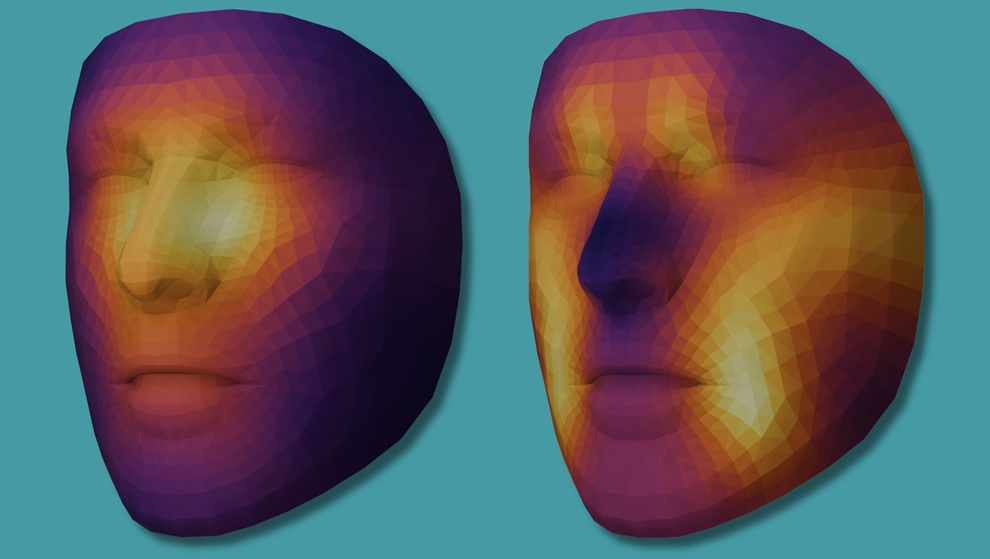
AI Tool Predicts Cancer Survival and Biological Age from Single Facial Photo
Assessing frailty and physiologic reserve remains challenging when clinicians consider intensive cancer treatment. Chronological age alone may not reflect how well a patient can tolerate radiation, surgery,... Read more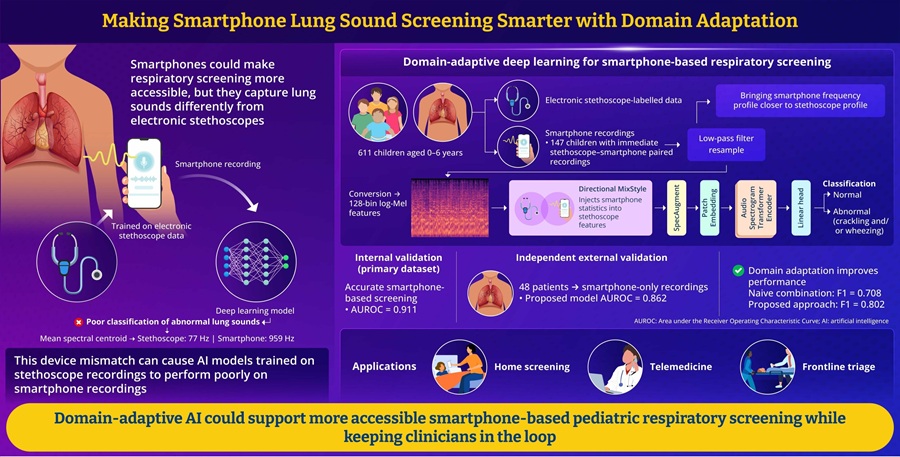
AI Tool Improves Smartphone Detection of Abnormal Pediatric Lung Sounds
Respiratory disease in children remains a major clinical concern worldwide. Abnormal lung sounds can indicate pediatric respiratory illness, but standard auscultation usually requires an in-person examination... Read more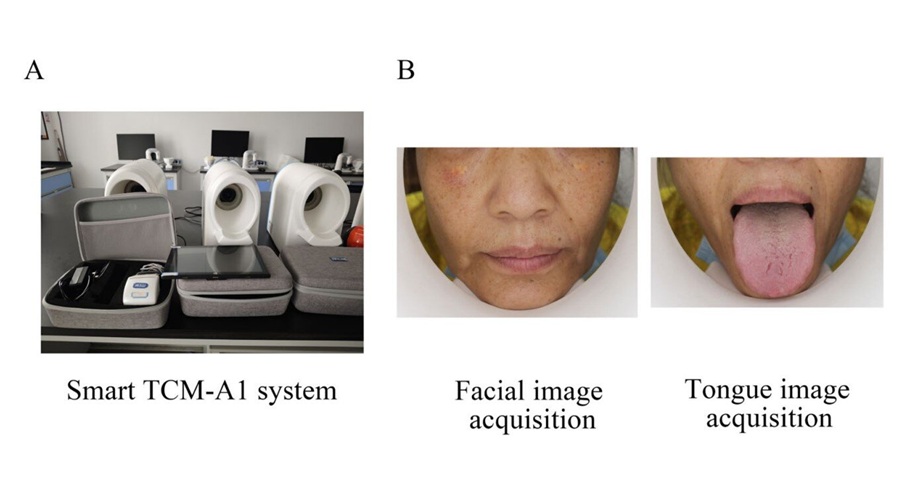

Critical Care
view channel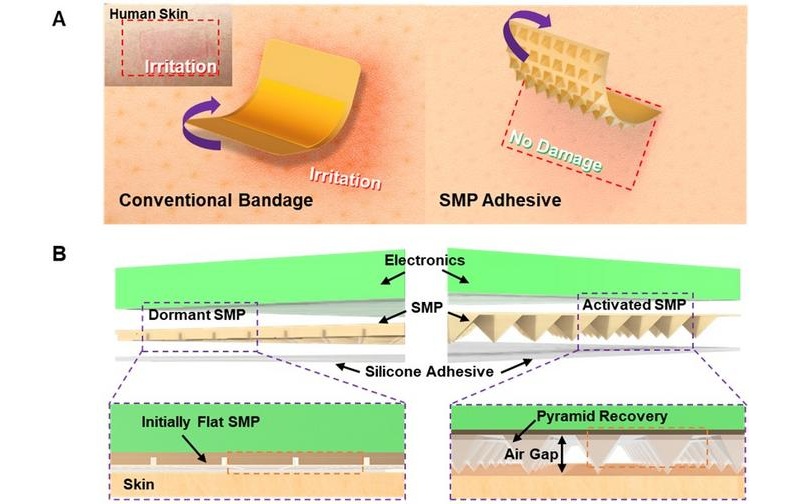
Smart Medical Adhesive Patch Uses Heat to Enable Gentle Removal
Medical adhesive-related skin injury (MARSI) is a persistent concern for neonates, older adults, critically ill patients, and others requiring repeated monitoring. Strong adhesives keep sensors securely... Read more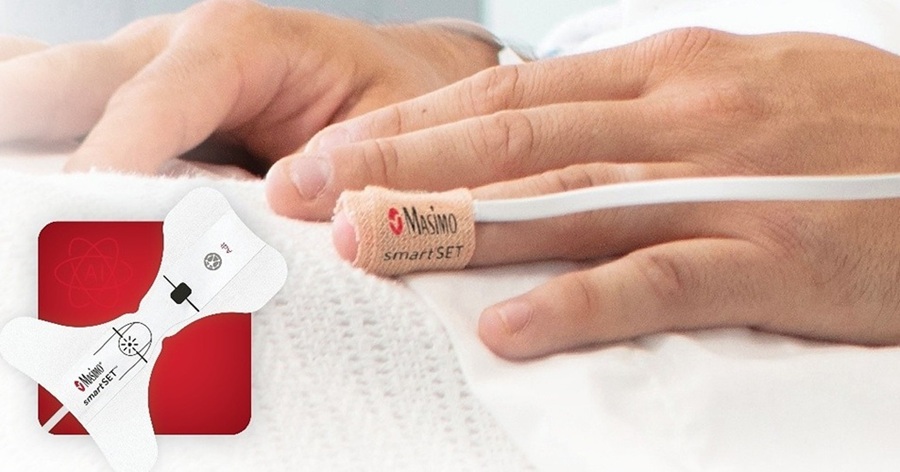
Smart Pulse Oximetry Supports Earlier Recognition of Arrhythmias and Respiratory Risk
On general care floors, respiratory compromise and arrhythmias can develop between routine checks. Atrial fibrillation often goes undiagnosed in older adults, while opioid-induced respiratory depression... Read more
Surgical Techniques
view channel
Dual-Imaging Catheter Completes Initial Human Evaluation of Coronary Plaque
Atherosclerosis involves plaque buildup in arterial walls that can narrow blood vessels and increase the risk of heart attack, stroke, and other serious cardiovascular conditions. In coronary arteries,... Read more
Combined Wound Healing Approach Pairs Synthetic Scaffold With Negative Pressure Therapy
Managing complex wounds requires both structural support for tissue repair and a controlled environment that protects the healing process. Frequent dressing changes can disrupt the wound bed and add complexity... Read more
Patient Care
view channel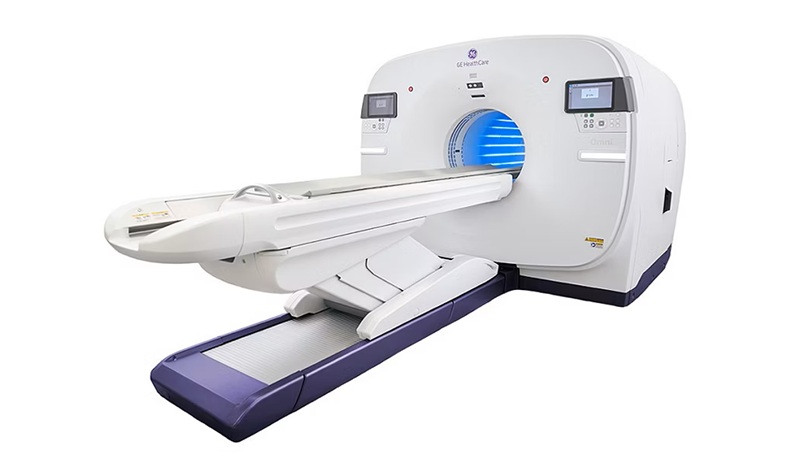
Total-Body PET/CT Scanner Enables One-Minute Diagnostic-Quality Cancer Imaging
Positron emission tomography/computed tomography (PET/CT) combines radiotracer-based functional imaging with anatomical detail to diagnose, stage, and monitor cancer. Conventional scanners image the body... Read more
AI Platform Personalizes Support Between Visits for Cancer Survivors
Cancer survivors often manage persistent side effects after treatment, including fatigue, anxiety, uncertainty, symptoms, stress, and questions between appointments. Clinical teams need ways to maintain... Read more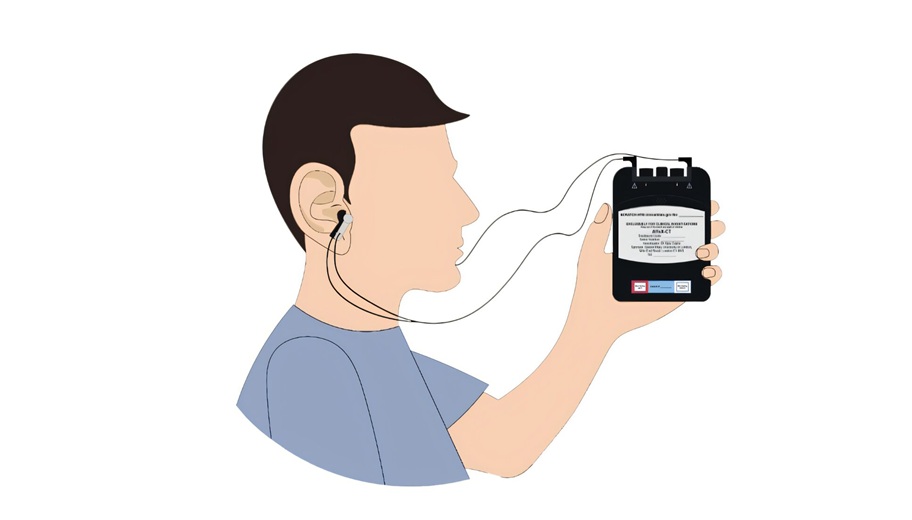
At-Home Neuromodulation Shows Promise in Selected Patients With Hypertension
High blood pressure is a major risk factor for cardiovascular disease, including heart attack and stroke. Many patients receiving treatment for hypertension still remain above recommended blood pressure... Read more
EHR Model Flags High-Risk Periods in Patients with Metastatic Breast Cancer
Determining when patients with metastatic breast cancer are nearing the end of life remains difficult, often leading to intensive interventions with limited benefit. Prognostic uncertainty can delay goals-of-care... Read moreMedical Imaging
view channel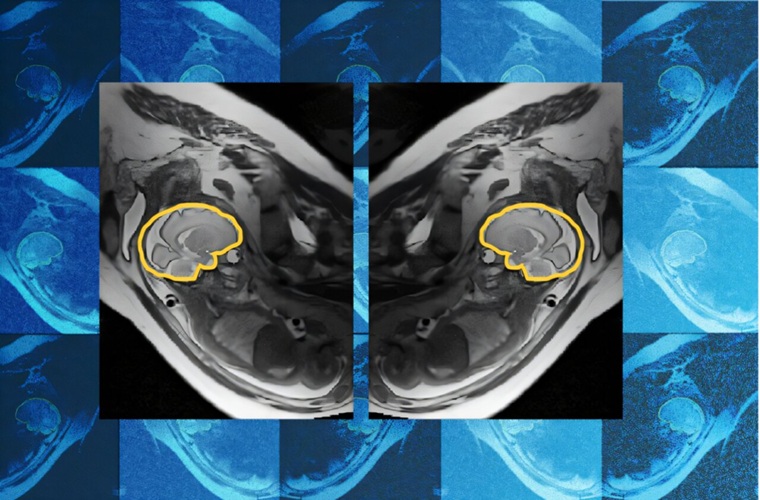
AI Tool Improves Fetal MRI for Brain Abnormality Diagnosis
Fetal brain abnormalities can be difficult to diagnose before birth when fetal motion reduces imaging quality. Routine ultrasound may flag a possible abnormality, prompting follow-up fetal MRI, but head... Read more
AI Model Detects Hidden Disease Signals in Routine CT Scans
Computed tomography (CT) scans are often performed to answer a specific diagnostic question, which can leave other potentially important findings outside the immediate clinical focus. As a result, opportunities... Read more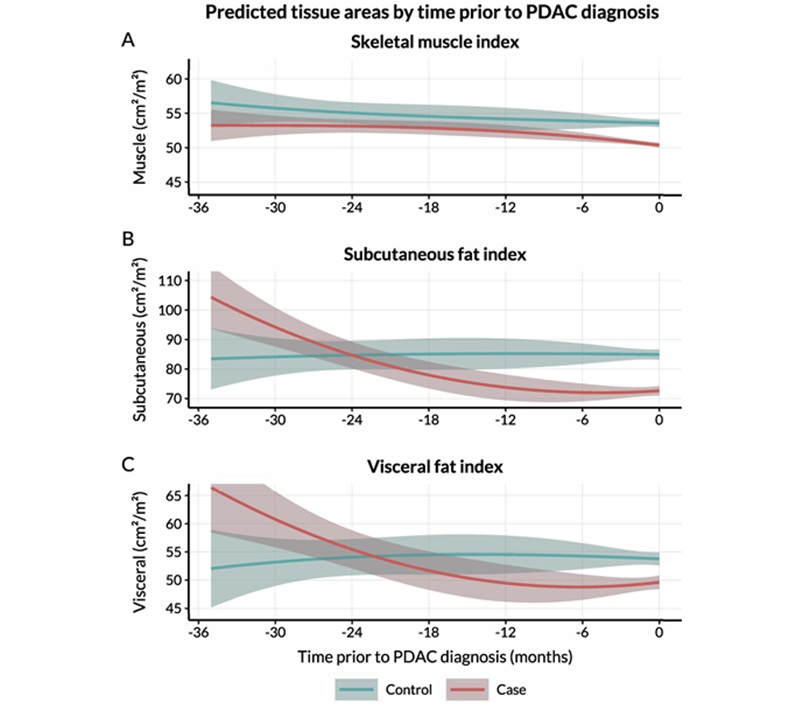
Routine CT Body Composition Tool Helps Identify Early Pancreatic Cancer Risk
Pancreatic ductal adenocarcinoma (PDAC), the most common type of pancreatic cancer, often goes undetected until it has spread. Surveillance programs primarily target people with inherited genetic risk... Read more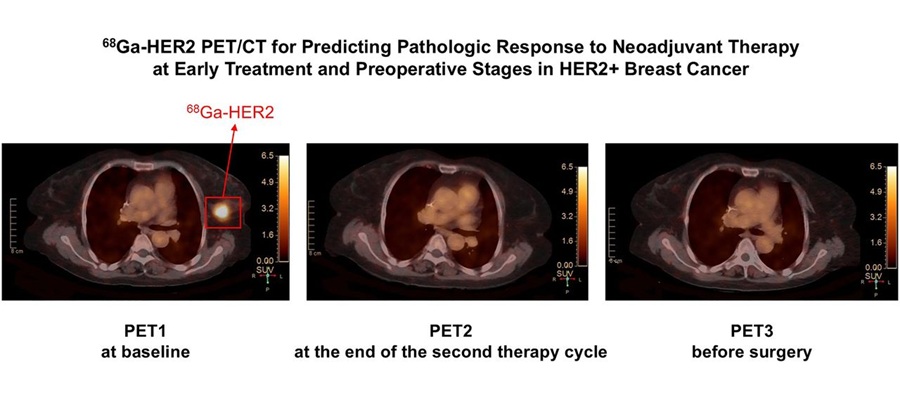
Targeted PET/CT Predicts Early Treatment Response in HER2-Positive Breast Cancer
HER2-positive breast cancer is an aggressive subtype that accounts for a substantial proportion of breast cancer cases. Patients often receive neoadjuvant therapy before surgery to shrink tumors, but assessing... Read morePoint of Care
view channel
Continuous Glucose Monitoring Identifies Cardiometabolic Risk in Adults Without Diabetes
Dysglycemia—abnormal blood glucose regulation—can fluctuate throughout the day and often escape conventional screening. Clinicians typically rely on fasting plasma glucose and hemoglobin A1c, which offer... Read more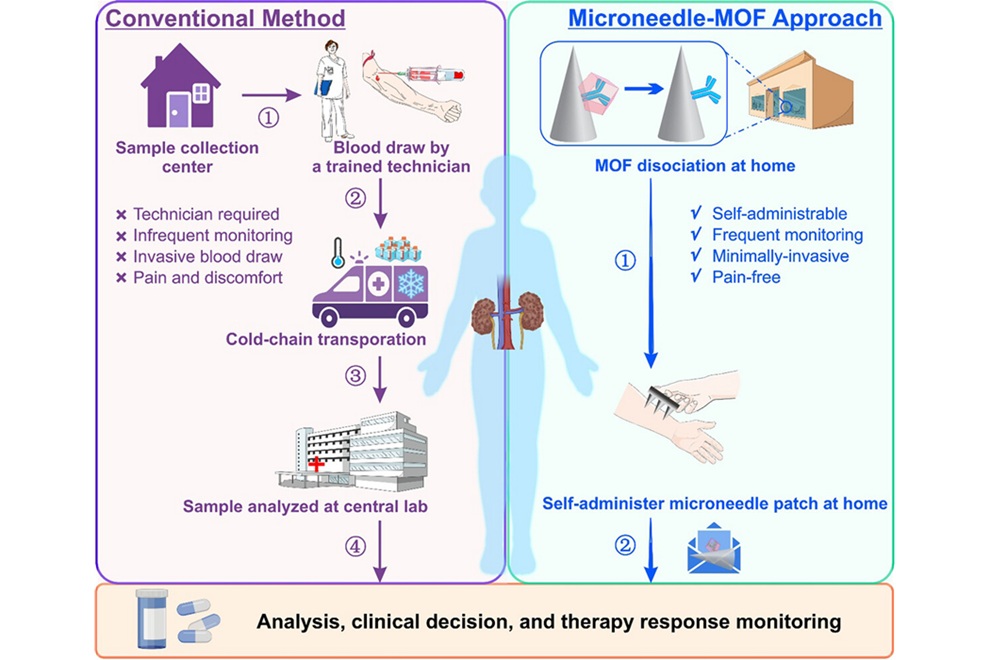
Microneedle Patch Enables At-Home Monitoring of Acute Kidney Injury
Kidney disease is often silent in its early stages, making timely detection difficult outside clinical settings. Early biomarkers such as neutrophil gelatinase–associated lipocalin can require blood draws... Read more
Business
view channel
Steris to Expand Surgical Safety Portfolio With $2.1 Billion Xodus Medical Deal
Steris has signed a definitive agreement to acquire Xodus Medical, a specialty surgical products business based in Pennsylvania, for $2.1 billion at closing. The acquisition will expand Steris’s healthcare... Read more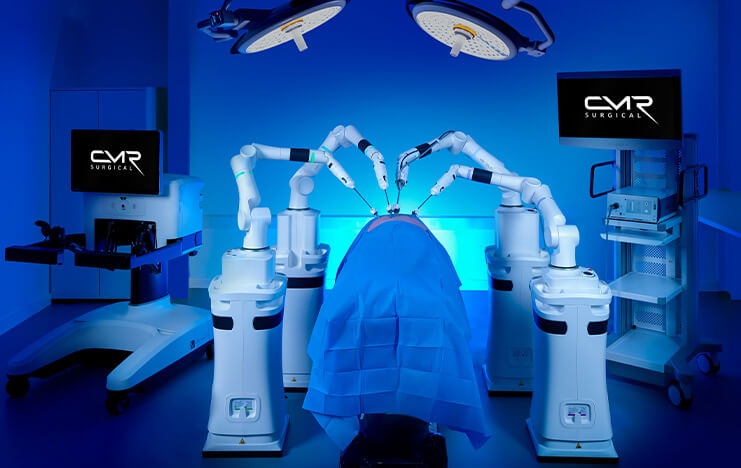
Stryker Enters Soft-Tissue Robotics Through Strategic Alliance With CMR Surgical
Stryker (Portage, MI, USA) and CMR Surgical (Cambridge, UK) have announced a strategic alliance centered on the Versius Surgical Robotic portfolio. The agreement includes an approximately USD 400 million... Read more
Terumo Neuro Acquisition Advances Liquid Embolic Technology for Chronic Subdural Hematoma
Terumo Neuro (Aliso Viejo, CA, USA) signed an agreement to acquire Arsenal Medical Inc. (Waltham, MA, USA), a privately held, clinical-stage biomaterials company. The proposed acquisition would add NeoCast,... Read more