






Inpatient Remote Monitoring Can Save Hospitals Billions
|
By HospiMedica International staff writers Posted on 06 Sep 2016 |


|

Image: The EarlySense system sensor pad (Photo courtesy of EarlySense).
Contact-free continuous monitoring (CFCM) of patients in their hospital beds could save the healthcare sector billions of dollars. These are the latest findings of Frost & Sullivan (Frost; London, United Kingdom), an international market research firm.
The Frost report is based on studies by researchers at Brigham and Women's Hospital (BWH; Boston, AM, USA), Chaim Sheba Medical Center (Tel Hashomer, Israel), and other institutions that evaluated cost savings attributable to the implementation of CFCM in a 33-bed medical-surgical unit, and to determine the return on investment associated with its implementation. Each bed was equipped with a monitoring unit, with data collected and compared nine month before and nine months after implementation.
The researchers constructed two models - a base case model, in which they estimated the total cost savings of intervention effects, and a conservative model in which they only included the direct variable cost component for the final length of stay and the treatment of pressure ulcers. The results showed that in the 5-year return on investment model, the monitoring system saved between a conservative USD 3,268,000 and USD 9,089,000, given an 80% prospective reimbursement rate.
The average net benefit of implementing the system ranged from USD 224 per patient (conservative model) to USD 710 per patient per year. A multi-way sensitivity analysis was performed using the most and least favorable conditions for all variables, which showed a return on investment that ranged from 127.1% to 601.7% for the least favorable conditions, and 627.5% to 1,739.7% for the most favorable conditions. By extending the savings to all 750,000 relevant beds in the U.S. Hospital System, Frost estimates that the American Healthcare system could save approximately USD 15 billion annually.
“The healthcare industry is constantly working to improve efficiency. These studies show that continuous monitoring presents a unique opportunity to create both top and bottom line benefits, while simultaneously improving quality of care,” said Charlie Whelan, transformational health North America consulting director at Frost & Sullivan. “The economic potential of adopting CFCM is a game-changer, in terms of changing patient outcomes, shortening hospital stays, and improving economics.”
The CFCM technology studied was the EarlySense (Waltham, MA, USA) contact-free motion, heart rate, and respiratory rate monitoring system, which has been shown to assist in the earlier detection of patient deterioration, reduction of patient length of stay, minimizing intensive care unit (ICU) utilization, reduction of falls and pressure ulcers, and avoidance of cardiac and respiratory arrests.
“The powerful peer-reviewed data, as well as practical experience gained by clinicians using our technology on hundreds of thousands of patients, is why CFCM solutions are rapidly becoming standard of care in many institutions,” said Avner Halperin, CEO of EarlySense. “We are excited to continue to offer the most advanced CFCM solutions to our customers in the U.S. and abroad, and to expand our reach to new facilities to help achieve positive patient outcomes and improved economics for the healthcare system.”
Related Links:
Frost & Sullivan
Brigham and Women's Hospital
Chaim Sheba Medical Center
EarlySense




The Frost report is based on studies by researchers at Brigham and Women's Hospital (BWH; Boston, AM, USA), Chaim Sheba Medical Center (Tel Hashomer, Israel), and other institutions that evaluated cost savings attributable to the implementation of CFCM in a 33-bed medical-surgical unit, and to determine the return on investment associated with its implementation. Each bed was equipped with a monitoring unit, with data collected and compared nine month before and nine months after implementation.
The researchers constructed two models - a base case model, in which they estimated the total cost savings of intervention effects, and a conservative model in which they only included the direct variable cost component for the final length of stay and the treatment of pressure ulcers. The results showed that in the 5-year return on investment model, the monitoring system saved between a conservative USD 3,268,000 and USD 9,089,000, given an 80% prospective reimbursement rate.
The average net benefit of implementing the system ranged from USD 224 per patient (conservative model) to USD 710 per patient per year. A multi-way sensitivity analysis was performed using the most and least favorable conditions for all variables, which showed a return on investment that ranged from 127.1% to 601.7% for the least favorable conditions, and 627.5% to 1,739.7% for the most favorable conditions. By extending the savings to all 750,000 relevant beds in the U.S. Hospital System, Frost estimates that the American Healthcare system could save approximately USD 15 billion annually.
“The healthcare industry is constantly working to improve efficiency. These studies show that continuous monitoring presents a unique opportunity to create both top and bottom line benefits, while simultaneously improving quality of care,” said Charlie Whelan, transformational health North America consulting director at Frost & Sullivan. “The economic potential of adopting CFCM is a game-changer, in terms of changing patient outcomes, shortening hospital stays, and improving economics.”
The CFCM technology studied was the EarlySense (Waltham, MA, USA) contact-free motion, heart rate, and respiratory rate monitoring system, which has been shown to assist in the earlier detection of patient deterioration, reduction of patient length of stay, minimizing intensive care unit (ICU) utilization, reduction of falls and pressure ulcers, and avoidance of cardiac and respiratory arrests.
“The powerful peer-reviewed data, as well as practical experience gained by clinicians using our technology on hundreds of thousands of patients, is why CFCM solutions are rapidly becoming standard of care in many institutions,” said Avner Halperin, CEO of EarlySense. “We are excited to continue to offer the most advanced CFCM solutions to our customers in the U.S. and abroad, and to expand our reach to new facilities to help achieve positive patient outcomes and improved economics for the healthcare system.”
Related Links:
Frost & Sullivan
Brigham and Women's Hospital
Chaim Sheba Medical Center
EarlySense

Gold Member
STI Test
Vivalytic Sexually Transmitted Infection (STI) Array
New
Digital Radiography System (Ceiling Free)
Digix CF Series
New
Medical Examination & Procedure Light
Vega 80
Latest Hospital News News
- Nurse Tracking System Improves Hospital Workflow
- New Children’s Hospital Transforms California Healthcare
- Noisy Hospitals Face Threat of Decreased Federal Compensation
- Orthopedics Centre of Excellence Planned for Guy’s Hospital
- Research Suggests Avoidance of Low-Value Surgical Procedures
- U.S. Federal Readmission Fines Linked to Higher Mortality
- Columbia China to Build New Hospital in Jiaxing
- Dubai Debuts Second Robotic Pharmacy Service
- Seattle Hospital Network Shifts Away from Overlapping Surgeries
- ACC to Launch Valvular Heart Disease Program in China
- Mortality Rates Lower at Major Teaching Hospitals
- South Australia to Inaugurate Upscale Hospital
- Raffles to Launch Second Hospital Project in China
- Research Center Tackles Antimicrobial Drugs Challenge
- Miami Cardiac & Vascular Institute Completes Expansion Project
- Hospital Antibiotic Policies Improve Prescription Practices
Channels
Artificial Intelligence
view channel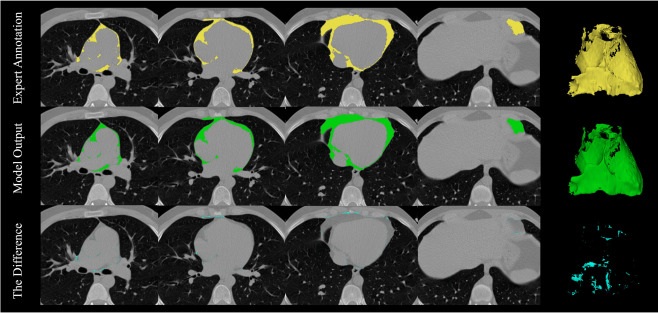
AI Analysis of Pericardial Fat Refines Long-Term Heart Disease Risk
Accurately identifying long-term cardiovascular disease risk in asymptomatic adults remains challenging for clinicians. Missed or underestimated risk delays preventive therapy and increases the chance... Read more
Machine Learning Approach Enhances Liver Cancer Risk Stratification
Hepatocellular carcinoma, the most common form of primary liver cancer, is often detected late despite targeted surveillance programs. Current screening guidelines emphasize patients with known cirrhosis,... Read more

Critical Care
view channel
Noninvasive Monitoring Device Enables Earlier Intervention in Heart Failure
Hospitalizations for heart failure with preserved ejection fraction (HFpEF) remain common because lung congestion often worsens before symptoms prompt treatment changes. Missed early decompensation... Read more
Automated IV Labeling Solution Improves Infusion Safety and Efficiency
Medication administration in high-acuity settings is often complicated by multiple concurrent infusions, making accurate line identification essential. In a 10-hospital intensive care unit study, 60% of... Read more
Surgical Techniques
view channel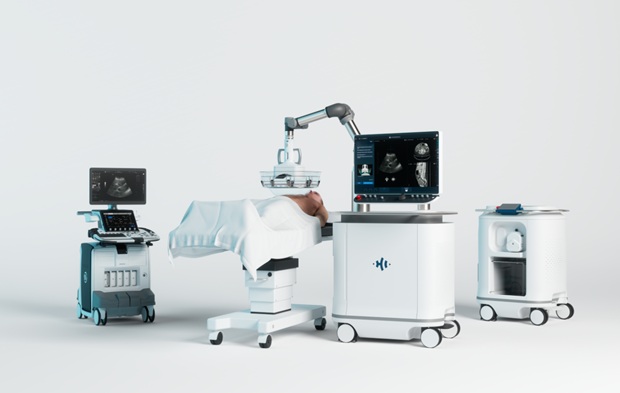
Ultrasound Technology Aims to Replace Invasive BPH Procedures
Benign prostatic hyperplasia (BPH) is a frequent cause of lower urinary tract symptoms in aging men and often requires invasive procedures or prolonged recovery. With prevalence expected to rise as populations... Read more
Continuous Monitoring with Wearables Enhances Postoperative Patient Safety
Postoperative hypoxemia on general surgical wards is common and often missed by intermittent vital sign checks. Undetected low oxygen levels can delay recovery and raise the risk of complications that... Read more
Patient Care
view channel
Wearable Sleep Data Predict Adherence to Pulmonary Rehabilitation
Chronic obstructive pulmonary disease (COPD) is a long-term lung disorder that makes breathing difficult and often disturbs sleep, reducing energy for daily activities. Limited engagement in pulmonary... Read more
Revolutionary Automatic IV-Line Flushing Device to Enhance Infusion Care
More than 80% of in-hospital patients receive intravenous (IV) therapy. Every dose of IV medicine delivered in a small volume (<250 mL) infusion bag should be followed by subsequent flushing to ensure... Read more

Health IT
view channel
EMR-Based Tool Predicts Graft Failure After Kidney Transplant
Kidney transplantation offers patients with end-stage kidney disease longer survival and better quality of life than dialysis, yet graft failure remains a major challenge. Although a successful transplant... Read more
Printable Molecule-Selective Nanoparticles Enable Mass Production of Wearable Biosensors
The future of medicine is likely to focus on the personalization of healthcare—understanding exactly what an individual requires and delivering the appropriate combination of nutrients, metabolites, and... Read more


Business
view channel
GE HealthCare Leads Major European Initiative to Advance Cardio-Oncology Care
Cardiovascular complications are increasingly recognized among people undergoing or recovering from cancer treatment, driven by pre‑existing disease and the cardiotoxic effects of chemotherapy, radiotherapy,... Read more

