






CMS to Encourage a Safer U.S. Healthcare System
|
By HospiMedica International staff writers Posted on 18 Oct 2016 |


|
The U.S. Centers for Medicare & Medicaid Service (CMS, Baltimore, MD, USA) is launching a second nationwide effort to reduce patient harm and decrease hospital readmissions.
The CMS Hospital Innovation and Improvement Network will award USD 347 million to 16 different groups, including hospital associations, quality improvement organizations, and health systems, with the goal of achieving a 20% decrease in overall patient harm and a 12% reduction in 30-day hospital readmissions by 2019, based on a 2014 baseline. The new project follows the success of the Partnership for Patients initiative launched in 2010, which set a goal of 40% reduction in preventable harm, with a 17% reduction in all-cause harm.
The hospitals in the network will be required to work on reducing both readmissions and a range of hospital-acquired conditions, including adverse drug events involving anticoagulants, opioids, and hypoglycemic agents; central line-associated blood stream infections; catheter-associated urinary tract infection (CAUTI); Clostridium difficile infection; injury from falls and immobility; pressure ulcers; sepsis and septic shock; surgical site infections (SSIs); venous thromboembolism (VT); and ventilator-associated events.
“We have made significant progress in keeping patients safe; an estimated 2.1 million fewer patients harmed, 87,000 lives saved, and nearly USD 20 billion in cost-savings from 2010 to 2014, and we are focused on accelerating improvement efforts,” said Patrick Conway, MD, MSc, acting principal deputy administrator and chief medical officer of the CMS. “The work of the Hospital Improvement and Innovation Networks will allow us to continue to improve health care safety across the nation and reduce readmissions at a national scale, keeping people as safe and healthy as possible.”
“In just four years, the Partnership for Patients made an important difference. The fact that we have done this in collaboration with patients and families as genuine partners, from the point of conception to design and development and implementation of this work, has been a key ingredient in its success,” said Debra Ness, president of the National Partnership for Women and Families (Washington, DC, USA). “We will do our best to educate patients and family members to help them be full contributors in this process.”
Related Links:
U.S. Centers for Medicare & Medicaid Service
National Partnership for Women and Families





The CMS Hospital Innovation and Improvement Network will award USD 347 million to 16 different groups, including hospital associations, quality improvement organizations, and health systems, with the goal of achieving a 20% decrease in overall patient harm and a 12% reduction in 30-day hospital readmissions by 2019, based on a 2014 baseline. The new project follows the success of the Partnership for Patients initiative launched in 2010, which set a goal of 40% reduction in preventable harm, with a 17% reduction in all-cause harm.
The hospitals in the network will be required to work on reducing both readmissions and a range of hospital-acquired conditions, including adverse drug events involving anticoagulants, opioids, and hypoglycemic agents; central line-associated blood stream infections; catheter-associated urinary tract infection (CAUTI); Clostridium difficile infection; injury from falls and immobility; pressure ulcers; sepsis and septic shock; surgical site infections (SSIs); venous thromboembolism (VT); and ventilator-associated events.
“We have made significant progress in keeping patients safe; an estimated 2.1 million fewer patients harmed, 87,000 lives saved, and nearly USD 20 billion in cost-savings from 2010 to 2014, and we are focused on accelerating improvement efforts,” said Patrick Conway, MD, MSc, acting principal deputy administrator and chief medical officer of the CMS. “The work of the Hospital Improvement and Innovation Networks will allow us to continue to improve health care safety across the nation and reduce readmissions at a national scale, keeping people as safe and healthy as possible.”
“In just four years, the Partnership for Patients made an important difference. The fact that we have done this in collaboration with patients and families as genuine partners, from the point of conception to design and development and implementation of this work, has been a key ingredient in its success,” said Debra Ness, president of the National Partnership for Women and Families (Washington, DC, USA). “We will do our best to educate patients and family members to help them be full contributors in this process.”
Related Links:
U.S. Centers for Medicare & Medicaid Service
National Partnership for Women and Families

New
Gold Member
Handheld Blood Glucose Analyzer
STAT-Site
New
Patient Monitoring System
AlarmSense
New
Tourniquet System
heidi– mein Tourniquet
Latest Hospital News News
- Nurse Tracking System Improves Hospital Workflow
- New Children’s Hospital Transforms California Healthcare
- Noisy Hospitals Face Threat of Decreased Federal Compensation
- Orthopedics Centre of Excellence Planned for Guy’s Hospital
- Research Suggests Avoidance of Low-Value Surgical Procedures
- U.S. Federal Readmission Fines Linked to Higher Mortality
- Columbia China to Build New Hospital in Jiaxing
- Dubai Debuts Second Robotic Pharmacy Service
- Seattle Hospital Network Shifts Away from Overlapping Surgeries
- ACC to Launch Valvular Heart Disease Program in China
- Mortality Rates Lower at Major Teaching Hospitals
- South Australia to Inaugurate Upscale Hospital
- Raffles to Launch Second Hospital Project in China
- Research Center Tackles Antimicrobial Drugs Challenge
- Miami Cardiac & Vascular Institute Completes Expansion Project
- Hospital Antibiotic Policies Improve Prescription Practices
Channels
Artificial Intelligence
view channel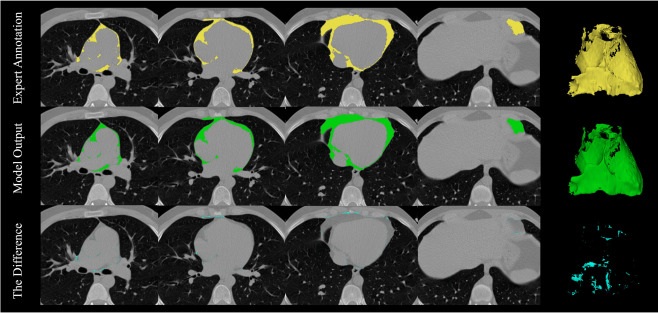
AI Analysis of Pericardial Fat Refines Long-Term Heart Disease Risk
Accurately identifying long-term cardiovascular disease risk in asymptomatic adults remains challenging for clinicians. Missed or underestimated risk delays preventive therapy and increases the chance... Read more
Machine Learning Approach Enhances Liver Cancer Risk Stratification
Hepatocellular carcinoma, the most common form of primary liver cancer, is often detected late despite targeted surveillance programs. Current screening guidelines emphasize patients with known cirrhosis,... Read more

Critical Care
view channel
Noninvasive Monitoring Device Enables Earlier Intervention in Heart Failure
Hospitalizations for heart failure with preserved ejection fraction (HFpEF) remain common because lung congestion often worsens before symptoms prompt treatment changes. Missed early decompensation... Read more
Automated IV Labeling Solution Improves Infusion Safety and Efficiency
Medication administration in high-acuity settings is often complicated by multiple concurrent infusions, making accurate line identification essential. In a 10-hospital intensive care unit study, 60% of... Read more

Surgical Techniques
view channel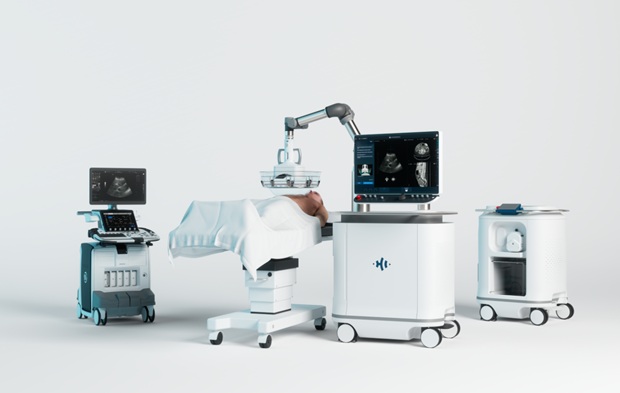
Ultrasound Technology Aims to Replace Invasive BPH Procedures
Benign prostatic hyperplasia (BPH) is a frequent cause of lower urinary tract symptoms in aging men and often requires invasive procedures or prolonged recovery. With prevalence expected to rise as populations... Read more
Continuous Monitoring with Wearables Enhances Postoperative Patient Safety
Postoperative hypoxemia on general surgical wards is common and often missed by intermittent vital sign checks. Undetected low oxygen levels can delay recovery and raise the risk of complications that... Read more

Patient Care
view channel
Wearable Sleep Data Predict Adherence to Pulmonary Rehabilitation
Chronic obstructive pulmonary disease (COPD) is a long-term lung disorder that makes breathing difficult and often disturbs sleep, reducing energy for daily activities. Limited engagement in pulmonary... Read more
Revolutionary Automatic IV-Line Flushing Device to Enhance Infusion Care
More than 80% of in-hospital patients receive intravenous (IV) therapy. Every dose of IV medicine delivered in a small volume (<250 mL) infusion bag should be followed by subsequent flushing to ensure... Read more

Health IT
view channel
EMR-Based Tool Predicts Graft Failure After Kidney Transplant
Kidney transplantation offers patients with end-stage kidney disease longer survival and better quality of life than dialysis, yet graft failure remains a major challenge. Although a successful transplant... Read more
Printable Molecule-Selective Nanoparticles Enable Mass Production of Wearable Biosensors
The future of medicine is likely to focus on the personalization of healthcare—understanding exactly what an individual requires and delivering the appropriate combination of nutrients, metabolites, and... Read more


Business
view channel
GE HealthCare Leads Major European Initiative to Advance Cardio-Oncology Care
Cardiovascular complications are increasingly recognized among people undergoing or recovering from cancer treatment, driven by pre‑existing disease and the cardiotoxic effects of chemotherapy, radiotherapy,... Read more

