






USC Virtual Care Clinic to Employ Avatar Doctors
|
By HospiMedica International staff writers Posted on 31 Jan 2017 |


|
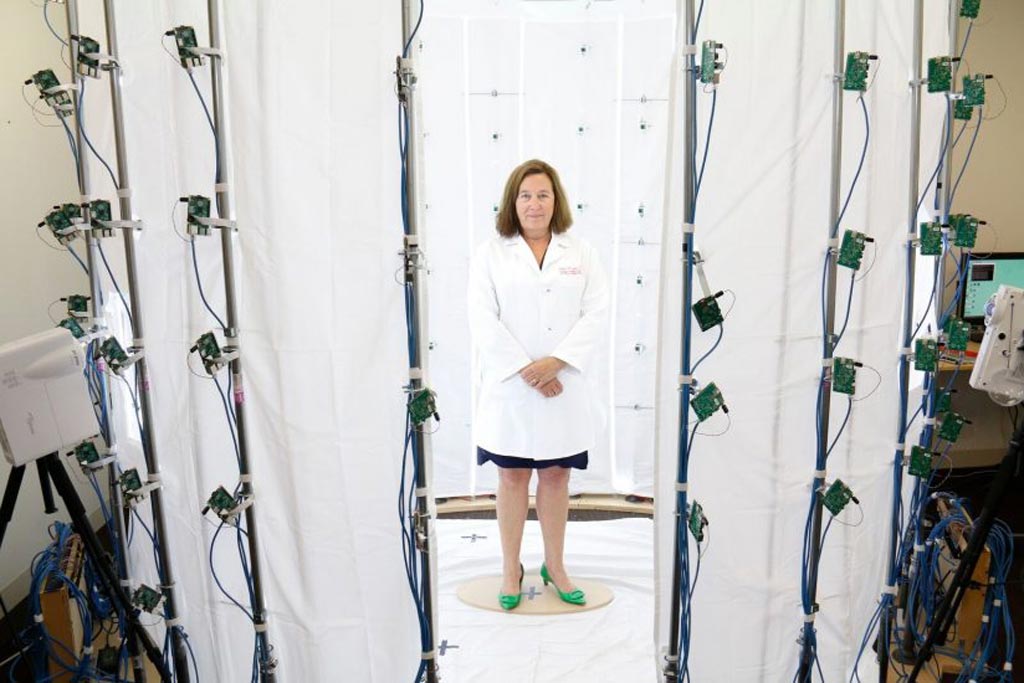
Image: Dr. Leslie Saxon standing in a virtual doctor photo tent (Photo courtesy of Eddie Sakaki/USC).
A novel virtual care clinic under development by the University of Southern California could in future provide medical care over a digital platform.
The USC Center for Body Computing is developing the Virtual Care Clinic to facilitate a technology-connected health care system, with the ultimate objective being the digital cloning of all 1,500 experts and researchers from the USC Keck School of Medicine. One aspect of the clinic is the DocOn app--currently in the development stage-which will showcase the medical avatars. USC intends the app to be eventually available in several languages for user around the globe.
The first version of the app is focused on atrial fibrillation (AF). During the run-in period it will not diagnose AF, but instead will be educational, providing information on recent studies, medication, or treatments gathered from reputable medical research. The Virtual Care Clinic is not intended to replace regular visits with doctors, but instead give patients additional resources to learn about their health. The first virtual avatar is that of Leslie Saxon, MD, founder of the USC Center for Body Computing; the avatar gestures, furrows her eyebrows, and talks just like the doctor herself.
“In a way, what we’re doing with the virtual care clinic is we’re developing the operating system for health care. Most of the health care delivery in the United States and globally will be delivered over a digital platform, meaning not in person,” explained Dr. Saxon. “To visualize this new future, imagine that your smartphone is picking up even more data than it is now; knowing what you ate for dinner, your exercise routine, and your family medical history. All that data could be turned over to your doctor, who could analyze it to see the transition from health to disease.”
“When I found out that Dr. Saxon and body computing was an entity, I thought ‘Oh my god, this is perfect, I’d love to use my programming skills in the context of medicine,” said Ketetha Olengue, a medical student at the Keck School of Medicine and intern at the center, who programmed the app and is also featured in the promotional video. “It’s exciting and it’s valuable because it’s just going to change the way people interact with their doctors. With an app like this, it allows you to talk to a doctor in the comfort of your own home.”





The USC Center for Body Computing is developing the Virtual Care Clinic to facilitate a technology-connected health care system, with the ultimate objective being the digital cloning of all 1,500 experts and researchers from the USC Keck School of Medicine. One aspect of the clinic is the DocOn app--currently in the development stage-which will showcase the medical avatars. USC intends the app to be eventually available in several languages for user around the globe.
The first version of the app is focused on atrial fibrillation (AF). During the run-in period it will not diagnose AF, but instead will be educational, providing information on recent studies, medication, or treatments gathered from reputable medical research. The Virtual Care Clinic is not intended to replace regular visits with doctors, but instead give patients additional resources to learn about their health. The first virtual avatar is that of Leslie Saxon, MD, founder of the USC Center for Body Computing; the avatar gestures, furrows her eyebrows, and talks just like the doctor herself.
“In a way, what we’re doing with the virtual care clinic is we’re developing the operating system for health care. Most of the health care delivery in the United States and globally will be delivered over a digital platform, meaning not in person,” explained Dr. Saxon. “To visualize this new future, imagine that your smartphone is picking up even more data than it is now; knowing what you ate for dinner, your exercise routine, and your family medical history. All that data could be turned over to your doctor, who could analyze it to see the transition from health to disease.”
“When I found out that Dr. Saxon and body computing was an entity, I thought ‘Oh my god, this is perfect, I’d love to use my programming skills in the context of medicine,” said Ketetha Olengue, a medical student at the Keck School of Medicine and intern at the center, who programmed the app and is also featured in the promotional video. “It’s exciting and it’s valuable because it’s just going to change the way people interact with their doctors. With an app like this, it allows you to talk to a doctor in the comfort of your own home.”

Gold Member
12-Channel ECG
CM1200B
New
Immobilization System
Cranial 4Pi Immobilization
New
Radiofrequency Generator
GX1
Latest Hospital News News
- Nurse Tracking System Improves Hospital Workflow
- New Children’s Hospital Transforms California Healthcare
- Noisy Hospitals Face Threat of Decreased Federal Compensation
- Orthopedics Centre of Excellence Planned for Guy’s Hospital
- Research Suggests Avoidance of Low-Value Surgical Procedures
- U.S. Federal Readmission Fines Linked to Higher Mortality
- Columbia China to Build New Hospital in Jiaxing
- Dubai Debuts Second Robotic Pharmacy Service
- Seattle Hospital Network Shifts Away from Overlapping Surgeries
- ACC to Launch Valvular Heart Disease Program in China
- Mortality Rates Lower at Major Teaching Hospitals
- South Australia to Inaugurate Upscale Hospital
- Raffles to Launch Second Hospital Project in China
- Research Center Tackles Antimicrobial Drugs Challenge
- Miami Cardiac & Vascular Institute Completes Expansion Project
- Hospital Antibiotic Policies Improve Prescription Practices
Channels
Artificial Intelligence
view channel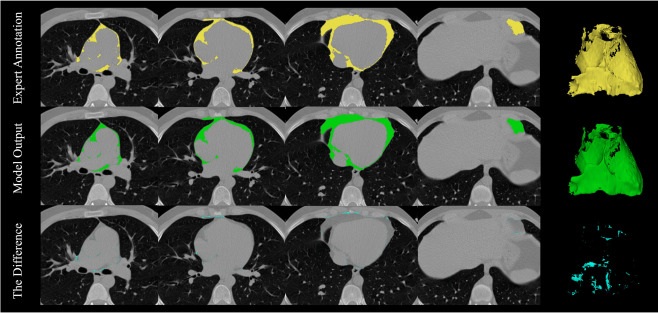
AI Analysis of Pericardial Fat Refines Long-Term Heart Disease Risk
Accurately identifying long-term cardiovascular disease risk in asymptomatic adults remains challenging for clinicians. Missed or underestimated risk delays preventive therapy and increases the chance... Read more
Machine Learning Approach Enhances Liver Cancer Risk Stratification
Hepatocellular carcinoma, the most common form of primary liver cancer, is often detected late despite targeted surveillance programs. Current screening guidelines emphasize patients with known cirrhosis,... Read more

Critical Care
view channel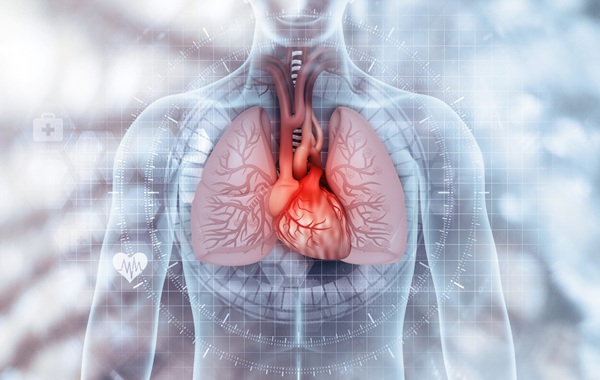
Noninvasive Monitoring Device Enables Earlier Intervention in Heart Failure
Hospitalizations for heart failure with preserved ejection fraction (HFpEF) remain common because lung congestion often worsens before symptoms prompt treatment changes. Missed early decompensation... Read more
Automated IV Labeling Solution Improves Infusion Safety and Efficiency
Medication administration in high-acuity settings is often complicated by multiple concurrent infusions, making accurate line identification essential. In a 10-hospital intensive care unit study, 60% of... Read more

Surgical Techniques
view channel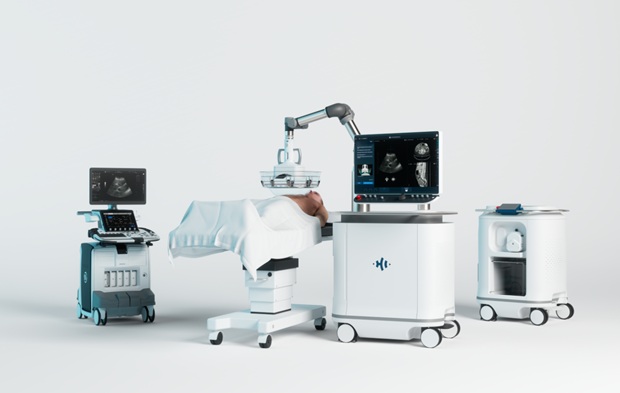
Ultrasound Technology Aims to Replace Invasive BPH Procedures
Benign prostatic hyperplasia (BPH) is a frequent cause of lower urinary tract symptoms in aging men and often requires invasive procedures or prolonged recovery. With prevalence expected to rise as populations... Read more
Continuous Monitoring with Wearables Enhances Postoperative Patient Safety
Postoperative hypoxemia on general surgical wards is common and often missed by intermittent vital sign checks. Undetected low oxygen levels can delay recovery and raise the risk of complications that... Read more
Patient Care
view channel
Wearable Sleep Data Predict Adherence to Pulmonary Rehabilitation
Chronic obstructive pulmonary disease (COPD) is a long-term lung disorder that makes breathing difficult and often disturbs sleep, reducing energy for daily activities. Limited engagement in pulmonary... Read more
Revolutionary Automatic IV-Line Flushing Device to Enhance Infusion Care
More than 80% of in-hospital patients receive intravenous (IV) therapy. Every dose of IV medicine delivered in a small volume (<250 mL) infusion bag should be followed by subsequent flushing to ensure... Read more

Health IT
view channel
EMR-Based Tool Predicts Graft Failure After Kidney Transplant
Kidney transplantation offers patients with end-stage kidney disease longer survival and better quality of life than dialysis, yet graft failure remains a major challenge. Although a successful transplant... Read more
Printable Molecule-Selective Nanoparticles Enable Mass Production of Wearable Biosensors
The future of medicine is likely to focus on the personalization of healthcare—understanding exactly what an individual requires and delivering the appropriate combination of nutrients, metabolites, and... Read more


Business
view channel
GE HealthCare Leads Major European Initiative to Advance Cardio-Oncology Care
Cardiovascular complications are increasingly recognized among people undergoing or recovering from cancer treatment, driven by pre‑existing disease and the cardiotoxic effects of chemotherapy, radiotherapy,... Read more

