






Soft Robotics Helps Caregivers Preserve Skeletal Health
|
By HospiMedica International staff writers Posted on 24 Mar 2015 |


|
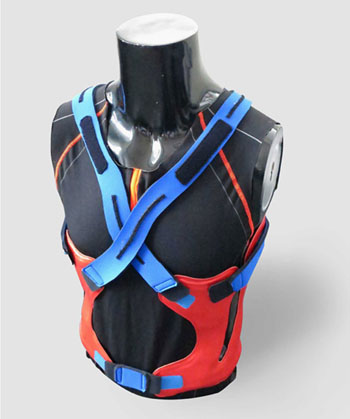
Image: The CareJack vest supports the back without restricting freedom of movement (Photo courtesy of Fraunhofer IPK/IZM).
An active vest provides caregivers’ extra support, helping to ease the physical stress placed on the musculoskeletal system when caring for patients.
Developed by researchers at the Fraunhofer Institute for Production Systems and Design Technology (IPK; Berlin, Germany) and the Fraunhofer Institute for Reliability and Microintegration (IZM; Berlin, Germany), the CareJack orthosis device is a light, soft, and comfortable to wear orthopedic prosthesis that can be worn over regular clothes, like a coat, provide ergonomic guidance and support for the wearer.
Rather than relying on the hard shells often used in orthoses, the researchers opted instead for a soft material that is flexible and comfortable to wear; all the electronics, including miniaturized components, flexible circuit boards, and all the necessary sensors, are incorporated into the material itself . The energy required comes from the wearers themselves, through their movements. When a caregiver bends down to lift a patient up, the smart medical aid stores the kinetic energy and can release it again when required.
The smart vest features a myriad of sensors that continuously monitor the way the wearer is moving, and a processor compares these data against the optimum movement pattern as dictated by ergonomic guidelines. As soon as it detects any irregularity, a warning lamp is activated, indicating the movement may be harmful. Not only that, but innovative synthetic actuators with adjustable rigidity help avoid incorrect movements and support correct ones. For example, the vest warns the user when he is lifting something heavy with a rounded back, instead of squatting down to lift the object with a straight back.
“Until now, there haven’t been any efficient support systems to help caregivers with the heavy work they encounter in their extremely varied day-to-day work,” said Henning Schmidt, who heads the project for IPK. “A prototype of the vest should appear in 2015. It’s not just caregivers who could make use of this sort of active support, but anyone performing heavy physical work – construction workers, roofers, garbage collectors, brick layers and many more.”
Related Links:
Fraunhofer Institute for Production Systems and Design Technology
Fraunhofer Institute for Reliability and Microintegration




Developed by researchers at the Fraunhofer Institute for Production Systems and Design Technology (IPK; Berlin, Germany) and the Fraunhofer Institute for Reliability and Microintegration (IZM; Berlin, Germany), the CareJack orthosis device is a light, soft, and comfortable to wear orthopedic prosthesis that can be worn over regular clothes, like a coat, provide ergonomic guidance and support for the wearer.
Rather than relying on the hard shells often used in orthoses, the researchers opted instead for a soft material that is flexible and comfortable to wear; all the electronics, including miniaturized components, flexible circuit boards, and all the necessary sensors, are incorporated into the material itself . The energy required comes from the wearers themselves, through their movements. When a caregiver bends down to lift a patient up, the smart medical aid stores the kinetic energy and can release it again when required.
The smart vest features a myriad of sensors that continuously monitor the way the wearer is moving, and a processor compares these data against the optimum movement pattern as dictated by ergonomic guidelines. As soon as it detects any irregularity, a warning lamp is activated, indicating the movement may be harmful. Not only that, but innovative synthetic actuators with adjustable rigidity help avoid incorrect movements and support correct ones. For example, the vest warns the user when he is lifting something heavy with a rounded back, instead of squatting down to lift the object with a straight back.
“Until now, there haven’t been any efficient support systems to help caregivers with the heavy work they encounter in their extremely varied day-to-day work,” said Henning Schmidt, who heads the project for IPK. “A prototype of the vest should appear in 2015. It’s not just caregivers who could make use of this sort of active support, but anyone performing heavy physical work – construction workers, roofers, garbage collectors, brick layers and many more.”
Related Links:
Fraunhofer Institute for Production Systems and Design Technology
Fraunhofer Institute for Reliability and Microintegration

New
Gold Member
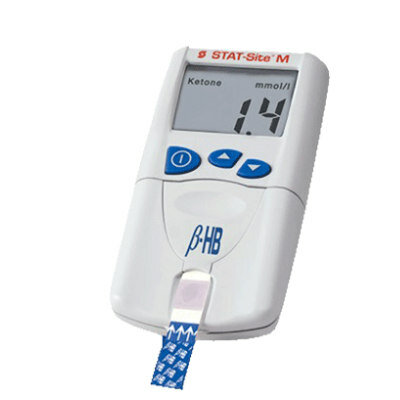
Handheld Blood Glucose Analyzer
STAT-Site
New
Resorbable Bovine Collagen Membrane
GenDerm
New
Wound Irrigation Solution
Prontosan®
Latest Patient Care News
- Wearable Sleep Data Predict Adherence to Pulmonary Rehabilitation
- Revolutionary Automatic IV-Line Flushing Device to Enhance Infusion Care
- VR Training Tool Combats Contamination of Portable Medical Equipment
- Portable Biosensor Platform to Reduce Hospital-Acquired Infections
- First-Of-Its-Kind Portable Germicidal Light Technology Disinfects High-Touch Clinical Surfaces in Seconds
- Surgical Capacity Optimization Solution Helps Hospitals Boost OR Utilization

- Game-Changing Innovation in Surgical Instrument Sterilization Significantly Improves OR Throughput
- Next Gen ICU Bed to Help Address Complex Critical Care Needs
- Groundbreaking AI-Powered UV-C Disinfection Technology Redefines Infection Control Landscape
- Clean Hospitals Can Reduce Antibiotic Resistance, Save Lives
- Smart Hospital Beds Improve Accuracy of Medical Diagnosis
- New Fast Endoscope Drying System Improves Productivity and Traceability
- World’s First Automated Endoscope Cleaner Fights Antimicrobial Resistance
- Portable High-Capacity Digital Stretcher Scales Provide Precision Weighing for Patients in ER
- Portable Clinical Scale with Remote Indicator Allows for Flexible Patient Weighing Use
- Innovative and Highly Customizable Medical Carts Offer Unlimited Configuration Possibilities
Channels
Artificial Intelligence
view channel
AI Analysis of Pericardial Fat Refines Long-Term Heart Disease Risk
Accurately identifying long-term cardiovascular disease risk in asymptomatic adults remains challenging for clinicians. Missed or underestimated risk delays preventive therapy and increases the chance... Read more
Machine Learning Approach Enhances Liver Cancer Risk Stratification
Hepatocellular carcinoma, the most common form of primary liver cancer, is often detected late despite targeted surveillance programs. Current screening guidelines emphasize patients with known cirrhosis,... Read more

Critical Care
view channel
Noninvasive Monitoring Device Enables Earlier Intervention in Heart Failure
Hospitalizations for heart failure with preserved ejection fraction (HFpEF) remain common because lung congestion often worsens before symptoms prompt treatment changes. Missed early decompensation... Read more
Automated IV Labeling Solution Improves Infusion Safety and Efficiency
Medication administration in high-acuity settings is often complicated by multiple concurrent infusions, making accurate line identification essential. In a 10-hospital intensive care unit study, 60% of... Read more

Surgical Techniques
view channel
Ultrasound Technology Aims to Replace Invasive BPH Procedures
Benign prostatic hyperplasia (BPH) is a frequent cause of lower urinary tract symptoms in aging men and often requires invasive procedures or prolonged recovery. With prevalence expected to rise as populations... Read more
Continuous Monitoring with Wearables Enhances Postoperative Patient Safety
Postoperative hypoxemia on general surgical wards is common and often missed by intermittent vital sign checks. Undetected low oxygen levels can delay recovery and raise the risk of complications that... Read more

Health IT
view channel
EMR-Based Tool Predicts Graft Failure After Kidney Transplant
Kidney transplantation offers patients with end-stage kidney disease longer survival and better quality of life than dialysis, yet graft failure remains a major challenge. Although a successful transplant... Read more
Printable Molecule-Selective Nanoparticles Enable Mass Production of Wearable Biosensors
The future of medicine is likely to focus on the personalization of healthcare—understanding exactly what an individual requires and delivering the appropriate combination of nutrients, metabolites, and... Read more


Business
view channel
GE HealthCare Leads Major European Initiative to Advance Cardio-Oncology Care
Cardiovascular complications are increasingly recognized among people undergoing or recovering from cancer treatment, driven by pre‑existing disease and the cardiotoxic effects of chemotherapy, radiotherapy,... Read more

