Breast Density Not Linked to Cancer Incidence
|
By HospiMedica International staff writers Posted on 21 Dec 2015 |


|
A new study suggests that breast density may not actually be a strong predictor of cancer risk after all.
Researchers at Health Center Osijek (Croatia) conducted a retrospective study involving 52,962 mammography exams performed in women aged 50–69 over a period of five years at five different mammography facilities in the vicinity of Osijek (Croatia). Two radiologists read the mammograms independently and determined breast density according to standard criteria. The researchers then compared data between patients in the low-density breast tissue group and the high-density group.
The researchers found that the majority of screened women had low breast density. Of the 230 women with detected breast cancers, almost half were from the group with the lowest-ranked breast density, while slightly less than 3% came from women in the highest breast density category. When the researchers matched the women who had a detected cancer with control participants of the same age and from the same locales that did not have cancer, they found no significant difference in mammographic density.
Women with low mammographic density made up 83% of the patients in the breast cancer group, compared with 89% in the control group, while high mammographic density was found in 17% of the breast cancer patients and 11% of women in the control group. The study also failed to find a strong association between higher mammographic densities and a higher risk of breast cancer among postmenopausal women. The study was presented at the Radiological Society of North America (RSNA) annual meeting, held during November-December 2015 in Chicago (IL, USA).
“We wanted to find out if breast cancer patients had more dense breast tissue than the healthy women. Also, we wanted to see what the percentage of dense breasts was in our postmenopausal population and, consequently, determine the value of mammography screening for this group,” said lead author and study presenter Natasa Katavic, MD, of the department of radiology. “We found that there was no significant difference in breast density between breast cancer patients and the control group in the screening program.”
Prior research has suggested an association between breast density and breast cancer; in addition, cancers in dense breast tissue are more difficult to see on mammograms. As a result, some women with dense breasts are advised to get supplementary screening with ultrasound or magnetic resonance imaging (MRI).
Related Links:
Health Center Osijek





Researchers at Health Center Osijek (Croatia) conducted a retrospective study involving 52,962 mammography exams performed in women aged 50–69 over a period of five years at five different mammography facilities in the vicinity of Osijek (Croatia). Two radiologists read the mammograms independently and determined breast density according to standard criteria. The researchers then compared data between patients in the low-density breast tissue group and the high-density group.
The researchers found that the majority of screened women had low breast density. Of the 230 women with detected breast cancers, almost half were from the group with the lowest-ranked breast density, while slightly less than 3% came from women in the highest breast density category. When the researchers matched the women who had a detected cancer with control participants of the same age and from the same locales that did not have cancer, they found no significant difference in mammographic density.
Women with low mammographic density made up 83% of the patients in the breast cancer group, compared with 89% in the control group, while high mammographic density was found in 17% of the breast cancer patients and 11% of women in the control group. The study also failed to find a strong association between higher mammographic densities and a higher risk of breast cancer among postmenopausal women. The study was presented at the Radiological Society of North America (RSNA) annual meeting, held during November-December 2015 in Chicago (IL, USA).
“We wanted to find out if breast cancer patients had more dense breast tissue than the healthy women. Also, we wanted to see what the percentage of dense breasts was in our postmenopausal population and, consequently, determine the value of mammography screening for this group,” said lead author and study presenter Natasa Katavic, MD, of the department of radiology. “We found that there was no significant difference in breast density between breast cancer patients and the control group in the screening program.”
Prior research has suggested an association between breast density and breast cancer; in addition, cancers in dense breast tissue are more difficult to see on mammograms. As a result, some women with dense breasts are advised to get supplementary screening with ultrasound or magnetic resonance imaging (MRI).
Related Links:
Health Center Osijek

Gold Member
SARS‑CoV‑2/Flu A/Flu B/RSV Sample-To-Answer Test
SARS‑CoV‑2/Flu A/Flu B/RSV Cartridge (CE-IVD)
Monitor/Defibrillator
Zenix
Patient Preoperative Skin Preparation
BD ChloraPrep
Latest Patient Care News
- AI Avatar Doctor Improves Patient Understanding Before Radiotherapy
- Wearable Sleep Data Predict Adherence to Pulmonary Rehabilitation
- Revolutionary Automatic IV-Line Flushing Device to Enhance Infusion Care
- VR Training Tool Combats Contamination of Portable Medical Equipment
- Portable Biosensor Platform to Reduce Hospital-Acquired Infections
- First-Of-Its-Kind Portable Germicidal Light Technology Disinfects High-Touch Clinical Surfaces in Seconds
- Surgical Capacity Optimization Solution Helps Hospitals Boost OR Utilization

- Game-Changing Innovation in Surgical Instrument Sterilization Significantly Improves OR Throughput
- Next Gen ICU Bed to Help Address Complex Critical Care Needs
- Groundbreaking AI-Powered UV-C Disinfection Technology Redefines Infection Control Landscape
- Clean Hospitals Can Reduce Antibiotic Resistance, Save Lives
- Smart Hospital Beds Improve Accuracy of Medical Diagnosis
- New Fast Endoscope Drying System Improves Productivity and Traceability
- World’s First Automated Endoscope Cleaner Fights Antimicrobial Resistance
- Portable High-Capacity Digital Stretcher Scales Provide Precision Weighing for Patients in ER
- Portable Clinical Scale with Remote Indicator Allows for Flexible Patient Weighing Use
Channels
Artificial Intelligence
view channel
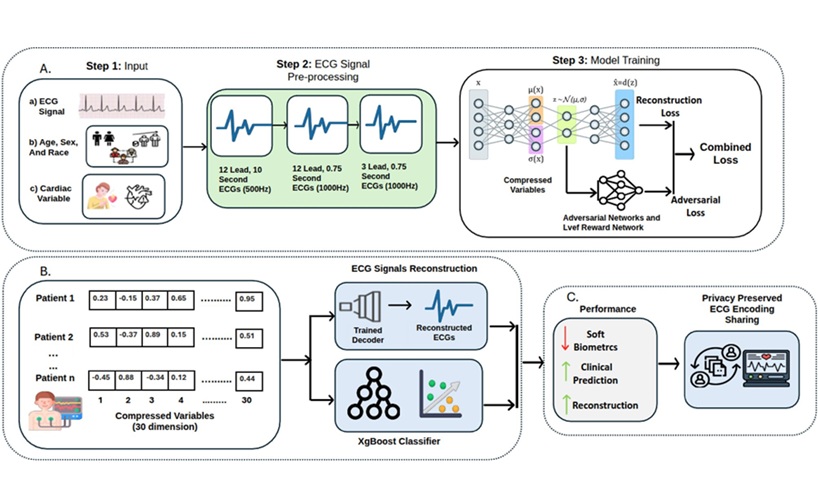
New AI Tool Identifies Support Needs in Spinal Cord Stimulation
Chronic pain patients implanted with spinal cord stimulation systems often need timely therapy adjustments and education between clinic visits. Detecting subtle changes in behavior or device use that precede... Read more
AI Tool Predicts Chronic Kidney Disease Risk in Diabetes
Chronic kidney disease is a common and serious complication of type 2 diabetes and often progresses without obvious early symptoms, increasing morbidity and straining health systems. Many risk models were... Read more
Critical Care
view channel
Existing Cardiovascular Risk Calculators Predict Several Common Cancers
Cardiovascular risk calculators are embedded in primary and secondary care to estimate 10‑year risk of heart attack or stroke from factors such as age, body mass index, and smoking. Many of these same... Read more
New Neurovascular Guidewire Enhances Access and Control in Stroke Thrombectomy
Rapid reperfusion in acute ischemic stroke depends on timely vascular access and efficient device navigation during aspiration thrombectomy. Procedural control and system compatibility can influence navigability... Read more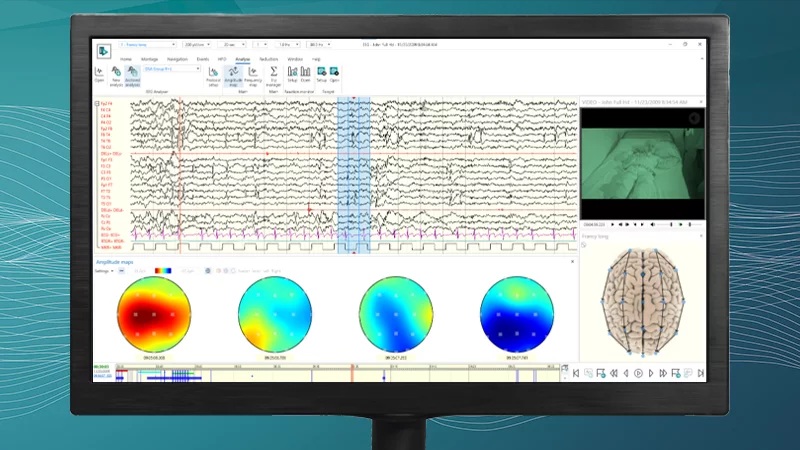

Surgical Techniques
view channel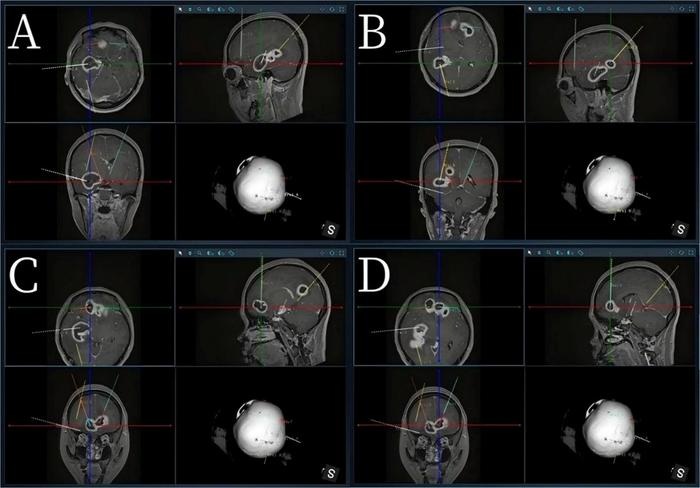
Robot-Guided Surgery Treats Multiple Deep Brain Abscesses in Single Session
Brain abscesses can progress rapidly and carry high morbidity, especially when multiple deep lesions cause mass effect and neurological decline. Conventional management often requires staged procedures... Read more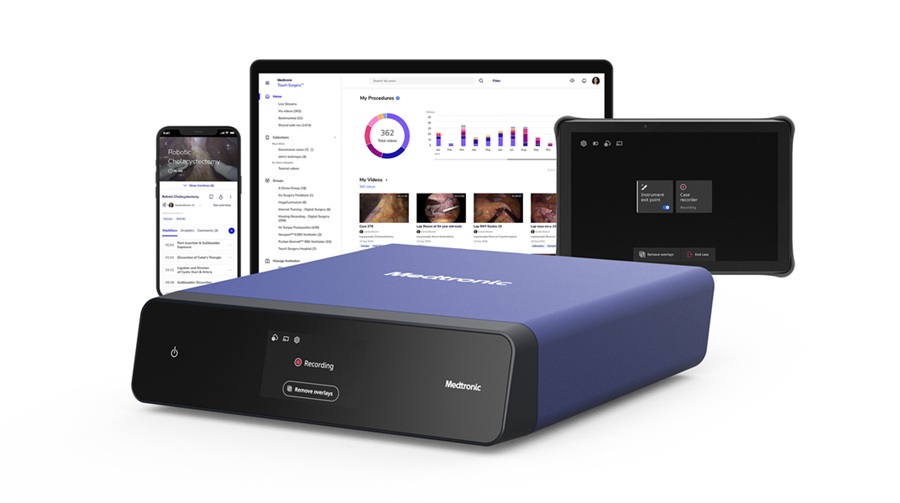
AI Surgical Platform Enables Real-Time Intraoperative Decision Support
Medtronic is presenting an early look at Touch Surgery Aide, an AI‑native surgical computing platform that powers the Touch Surgery ecosystem. The company will share the system at the Society of Robotic... Read more

Health IT
view channel
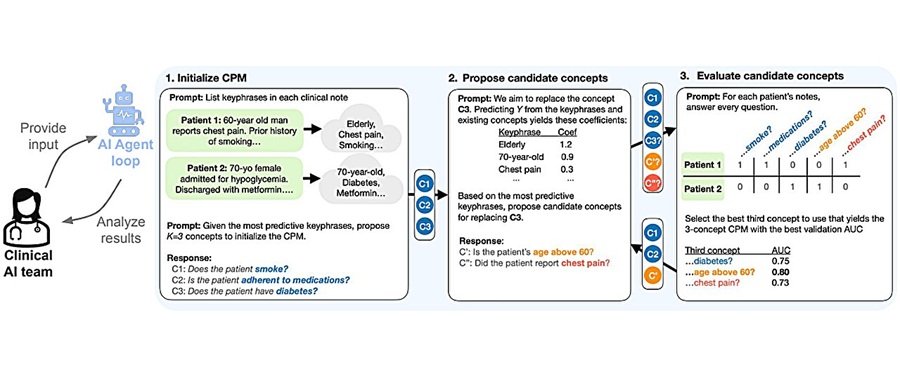
Smartwatch Monitoring Identifies Abnormal Vital Signs Before Routine Checks
Post-surgical inpatients often undergo frequent vital signs checks that interrupt rest and require substantial nursing time. Intermittent manual observations can also delay recognition of early physiological... Read more
Weekly Remote Symptom Monitoring Improves Symptom Control in Advanced Cancer
Patients receiving treatment for advanced cancer often struggle with uncontrolled symptoms and fragmented communication with clinicians. These gaps can impair daily function, increase emergency department... Read more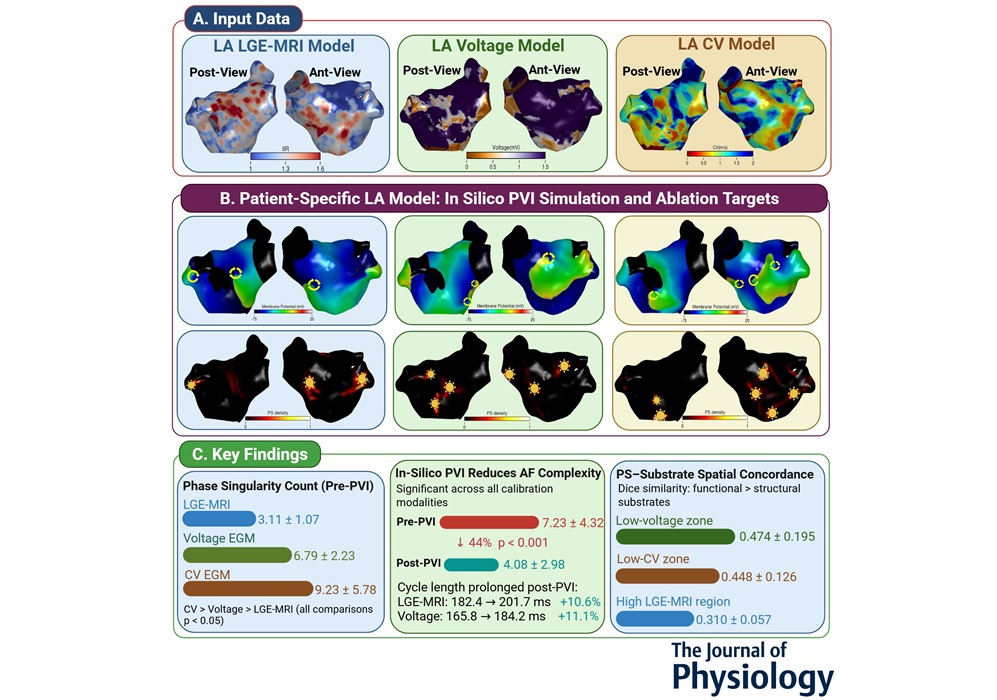
Point of Care
view channel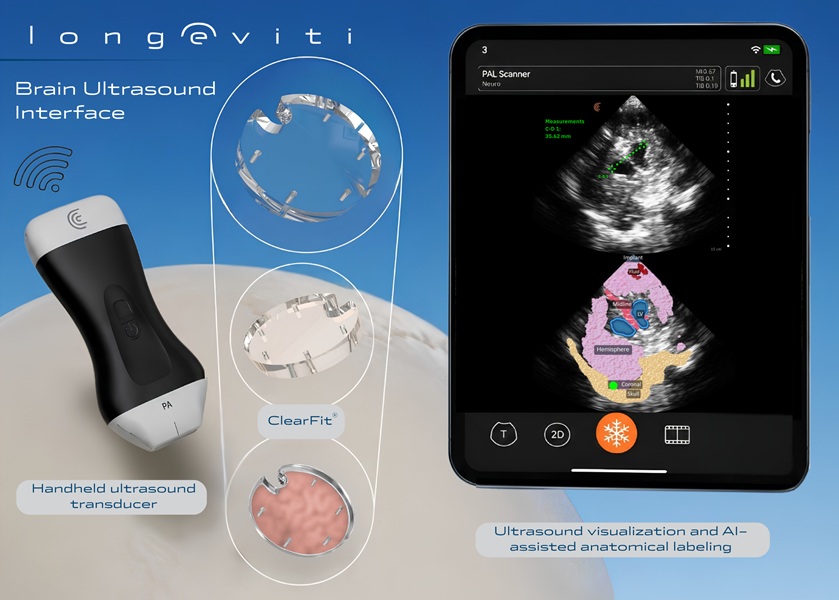
New Brain Ultrasound Platform Enables Bedside Postoperative Imaging
Transporting postoperative patients for CT or MRI can create operational burdens, delays, and disruptions in care. Bedside visualization may help reduce transport demands, lower radiation exposure, and... Read more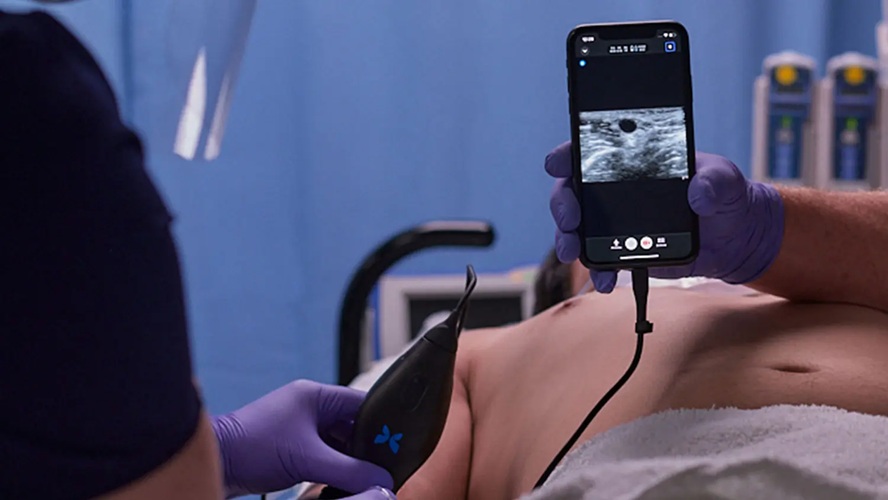
Handheld Ultrasound Expands Point-of-Care Imaging Access in Brazil
Rapid access to diagnostic imaging is essential across hospitals, emergency departments, clinics, and municipal health systems, but large markets still face uneven availability, particularly in rural regions.... Read more
Business
view channel
AI Care Platform Adds Quantitative MRI Analysis for Multiple Sclerosis
Neurodegenerative diseases such as multiple sclerosis require timely identification and coordinated, long-term management. As health systems seek consistent decision-making at scale, quantitative neuroimaging... Read more