






Electrical Stimulation Patch Could Alleviate Migraine
|
By HospiMedica International staff writers Posted on 17 Mar 2017 |


|
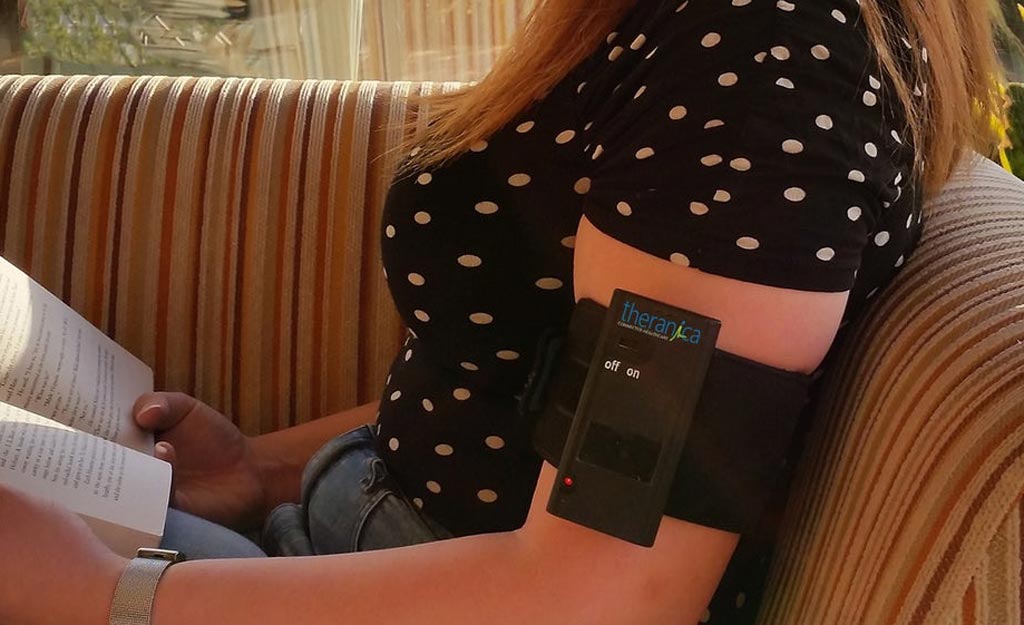
Image: A novel electrical stimulation armband patch could alleviate migraines (Photo courtesy of Theranica).
A wireless neurostimulation patch that blocks pain signals to the brain may one day replace drugs for the treatment of migraine, according to a new study.
The Nerivio patch, a product of Theranica, consists of smart chip that is responsible not only for the creation of electrical nerve stimulation (ENS) and neuromuscular electrical stimulation (NMES) pulses as per the user’s definitions, but also incorporates features such as therapy efficiency control and safety mechanisms. To begin therapy, the device is first connected to a smartphone app; when instructed, it generates electrical pulses, which stimulate sensory nerves under the skin via rubber electrode patches.
In a study conducted by researchers at the Israel Institute of Technology, 71 adults with episodic migraine averaging two to eight migraine attacks every month were instructed to apply the Nerivio device to their upper arm, using an armband. The devices were then programmed to randomly give either placebo (sham) stimulation at a very low frequency, or one of four levels of active stimulation; the stimulation was designed to not be painful. A total of 299 migraine episodes were treated with the device during the study.
The results showed that during active stimulation at the three highest levels, 64% had a reduction in their pain by at least 50% two hours after the treatment, compared to 26% of people during the sham stimulation. For those who started with moderate to severe pain, it was reduced to mild or no pain in 58% of people at the highest level of stimulation. In addition, 30% said they had no pain after receiving the highest level of stimulation, compared to 6% of those receiving the sham stimulation. The study was published in the March 1, 2017, issue of Neurology.
"These results are similar to those seen for the triptan medications for migraine; people with migraine are looking for non-drug treatments, and this new device is easy to use, has no side effects, and can be conveniently used in work or social settings,” said lead author David Yarnitsky, MD, of the Technion Faculty of Medicine. “Starting the stimulation within 20 minutes of the start of a migraine was more effective, with 47% reducing pain when starting early, compared to 25% who started after 20 minutes.”
Migraine is a debilitating condition characterized by moderate to severe headaches, and is about three times more common in women. The typical migraine headache is unilateral and pulsating in nature, and lasts from four to 72 hours; symptoms include nausea, vomiting, photophobia (increased sensitivity to light), phonophobia (increased sensitivity to sound), and is aggravated by routine activity. Approximately one-third of people who suffer from migraine headaches perceive auras – unusual visual, olfactory, or other sensory experiences that are a sign that the migraine will soon occur.




The Nerivio patch, a product of Theranica, consists of smart chip that is responsible not only for the creation of electrical nerve stimulation (ENS) and neuromuscular electrical stimulation (NMES) pulses as per the user’s definitions, but also incorporates features such as therapy efficiency control and safety mechanisms. To begin therapy, the device is first connected to a smartphone app; when instructed, it generates electrical pulses, which stimulate sensory nerves under the skin via rubber electrode patches.
In a study conducted by researchers at the Israel Institute of Technology, 71 adults with episodic migraine averaging two to eight migraine attacks every month were instructed to apply the Nerivio device to their upper arm, using an armband. The devices were then programmed to randomly give either placebo (sham) stimulation at a very low frequency, or one of four levels of active stimulation; the stimulation was designed to not be painful. A total of 299 migraine episodes were treated with the device during the study.
The results showed that during active stimulation at the three highest levels, 64% had a reduction in their pain by at least 50% two hours after the treatment, compared to 26% of people during the sham stimulation. For those who started with moderate to severe pain, it was reduced to mild or no pain in 58% of people at the highest level of stimulation. In addition, 30% said they had no pain after receiving the highest level of stimulation, compared to 6% of those receiving the sham stimulation. The study was published in the March 1, 2017, issue of Neurology.
"These results are similar to those seen for the triptan medications for migraine; people with migraine are looking for non-drug treatments, and this new device is easy to use, has no side effects, and can be conveniently used in work or social settings,” said lead author David Yarnitsky, MD, of the Technion Faculty of Medicine. “Starting the stimulation within 20 minutes of the start of a migraine was more effective, with 47% reducing pain when starting early, compared to 25% who started after 20 minutes.”
Migraine is a debilitating condition characterized by moderate to severe headaches, and is about three times more common in women. The typical migraine headache is unilateral and pulsating in nature, and lasts from four to 72 hours; symptoms include nausea, vomiting, photophobia (increased sensitivity to light), phonophobia (increased sensitivity to sound), and is aggravated by routine activity. Approximately one-third of people who suffer from migraine headaches perceive auras – unusual visual, olfactory, or other sensory experiences that are a sign that the migraine will soon occur.

Gold Member
12-Channel ECG
CM1200B
New
Vessel Sealing Instrument
ERGOseal
New
Tourniquet System
heidi– mein Tourniquet
Latest Patient Care News
- Wearable Sleep Data Predict Adherence to Pulmonary Rehabilitation
- Revolutionary Automatic IV-Line Flushing Device to Enhance Infusion Care
- VR Training Tool Combats Contamination of Portable Medical Equipment
- Portable Biosensor Platform to Reduce Hospital-Acquired Infections
- First-Of-Its-Kind Portable Germicidal Light Technology Disinfects High-Touch Clinical Surfaces in Seconds
- Surgical Capacity Optimization Solution Helps Hospitals Boost OR Utilization

- Game-Changing Innovation in Surgical Instrument Sterilization Significantly Improves OR Throughput
- Next Gen ICU Bed to Help Address Complex Critical Care Needs
- Groundbreaking AI-Powered UV-C Disinfection Technology Redefines Infection Control Landscape
- Clean Hospitals Can Reduce Antibiotic Resistance, Save Lives
- Smart Hospital Beds Improve Accuracy of Medical Diagnosis
- New Fast Endoscope Drying System Improves Productivity and Traceability
- World’s First Automated Endoscope Cleaner Fights Antimicrobial Resistance
- Portable High-Capacity Digital Stretcher Scales Provide Precision Weighing for Patients in ER
- Portable Clinical Scale with Remote Indicator Allows for Flexible Patient Weighing Use
- Innovative and Highly Customizable Medical Carts Offer Unlimited Configuration Possibilities
Channels
Artificial Intelligence
view channel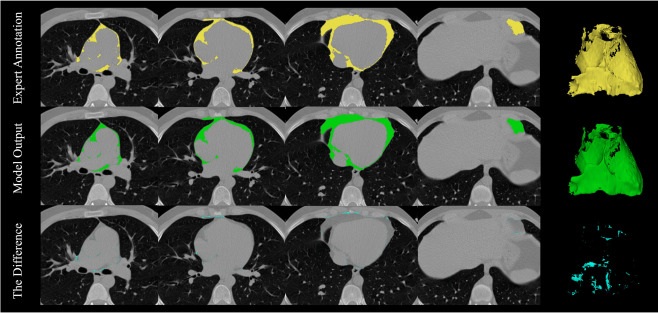
AI Analysis of Pericardial Fat Refines Long-Term Heart Disease Risk
Accurately identifying long-term cardiovascular disease risk in asymptomatic adults remains challenging for clinicians. Missed or underestimated risk delays preventive therapy and increases the chance... Read more
Machine Learning Approach Enhances Liver Cancer Risk Stratification
Hepatocellular carcinoma, the most common form of primary liver cancer, is often detected late despite targeted surveillance programs. Current screening guidelines emphasize patients with known cirrhosis,... Read more

Critical Care
view channel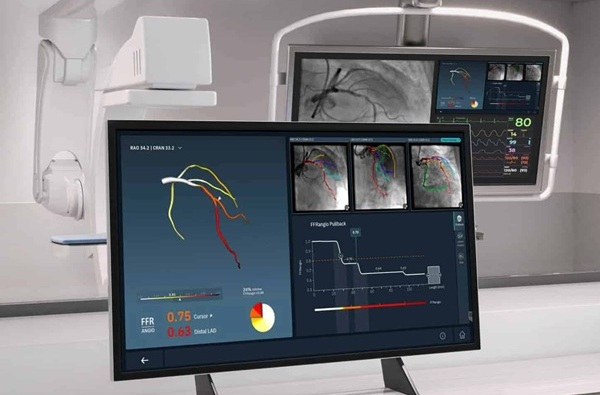
Angiography-Based FFR Approach Matches Gold Standard Results Without Wires
Accurately determining whether a coronary stenosis limits blood flow is essential to guide percutaneous coronary intervention, yet wire-based physiologic testing remains underused due to added procedural... Read more
Eye Imaging AI Identifies Elevated Cardiovascular Risk
Many adults at risk for atherosclerotic cardiovascular disease are not identified until they undergo formal primary care assessment. Delayed risk recognition can postpone initiation of statins and lifestyle... Read more

Surgical Techniques
view channel
Fiber-Form Bone Graft Expands Intraoperative Options for Spinal Fusion
Spinal and orthopedic fusion procedures often require bone graft materials that handle predictably and support bone formation. Surgeons face added complexity in difficult anatomy and challenging fusion environments.... Read more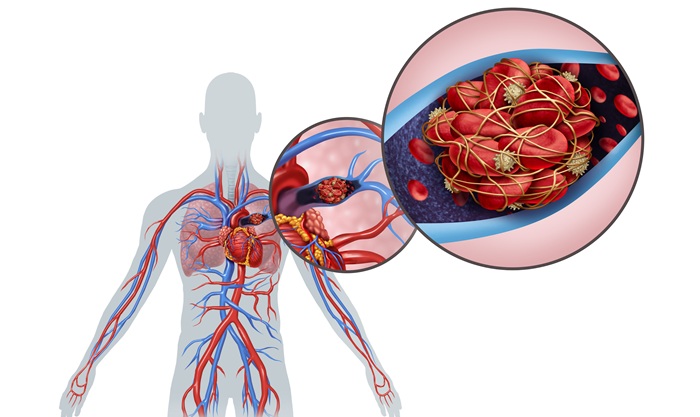
Ultrasound‑Aided Catheter Treatment Cuts Early Collapse in Pulmonary Embolism
Acute pulmonary embolism can cause rapid hemodynamic deterioration and early death in hospitalized and emergency patients. Systemic thrombolysis can dissolve clots but is limited by a high risk of major... Read more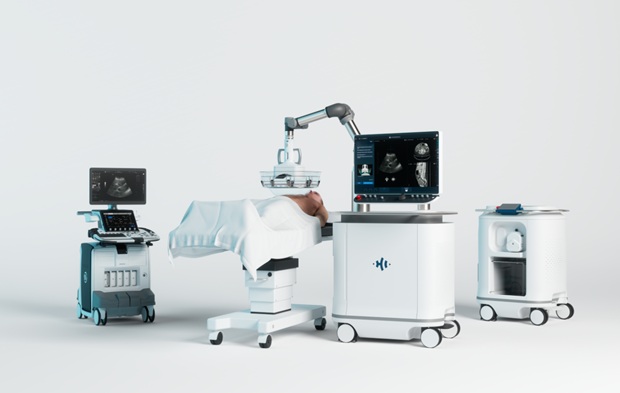

Health IT
view channel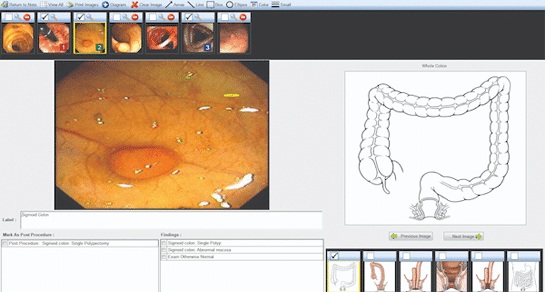
Voice-Driven AI System Enables Structured GI Procedure Documentation
Documentation during gastrointestinal (GI) procedures often competes with real-time clinical decision-making and imposes a significant cognitive burden on physicians. Manual data entry and post-procedure... Read more
EMR-Based Tool Predicts Graft Failure After Kidney Transplant
Kidney transplantation offers patients with end-stage kidney disease longer survival and better quality of life than dialysis, yet graft failure remains a major challenge. Although a successful transplant... Read more
Printable Molecule-Selective Nanoparticles Enable Mass Production of Wearable Biosensors
The future of medicine is likely to focus on the personalization of healthcare—understanding exactly what an individual requires and delivering the appropriate combination of nutrients, metabolites, and... Read more

Business
view channel
GE HealthCare Leads Major European Initiative to Advance Cardio-Oncology Care
Cardiovascular complications are increasingly recognized among people undergoing or recovering from cancer treatment, driven by pre‑existing disease and the cardiotoxic effects of chemotherapy, radiotherapy,... Read more

