






Seniors Now Spend More Years with Caregivers
|
By HospiMedica International staff writers Posted on 01 Sep 2017 |


|
Extended life expectancy has contributed to the number of years older adults will be dependent on others, claims a new study.
Newcastle University (United Kingdom), the University of Cambridge (United Kingdom), and other institutions conducted a population-based study in order to estimate the years lived in different dependency states at age 65 years and to project future demand for care. To do so, they compared between two cognitive function and ageing studies of adults 65 years and older permanently registered with general practices in Cambridgeshire, Newcastle, and Nottingham. The studies were held two decades apart (one in 1991 and the other in 2011).
The studies provided lists of individuals to be contacted for baseline interviews, including sex, socio-demographic data, cognitive status, urinary incontinence, and self-reported ability to complete daily living activities. The studies provided prevalence estimates of dependency in four care states: high dependency (24 hour care), medium dependency (daily care), low dependency (less than daily), and independent. To project future demands, the proportions of each dependency state were applied to the 2014 England population projections.
The results revealed that between 1991 and 2011, the majority of men's extra years of life were spent independent (36.3%) or with low dependency (36.3%), whereas for women the majority were spent with low dependency (58.0%), and only 4.8% were independent. For both men and women, there were significant increases in years lived from age 65 years with low and high dependency, with the number of years spent with substantial care needs averaging three years for women and 2.4 years for men aged over 65.
The authors estimated that if rates of dependency remain constant, there will be an additional 190,000 older people with medium dependency, and 163,000 with high dependency by 2025, compared to 2015. While approximately half of these people will live in the community, at current rates of provision, an extra 71,215 care home spaces will be needed. Additionally, the study projects an increase of 885,000 people with low dependency, reaching 4.44 million by 2025. The study was published on August 15, 2017, in The Lancet.
“The past 20 years have seen continued gains in life expectancy, but not all of these years have been healthy years. Our study suggests that older people today are spending more of their remaining life with care needs,” said senior author Professor Carol Jagger, PhD, of Newcastle University. “Though most of the extra years are spent with low dependency, including help with activities such as washing, shopping, or doing household tasks, older men and women are spending around one year more requiring 24-hour care.”
Between 1991 and 2011, life expectancy increased for both men (from 77.9 to 82.6) and women (from 81.5 to 85.6), and the fastest growing section of the population is those aged 85 years and older. The proportion of years that an adult aged 65 could expect to live independently declined from 73.6% to 63.5% for men, and from 58% to 47.3% for women.
Related Links:
Newcastle University
University of Cambridge







Newcastle University (United Kingdom), the University of Cambridge (United Kingdom), and other institutions conducted a population-based study in order to estimate the years lived in different dependency states at age 65 years and to project future demand for care. To do so, they compared between two cognitive function and ageing studies of adults 65 years and older permanently registered with general practices in Cambridgeshire, Newcastle, and Nottingham. The studies were held two decades apart (one in 1991 and the other in 2011).
The studies provided lists of individuals to be contacted for baseline interviews, including sex, socio-demographic data, cognitive status, urinary incontinence, and self-reported ability to complete daily living activities. The studies provided prevalence estimates of dependency in four care states: high dependency (24 hour care), medium dependency (daily care), low dependency (less than daily), and independent. To project future demands, the proportions of each dependency state were applied to the 2014 England population projections.
The results revealed that between 1991 and 2011, the majority of men's extra years of life were spent independent (36.3%) or with low dependency (36.3%), whereas for women the majority were spent with low dependency (58.0%), and only 4.8% were independent. For both men and women, there were significant increases in years lived from age 65 years with low and high dependency, with the number of years spent with substantial care needs averaging three years for women and 2.4 years for men aged over 65.
The authors estimated that if rates of dependency remain constant, there will be an additional 190,000 older people with medium dependency, and 163,000 with high dependency by 2025, compared to 2015. While approximately half of these people will live in the community, at current rates of provision, an extra 71,215 care home spaces will be needed. Additionally, the study projects an increase of 885,000 people with low dependency, reaching 4.44 million by 2025. The study was published on August 15, 2017, in The Lancet.
“The past 20 years have seen continued gains in life expectancy, but not all of these years have been healthy years. Our study suggests that older people today are spending more of their remaining life with care needs,” said senior author Professor Carol Jagger, PhD, of Newcastle University. “Though most of the extra years are spent with low dependency, including help with activities such as washing, shopping, or doing household tasks, older men and women are spending around one year more requiring 24-hour care.”
Between 1991 and 2011, life expectancy increased for both men (from 77.9 to 82.6) and women (from 81.5 to 85.6), and the fastest growing section of the population is those aged 85 years and older. The proportion of years that an adult aged 65 could expect to live independently declined from 73.6% to 63.5% for men, and from 58% to 47.3% for women.
Related Links:
Newcastle University
University of Cambridge

Gold Member
SARS‑CoV‑2/Flu A/Flu B/RSV Sample-To-Answer Test
SARS‑CoV‑2/Flu A/Flu B/RSV Cartridge (CE-IVD)
New
Surgical Dressing
ALLEVYN Ag+ SURGICAL
New
Rapid Sepsis Test
SeptiCyte RAPID
Latest Patient Care News
- Wearable Sleep Data Predict Adherence to Pulmonary Rehabilitation
- Revolutionary Automatic IV-Line Flushing Device to Enhance Infusion Care
- VR Training Tool Combats Contamination of Portable Medical Equipment
- Portable Biosensor Platform to Reduce Hospital-Acquired Infections
- First-Of-Its-Kind Portable Germicidal Light Technology Disinfects High-Touch Clinical Surfaces in Seconds
- Surgical Capacity Optimization Solution Helps Hospitals Boost OR Utilization

- Game-Changing Innovation in Surgical Instrument Sterilization Significantly Improves OR Throughput
- Next Gen ICU Bed to Help Address Complex Critical Care Needs
- Groundbreaking AI-Powered UV-C Disinfection Technology Redefines Infection Control Landscape
- Clean Hospitals Can Reduce Antibiotic Resistance, Save Lives
- Smart Hospital Beds Improve Accuracy of Medical Diagnosis
- New Fast Endoscope Drying System Improves Productivity and Traceability
- World’s First Automated Endoscope Cleaner Fights Antimicrobial Resistance
- Portable High-Capacity Digital Stretcher Scales Provide Precision Weighing for Patients in ER
- Portable Clinical Scale with Remote Indicator Allows for Flexible Patient Weighing Use
- Innovative and Highly Customizable Medical Carts Offer Unlimited Configuration Possibilities
Channels
Artificial Intelligence
view channel
AI Analysis of Pericardial Fat Refines Long-Term Heart Disease Risk
Accurately identifying long-term cardiovascular disease risk in asymptomatic adults remains challenging for clinicians. Missed or underestimated risk delays preventive therapy and increases the chance... Read more
Machine Learning Approach Enhances Liver Cancer Risk Stratification
Hepatocellular carcinoma, the most common form of primary liver cancer, is often detected late despite targeted surveillance programs. Current screening guidelines emphasize patients with known cirrhosis,... Read more

Critical Care
view channel
Noninvasive Monitoring Device Enables Earlier Intervention in Heart Failure
Hospitalizations for heart failure with preserved ejection fraction (HFpEF) remain common because lung congestion often worsens before symptoms prompt treatment changes. Missed early decompensation... Read more
Automated IV Labeling Solution Improves Infusion Safety and Efficiency
Medication administration in high-acuity settings is often complicated by multiple concurrent infusions, making accurate line identification essential. In a 10-hospital intensive care unit study, 60% of... Read more

Surgical Techniques
view channel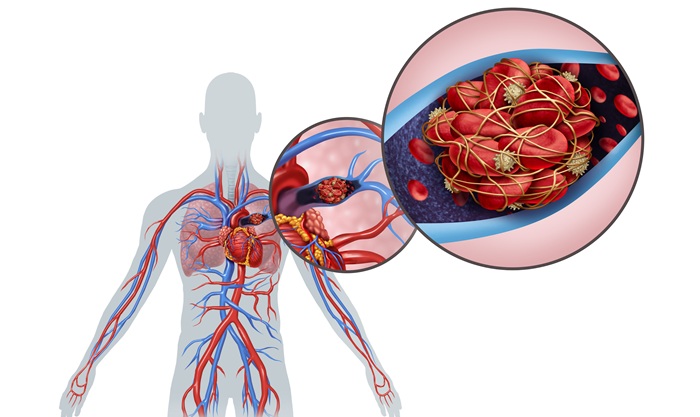
Ultrasound‑Aided Catheter Treatment Cuts Early Collapse in Pulmonary Embolism
Acute pulmonary embolism can cause rapid hemodynamic deterioration and early death in hospitalized and emergency patients. Systemic thrombolysis can dissolve clots but is limited by a high risk of major... Read more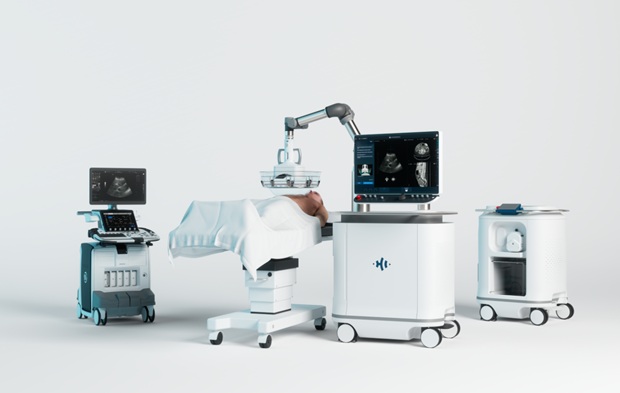
Ultrasound Technology Aims to Replace Invasive BPH Procedures
Benign prostatic hyperplasia (BPH) is a frequent cause of lower urinary tract symptoms in aging men and often requires invasive procedures or prolonged recovery. With prevalence expected to rise as populations... Read more

Health IT
view channel
Voice-Driven AI System Enables Structured GI Procedure Documentation
Documentation during gastrointestinal (GI) procedures often competes with real-time clinical decision-making and imposes a significant cognitive burden on physicians. Manual data entry and post-procedure... Read more
EMR-Based Tool Predicts Graft Failure After Kidney Transplant
Kidney transplantation offers patients with end-stage kidney disease longer survival and better quality of life than dialysis, yet graft failure remains a major challenge. Although a successful transplant... Read more
Printable Molecule-Selective Nanoparticles Enable Mass Production of Wearable Biosensors
The future of medicine is likely to focus on the personalization of healthcare—understanding exactly what an individual requires and delivering the appropriate combination of nutrients, metabolites, and... Read more

Business
view channel
GE HealthCare Leads Major European Initiative to Advance Cardio-Oncology Care
Cardiovascular complications are increasingly recognized among people undergoing or recovering from cancer treatment, driven by pre‑existing disease and the cardiotoxic effects of chemotherapy, radiotherapy,... Read more

