






Menopausal Hormone Therapy Lowers Heart Failure Risk
|
By HospiMedica International staff writers Posted on 22 Mar 2018 |


|
Menopausal hormone therapy (MHT) appears to have a beneficial effect on women’s cardiovascular health, according to a new study.
Researchers at Queen Mary, University of London (QMUL; United Kingdom), Yonsei University College of Medicine (Seoul, South Korea), and other institutions conducted a cross-sectional, population-based study to examine the impact of MHT on left ventricular (LV) and left atrial (LA) structure and function, known markers of subclinical cardiovascular disease (CVD). The study included 1,091 post-menopausal women who had never used MHT and 513 women who had used MHT for over three years (32%) that were free of known CVD, and who had undergone cardiovascular magnetic resonance (CMR) imaging.
In the MHT cohort, median age at menopause was 50, and median duration of MHT was eight years. In the non-MHT cohort, median age at menopause was 51. The results showed that MHT was associated with significantly lower LV end-diastolic volume; there was no significant difference in LV mass. MHT use also significantly modified correlation between age and CMR parameters, with MHT users showing greater decrements in LV end-diastolic volume, LV end-systolic volume, and LA maximal volume with advancing age. The study was published on March 8, 2018, in PLOS One.
“Using UK Biobank data, we've now been able to show that the use of menopausal hormone therapy is not associated with any adverse changes to the heart's structure and function, and may be associated with some healthier heart characteristics,” said lead author Mihir Sanghvi, MD, of QMUL. “This is an important issue because there are 2.3 million women using menopausal hormone therapy in the United Kingdom today, and current evidence of its effect on heart health is conflicted and controversial.”
MHT, previously known as hormone replacement therapy (HRT), is intended to mitigate the discomfort caused by diminished circulating estrogens and progesterone in menopause. The main hormones involved are estrogen (such as estradiol) and progesterone or progestins; some therapies include the use of androgens like testosterone or dehydroepiandrosterone (DHEA). Combination HRT is often recommended as it decreases the amount of endometrial hyperplasia and cancer associated with unopposed estrogen therapy.
Related Links:
Queen Mary, University of London
Yonsei University College of Medicine





Researchers at Queen Mary, University of London (QMUL; United Kingdom), Yonsei University College of Medicine (Seoul, South Korea), and other institutions conducted a cross-sectional, population-based study to examine the impact of MHT on left ventricular (LV) and left atrial (LA) structure and function, known markers of subclinical cardiovascular disease (CVD). The study included 1,091 post-menopausal women who had never used MHT and 513 women who had used MHT for over three years (32%) that were free of known CVD, and who had undergone cardiovascular magnetic resonance (CMR) imaging.
In the MHT cohort, median age at menopause was 50, and median duration of MHT was eight years. In the non-MHT cohort, median age at menopause was 51. The results showed that MHT was associated with significantly lower LV end-diastolic volume; there was no significant difference in LV mass. MHT use also significantly modified correlation between age and CMR parameters, with MHT users showing greater decrements in LV end-diastolic volume, LV end-systolic volume, and LA maximal volume with advancing age. The study was published on March 8, 2018, in PLOS One.
“Using UK Biobank data, we've now been able to show that the use of menopausal hormone therapy is not associated with any adverse changes to the heart's structure and function, and may be associated with some healthier heart characteristics,” said lead author Mihir Sanghvi, MD, of QMUL. “This is an important issue because there are 2.3 million women using menopausal hormone therapy in the United Kingdom today, and current evidence of its effect on heart health is conflicted and controversial.”
MHT, previously known as hormone replacement therapy (HRT), is intended to mitigate the discomfort caused by diminished circulating estrogens and progesterone in menopause. The main hormones involved are estrogen (such as estradiol) and progesterone or progestins; some therapies include the use of androgens like testosterone or dehydroepiandrosterone (DHEA). Combination HRT is often recommended as it decreases the amount of endometrial hyperplasia and cancer associated with unopposed estrogen therapy.
Related Links:
Queen Mary, University of London
Yonsei University College of Medicine

Gold Member
STI Test
Vivalytic Sexually Transmitted Infection (STI) Array
New
Vessel Sealing Instrument
ERGOseal
New
Patient Preoperative Skin Preparation
BD ChloraPrep
Latest Patient Care News
- Wearable Sleep Data Predict Adherence to Pulmonary Rehabilitation
- Revolutionary Automatic IV-Line Flushing Device to Enhance Infusion Care
- VR Training Tool Combats Contamination of Portable Medical Equipment
- Portable Biosensor Platform to Reduce Hospital-Acquired Infections
- First-Of-Its-Kind Portable Germicidal Light Technology Disinfects High-Touch Clinical Surfaces in Seconds
- Surgical Capacity Optimization Solution Helps Hospitals Boost OR Utilization

- Game-Changing Innovation in Surgical Instrument Sterilization Significantly Improves OR Throughput
- Next Gen ICU Bed to Help Address Complex Critical Care Needs
- Groundbreaking AI-Powered UV-C Disinfection Technology Redefines Infection Control Landscape
- Clean Hospitals Can Reduce Antibiotic Resistance, Save Lives
- Smart Hospital Beds Improve Accuracy of Medical Diagnosis
- New Fast Endoscope Drying System Improves Productivity and Traceability
- World’s First Automated Endoscope Cleaner Fights Antimicrobial Resistance
- Portable High-Capacity Digital Stretcher Scales Provide Precision Weighing for Patients in ER
- Portable Clinical Scale with Remote Indicator Allows for Flexible Patient Weighing Use
- Innovative and Highly Customizable Medical Carts Offer Unlimited Configuration Possibilities
Channels
Artificial Intelligence
view channel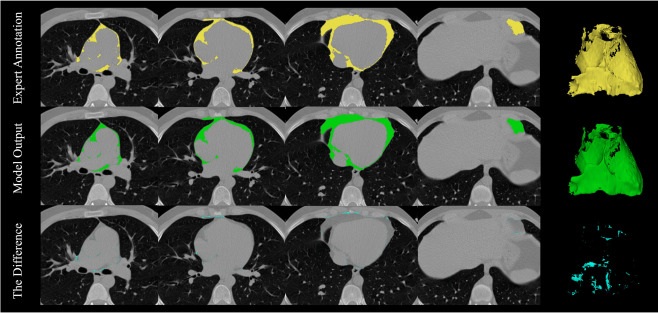
AI Analysis of Pericardial Fat Refines Long-Term Heart Disease Risk
Accurately identifying long-term cardiovascular disease risk in asymptomatic adults remains challenging for clinicians. Missed or underestimated risk delays preventive therapy and increases the chance... Read more
Machine Learning Approach Enhances Liver Cancer Risk Stratification
Hepatocellular carcinoma, the most common form of primary liver cancer, is often detected late despite targeted surveillance programs. Current screening guidelines emphasize patients with known cirrhosis,... Read more

Critical Care
view channel
Noninvasive Monitoring Device Enables Earlier Intervention in Heart Failure
Hospitalizations for heart failure with preserved ejection fraction (HFpEF) remain common because lung congestion often worsens before symptoms prompt treatment changes. Missed early decompensation... Read more
Automated IV Labeling Solution Improves Infusion Safety and Efficiency
Medication administration in high-acuity settings is often complicated by multiple concurrent infusions, making accurate line identification essential. In a 10-hospital intensive care unit study, 60% of... Read more

Surgical Techniques
view channel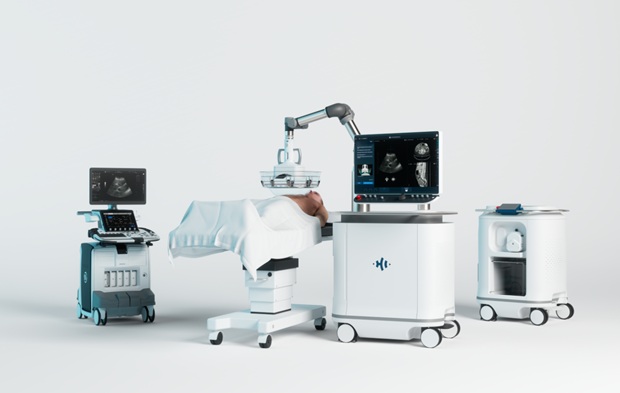
Ultrasound Technology Aims to Replace Invasive BPH Procedures
Benign prostatic hyperplasia (BPH) is a frequent cause of lower urinary tract symptoms in aging men and often requires invasive procedures or prolonged recovery. With prevalence expected to rise as populations... Read more
Continuous Monitoring with Wearables Enhances Postoperative Patient Safety
Postoperative hypoxemia on general surgical wards is common and often missed by intermittent vital sign checks. Undetected low oxygen levels can delay recovery and raise the risk of complications that... Read more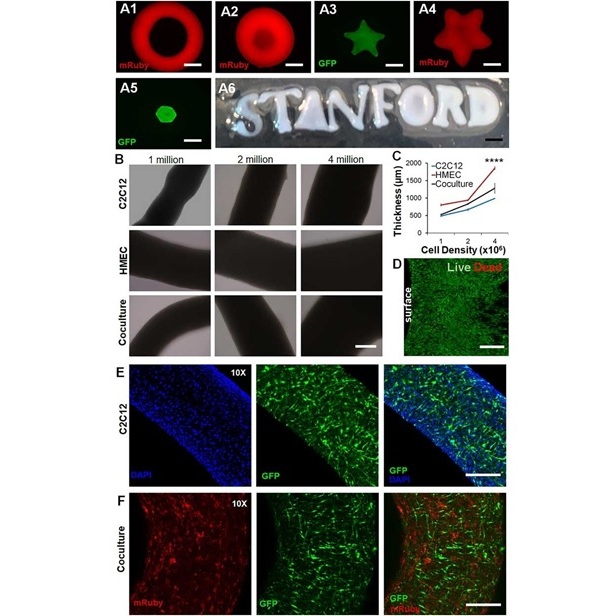
Health IT
view channel
EMR-Based Tool Predicts Graft Failure After Kidney Transplant
Kidney transplantation offers patients with end-stage kidney disease longer survival and better quality of life than dialysis, yet graft failure remains a major challenge. Although a successful transplant... Read more
Printable Molecule-Selective Nanoparticles Enable Mass Production of Wearable Biosensors
The future of medicine is likely to focus on the personalization of healthcare—understanding exactly what an individual requires and delivering the appropriate combination of nutrients, metabolites, and... Read more


Business
view channel
GE HealthCare Leads Major European Initiative to Advance Cardio-Oncology Care
Cardiovascular complications are increasingly recognized among people undergoing or recovering from cancer treatment, driven by pre‑existing disease and the cardiotoxic effects of chemotherapy, radiotherapy,... Read more

