External Cephalic Version Lacks Adverse Outcomes
|
By HospiMedica International staff writers Posted on 10 Aug 2018 |


|

Image: New research suggests ECV reduces the need for Cesarean delivery (Photo courtesy of Berlin Charité).
Efforts to reposition a fetus in the breech position via external cephalic version (ECV) significantly improve the likelihood of a vaginal delivery, according to a new study.
Researchers at Northwestern University (NU; Chicago, IL, USA) conducted a retrospective cohort study of 4,117 women with singleton gestations in non-vertex presentation that delivered during a 10-year period (2006 to 2016). Women undergoing an ECV attempt at 37 weeks of gestation or greater were compared with those with non-vertex fetuses who did not undergo an ECV attempt. The primary outcome was a composite of perinatal morbidity and mortality. Secondary outcomes included neonatal intensive care unit (NICU) admission and neonatal anemia.
ECV was attempted in only about a third (30.7%) of the women, with 40.3% of the attempts resulting in successful repositioning of the fetus. For both the primary and secondary outcomes, there were no significant differences between those who did and did not receive an attempted ECV. The full composite of the primary outcome included stillbirth, neonatal death within 72 hours, Apgar score less than five at five minutes, umbilical artery pH less than 7.0, base deficit 12 mmol/L or greater, or neonatal therapeutic hypothermia.
Analysis revealed that among women who underwent attempted ECV, more were non-Hispanic white, multiparous, and had a lower mean body mass index (BMI) at time of delivery compared with those who did not have an ECV attempt. Importantly, among the 40% of women who had successful ECV, as many as 79% delivered vaginally, whereas among those who did not undergo an ECV attempt and continued to have non-vertex fetal presentation at time of delivery, fewer than one percent ultimately delivered vaginally. The study was published in the August 2018 issue of Obstetrics & Gynecology.
“An ECV attempt at term is not associated with increased perinatal morbidity or mortality, compared with expectant management. Although success can be difficult to predict reliably, an ECV attempt does result in a significantly reduced chance of cesarean delivery,” concluded lead author Moeun Son, MD, and colleagues. “As such, these data support the existing recommendations that an ECV attempt should be encouraged when fetal malpresentation exists at term.”
ECV is a manual procedure by which an attempt is made to turn a breech baby from a buttocks- or foot-first position to a head-first position in order to enable vaginal delivery. It is usually performed after about 37 gestational weeks, as breech presentation greatly decreases after that. To perform ECV, both hands are placed on the mother's abdomen around the baby, who is then moved up and away from the pelvis and gently turned in several steps from breech, to a sideways position, and finally to a head first presentation.
Related Links:
Northwestern University






Researchers at Northwestern University (NU; Chicago, IL, USA) conducted a retrospective cohort study of 4,117 women with singleton gestations in non-vertex presentation that delivered during a 10-year period (2006 to 2016). Women undergoing an ECV attempt at 37 weeks of gestation or greater were compared with those with non-vertex fetuses who did not undergo an ECV attempt. The primary outcome was a composite of perinatal morbidity and mortality. Secondary outcomes included neonatal intensive care unit (NICU) admission and neonatal anemia.
ECV was attempted in only about a third (30.7%) of the women, with 40.3% of the attempts resulting in successful repositioning of the fetus. For both the primary and secondary outcomes, there were no significant differences between those who did and did not receive an attempted ECV. The full composite of the primary outcome included stillbirth, neonatal death within 72 hours, Apgar score less than five at five minutes, umbilical artery pH less than 7.0, base deficit 12 mmol/L or greater, or neonatal therapeutic hypothermia.
Analysis revealed that among women who underwent attempted ECV, more were non-Hispanic white, multiparous, and had a lower mean body mass index (BMI) at time of delivery compared with those who did not have an ECV attempt. Importantly, among the 40% of women who had successful ECV, as many as 79% delivered vaginally, whereas among those who did not undergo an ECV attempt and continued to have non-vertex fetal presentation at time of delivery, fewer than one percent ultimately delivered vaginally. The study was published in the August 2018 issue of Obstetrics & Gynecology.
“An ECV attempt at term is not associated with increased perinatal morbidity or mortality, compared with expectant management. Although success can be difficult to predict reliably, an ECV attempt does result in a significantly reduced chance of cesarean delivery,” concluded lead author Moeun Son, MD, and colleagues. “As such, these data support the existing recommendations that an ECV attempt should be encouraged when fetal malpresentation exists at term.”
ECV is a manual procedure by which an attempt is made to turn a breech baby from a buttocks- or foot-first position to a head-first position in order to enable vaginal delivery. It is usually performed after about 37 gestational weeks, as breech presentation greatly decreases after that. To perform ECV, both hands are placed on the mother's abdomen around the baby, who is then moved up and away from the pelvis and gently turned in several steps from breech, to a sideways position, and finally to a head first presentation.
Related Links:
Northwestern University

Gold Member
12-Channel ECG
CM1200B
Gold Member
STI Test
Vivalytic Sexually Transmitted Infection (STI) Array
New
Medical Examination & Procedure Light
Vega 80
New
Desk Aneroid Sphyg
Diagnostix 750D+
Latest Patient Care News
- AI Avatar Doctor Improves Patient Understanding Before Radiotherapy
- Wearable Sleep Data Predict Adherence to Pulmonary Rehabilitation
- Revolutionary Automatic IV-Line Flushing Device to Enhance Infusion Care
- VR Training Tool Combats Contamination of Portable Medical Equipment
- Portable Biosensor Platform to Reduce Hospital-Acquired Infections
- First-Of-Its-Kind Portable Germicidal Light Technology Disinfects High-Touch Clinical Surfaces in Seconds
- Surgical Capacity Optimization Solution Helps Hospitals Boost OR Utilization

- Game-Changing Innovation in Surgical Instrument Sterilization Significantly Improves OR Throughput
- Next Gen ICU Bed to Help Address Complex Critical Care Needs
- Groundbreaking AI-Powered UV-C Disinfection Technology Redefines Infection Control Landscape
- Clean Hospitals Can Reduce Antibiotic Resistance, Save Lives
- Smart Hospital Beds Improve Accuracy of Medical Diagnosis
- New Fast Endoscope Drying System Improves Productivity and Traceability
- World’s First Automated Endoscope Cleaner Fights Antimicrobial Resistance
- Portable High-Capacity Digital Stretcher Scales Provide Precision Weighing for Patients in ER
- Portable Clinical Scale with Remote Indicator Allows for Flexible Patient Weighing Use
Channels
Artificial Intelligence
view channel
FDA-Cleared AI System Detects Sepsis Earlier and Reduces Mortality
Sepsis remains one of the deadliest complications for hospitalized patients, in part because its early signs overlap with other conditions. Each hour of delayed recognition measurably decreases survival,... Read more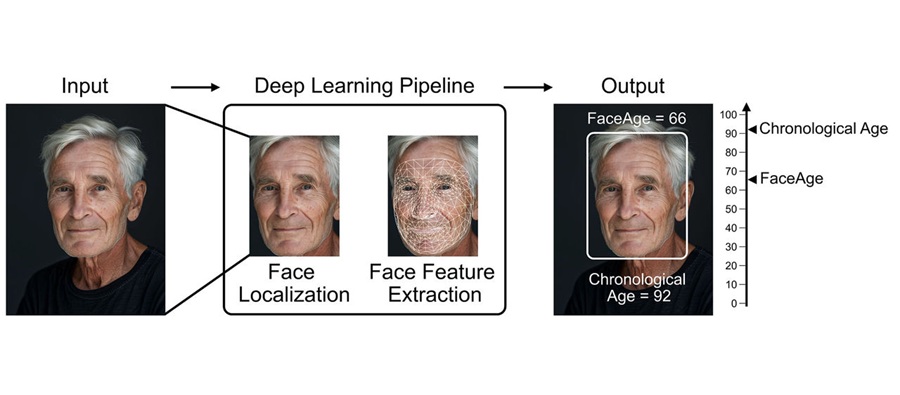
Facial Image Analysis Tracks Biological Aging, Predicts Cancer Outcomes
Biological aging is the progressive loss of physiological function that may diverge from chronological age. In cancer care, clinicians need simple tools that reflect dynamic changes in patient resilience... Read more
Critical Care
view channel
Smart Wristband Technology Detects Cardiac Arrest and Alerts Responders
Out-of-hospital cardiac arrest is a sudden loss of heart function that often occurs without witnesses and demands immediate response. Delayed recognition and activation of emergency services reduce survival... Read more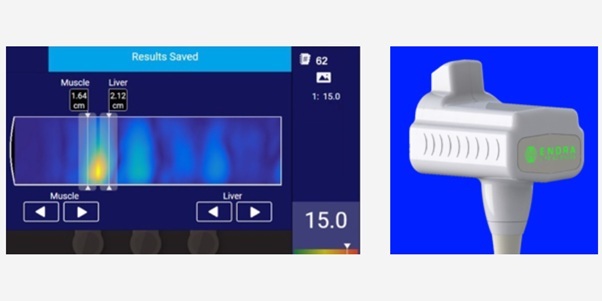
Portable Ultrasound Tool Quantifies Liver Fat with MRI-Like Accuracy
Metabolic dysfunction-associated steatotic liver disease (MASLD) is increasingly prevalent and often under-monitored because quantitative liver fat assessment is not routinely available at the bedside.... Read more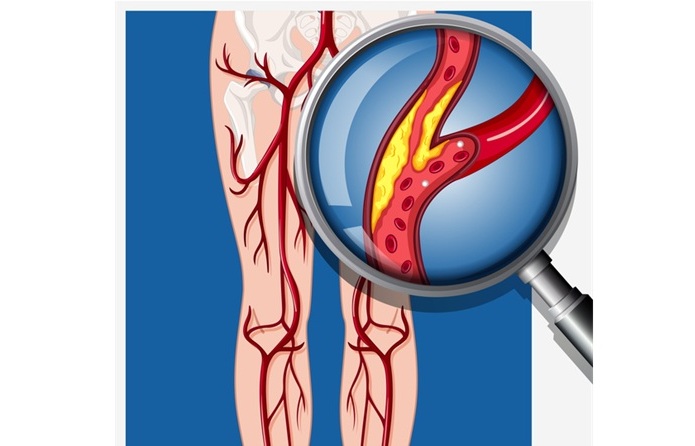
AI Method Turns Toe Scan into Rapid PAD Screening Tool
Peripheral artery disease (PAD) is caused by plaque buildup that restricts blood flow to the legs and can lead to limb loss. Many cases go undetected because diagnosis often requires a specialized visit... Read more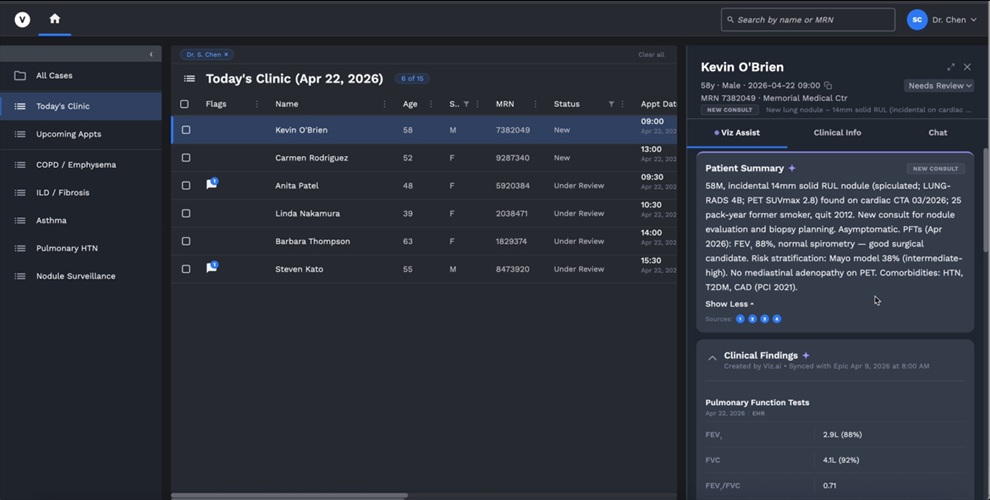
Integrated AI Pulmonary Workflow System Streamlines Detection and Follow-Up
Pulmonary conditions such as chronic obstructive pulmonary disease, lung nodules, and pulmonary embolism require rapid identification and coordinated follow-up across emergency, inpatient, and ambulatory settings.... Read moreSurgical Techniques
view channel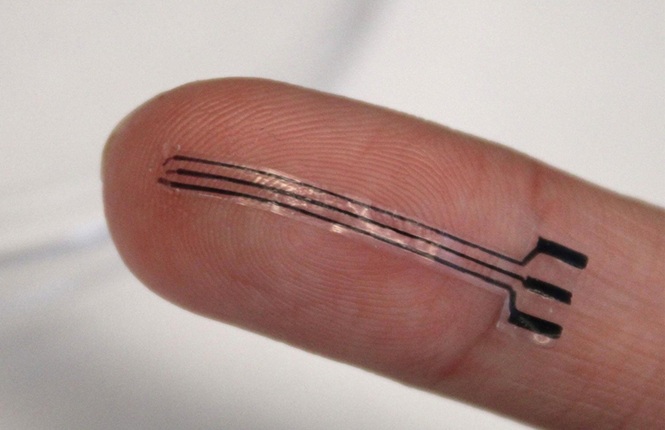
Stretchable Bioelectronic Implant Lowers Blood Pressure in Preclinical Study
Hypertension, or high blood pressure, drives major cardiovascular morbidity and affects nearly half of adults in the United States. About one in ten patients develop drug‑resistant hypertension that persists... Read more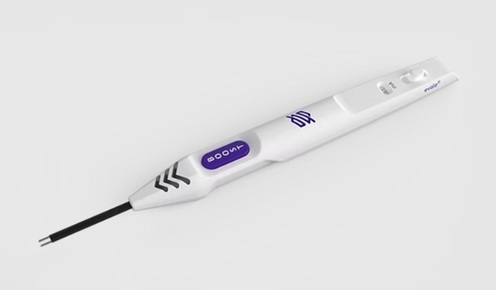
FDA-Cleared Nerve Stimulator Advances Intraoperative Peripheral Nerve Assessment
The Evala Nerve Stimulator from Epineuron (Mississauga, ON, Canada) is a handheld, intraoperative electrical stimulation system designed to provide surgeons with a rapid and accurate method for nerve identification... Read more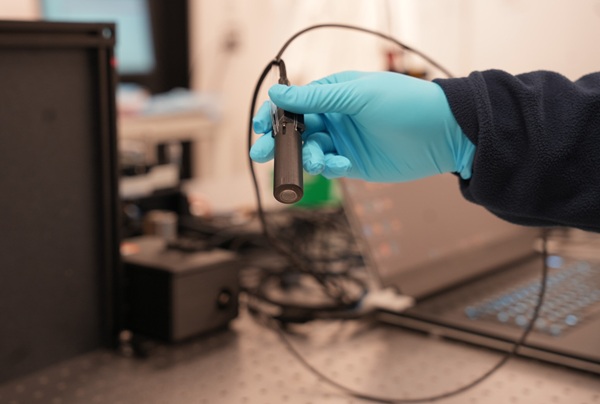
Health IT
view channel
EHR-Integrated Screening Workflow Detects Cognitive Impairment at Admission
Cognitive impairment involves difficulties with thinking, learning, memory, and decision-making, and is more common in older adults. In U.S. hospitals, more than 40% of admitted older adults have dementia,... Read more
AI System Detects and Quantifies Chronic Subdural Hematoma
Viz.ai (San Francisco, CA, USA) announced a strategic commercialization collaboration with Johnson & Johnson (New Brunswick, NJ, USA) to expand access in the United States to the Viz Subdural solution... Read more
Continuous Monitoring Platform Detects Infection Risk Across Care Transitions
Patients leaving skilled nursing facilities often lose continuous physiologic monitoring, increasing the risk of undetected infection and delayed intervention. Nursing home residents are seven times more... Read more
Automated System Classifies and Tracks Cardiogenic Shock Across Hospital Settings
Cardiogenic shock remains a difficult, time-sensitive emergency, with delayed identification driving poor outcomes and persistently high mortality. Many cases go undocumented even at advanced stages, hindering... Read morePoint of Care
view channel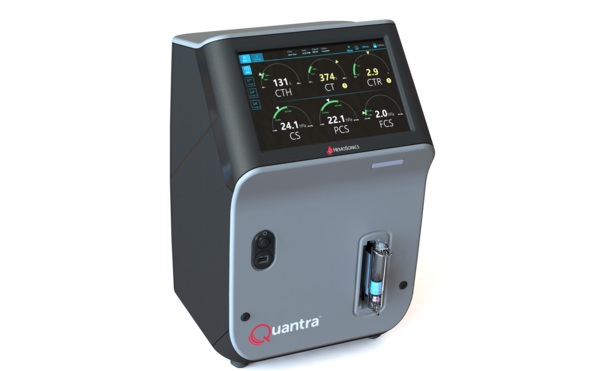
Point-of-Care Viscoelastic Testing System Supports Obstetric Bleeding Management
HemoSonics (Durham, NC, USA) announced on May 5, 2026 that the company's Quantra Hemostasis System for Obstetric Procedures won Silver in the 2026 Edison Awards in the Women’s Health and Reproductive Innovations... Read more

Business
view channel
Olympus Partnership Aims to Expand Access to Robot-Assisted Endoscopic Therapy
Olympus has signed an exclusive global distribution agreement with EndoRobotics Co., Ltd., under which robot-assisted technologies developed by EndoRobotics will be distributed worldwide as part of the... Read more