






Endometriosis Associated with Adverse Pregnancy Outcomes
|
By HospiMedica International staff writers Posted on 02 Sep 2019 |


|
A new study links endometriosis to increased risk of adverse pregnancy outcomes such as spontaneous abortion, ectopic pregnancy and preeclampsia.
Researchers at the University of Arizona (Tucson, USA), Michigan State University (MSU; East Lansing, USA), Brigham and Women's Hospital (BWH; Boston, AM, USA), and other institutions conducted a study based on data from the Nurses' Health Study II involving 116,429 women and 196,722 pregnancies over a period of 20 years (1989-2009), in order to investigate the relationship between endometriosis and adverse pregnancy outcomes.
Adverse pregnancy outcomes included spontaneous abortion, ectopic pregnancy, stillbirth, gestational diabetes mellitus (GDM), hypertensive pregnancy disorders (preeclampsia or gestational hypertension), preterm birth, and low birth weight. The researchers then estimated the relative risks (RRs) of adverse pregnancy outcomes comparing pregnancies in women with and without a history of laparoscopically confirmed endometriosis using multivariable regression, with generalized estimating equations to account for multiple pregnancies per woman.
The results revealed that endometriosis was associated with an RR of 1.4 for spontaneous abortion, 1.46 for ectopic pregnancy, 1.35 for GDM, and 1.3 for hypertensive disorders of pregnancy. As to stillbirth, the association was termed "a suggestion". Supplemental analyses found increased risk for spontaneous abortion in nulliparous women younger than 35 years; the relation with ectopic pregnancy was stronger for pregnancies in women without a history of infertility; and relation with GDM was stronger among women who were multiparous, under age 35 years, and without infertility. The study was published on August 7, 2019, in Obstetrics and Gynecology.
“We observed an association between laparoscopically confirmed endometriosis and several adverse pregnancy outcomes. Elucidating mechanisms of association and possible pathways for intervention or screening procedures will be critical to improve the health of women with endometriosis and their children,” concluded lead author Leslie Farland, ScD, of the University of Arizona, and colleagues. “Future research should focus on the potential biological pathways underlying these relationships to inform screening or preventive interventions.”
Endometriosis is a condition in which cells similar to those in the endometrium, the layer of tissue that normally covers the inside of the uterus, grow outside of it. Most often this is on the ovaries, fallopian tubes and tissue around the uterus and ovaries; however, in rare cases, it may also occur in other parts of the body. The main symptoms are pelvic pain and infertility, which occurs in up to half of women affected. Less common symptoms include urinary or bowel symptoms. About 25% of women have no symptoms.
Related Links:
University of Arizona
Michigan State University
Brigham and Women's Hospital




Researchers at the University of Arizona (Tucson, USA), Michigan State University (MSU; East Lansing, USA), Brigham and Women's Hospital (BWH; Boston, AM, USA), and other institutions conducted a study based on data from the Nurses' Health Study II involving 116,429 women and 196,722 pregnancies over a period of 20 years (1989-2009), in order to investigate the relationship between endometriosis and adverse pregnancy outcomes.
Adverse pregnancy outcomes included spontaneous abortion, ectopic pregnancy, stillbirth, gestational diabetes mellitus (GDM), hypertensive pregnancy disorders (preeclampsia or gestational hypertension), preterm birth, and low birth weight. The researchers then estimated the relative risks (RRs) of adverse pregnancy outcomes comparing pregnancies in women with and without a history of laparoscopically confirmed endometriosis using multivariable regression, with generalized estimating equations to account for multiple pregnancies per woman.
The results revealed that endometriosis was associated with an RR of 1.4 for spontaneous abortion, 1.46 for ectopic pregnancy, 1.35 for GDM, and 1.3 for hypertensive disorders of pregnancy. As to stillbirth, the association was termed "a suggestion". Supplemental analyses found increased risk for spontaneous abortion in nulliparous women younger than 35 years; the relation with ectopic pregnancy was stronger for pregnancies in women without a history of infertility; and relation with GDM was stronger among women who were multiparous, under age 35 years, and without infertility. The study was published on August 7, 2019, in Obstetrics and Gynecology.
“We observed an association between laparoscopically confirmed endometriosis and several adverse pregnancy outcomes. Elucidating mechanisms of association and possible pathways for intervention or screening procedures will be critical to improve the health of women with endometriosis and their children,” concluded lead author Leslie Farland, ScD, of the University of Arizona, and colleagues. “Future research should focus on the potential biological pathways underlying these relationships to inform screening or preventive interventions.”
Endometriosis is a condition in which cells similar to those in the endometrium, the layer of tissue that normally covers the inside of the uterus, grow outside of it. Most often this is on the ovaries, fallopian tubes and tissue around the uterus and ovaries; however, in rare cases, it may also occur in other parts of the body. The main symptoms are pelvic pain and infertility, which occurs in up to half of women affected. Less common symptoms include urinary or bowel symptoms. About 25% of women have no symptoms.
Related Links:
University of Arizona
Michigan State University
Brigham and Women's Hospital

New
Gold Member
Neonatal Heel Incision Device
Tenderfoot
New
Patient Preoperative Skin Preparation
BD ChloraPrep
New
Desk Aneroid Sphyg
Diagnostix 750D+
Latest Patient Care News
- Wearable Sleep Data Predict Adherence to Pulmonary Rehabilitation
- Revolutionary Automatic IV-Line Flushing Device to Enhance Infusion Care
- VR Training Tool Combats Contamination of Portable Medical Equipment
- Portable Biosensor Platform to Reduce Hospital-Acquired Infections
- First-Of-Its-Kind Portable Germicidal Light Technology Disinfects High-Touch Clinical Surfaces in Seconds
- Surgical Capacity Optimization Solution Helps Hospitals Boost OR Utilization

- Game-Changing Innovation in Surgical Instrument Sterilization Significantly Improves OR Throughput
- Next Gen ICU Bed to Help Address Complex Critical Care Needs
- Groundbreaking AI-Powered UV-C Disinfection Technology Redefines Infection Control Landscape
- Clean Hospitals Can Reduce Antibiotic Resistance, Save Lives
- Smart Hospital Beds Improve Accuracy of Medical Diagnosis
- New Fast Endoscope Drying System Improves Productivity and Traceability
- World’s First Automated Endoscope Cleaner Fights Antimicrobial Resistance
- Portable High-Capacity Digital Stretcher Scales Provide Precision Weighing for Patients in ER
- Portable Clinical Scale with Remote Indicator Allows for Flexible Patient Weighing Use
- Innovative and Highly Customizable Medical Carts Offer Unlimited Configuration Possibilities
Channels
Artificial Intelligence
view channel
Machine Learning Approach Enhances Liver Cancer Risk Stratification
Hepatocellular carcinoma, the most common form of primary liver cancer, is often detected late despite targeted surveillance programs. Current screening guidelines emphasize patients with known cirrhosis,... Read more
New AI Approach Monitors Brain Health Using Passive Wearable Data
Brain health spans cognitive and emotional functions and can fluctuate even in adults without diagnosed disease. Detecting early changes remains difficult in routine care and burdens specialty services... Read more

Critical Care
view channel
Automated IV Labeling Solution Improves Infusion Safety and Efficiency
Medication administration in high-acuity settings is often complicated by multiple concurrent infusions, making accurate line identification essential. In a 10-hospital intensive care unit study, 60% of... Read more
First-Of-Its-Kind AI Tool Detects Pulmonary Hypertension from Standard ECGs
Pulmonary hypertension is a progressive, life‑threatening disease that is frequently missed early because symptoms such as dyspnea are nonspecific and diagnostic delays can exceed two years.... Read more
Surgical Techniques
view channel
Continuous Monitoring with Wearables Enhances Postoperative Patient Safety
Postoperative hypoxemia on general surgical wards is common and often missed by intermittent vital sign checks. Undetected low oxygen levels can delay recovery and raise the risk of complications that... Read more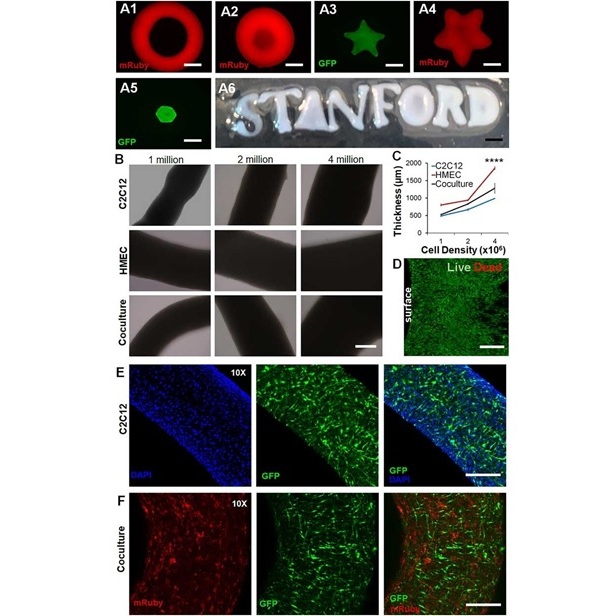
New Approach Enables Customized Muscle Tissue Without Biomaterial Scaffolds
Volumetric muscle loss is a traumatic loss of skeletal muscle that often leads to permanent functional impairment and limited reconstructive options. Current experimental strategies struggle to deliver... Read more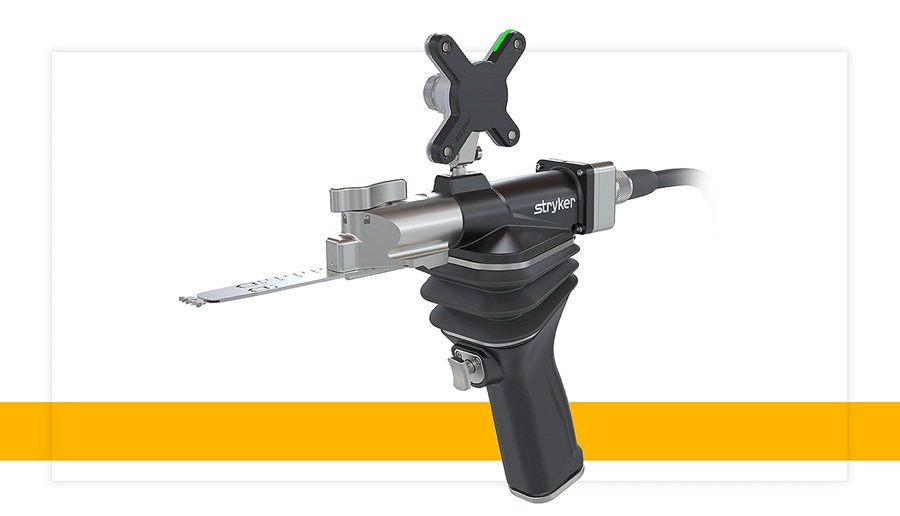
Health IT
view channel
EMR-Based Tool Predicts Graft Failure After Kidney Transplant
Kidney transplantation offers patients with end-stage kidney disease longer survival and better quality of life than dialysis, yet graft failure remains a major challenge. Although a successful transplant... Read more
Printable Molecule-Selective Nanoparticles Enable Mass Production of Wearable Biosensors
The future of medicine is likely to focus on the personalization of healthcare—understanding exactly what an individual requires and delivering the appropriate combination of nutrients, metabolites, and... Read more


Business
view channel
GE HealthCare Leads Major European Initiative to Advance Cardio-Oncology Care
Cardiovascular complications are increasingly recognized among people undergoing or recovering from cancer treatment, driven by pre‑existing disease and the cardiotoxic effects of chemotherapy, radiotherapy,... Read more

