






Sensory Shoe Insoles Help Prevent Diabetic Foot Ulcers 
|
By HospiMedica International staff writers Posted on 16 Dec 2019 |


|

Image: Sensory insoles can monitor developing diabetic foot ulcers (Photo courtesy of Orpyx)
Novel insoles assist management and prevention of diabetic foot ulcers (DFUs) through advanced foot sensor technology and real-time analytics.
The Orpyx (Calgary, Canada) SI Sensory Insoles with remote patient monitoring are designed to prevent DFUs and other neuropathy-related ulcers in the soles of the feet by monitoring pressure, temperature, and movement, and providing the wearer with real-time audiovisual alerts of pending high-pressure areas that may lead to tissue breakdown. Each set of insoles are custom made and designed to effortlessly capture plantar pressure, temperature, and movement data throughout the day. Magnetic charging USB cables and an instruction manual are included with each pair of insoles.
Through a cloud-based dashboard, healthcare providers can monitor real-world data and identify trends to proactively make treatment decisions in order to keep their patients' feet healthy. In clinical studies, when compared to standard of care, Orpyx SI technology reduced DFU recurrence by up to 86% for people with diabetic peripheral neuropathy and a previous DFU. The technology can also be used to access clinical-grade plantar pressure data for health and human performance applications in the fields of sports medicine, therapeutic applications, and footwear design.
“It is our mission to eliminate preventable DFUs; current treatments are not enough. One in four people suffering from diabetes will develop a foot ulcer, and after the ulcer has healed, 40% of those will recur within the first year,” said Breanne Everett, MD, CEO of Orpyx and co-inventor of the insoles. “Once a person develops a DFU, the 5-year mortality rate is almost 50%, higher than leukemia, colon cancer, and breast cancer. In my clinical practice, I saw the physical and emotional toll DFUs had on our patients and their families. If we can prevent DFUs from recurring, we can greatly improve peoples' lives while avoiding costs.”
Diabetes patients often suffer from nerve and circulation problems in the feet, which reduce their perception of pain. The nerve pathways that ensure that weight is automatically transferred from one foot to the other during prolonged standing are disrupted, and as a result, diabetics do not notice that their toes, heels, or the balls of their feet are too heavily loaded. The foot receives no relief, and pressure sores, DFUs, and infections may go unnoticed. Serious cases may even lead to amputation.
Related Links:
Orpyx





The Orpyx (Calgary, Canada) SI Sensory Insoles with remote patient monitoring are designed to prevent DFUs and other neuropathy-related ulcers in the soles of the feet by monitoring pressure, temperature, and movement, and providing the wearer with real-time audiovisual alerts of pending high-pressure areas that may lead to tissue breakdown. Each set of insoles are custom made and designed to effortlessly capture plantar pressure, temperature, and movement data throughout the day. Magnetic charging USB cables and an instruction manual are included with each pair of insoles.
Through a cloud-based dashboard, healthcare providers can monitor real-world data and identify trends to proactively make treatment decisions in order to keep their patients' feet healthy. In clinical studies, when compared to standard of care, Orpyx SI technology reduced DFU recurrence by up to 86% for people with diabetic peripheral neuropathy and a previous DFU. The technology can also be used to access clinical-grade plantar pressure data for health and human performance applications in the fields of sports medicine, therapeutic applications, and footwear design.
“It is our mission to eliminate preventable DFUs; current treatments are not enough. One in four people suffering from diabetes will develop a foot ulcer, and after the ulcer has healed, 40% of those will recur within the first year,” said Breanne Everett, MD, CEO of Orpyx and co-inventor of the insoles. “Once a person develops a DFU, the 5-year mortality rate is almost 50%, higher than leukemia, colon cancer, and breast cancer. In my clinical practice, I saw the physical and emotional toll DFUs had on our patients and their families. If we can prevent DFUs from recurring, we can greatly improve peoples' lives while avoiding costs.”
Diabetes patients often suffer from nerve and circulation problems in the feet, which reduce their perception of pain. The nerve pathways that ensure that weight is automatically transferred from one foot to the other during prolonged standing are disrupted, and as a result, diabetics do not notice that their toes, heels, or the balls of their feet are too heavily loaded. The foot receives no relief, and pressure sores, DFUs, and infections may go unnoticed. Serious cases may even lead to amputation.
Related Links:
Orpyx

Gold Member
STI Test
Vivalytic Sexually Transmitted Infection (STI) Array
New
Glucose Meter
StatStrip®
New
Resorbable Bovine Collagen Membrane
GenDerm
Latest Patient Care News
- Wearable Sleep Data Predict Adherence to Pulmonary Rehabilitation
- Revolutionary Automatic IV-Line Flushing Device to Enhance Infusion Care
- VR Training Tool Combats Contamination of Portable Medical Equipment
- Portable Biosensor Platform to Reduce Hospital-Acquired Infections
- First-Of-Its-Kind Portable Germicidal Light Technology Disinfects High-Touch Clinical Surfaces in Seconds
- Surgical Capacity Optimization Solution Helps Hospitals Boost OR Utilization
- Game-Changing Innovation in Surgical Instrument Sterilization Significantly Improves OR Throughput
- Next Gen ICU Bed to Help Address Complex Critical Care Needs
- Groundbreaking AI-Powered UV-C Disinfection Technology Redefines Infection Control Landscape
- Clean Hospitals Can Reduce Antibiotic Resistance, Save Lives
- Smart Hospital Beds Improve Accuracy of Medical Diagnosis
- New Fast Endoscope Drying System Improves Productivity and Traceability
- World’s First Automated Endoscope Cleaner Fights Antimicrobial Resistance
- Portable High-Capacity Digital Stretcher Scales Provide Precision Weighing for Patients in ER
- Portable Clinical Scale with Remote Indicator Allows for Flexible Patient Weighing Use
- Innovative and Highly Customizable Medical Carts Offer Unlimited Configuration Possibilities
Channels
Artificial Intelligence
view channel
AI Analysis of Pericardial Fat Refines Long-Term Heart Disease Risk
Accurately identifying long-term cardiovascular disease risk in asymptomatic adults remains challenging for clinicians. Missed or underestimated risk delays preventive therapy and increases the chance... Read more
Machine Learning Approach Enhances Liver Cancer Risk Stratification
Hepatocellular carcinoma, the most common form of primary liver cancer, is often detected late despite targeted surveillance programs. Current screening guidelines emphasize patients with known cirrhosis,... Read more

Critical Care
view channel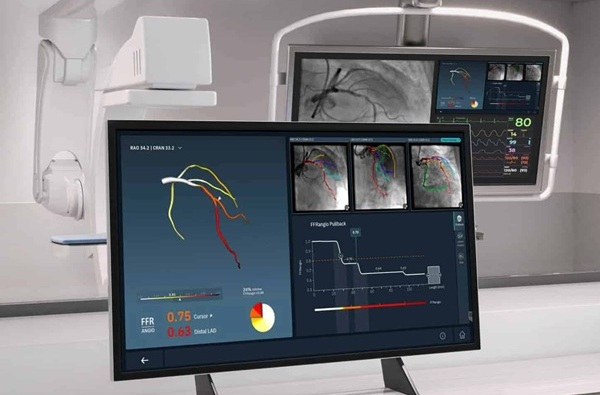
Angiography-Based FFR Approach Matches Gold Standard Results Without Wires
Accurately determining whether a coronary stenosis limits blood flow is essential to guide percutaneous coronary intervention, yet wire-based physiologic testing remains underused due to added procedural... Read more
Eye Imaging AI Identifies Elevated Cardiovascular Risk
Many adults at risk for atherosclerotic cardiovascular disease are not identified until they undergo formal primary care assessment. Delayed risk recognition can postpone initiation of statins and lifestyle... Read more

Surgical Techniques
view channel
Fiber-Form Bone Graft Expands Intraoperative Options for Spinal Fusion
Spinal and orthopedic fusion procedures often require bone graft materials that handle predictably and support bone formation. Surgeons face added complexity in difficult anatomy and challenging fusion environments.... Read more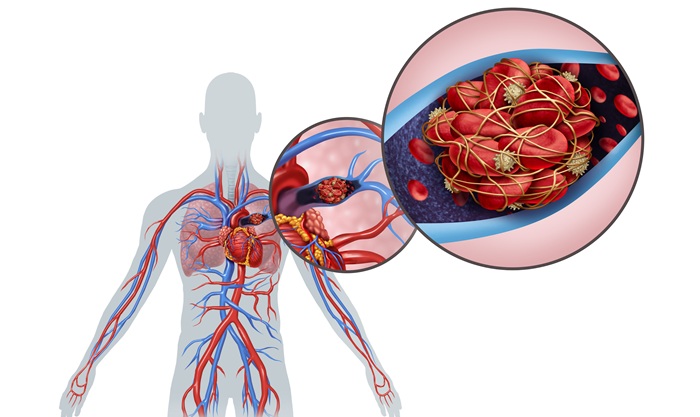
Ultrasound‑Aided Catheter Treatment Cuts Early Collapse in Pulmonary Embolism
Acute pulmonary embolism can cause rapid hemodynamic deterioration and early death in hospitalized and emergency patients. Systemic thrombolysis can dissolve clots but is limited by a high risk of major... Read more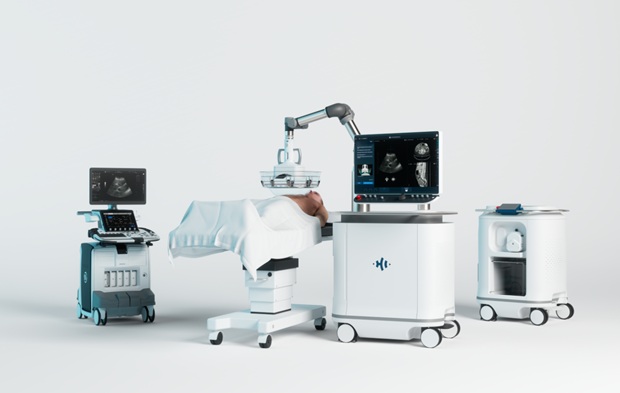

Health IT
view channel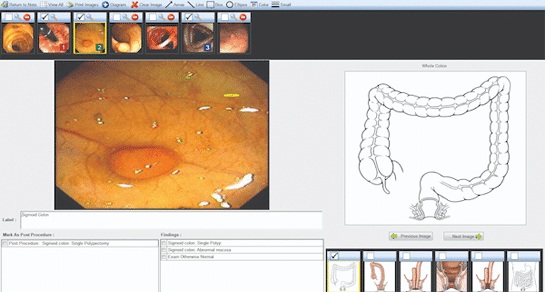
Voice-Driven AI System Enables Structured GI Procedure Documentation
Documentation during gastrointestinal (GI) procedures often competes with real-time clinical decision-making and imposes a significant cognitive burden on physicians. Manual data entry and post-procedure... Read more
EMR-Based Tool Predicts Graft Failure After Kidney Transplant
Kidney transplantation offers patients with end-stage kidney disease longer survival and better quality of life than dialysis, yet graft failure remains a major challenge. Although a successful transplant... Read more
Printable Molecule-Selective Nanoparticles Enable Mass Production of Wearable Biosensors
The future of medicine is likely to focus on the personalization of healthcare—understanding exactly what an individual requires and delivering the appropriate combination of nutrients, metabolites, and... Read more

Business
view channel
GE HealthCare Leads Major European Initiative to Advance Cardio-Oncology Care
Cardiovascular complications are increasingly recognized among people undergoing or recovering from cancer treatment, driven by pre‑existing disease and the cardiotoxic effects of chemotherapy, radiotherapy,... Read more

