






Water Births Are No More Risky Than Land Births
|
By HospiMedica International staff writers Posted on 18 Dec 2019 |


|
A new study suggests that water births are safe, and that women who take advantage of them sustain fewer first and second-degree tears.
Researchers at the University of Michigan (U-M; Ann Arbor, USA) conducted a retrospective study that analyzed 397 water births and 2,025 land births from two midwifery practices in a hospital setting. Land birth cases were excluded if they included issues that would preclude them from water birth, such as an epidural, meconium stained fluid, chorioamnionitis, gestational age lower than 37 weeks, or a body mass index (BMI) of over 40 kg/m2. Neonatal outcomes included Apgar score and admission to the neonatal intensive care unit (nICU); maternal outcomes included perineal lacerations and postpartum hemorrhage.
The results revealed that there were no differences in outcomes between waterbirth and land birth for nICU admissions (1.8% versus 2.5%, respectively), nor for Apgar scores. Women in the water birth group were less likely to sustain a first‐ or second‐degree laceration, and postpartum hemorrhage rates were similar for both groups. Similar results were obtained when evaluating a land birth subset matched on insurance, hospital location, and parity using propensity scores. The study was published on December 10, 2019, in the journal Birth.
“In this study, water birth was not associated with increased risk to neonates, extensive perineal lacerations, or postpartum hemorrhage,” conclude senior author Professor Lisa Kane Low, PhD, of the U-M School of Nursing. “The long and short of it is that if you use proper techniques...the outcomes are very good. They mirror what we see in international studies of water birth.”
Water immersion during labor is an effective comfort measure for the mother, who gives birth in a water-filled tub, rather than in a hospital bed. Once birthed in the water, the babies are brought out almost immediately, and take their first breath once removed from the tub. Until then, their lungs are filled with water, which is displaced when they hit the air and breathe. The connected umbilical cord provides oxygen. It is important not to re-submerge the babies.
Related Links:
University of Michigan






Researchers at the University of Michigan (U-M; Ann Arbor, USA) conducted a retrospective study that analyzed 397 water births and 2,025 land births from two midwifery practices in a hospital setting. Land birth cases were excluded if they included issues that would preclude them from water birth, such as an epidural, meconium stained fluid, chorioamnionitis, gestational age lower than 37 weeks, or a body mass index (BMI) of over 40 kg/m2. Neonatal outcomes included Apgar score and admission to the neonatal intensive care unit (nICU); maternal outcomes included perineal lacerations and postpartum hemorrhage.
The results revealed that there were no differences in outcomes between waterbirth and land birth for nICU admissions (1.8% versus 2.5%, respectively), nor for Apgar scores. Women in the water birth group were less likely to sustain a first‐ or second‐degree laceration, and postpartum hemorrhage rates were similar for both groups. Similar results were obtained when evaluating a land birth subset matched on insurance, hospital location, and parity using propensity scores. The study was published on December 10, 2019, in the journal Birth.
“In this study, water birth was not associated with increased risk to neonates, extensive perineal lacerations, or postpartum hemorrhage,” conclude senior author Professor Lisa Kane Low, PhD, of the U-M School of Nursing. “The long and short of it is that if you use proper techniques...the outcomes are very good. They mirror what we see in international studies of water birth.”
Water immersion during labor is an effective comfort measure for the mother, who gives birth in a water-filled tub, rather than in a hospital bed. Once birthed in the water, the babies are brought out almost immediately, and take their first breath once removed from the tub. Until then, their lungs are filled with water, which is displaced when they hit the air and breathe. The connected umbilical cord provides oxygen. It is important not to re-submerge the babies.
Related Links:
University of Michigan

New
Gold Member
Handheld Blood Glucose Analyzer
STAT-Site
New
Tourniquet System
heidi– mein Tourniquet
New
POC Respiratory/Sore Throat Test
BIOFIRE SPOTFIRE (R/ST) Panel
Latest Patient Care News
- Wearable Sleep Data Predict Adherence to Pulmonary Rehabilitation
- Revolutionary Automatic IV-Line Flushing Device to Enhance Infusion Care
- VR Training Tool Combats Contamination of Portable Medical Equipment
- Portable Biosensor Platform to Reduce Hospital-Acquired Infections
- First-Of-Its-Kind Portable Germicidal Light Technology Disinfects High-Touch Clinical Surfaces in Seconds
- Surgical Capacity Optimization Solution Helps Hospitals Boost OR Utilization

- Game-Changing Innovation in Surgical Instrument Sterilization Significantly Improves OR Throughput
- Next Gen ICU Bed to Help Address Complex Critical Care Needs
- Groundbreaking AI-Powered UV-C Disinfection Technology Redefines Infection Control Landscape
- Clean Hospitals Can Reduce Antibiotic Resistance, Save Lives
- Smart Hospital Beds Improve Accuracy of Medical Diagnosis
- New Fast Endoscope Drying System Improves Productivity and Traceability
- World’s First Automated Endoscope Cleaner Fights Antimicrobial Resistance
- Portable High-Capacity Digital Stretcher Scales Provide Precision Weighing for Patients in ER
- Portable Clinical Scale with Remote Indicator Allows for Flexible Patient Weighing Use
- Innovative and Highly Customizable Medical Carts Offer Unlimited Configuration Possibilities
Channels
Artificial Intelligence
view channel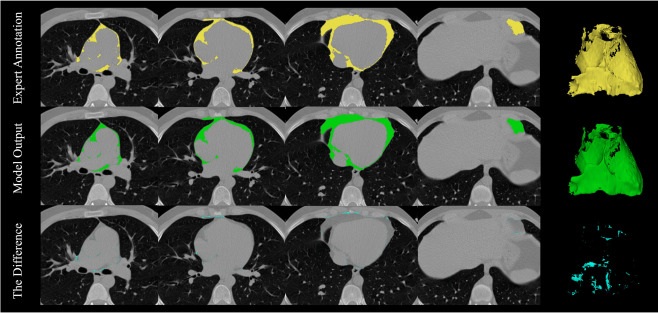
AI Analysis of Pericardial Fat Refines Long-Term Heart Disease Risk
Accurately identifying long-term cardiovascular disease risk in asymptomatic adults remains challenging for clinicians. Missed or underestimated risk delays preventive therapy and increases the chance... Read more
Machine Learning Approach Enhances Liver Cancer Risk Stratification
Hepatocellular carcinoma, the most common form of primary liver cancer, is often detected late despite targeted surveillance programs. Current screening guidelines emphasize patients with known cirrhosis,... Read more

Critical Care
view channel
Eye Imaging AI Identifies Elevated Cardiovascular Risk
Many adults at risk for atherosclerotic cardiovascular disease are not identified until they undergo formal primary care assessment. Delayed risk recognition can postpone initiation of statins and lifestyle... Read more
Noninvasive Monitoring Device Enables Earlier Intervention in Heart Failure
Hospitalizations for heart failure with preserved ejection fraction (HFpEF) remain common because lung congestion often worsens before symptoms prompt treatment changes. Missed early decompensation... Read more

Surgical Techniques
view channel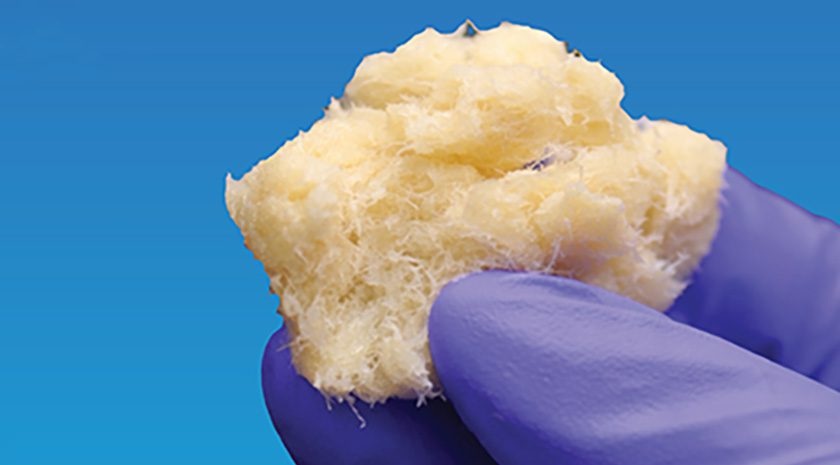
Fiber-Form Bone Graft Expands Intraoperative Options for Spinal Fusion
Spinal and orthopedic fusion procedures often require bone graft materials that handle predictably and support bone formation. Surgeons face added complexity in difficult anatomy and challenging fusion environments.... Read more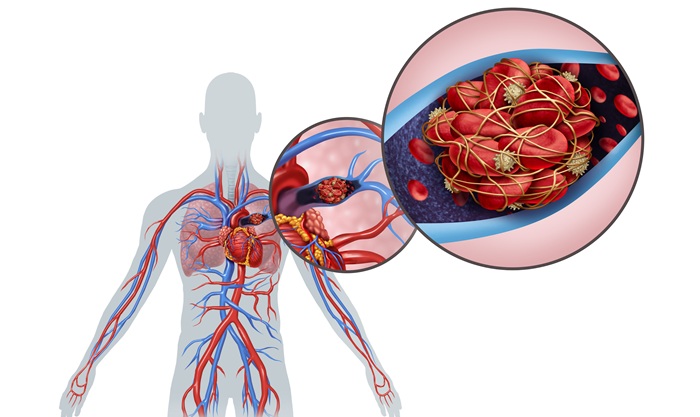
Ultrasound‑Aided Catheter Treatment Cuts Early Collapse in Pulmonary Embolism
Acute pulmonary embolism can cause rapid hemodynamic deterioration and early death in hospitalized and emergency patients. Systemic thrombolysis can dissolve clots but is limited by a high risk of major... Read more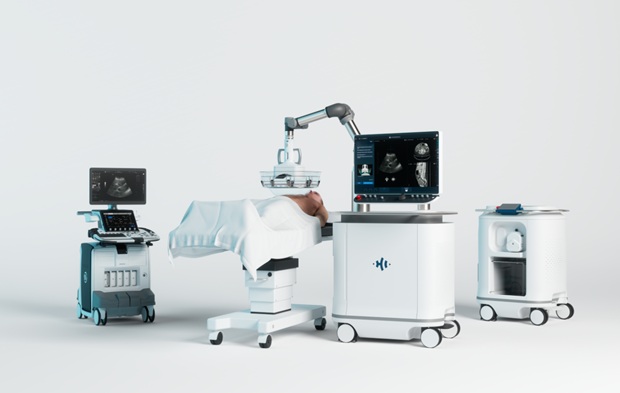

Health IT
view channel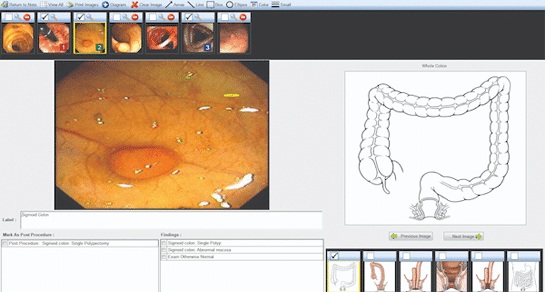
Voice-Driven AI System Enables Structured GI Procedure Documentation
Documentation during gastrointestinal (GI) procedures often competes with real-time clinical decision-making and imposes a significant cognitive burden on physicians. Manual data entry and post-procedure... Read more
EMR-Based Tool Predicts Graft Failure After Kidney Transplant
Kidney transplantation offers patients with end-stage kidney disease longer survival and better quality of life than dialysis, yet graft failure remains a major challenge. Although a successful transplant... Read more
Printable Molecule-Selective Nanoparticles Enable Mass Production of Wearable Biosensors
The future of medicine is likely to focus on the personalization of healthcare—understanding exactly what an individual requires and delivering the appropriate combination of nutrients, metabolites, and... Read more

Business
view channel
GE HealthCare Leads Major European Initiative to Advance Cardio-Oncology Care
Cardiovascular complications are increasingly recognized among people undergoing or recovering from cancer treatment, driven by pre‑existing disease and the cardiotoxic effects of chemotherapy, radiotherapy,... Read more

