






Automated Cleaning Device Clears Impacted Earwax
|
By HospiMedica International staff writers Posted on 23 Nov 2020 |


|
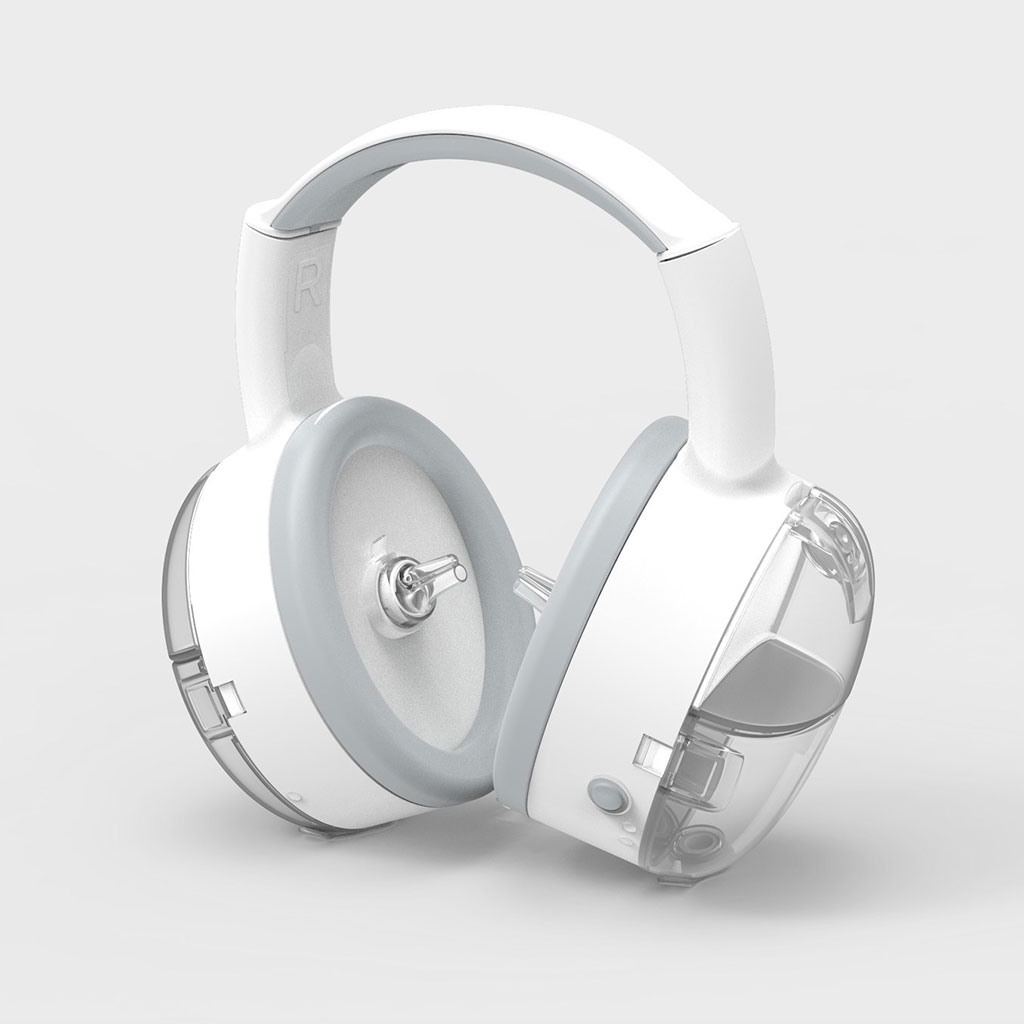
Image: The OtoSet system breaks down and removes impacted earwax (Photo courtesy of SafKan Health)
A novel ear cleaning system offers a quick, safe, and effective device to remove impacted earwax, the leading cause of conductive hearing loss.
The SafKan Health (Seattle, WA, USA) OtoSet is an automated wearable ear cleaning system that combines irrigation and micro-suction technology to facilitate rapid bilateral and unilateral earwax removal. The device features liquid solution containers that provide a directed flow from the disposable ear tips towards the walls of the ear canals to breakdown the earwax. Continuous suction draws the liquid and earwax back through the ear tips and into disposable waste containers. Over 50 earwax removal procedures can be performed per battery charge.
“The headset has disposable silicone nozzles that spray a warm saline solution against the walls of the ear canal while sucking the solution and wax back into the nozzles and disposable outflow containers, avoiding messy spills,” said Sahil Diwan, CEO of SafKan Health. “SafKan Health is now developing a consumer version of the device that can be used to prevent excessive earwax buildup from home. We plan to do for your ears what electric toothbrushes have done for your teeth.”
“For the last 200 years, the standard of care for the earwax removal procedure has been the ear and bladder syringe. OtoSet brings ear care into the 21st century,” said Stephen Meyer, former President and CEO of Welch Allyn. “I am excited to serve on the SafKan Health Board and to achieve the vision we have outlined together as a team.”
Earwax is a brown, orange, red, yellowish, or gray waxy substance secreted in the ear canal that protects skin, assists in cleaning and lubrication, and provides protection against bacteria, fungi, and water. It consists of dead skin cells, hair, and secretions of cerumen by the ceruminous and sebaceous glands of the outer ear canal. Major components of cerumen include long chain fatty acids, both saturated and unsaturated, alcohols, squalene, and cholesterol.
Related Links:
SafKan Health




The SafKan Health (Seattle, WA, USA) OtoSet is an automated wearable ear cleaning system that combines irrigation and micro-suction technology to facilitate rapid bilateral and unilateral earwax removal. The device features liquid solution containers that provide a directed flow from the disposable ear tips towards the walls of the ear canals to breakdown the earwax. Continuous suction draws the liquid and earwax back through the ear tips and into disposable waste containers. Over 50 earwax removal procedures can be performed per battery charge.
“The headset has disposable silicone nozzles that spray a warm saline solution against the walls of the ear canal while sucking the solution and wax back into the nozzles and disposable outflow containers, avoiding messy spills,” said Sahil Diwan, CEO of SafKan Health. “SafKan Health is now developing a consumer version of the device that can be used to prevent excessive earwax buildup from home. We plan to do for your ears what electric toothbrushes have done for your teeth.”
“For the last 200 years, the standard of care for the earwax removal procedure has been the ear and bladder syringe. OtoSet brings ear care into the 21st century,” said Stephen Meyer, former President and CEO of Welch Allyn. “I am excited to serve on the SafKan Health Board and to achieve the vision we have outlined together as a team.”
Earwax is a brown, orange, red, yellowish, or gray waxy substance secreted in the ear canal that protects skin, assists in cleaning and lubrication, and provides protection against bacteria, fungi, and water. It consists of dead skin cells, hair, and secretions of cerumen by the ceruminous and sebaceous glands of the outer ear canal. Major components of cerumen include long chain fatty acids, both saturated and unsaturated, alcohols, squalene, and cholesterol.
Related Links:
SafKan Health

Gold Member
SARS‑CoV‑2/Flu A/Flu B/RSV Sample-To-Answer Test
SARS‑CoV‑2/Flu A/Flu B/RSV Cartridge (CE-IVD)
New
Vessel Sealing Instrument
ERGOseal
New
Fetal Monitor
BT-380
Latest Patient Care News
- Wearable Sleep Data Predict Adherence to Pulmonary Rehabilitation
- Revolutionary Automatic IV-Line Flushing Device to Enhance Infusion Care
- VR Training Tool Combats Contamination of Portable Medical Equipment
- Portable Biosensor Platform to Reduce Hospital-Acquired Infections
- First-Of-Its-Kind Portable Germicidal Light Technology Disinfects High-Touch Clinical Surfaces in Seconds
- Surgical Capacity Optimization Solution Helps Hospitals Boost OR Utilization

- Game-Changing Innovation in Surgical Instrument Sterilization Significantly Improves OR Throughput
- Next Gen ICU Bed to Help Address Complex Critical Care Needs
- Groundbreaking AI-Powered UV-C Disinfection Technology Redefines Infection Control Landscape
- Clean Hospitals Can Reduce Antibiotic Resistance, Save Lives
- Smart Hospital Beds Improve Accuracy of Medical Diagnosis
- New Fast Endoscope Drying System Improves Productivity and Traceability
- World’s First Automated Endoscope Cleaner Fights Antimicrobial Resistance
- Portable High-Capacity Digital Stretcher Scales Provide Precision Weighing for Patients in ER
- Portable Clinical Scale with Remote Indicator Allows for Flexible Patient Weighing Use
- Innovative and Highly Customizable Medical Carts Offer Unlimited Configuration Possibilities
Channels
Artificial Intelligence
view channel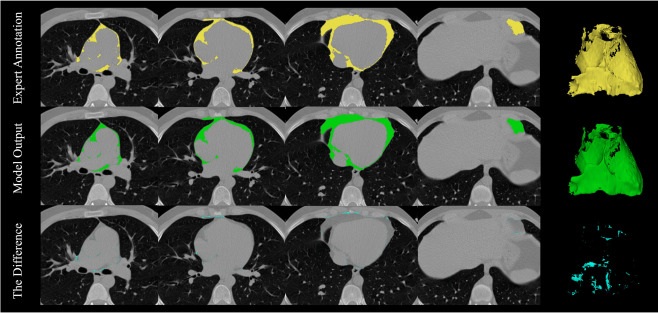
AI Analysis of Pericardial Fat Refines Long-Term Heart Disease Risk
Accurately identifying long-term cardiovascular disease risk in asymptomatic adults remains challenging for clinicians. Missed or underestimated risk delays preventive therapy and increases the chance... Read more
Machine Learning Approach Enhances Liver Cancer Risk Stratification
Hepatocellular carcinoma, the most common form of primary liver cancer, is often detected late despite targeted surveillance programs. Current screening guidelines emphasize patients with known cirrhosis,... Read more

Critical Care
view channel
Noninvasive Monitoring Device Enables Earlier Intervention in Heart Failure
Hospitalizations for heart failure with preserved ejection fraction (HFpEF) remain common because lung congestion often worsens before symptoms prompt treatment changes. Missed early decompensation... Read more
Automated IV Labeling Solution Improves Infusion Safety and Efficiency
Medication administration in high-acuity settings is often complicated by multiple concurrent infusions, making accurate line identification essential. In a 10-hospital intensive care unit study, 60% of... Read more

Surgical Techniques
view channel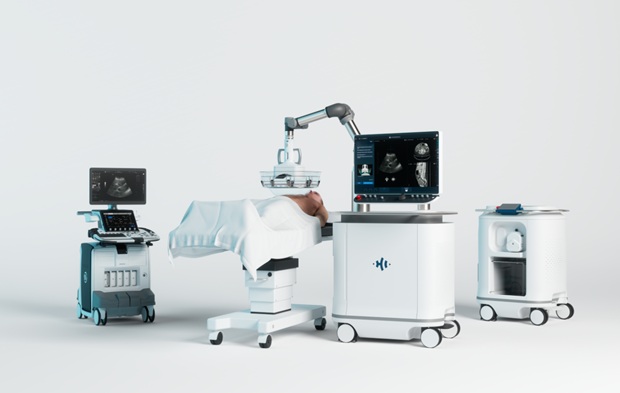
Ultrasound Technology Aims to Replace Invasive BPH Procedures
Benign prostatic hyperplasia (BPH) is a frequent cause of lower urinary tract symptoms in aging men and often requires invasive procedures or prolonged recovery. With prevalence expected to rise as populations... Read more
Continuous Monitoring with Wearables Enhances Postoperative Patient Safety
Postoperative hypoxemia on general surgical wards is common and often missed by intermittent vital sign checks. Undetected low oxygen levels can delay recovery and raise the risk of complications that... Read more

Health IT
view channel
EMR-Based Tool Predicts Graft Failure After Kidney Transplant
Kidney transplantation offers patients with end-stage kidney disease longer survival and better quality of life than dialysis, yet graft failure remains a major challenge. Although a successful transplant... Read more
Printable Molecule-Selective Nanoparticles Enable Mass Production of Wearable Biosensors
The future of medicine is likely to focus on the personalization of healthcare—understanding exactly what an individual requires and delivering the appropriate combination of nutrients, metabolites, and... Read more


Business
view channel
GE HealthCare Leads Major European Initiative to Advance Cardio-Oncology Care
Cardiovascular complications are increasingly recognized among people undergoing or recovering from cancer treatment, driven by pre‑existing disease and the cardiotoxic effects of chemotherapy, radiotherapy,... Read more

