






Reusable Mattress Warmer Treats Neonatal Hypothermia
|
By HospiMedica International staff writers Posted on 18 May 2021 |


|
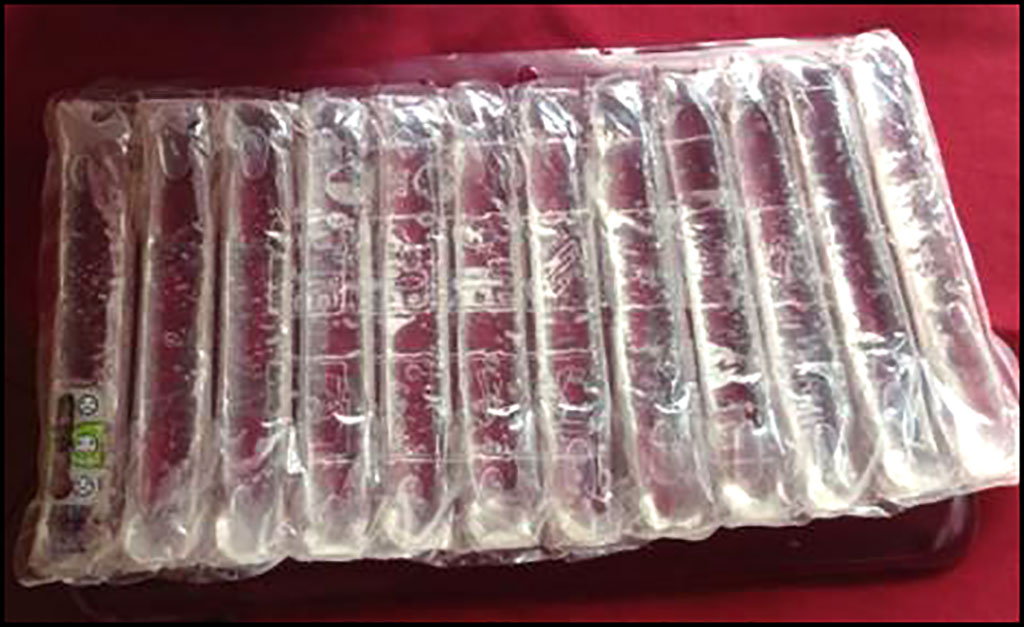
Image: The 12 phase change material “candles” that maintain Dream Warmer temperatures (Photo courtesy of PureTemp)
A low-cost, non-electric, reusable infant mattress based on the concept of a heating pad can help prevent and treat hypothermia in newborns, according to a new study.
The Dream Warmer, developed by researchers at Partners In Health/Inshuti Mu Buzima (PIH/IMB; Kigali, Rwanda), Boston Children’s Hospital (BCH; MA, USA), and other institutions, is based on a mattress containing 12 phase change material “candles” designed by PureTemp (Minneapolis, MN, USA) that melt to skin temperature and remain so for up to six hours. Once cooled down, the mattress can be cleaned and reused multiple times. It was specifically designed to complement skin-to-skin care (SSC) kangaroo mother care (KMC), either when it provides insufficient heat or if the mother needs to take a break.
To test the mattress, the researchers conducted a cluster-randomized stepped-wedge trial to assess its effect on euthermia and mortality, compared to standard of care in rural Rwandan hospitals. Ten district hospitals enrolled 464 unique infants who used the warmer 892 times. The results showed euthermia rates rose from 51% to 67%; among the encounters in which the warmer was used, only 11% remained hypothermic. Mortality rate among those who used the warmer (0.9%) were also significantly lower than among those who did not (2.8%). The study was published on April 16, 2021, in eClinicalMedicine.
“Infant hypothermia is a silent killer, but it's a modifiable risk factor, and this study shows that reducing it can have a large impact on survival and also likely on the long-term neurodevelopment of these babies,” said senior author Anne Hansen, MD, MPH, of BCH. “This is a good option for treatment in setting where incubators are not the right solution, whether it is because they are too expensive, require electricity, or require extensive training to correctly use and maintain.”
KMC was introduced in 1978 by Edgar Rey Sanabria, MD, in Bogotá (Colombia) as an alternative to incubators for low birth weight infants. KMC has four components: early, continuous, and prolonged SSC between the newborn and mother; exclusive breastfeeding; early discharge from the health facility; and close follow-up at home. It is thought to improve neonatal outcomes by maintaining infant temperature through SSC and by providing the benefits of breastfeeding, which are beneficial for all newborns, but may be especially advantageous for preterm infants.
Related Links:
Partners In Health/Inshuti Mu Buzima
Boston Children’s Hospital
PureTemp





The Dream Warmer, developed by researchers at Partners In Health/Inshuti Mu Buzima (PIH/IMB; Kigali, Rwanda), Boston Children’s Hospital (BCH; MA, USA), and other institutions, is based on a mattress containing 12 phase change material “candles” designed by PureTemp (Minneapolis, MN, USA) that melt to skin temperature and remain so for up to six hours. Once cooled down, the mattress can be cleaned and reused multiple times. It was specifically designed to complement skin-to-skin care (SSC) kangaroo mother care (KMC), either when it provides insufficient heat or if the mother needs to take a break.
To test the mattress, the researchers conducted a cluster-randomized stepped-wedge trial to assess its effect on euthermia and mortality, compared to standard of care in rural Rwandan hospitals. Ten district hospitals enrolled 464 unique infants who used the warmer 892 times. The results showed euthermia rates rose from 51% to 67%; among the encounters in which the warmer was used, only 11% remained hypothermic. Mortality rate among those who used the warmer (0.9%) were also significantly lower than among those who did not (2.8%). The study was published on April 16, 2021, in eClinicalMedicine.
“Infant hypothermia is a silent killer, but it's a modifiable risk factor, and this study shows that reducing it can have a large impact on survival and also likely on the long-term neurodevelopment of these babies,” said senior author Anne Hansen, MD, MPH, of BCH. “This is a good option for treatment in setting where incubators are not the right solution, whether it is because they are too expensive, require electricity, or require extensive training to correctly use and maintain.”
KMC was introduced in 1978 by Edgar Rey Sanabria, MD, in Bogotá (Colombia) as an alternative to incubators for low birth weight infants. KMC has four components: early, continuous, and prolonged SSC between the newborn and mother; exclusive breastfeeding; early discharge from the health facility; and close follow-up at home. It is thought to improve neonatal outcomes by maintaining infant temperature through SSC and by providing the benefits of breastfeeding, which are beneficial for all newborns, but may be especially advantageous for preterm infants.
Related Links:
Partners In Health/Inshuti Mu Buzima
Boston Children’s Hospital
PureTemp

New
Gold Member
Handheld Blood Glucose Analyzer
STAT-Site
New
Pediatric Mask
Respire SOFT
New
Medical Adhesive
MED 5570U
Latest Patient Care News
- Wearable Sleep Data Predict Adherence to Pulmonary Rehabilitation
- Revolutionary Automatic IV-Line Flushing Device to Enhance Infusion Care
- VR Training Tool Combats Contamination of Portable Medical Equipment
- Portable Biosensor Platform to Reduce Hospital-Acquired Infections
- First-Of-Its-Kind Portable Germicidal Light Technology Disinfects High-Touch Clinical Surfaces in Seconds
- Surgical Capacity Optimization Solution Helps Hospitals Boost OR Utilization

- Game-Changing Innovation in Surgical Instrument Sterilization Significantly Improves OR Throughput
- Next Gen ICU Bed to Help Address Complex Critical Care Needs
- Groundbreaking AI-Powered UV-C Disinfection Technology Redefines Infection Control Landscape
- Clean Hospitals Can Reduce Antibiotic Resistance, Save Lives
- Smart Hospital Beds Improve Accuracy of Medical Diagnosis
- New Fast Endoscope Drying System Improves Productivity and Traceability
- World’s First Automated Endoscope Cleaner Fights Antimicrobial Resistance
- Portable High-Capacity Digital Stretcher Scales Provide Precision Weighing for Patients in ER
- Portable Clinical Scale with Remote Indicator Allows for Flexible Patient Weighing Use
- Innovative and Highly Customizable Medical Carts Offer Unlimited Configuration Possibilities
Channels
Artificial Intelligence
view channel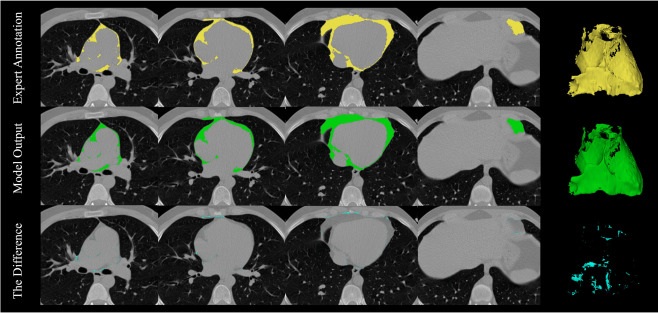
AI Analysis of Pericardial Fat Refines Long-Term Heart Disease Risk
Accurately identifying long-term cardiovascular disease risk in asymptomatic adults remains challenging for clinicians. Missed or underestimated risk delays preventive therapy and increases the chance... Read more
Machine Learning Approach Enhances Liver Cancer Risk Stratification
Hepatocellular carcinoma, the most common form of primary liver cancer, is often detected late despite targeted surveillance programs. Current screening guidelines emphasize patients with known cirrhosis,... Read more

Critical Care
view channel
Eye Imaging AI Identifies Elevated Cardiovascular Risk
Many adults at risk for atherosclerotic cardiovascular disease are not identified until they undergo formal primary care assessment. Delayed risk recognition can postpone initiation of statins and lifestyle... Read more
Noninvasive Monitoring Device Enables Earlier Intervention in Heart Failure
Hospitalizations for heart failure with preserved ejection fraction (HFpEF) remain common because lung congestion often worsens before symptoms prompt treatment changes. Missed early decompensation... Read more

Surgical Techniques
view channel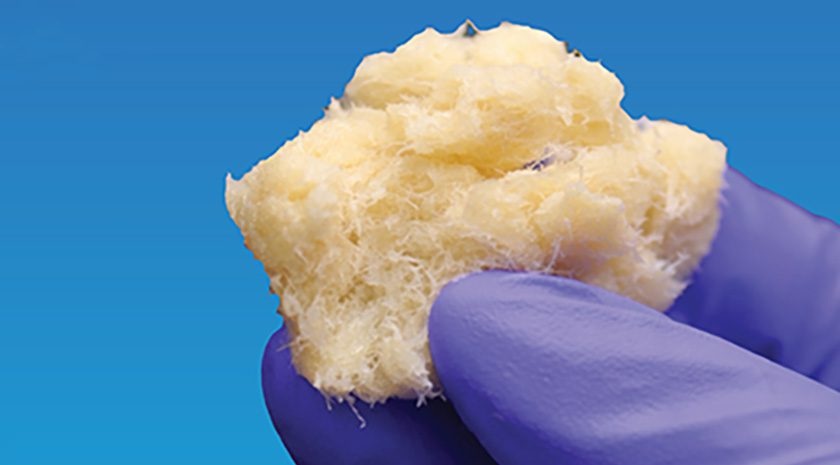
Fiber-Form Bone Graft Expands Intraoperative Options for Spinal Fusion
Spinal and orthopedic fusion procedures often require bone graft materials that handle predictably and support bone formation. Surgeons face added complexity in difficult anatomy and challenging fusion environments.... Read more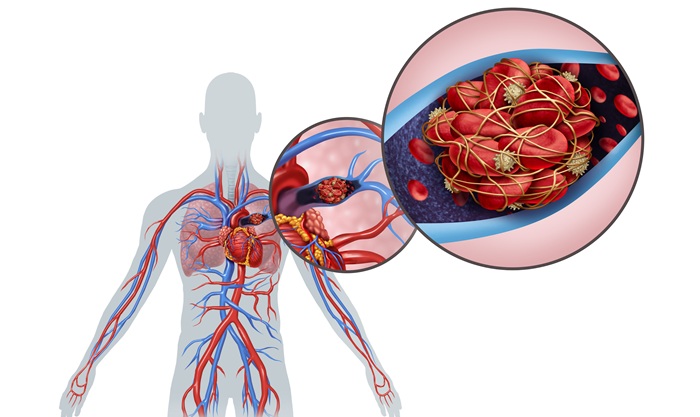
Ultrasound‑Aided Catheter Treatment Cuts Early Collapse in Pulmonary Embolism
Acute pulmonary embolism can cause rapid hemodynamic deterioration and early death in hospitalized and emergency patients. Systemic thrombolysis can dissolve clots but is limited by a high risk of major... Read more

Health IT
view channel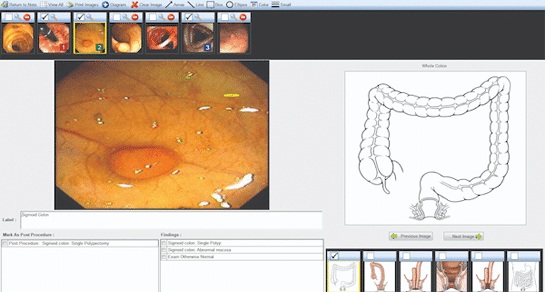
Voice-Driven AI System Enables Structured GI Procedure Documentation
Documentation during gastrointestinal (GI) procedures often competes with real-time clinical decision-making and imposes a significant cognitive burden on physicians. Manual data entry and post-procedure... Read more
EMR-Based Tool Predicts Graft Failure After Kidney Transplant
Kidney transplantation offers patients with end-stage kidney disease longer survival and better quality of life than dialysis, yet graft failure remains a major challenge. Although a successful transplant... Read more
Printable Molecule-Selective Nanoparticles Enable Mass Production of Wearable Biosensors
The future of medicine is likely to focus on the personalization of healthcare—understanding exactly what an individual requires and delivering the appropriate combination of nutrients, metabolites, and... Read more

Business
view channel
GE HealthCare Leads Major European Initiative to Advance Cardio-Oncology Care
Cardiovascular complications are increasingly recognized among people undergoing or recovering from cancer treatment, driven by pre‑existing disease and the cardiotoxic effects of chemotherapy, radiotherapy,... Read more

