






New AI Tool Can Identify and Distinguish Between Difficult-to-Diagnose Life-Threatening Heart Conditions
|
By HospiMedica International staff writers Posted on 24 Feb 2022 |


|

For the first time, a team of physician-scientists has developed an algorithm that can spot difficult-to-diagnose cardiac conditions.
Physician-scientists in the Smidt Heart Institute at Cedars-Sinai (Los Angeles, CA, USA) have created an artificial intelligence (AI) tool that can effectively identify and distinguish between two life-threatening heart conditions that are often easy to miss: hypertrophic cardiomyopathy and cardiac amyloidosis. The two-step, novel algorithm was used on over 34,000 cardiac ultrasound videos. When applied to these clinical images, the algorithm identified specific features - related to the thickness of heart walls and the size of heart chambers - to efficiently flag certain patients as suspicious for having the potentially unrecognized cardiac diseases.
Without comprehensive testing, cardiologists find it challenging to distinguish between similar appearing diseases and changes in heart shape and size that can sometimes be thought of as a part of normal aging. This algorithm accurately distinguishes not only abnormal from normal, but also between which underlying potentially life-threatening cardiac conditions may be present - with warning signals that are now detectable well before the disease clinically progresses to the point where it can impact health outcomes. Getting an earlier diagnosis enables patients to begin effective treatments sooner, prevent adverse clinical events, and improve their quality of life.
Cardiac amyloidosis, often called “stiff heart syndrome,” is a disorder caused by deposits of an abnormal protein (amyloid) in the heart tissue. As amyloid builds up, it takes the place of healthy heart muscle, making it difficult for the heart to work properly. Cardiac amyloidosis often goes undetected because patients might not have any symptoms, or they might experience symptoms only sporadically. The disease tends to affect older, Black men or patients with cancer or diseases that cause inflammation. Many patients belong to underserved communities, making the study results an important tool in improving healthcare equity.
Hypertrophic cardiomyopathy is a disease that causes the heart muscle to thicken and stiffen. As a result, it's less able to relax and fill with blood, resulting in damage to heart valves, fluid buildup in the lungs, and abnormal heart rhythms. Although separate and distinct conditions, cardiac amyloidosis and hypertrophic cardiomyopathy often look very similar to each other on an echocardiogram, the most commonly used cardiac imaging diagnostic. Importantly, in the very early stages of disease, each of these cardiac conditions can also mimic the appearance of a non-diseased heart that has progressively changed in size and shape with aging.
The new AI technology can be used to identify patients from very early on in their disease course. That’s because clinicians know that earlier is always better for getting the most benefit from therapies that are available today and that can be very effective for preventing the worst possible outcomes, such as heart failure, hospitalizations, and sudden death. Researchers plan to soon launch clinical trials for patients flagged by the AI algorithm for suspected cardiac amyloidosis. A clinical trial for patients flagged by the algorithm for suspected hypertrophic cardiomyopathy has just started at Cedars-Sinai.
“Our AI algorithm can pinpoint disease patterns that can’t be seen by the naked eye, and then use these patterns to predict the right diagnosis,” said David Ouyang, MD, a cardiologist in the Smidt Heart Institute and senior author of the study. “The algorithm identified high-risk patients with more accuracy than the well-trained eye of a clinical expert. This is because the algorithm picks up subtle cues on ultrasound videos that distinguish between heart conditions that can often look very similar to more benign conditions, as well as to each other, on initial review.”
Related Links:
Cedars-Sinai







Latest Patient Care News
- Wearable Sleep Data Predict Adherence to Pulmonary Rehabilitation
- Revolutionary Automatic IV-Line Flushing Device to Enhance Infusion Care
- VR Training Tool Combats Contamination of Portable Medical Equipment
- Portable Biosensor Platform to Reduce Hospital-Acquired Infections
- First-Of-Its-Kind Portable Germicidal Light Technology Disinfects High-Touch Clinical Surfaces in Seconds
- Surgical Capacity Optimization Solution Helps Hospitals Boost OR Utilization

- Game-Changing Innovation in Surgical Instrument Sterilization Significantly Improves OR Throughput
- Next Gen ICU Bed to Help Address Complex Critical Care Needs
- Groundbreaking AI-Powered UV-C Disinfection Technology Redefines Infection Control Landscape
- Clean Hospitals Can Reduce Antibiotic Resistance, Save Lives
- Smart Hospital Beds Improve Accuracy of Medical Diagnosis
- New Fast Endoscope Drying System Improves Productivity and Traceability
- World’s First Automated Endoscope Cleaner Fights Antimicrobial Resistance
- Portable High-Capacity Digital Stretcher Scales Provide Precision Weighing for Patients in ER
- Portable Clinical Scale with Remote Indicator Allows for Flexible Patient Weighing Use
- Innovative and Highly Customizable Medical Carts Offer Unlimited Configuration Possibilities
Channels
Artificial Intelligence
view channel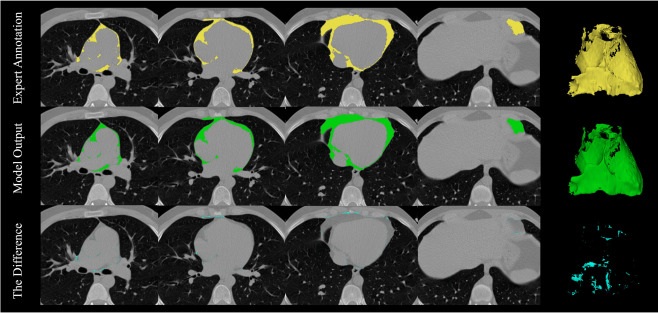
AI Analysis of Pericardial Fat Refines Long-Term Heart Disease Risk
Accurately identifying long-term cardiovascular disease risk in asymptomatic adults remains challenging for clinicians. Missed or underestimated risk delays preventive therapy and increases the chance... Read more
Machine Learning Approach Enhances Liver Cancer Risk Stratification
Hepatocellular carcinoma, the most common form of primary liver cancer, is often detected late despite targeted surveillance programs. Current screening guidelines emphasize patients with known cirrhosis,... Read more

Critical Care
view channel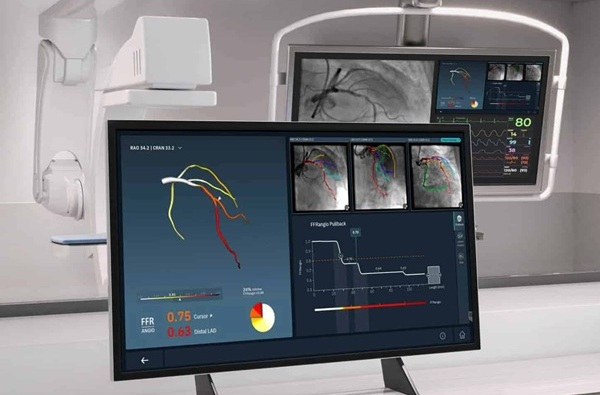
Angiography-Based FFR Approach Matches Gold Standard Results Without Wires
Accurately determining whether a coronary stenosis limits blood flow is essential to guide percutaneous coronary intervention, yet wire-based physiologic testing remains underused due to added procedural... Read more
Eye Imaging AI Identifies Elevated Cardiovascular Risk
Many adults at risk for atherosclerotic cardiovascular disease are not identified until they undergo formal primary care assessment. Delayed risk recognition can postpone initiation of statins and lifestyle... Read more

Surgical Techniques
view channel
Fiber-Form Bone Graft Expands Intraoperative Options for Spinal Fusion
Spinal and orthopedic fusion procedures often require bone graft materials that handle predictably and support bone formation. Surgeons face added complexity in difficult anatomy and challenging fusion environments.... Read more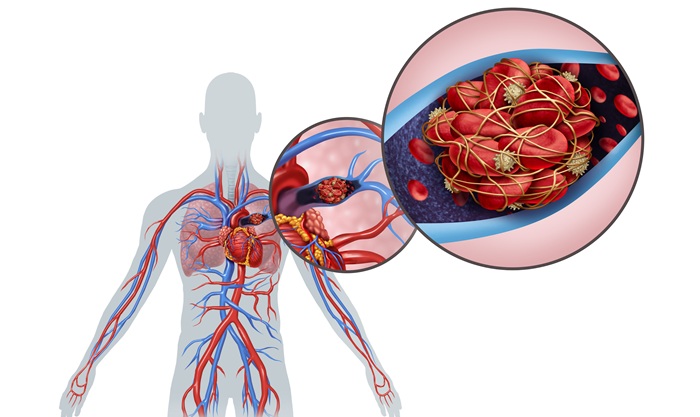
Ultrasound‑Aided Catheter Treatment Cuts Early Collapse in Pulmonary Embolism
Acute pulmonary embolism can cause rapid hemodynamic deterioration and early death in hospitalized and emergency patients. Systemic thrombolysis can dissolve clots but is limited by a high risk of major... Read more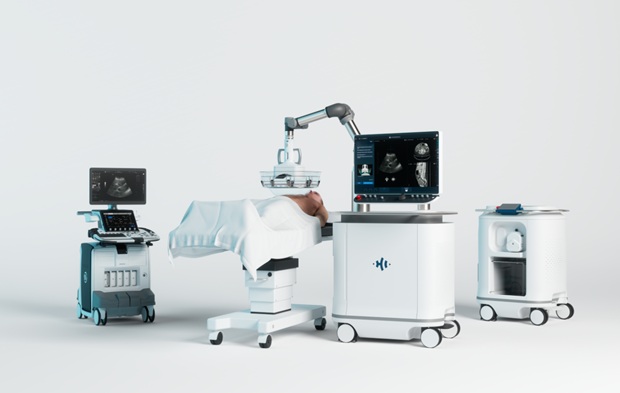

Health IT
view channel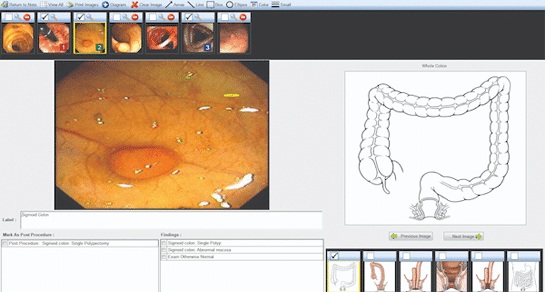
Voice-Driven AI System Enables Structured GI Procedure Documentation
Documentation during gastrointestinal (GI) procedures often competes with real-time clinical decision-making and imposes a significant cognitive burden on physicians. Manual data entry and post-procedure... Read more
EMR-Based Tool Predicts Graft Failure After Kidney Transplant
Kidney transplantation offers patients with end-stage kidney disease longer survival and better quality of life than dialysis, yet graft failure remains a major challenge. Although a successful transplant... Read more
Printable Molecule-Selective Nanoparticles Enable Mass Production of Wearable Biosensors
The future of medicine is likely to focus on the personalization of healthcare—understanding exactly what an individual requires and delivering the appropriate combination of nutrients, metabolites, and... Read more

Business
view channel
GE HealthCare Leads Major European Initiative to Advance Cardio-Oncology Care
Cardiovascular complications are increasingly recognized among people undergoing or recovering from cancer treatment, driven by pre‑existing disease and the cardiotoxic effects of chemotherapy, radiotherapy,... Read more

