AI-Enhanced ECGs Can Improve Diagnosis and Treatment of Obstructive Hypertrophic Cardiomyopathy
|
By HospiMedica International staff writers Posted on 09 Mar 2022 |


|

Using artificial intelligence (AI) in electrocardiogram (ECG) analysis can improve diagnosis and treatment of hypertrophic cardiomyopathy (HCM), according to findings of a new study pointing to the potential benefits for remote monitoring of the condition.
The study by researchers at the University of California San Francisco (UCSF, San Francisco, CA, USA) found that AI-ECG may help identify HCM in its earliest stages and monitor important disease-related changes over time. The team demonstrated that AI analysis of ECGs can not only accurately predict the diagnosis of HCM, but also that AI-ECG correlates longitudinally with cardiac pressures and lab measurements related to HCM. The study showed that AI analysis can capture far more information from ECGs related to obstructive HCM pathophysiology than is currently gained by manual ECG interpretation and was the first study to show that AI analysis of ECGs can potentially be used to monitor disease-related physiologic and hemodynamic measurements.
The researchers applied two separate AI-ECG algorithms to pre-treatment and on-treatment ECGs from the phase-2 PIONEER- OLE clinical trial (a clinical trial for treatment with the HCM drug Mavacamten in adults with symptomatic obstructive HCM). After showing that both algorithms accurately detected HCM in clinical trial data without additional training, they then showed that AI-ECG HCM scores correlated longitudinally with disease status as measured by decreases over time in left ventricular outflow tract gradients and natriuretic peptide (NT-proBNP) levels in these patients.
The longitudinal associations of the AI-ECG HCM score were significant and likely reflected changes in the raw ECG waveform that were detectable by AI-ECGs and correlated with HCM disease pathophysiology and severity. AI-ECG’s potential is broadened by the fact that ECGs can now be measured remotely via smartphone-enabled electrodes and may permit remote assessment of disease progression as well as drug treatment response. According to the researchers, future studies are needed to determine whether AI-ECGs can track disease status and be used as a guide for drug measurement to enhance safety.
Related Links:
University of California San Francisco






Latest Patient Care News
- Revolutionary Automatic IV-Line Flushing Device to Enhance Infusion Care
- VR Training Tool Combats Contamination of Portable Medical Equipment
- Portable Biosensor Platform to Reduce Hospital-Acquired Infections
- First-Of-Its-Kind Portable Germicidal Light Technology Disinfects High-Touch Clinical Surfaces in Seconds
- Surgical Capacity Optimization Solution Helps Hospitals Boost OR Utilization

- Game-Changing Innovation in Surgical Instrument Sterilization Significantly Improves OR Throughput
- Next Gen ICU Bed to Help Address Complex Critical Care Needs
- Groundbreaking AI-Powered UV-C Disinfection Technology Redefines Infection Control Landscape
- Clean Hospitals Can Reduce Antibiotic Resistance, Save Lives
- Smart Hospital Beds Improve Accuracy of Medical Diagnosis
- New Fast Endoscope Drying System Improves Productivity and Traceability
- World’s First Automated Endoscope Cleaner Fights Antimicrobial Resistance
- Portable High-Capacity Digital Stretcher Scales Provide Precision Weighing for Patients in ER
- Portable Clinical Scale with Remote Indicator Allows for Flexible Patient Weighing Use
- Innovative and Highly Customizable Medical Carts Offer Unlimited Configuration Possibilities
- Biomolecular Wound Healing Film Adheres to Sensitive Tissue and Releases Active Ingredients
Channels

Critical Care
view channel
Magnetically Guided Microrobots to Enable Targeted Drug Delivery
Stroke affects 12 million people globally each year, often causing death or lasting disability. Current treatment relies on systemic administration of clot-dissolving drugs, which circulate throughout... Read more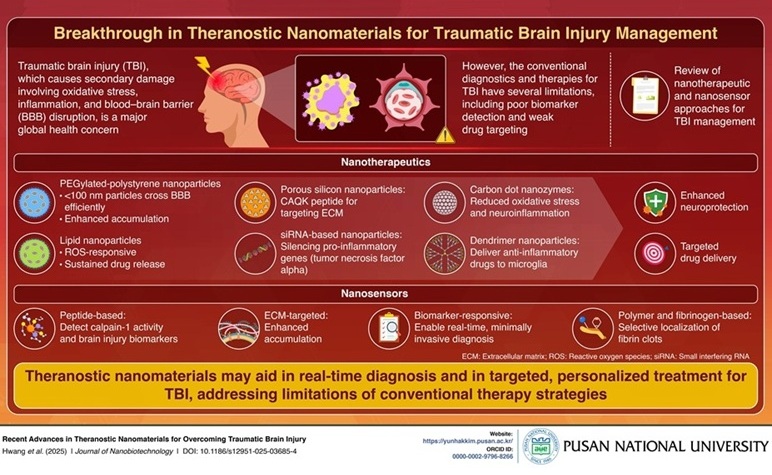
Smart Nanomaterials Detect and Treat Traumatic Brain Injuries Simultaneously
Traumatic brain injury (TBI) continues to leave millions with long-term disabilities every year. After a sudden impact from a fall, collision, or accident, the brain undergoes inflammation, oxidative stress,... Read more
Earlier Blood Transfusion Could Reduce Heart Failure and Arrhythmia in Heart Disease Patients
Blood loss during or after surgery can place significant stress on people with heart disease, increasing the risk of dangerous complications. Transfusions are often delayed until hemoglobin levels fall... Read more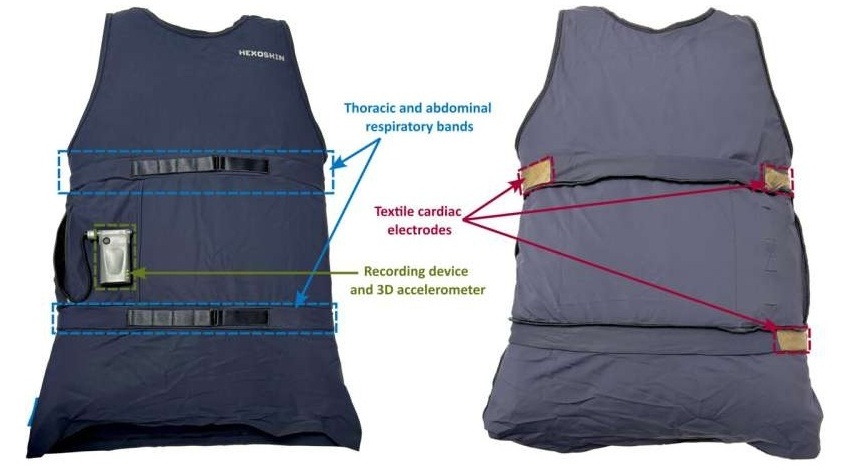
Surgical Techniques
view channel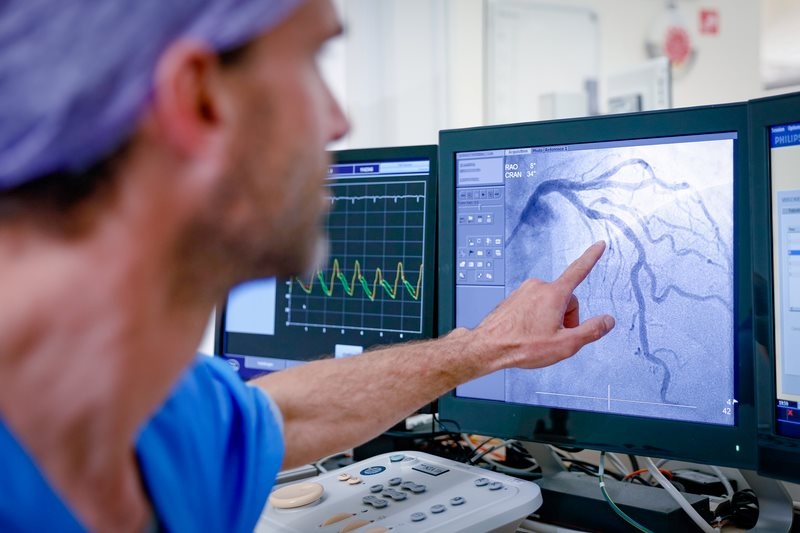
New Study Findings Could Halve Number of Stent Procedures
When a coronary artery becomes acutely blocked during a heart attack, opening it immediately is essential to prevent irreversible damage. However, many patients also have other narrowed vessels that appear... Read more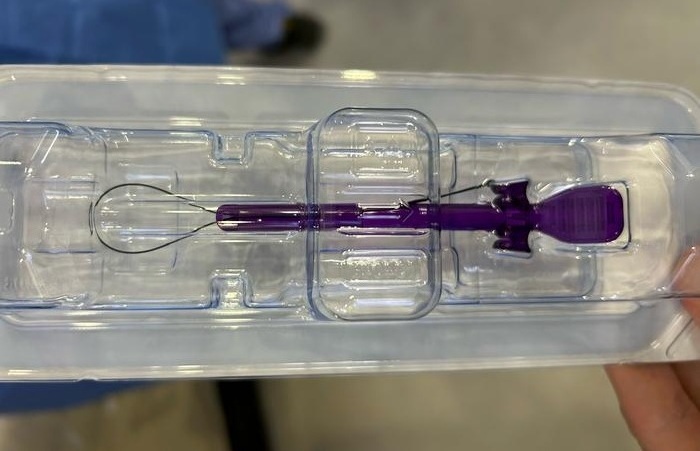
Breakthrough Surgical Device Redefines Hip Arthroscopy
Hip arthroscopy has surged in popularity, yet surgeons still face major mechanical constraints when navigating deep joint spaces through traditional cannulas. Limited tool mobility and the need for an... Read more
Health IT
view channel
EMR-Based Tool Predicts Graft Failure After Kidney Transplant
Kidney transplantation offers patients with end-stage kidney disease longer survival and better quality of life than dialysis, yet graft failure remains a major challenge. Although a successful transplant... Read more
Printable Molecule-Selective Nanoparticles Enable Mass Production of Wearable Biosensors
The future of medicine is likely to focus on the personalization of healthcare—understanding exactly what an individual requires and delivering the appropriate combination of nutrients, metabolites, and... Read more

Business
view channel
Philips and Masimo Partner to Advance Patient Monitoring Measurement Technologies
Royal Philips (Amsterdam, Netherlands) and Masimo (Irvine, California, USA) have renewed their multi-year strategic collaboration, combining Philips’ expertise in patient monitoring with Masimo’s noninvasive... Read more
B. Braun Acquires Digital Microsurgery Company True Digital Surgery
The high-end microsurgery market in neurosurgery, spine, and ENT is undergoing a significant transformation. Traditional analog microscopes are giving way to digital exoscopes, which provide improved visualization,... Read more
CMEF 2025 to Promote Holistic and High-Quality Development of Medical and Health Industry
The 92nd China International Medical Equipment Fair (CMEF 2025) Autumn Exhibition is scheduled to be held from September 26 to 29 at the China Import and Export Fair Complex (Canton Fair Complex) in Guangzhou.... Read more