First-Of-Its-Kind Portable Germicidal Light Technology Disinfects High-Touch Clinical Surfaces in Seconds
|
By HospiMedica International staff writers Posted on 01 May 2024 |


|

Reducing healthcare-acquired infections (HAIs) remains a pressing issue within global healthcare systems. In the United States alone, 1.7 million patients contract HAIs annually, leading to approximately 99,000 deaths each year. Pathogens on surfaces can survive for days to months, and studies indicate that 50% of surfaces in healthcare settings are not adequately disinfected during manual cleaning processes. The financial burden of HAIs on the U.S. healthcare system is estimated to be between USD 28 billion to USD 33 billion annually. Now, the results of an in-hospital disinfection study involving the use of novel handheld Filtered Far UV-C devices have demonstrated their effectiveness in quickly reducing HAI-causing pathogens on high-touch clinical surfaces, addressing a significant challenge in hospital settings where traditional manual disinfection methods often fall short.
The research, conducted at The University of Texas MD Anderson Cancer Center (Houston, TX, USA), utilized handheld Filtered Far UV-C devices provided by Freestyle Partners (Detroit, MI, USA). The study showed a significant reduction in surface pathogens that cause HAIs within the clinical areas of hematologic malignancy and stem cell units. Filtered Far UV-C, a safe form of disinfection technology, uses invisible germicidal light that kills viruses, bacteria, spores, and fungi almost instantly, eliminating the need for the 2–10-minute dwell times required by chemical disinfectants. These devices offer a no-touch disinfection solution, particularly advantageous where manual cleaning is not feasible. This study further confirms the efficacy and speed of these devices in reducing dangerous pathogens on high-touch surfaces, thanks to their patented technology that ensures proper usage and achieves desired disinfection results.
“This study provides further real-world data on the efficacy of handheld Filtered Far UV-C devices to reduce surface pathogens which we hope could ultimately improve patient care and tackle the tremendous expenses healthcare institutions face in fighting HAIs,” said Jennifer Rosen, co-founder of Freestyle Partners, LLC.
Related Links:
The University of Texas MD Anderson Cancer Center
Freestyle Partners






Latest Patient Care News
- EHR Model Flags High-Risk Periods in Patients with Metastatic Breast Cancer
- Virtual Reality Helps Claustrophobic Patients Complete Cardiac PET/CT Scans
- Weighted Blankets Reduce Anxiety in Hospitalized Adults
- Multicenter Study Quantifies Delays in Care for Emergency Department Boarders
- Real-Time Radiation Monitor Supports Safer Fluoroscopy-Guided Procedures
- FDA-Cleared Finger Cuff Device Enables Home Blood Pressure Monitoring
- AI Avatar Doctor Improves Patient Understanding Before Radiotherapy
- Wearable Sleep Data Predict Adherence to Pulmonary Rehabilitation
- Revolutionary Automatic IV-Line Flushing Device to Enhance Infusion Care
- VR Training Tool Combats Contamination of Portable Medical Equipment
- Portable Biosensor Platform to Reduce Hospital-Acquired Infections
- Surgical Capacity Optimization Solution Helps Hospitals Boost OR Utilization

- Game-Changing Innovation in Surgical Instrument Sterilization Significantly Improves OR Throughput
- Next Gen ICU Bed to Help Address Complex Critical Care Needs
- Groundbreaking AI-Powered UV-C Disinfection Technology Redefines Infection Control Landscape
- Clean Hospitals Can Reduce Antibiotic Resistance, Save Lives
Channels
Artificial Intelligence
view channel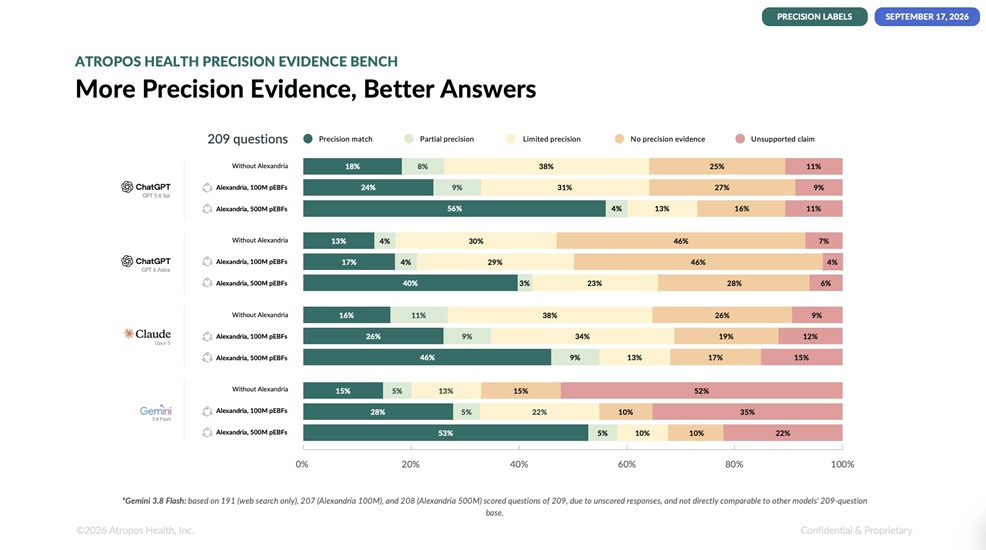
New Benchmark Highlights Evidence Gaps in AI Responses to Clinical Questions
Many clinical decisions still rely on limited evidence, while most artificial intelligence benchmarks overlook the patient context that shapes real-world care. General large language models can also struggle... Read more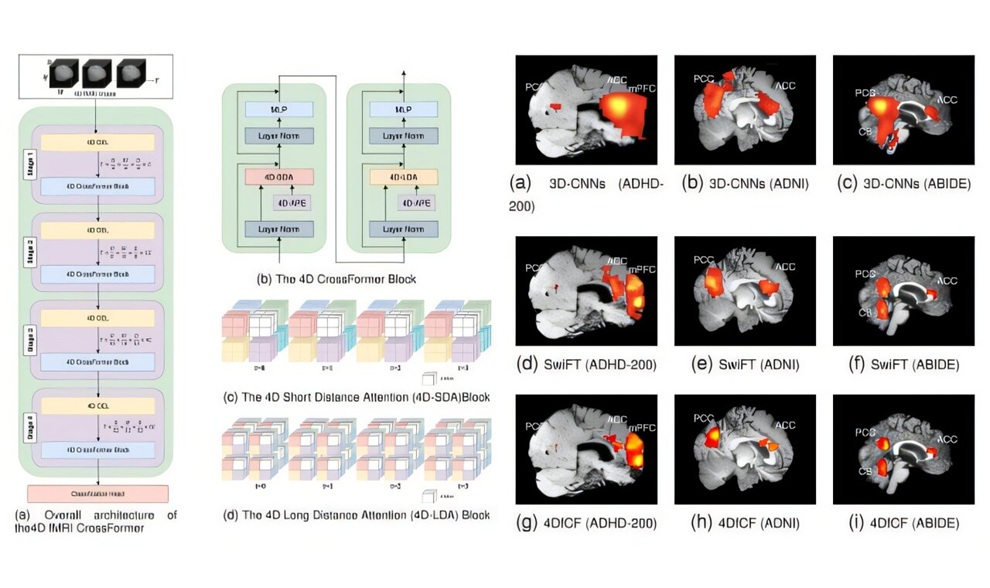
Explainable AI Tool Improves Brain Disorder Screening from 4D fMRI
Functional magnetic resonance imaging (fMRI) captures changes in brain activity over time, but the resulting image sequences can be difficult to analyze. Screening for brain disorders requires assessing... Read more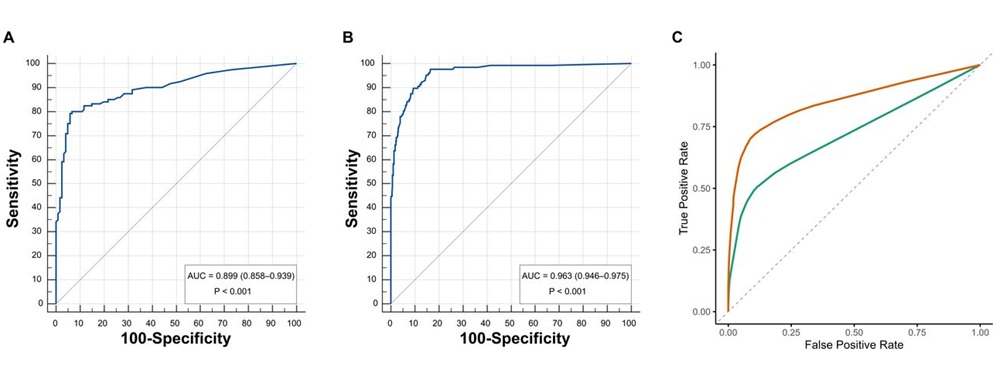
Critical Care
view channel
Early Stem Cell Transplantation May Improve Survival in Rare Inherited Bone Marrow Disorder
Shwachman-Diamond syndrome (SDS) is a rare inherited bone marrow disorder that can progress to severe hematologic disease. More than 90% of affected children survive beyond age 20, but fewer than 30% live... Read more
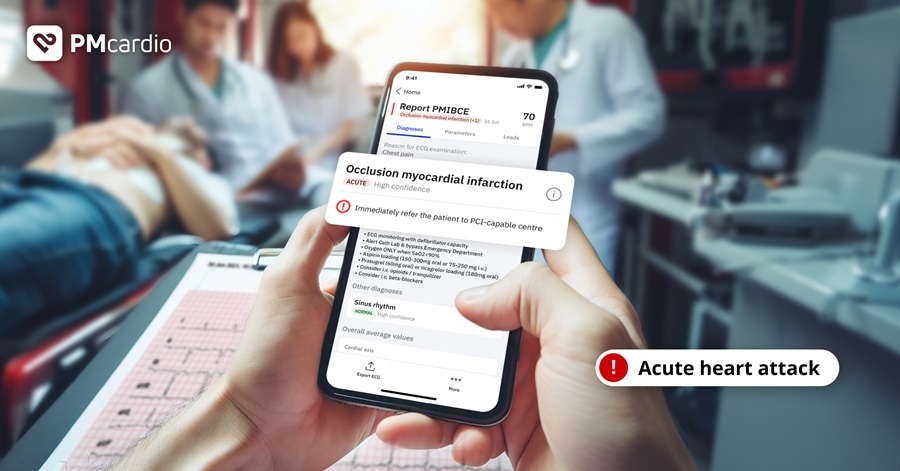
Drone AED Delivery Could Shorten Time to Out-of-Hospital Cardiac Arrest Defibrillation
Out-of-hospital cardiac arrest requires prompt cardiopulmonary resuscitation and defibrillation. Yet automated external defibrillators (AEDs) may be difficult to reach quickly, particularly in rural areas... Read more
Surgical Techniques
view channel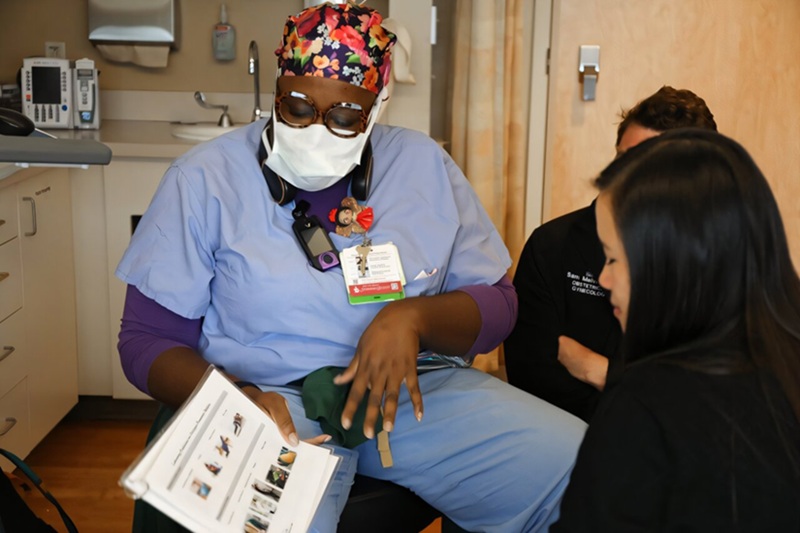
Labor Induction Guide Improves Patient Satisfaction in Randomized Trial
Labor induction uses medications or other methods to start labor, but patients may encounter information that conflicts with clinical guidance. This misinformation can create confusion and mistrust when... Read more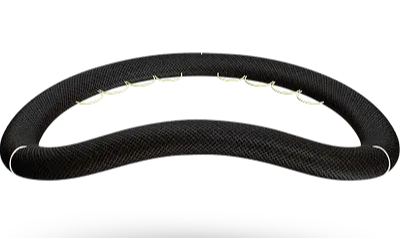
First Human Implant Performed With New Open Mitral Annuloplasty Ring
In mitral valve repair, clinicians aim to preserve the mitral annulus’s three-dimensional motion while providing enough support for effective remodeling. Ring preferences vary between open and closed ... Read more
Handheld Device Improves Targeted Cell Collection for Early Ovarian Cancer Assessment
High-grade serous ovarian cancer is the most common form of ovarian cancer, and many cases are thought to originate in the fallopian tubes. Because precursor lesions can be microscopic, they are difficult... Read more
Medical Imaging
view channel
AI Model Uses Pretreatment CT Scans to Predict Immunotherapy-Related Pneumonitis Risk
Pneumonitis is a potentially life-threatening form of lung inflammation that affects about 10% of patients with lung cancer receiving immunotherapy. Because it can be difficult to predict before symptoms... Read more
MRI-Based Test Speeds Multiple Sclerosis Diagnosis and Reduces Lumbar Punctures
Multiple sclerosis (MS) is a neurological condition marked by multiple scars in the brain or spine. Diagnosis can be difficult because symptoms vary and the disease can progress at different rates.... Read more
Health IT
view channel
Healthcare Database Helps Close Long COVID Surveillance Gap
Long COVID is a chronic condition that occurs after SARS-CoV-2 infection and lasts at least three months. It can follow severe illness, but it can also affect anyone who has been infected.... Read more
New Tablet Platform Extends Stroke Neurorehabilitation Beyond the Clinic
Continuity and intensity of neurorehabilitation after stroke are critical for functional recovery, but access to ongoing therapy at home often remains limited. Hospitals and outpatient programs therefore... Read more

Point of Care
view channel
Continuous Glucose Monitoring Identifies Cardiometabolic Risk in Adults Without Diabetes
Dysglycemia—abnormal blood glucose regulation—can fluctuate throughout the day and often escape conventional screening. Clinicians typically rely on fasting plasma glucose and hemoglobin A1c, which offer... Read more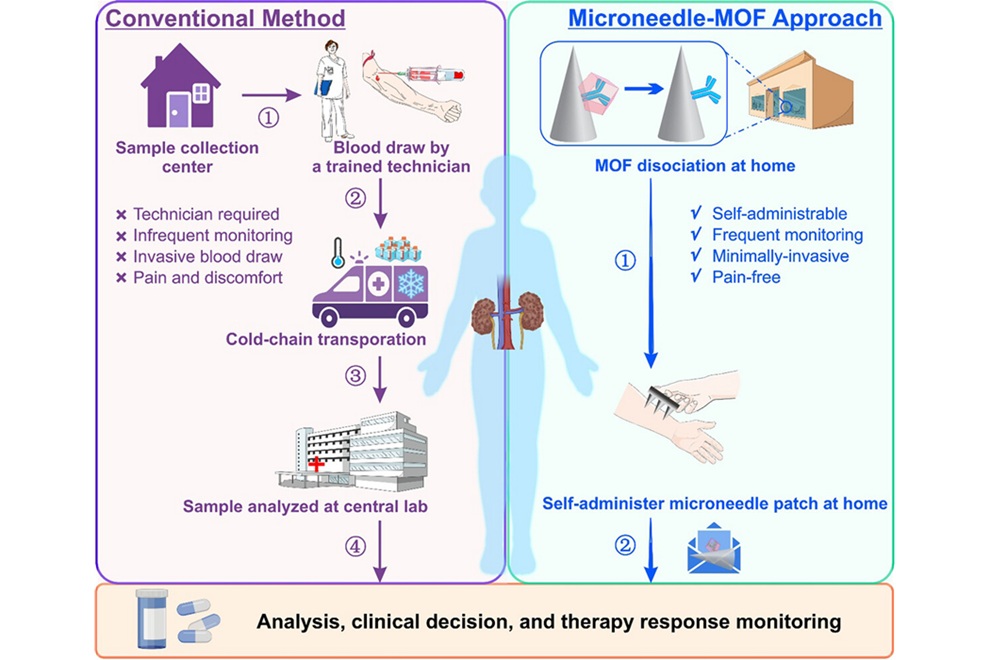
Microneedle Patch Enables At-Home Monitoring of Acute Kidney Injury
Kidney disease is often silent in its early stages, making timely detection difficult outside clinical settings. Early biomarkers such as neutrophil gelatinase–associated lipocalin can require blood draws... Read more
Business
view channel
Medtronic Receives FDA Clearance for Vessel-Sealing Instrument for Robotic Surgery
As robotic-assisted surgery expands across U.S. hospitals, teams increasingly seek energy instruments with the familiarity and performance of tools used in open and laparoscopic procedures.... Read more
Robotic Single-Port System Gains CE Mark for Transvaginal Gynecologic Procedures
Intuitive (Sunnyvale, CA, USA) announced that it has received CE mark approval for use of the da Vinci SP Single Port surgical system in transvaginal gynecologic procedures, marking the first such indication... Read more