Link Found Between Preeclampsia and Reduced Thyroid Function
|
By HospiMedica International staff writers Posted on 21 Dec 2009 |


|
A new study has found that women who experience preeclampsia, a serious complication of pregnancy, may have an increased risk for reduced thyroid functioning later in life.
Researchers from the U.S. National Institutes of Health (NIH; Bethesda, MD, USA), the National Institute of Child Health and Human Development (NICHD; Rockville, MD, USA), the Norwegian University of Science and Technology (NTNU; Trondheim), and other institutions analyzed data from two separate studies in which each suggest a link between preeclampsia and reduced thyroid function. In the first study, the Calcium for Preeclampsia Prevention trial of healthy pregnant nulliparous women held in the United States between 1992-1995, women who developed preeclampsia were more likely to have slightly reduced thyroid functioning during the last weeks of their pregnancies; the second study, the Norwegian Nord-Trondelag Health Study (HUNT-2), held between 1995-1997, found that women who had preeclampsia during their pregnancies were more likely to have reduced thyroid functioning more than 20 years after they had given birth, when compared to women who had not had preeclampsia during pregnancy.
The researchers tested blood samples collected in the studies for levels of thyroid stimulating hormone (TSH), which stimulates the thyroid gland, and found a link between preeclampsia and reduced thyroid functioning. The first study showed that early in their pregnancies, the women who went on to develop preeclampsia had thyroid functioning identical to that of the women who never developed preeclampsia. Toward the end of their pregnancies, the women with preeclampsia had, on average, much higher levels of TSH than women with no history of preeclampsia. However, the first study did not provide information on whether reduced thyroid functioning extended beyond the end of the pregnancy, when preeclampsia's symptoms ceased.
The researchers next turned to data collected in the mid-1990s in the Norway population study. The researchers analyzed data from 7,121 women who had given birth to a first child in 1967 or later, and had had their blood samples tested for thyroid function in the countywide study in the mid-1990s. The researchers discovered that the women who had preeclampsia in their first pregnancy were 1.7 times as likely to have high TSH as the women who had not had preeclampsia. Women who had preeclampsia in both their first and second pregnancies were nearly 6 times as likely to have high TSH levels. The study, which described the analysis of both studies, was published in the November 17, 2009, issue of BMJ (formerly known as the British Medical Journal).
"The findings suggest that the possible development of hypothyroidism is a consideration in patients with a history of preeclampsia,” said Susan Shurin, M.D., acting director of the NICHD. "Reduced thyroid functioning is easy to diagnose when suspected, and inexpensive to treat. Replacement therapy substantially improves quality of life of affected persons.”
Preeclampsia is a medical condition where hypertension arises in pregnancy in association with significant amounts of protein in the urine. Because preeclampsia refers to a set of symptoms rather than any causative factor, it is established that there are many different causes for the syndrome.
Related Links:
U.S. National Institutes of Health
U.S. National Institute of Child Health and Human Development
Norwegian University of Science and Technology






Researchers from the U.S. National Institutes of Health (NIH; Bethesda, MD, USA), the National Institute of Child Health and Human Development (NICHD; Rockville, MD, USA), the Norwegian University of Science and Technology (NTNU; Trondheim), and other institutions analyzed data from two separate studies in which each suggest a link between preeclampsia and reduced thyroid function. In the first study, the Calcium for Preeclampsia Prevention trial of healthy pregnant nulliparous women held in the United States between 1992-1995, women who developed preeclampsia were more likely to have slightly reduced thyroid functioning during the last weeks of their pregnancies; the second study, the Norwegian Nord-Trondelag Health Study (HUNT-2), held between 1995-1997, found that women who had preeclampsia during their pregnancies were more likely to have reduced thyroid functioning more than 20 years after they had given birth, when compared to women who had not had preeclampsia during pregnancy.
The researchers tested blood samples collected in the studies for levels of thyroid stimulating hormone (TSH), which stimulates the thyroid gland, and found a link between preeclampsia and reduced thyroid functioning. The first study showed that early in their pregnancies, the women who went on to develop preeclampsia had thyroid functioning identical to that of the women who never developed preeclampsia. Toward the end of their pregnancies, the women with preeclampsia had, on average, much higher levels of TSH than women with no history of preeclampsia. However, the first study did not provide information on whether reduced thyroid functioning extended beyond the end of the pregnancy, when preeclampsia's symptoms ceased.
The researchers next turned to data collected in the mid-1990s in the Norway population study. The researchers analyzed data from 7,121 women who had given birth to a first child in 1967 or later, and had had their blood samples tested for thyroid function in the countywide study in the mid-1990s. The researchers discovered that the women who had preeclampsia in their first pregnancy were 1.7 times as likely to have high TSH as the women who had not had preeclampsia. Women who had preeclampsia in both their first and second pregnancies were nearly 6 times as likely to have high TSH levels. The study, which described the analysis of both studies, was published in the November 17, 2009, issue of BMJ (formerly known as the British Medical Journal).
"The findings suggest that the possible development of hypothyroidism is a consideration in patients with a history of preeclampsia,” said Susan Shurin, M.D., acting director of the NICHD. "Reduced thyroid functioning is easy to diagnose when suspected, and inexpensive to treat. Replacement therapy substantially improves quality of life of affected persons.”
Preeclampsia is a medical condition where hypertension arises in pregnancy in association with significant amounts of protein in the urine. Because preeclampsia refers to a set of symptoms rather than any causative factor, it is established that there are many different causes for the syndrome.
Related Links:
U.S. National Institutes of Health
U.S. National Institute of Child Health and Human Development
Norwegian University of Science and Technology

Gold Member
Handheld Blood Glucose Analyzer
STAT-Site
Gold Member
STI Test
Vivalytic Sexually Transmitted Infection (STI) Array
Patient Preoperative Skin Preparation
BD ChloraPrep
Patient Monitoring System
AlarmSense
Latest Patient Care News
- AI Avatar Doctor Improves Patient Understanding Before Radiotherapy
- Wearable Sleep Data Predict Adherence to Pulmonary Rehabilitation
- Revolutionary Automatic IV-Line Flushing Device to Enhance Infusion Care
- VR Training Tool Combats Contamination of Portable Medical Equipment
- Portable Biosensor Platform to Reduce Hospital-Acquired Infections
- First-Of-Its-Kind Portable Germicidal Light Technology Disinfects High-Touch Clinical Surfaces in Seconds
- Surgical Capacity Optimization Solution Helps Hospitals Boost OR Utilization

- Game-Changing Innovation in Surgical Instrument Sterilization Significantly Improves OR Throughput
- Next Gen ICU Bed to Help Address Complex Critical Care Needs
- Groundbreaking AI-Powered UV-C Disinfection Technology Redefines Infection Control Landscape
- Clean Hospitals Can Reduce Antibiotic Resistance, Save Lives
- Smart Hospital Beds Improve Accuracy of Medical Diagnosis
- New Fast Endoscope Drying System Improves Productivity and Traceability
- World’s First Automated Endoscope Cleaner Fights Antimicrobial Resistance
- Portable High-Capacity Digital Stretcher Scales Provide Precision Weighing for Patients in ER
- Portable Clinical Scale with Remote Indicator Allows for Flexible Patient Weighing Use
Channels
Artificial Intelligence
view channel
AI Platform Supports Noninvasive Remote Hemodynamic Monitoring in Heart Failure
Heart failure remains a leading cause of hospitalization in adults over 65, affecting more than 6.7 million people in the U.S. Clinicians often lose visibility into hemodynamic deterioration once patients... Read more
AI Tool Predicts Unplanned Care and Symptom Burden in Cancer Survivors
Unplanned emergency visits and hospitalizations remain common in cancer survivorship, when routine clinical contact often tapers while new symptoms emerge. These events reflect unmet needs and disrupt... Read more

Critical Care
view channel
Handheld ECG Algorithm Shows Promise for At-Home Heart Attack Risk Assessment
Chest pain remains one of the most common emergency presentations, yet determining which patients are experiencing a heart attack outside the hospital is challenging. Delays from symptom onset to hospital... Read more
Smartphone Heart Rhythm App Reduces Unnecessary Cardioversion Procedures
Atrial fibrillation, an irregular and often rapid heart rhythm, is the most common arrhythmia in adults. Elective electrical cardioversion is frequently canceled on the day of treatment when patients revert... Read more
Surgical Techniques
view channel
New CAR T-Cell Therapy Enables Transplants in Hard-to-Match Kidney Patients
Highly sensitized kidney transplant candidates have extremely high levels of anti-donor antibodies that block matching and prolong dialysis. These patients face long wait times and increased morbidity... Read more
CE-Marked Ultrasonic Shears Streamline Breast and Thyroid Surgery
Thyroid and breast surgeries are often performed in confined anatomical spaces near critical structures, making precise dissection and controlled thermal management essential. As the global disease burden... Read more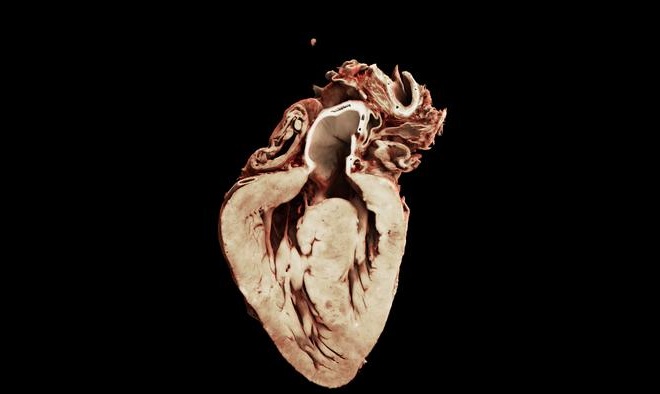

Health IT
view channel
AI-Native EHR Achieves EU Medical Device Certification
InterSystems (Boston, MA, USA) announced that its IntelliCare electronic health record (EHR) solutions have been certified as Class IIa medical devices under the European Union Medical Device Regulation... Read more
EHR-Integrated Screening Workflow Detects Cognitive Impairment at Admission
Cognitive impairment involves difficulties with thinking, learning, memory, and decision-making, and is more common in older adults. In U.S. hospitals, more than 40% of admitted older adults have dementia,... Read more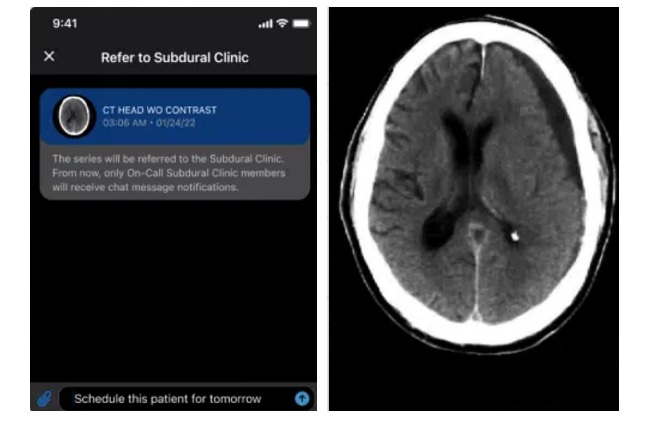
Point of Care
view channel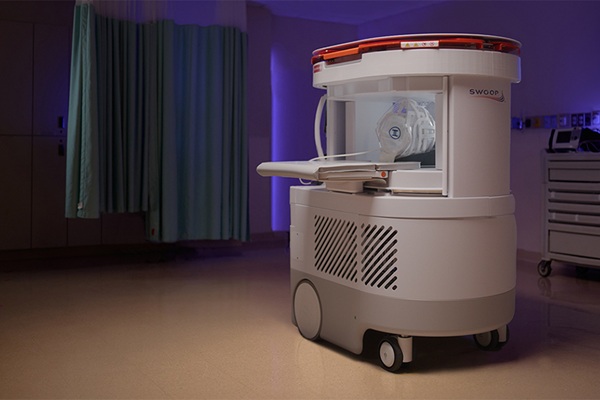
Portable MRI System Accelerates Emergency Brain Imaging and Triage
Emergency departments frequently face delays accessing conventional magnetic resonance imaging (MRI) for patients with suspected neurological emergencies. Such waits can slow triage, prolong boarding,... Read more
Point-of-Care Viscoelastic Testing System Supports Obstetric Bleeding Management
HemoSonics (Durham, NC, USA) announced on May 5, 2026 that the company's Quantra Hemostasis System for Obstetric Procedures won Silver in the 2026 Edison Awards in the Women’s Health and Reproductive Innovations... Read more

Business
view channel
Endologix Adds FDA-Cleared Peripheral Thrombectomy System
Endologix (Santa Rosa, CA, USA) has acquired the Pounce Thrombectomy System from Surmodics, with the transaction closing on May 18, 2026. The FDA-cleared system is indicated for the non-surgical removal... Read more