Menstrual Kits Help Reduce School Absenteeism in Kenya
|
By HospiMedica International staff writers Posted on 02 Mar 2010 |


|
Free menstrual kits that also include information about safer sex and HIV prevention are being distributed to Kenyan girls in an effort to address school absenteeism among low-income families.
Developed by Huru International (New York, NY, USA) in partnership with many other groups, the program was initiated after a preliminary study among young girls in Kenya's Mukuru slum area revealed that girls who cannot afford sanitary napkins uniformly described their periods as ordeals. They expressed feelings of discomfort, anxiety, and isolation, and felt unable to attend school, play with friends, or even leave the house. Some created homemade solutions out of bits of old clothing, scraps of mattress padding, and even used pads found in the trash. More than just uncomfortable and inadequate, these unsanitary substitutes often led to infection and disease.
As a result, most of the girls simply choose to stay home, avoiding the stress, uncertainty, and humiliation of makeshift protection; many reported that as a result they always felt left behind in school, unable to catch up with the work they had missed, and that the these gaps in their education were almost impossible to overcome. In addition, the girls often began to receive pressure for sex from men, including their male teachers, when it becomes clear that they were ovulating.
In response to these findings, Huru (which means "freedom” in Swahili) developed and began distributing the sanitary kits. Each kit comes packaged in a drawstring bag that doubles as a backpack, and includes eight reusable sanitary napkins; three pairs of underwear; soap to wash the sanitary napkins; a waterproof bag to store safely used sanitary napkins; an educational insert featuring information on proper sanitary napkin usage, and HIV/AIDS prevention educational material.
An ongoing study by researchers at Oxford University (UK) on sanitary care effect in Ghana found that on average, the rate of school absenteeism was cut by slightly more than half, from about 21% of school days to about 9% of school days. In the village where education material alone was provided, there was also a reduction in absenteeism, but the effect was delayed.
"To overcome community beliefs about the unimportance of educating girls will take at least a generation of intense effort on the part of NGOs and governments, but the simple intervention of educating the girls about her period and providing her with a reliable, clean, and private way to manage it, could have a dramatic impact on female education achievement within only a few years,” said Professor Linda Scott, Ph.D., the lead researcher on the study.
Related Links:
Huru International
Oxford University






Developed by Huru International (New York, NY, USA) in partnership with many other groups, the program was initiated after a preliminary study among young girls in Kenya's Mukuru slum area revealed that girls who cannot afford sanitary napkins uniformly described their periods as ordeals. They expressed feelings of discomfort, anxiety, and isolation, and felt unable to attend school, play with friends, or even leave the house. Some created homemade solutions out of bits of old clothing, scraps of mattress padding, and even used pads found in the trash. More than just uncomfortable and inadequate, these unsanitary substitutes often led to infection and disease.
As a result, most of the girls simply choose to stay home, avoiding the stress, uncertainty, and humiliation of makeshift protection; many reported that as a result they always felt left behind in school, unable to catch up with the work they had missed, and that the these gaps in their education were almost impossible to overcome. In addition, the girls often began to receive pressure for sex from men, including their male teachers, when it becomes clear that they were ovulating.
In response to these findings, Huru (which means "freedom” in Swahili) developed and began distributing the sanitary kits. Each kit comes packaged in a drawstring bag that doubles as a backpack, and includes eight reusable sanitary napkins; three pairs of underwear; soap to wash the sanitary napkins; a waterproof bag to store safely used sanitary napkins; an educational insert featuring information on proper sanitary napkin usage, and HIV/AIDS prevention educational material.
An ongoing study by researchers at Oxford University (UK) on sanitary care effect in Ghana found that on average, the rate of school absenteeism was cut by slightly more than half, from about 21% of school days to about 9% of school days. In the village where education material alone was provided, there was also a reduction in absenteeism, but the effect was delayed.
"To overcome community beliefs about the unimportance of educating girls will take at least a generation of intense effort on the part of NGOs and governments, but the simple intervention of educating the girls about her period and providing her with a reliable, clean, and private way to manage it, could have a dramatic impact on female education achievement within only a few years,” said Professor Linda Scott, Ph.D., the lead researcher on the study.
Related Links:
Huru International
Oxford University

Gold Member
SARS‑CoV‑2/Flu A/Flu B/RSV Sample-To-Answer Test
SARS‑CoV‑2/Flu A/Flu B/RSV Cartridge (CE-IVD)
Gold Member
STI Test
Vivalytic Sexually Transmitted Infection (STI) Array
Pediatric Mask
Respire SOFT
Multi-Chamber Washer-Disinfector
WD 390
Latest Patient Care News
- AI Avatar Doctor Improves Patient Understanding Before Radiotherapy
- Wearable Sleep Data Predict Adherence to Pulmonary Rehabilitation
- Revolutionary Automatic IV-Line Flushing Device to Enhance Infusion Care
- VR Training Tool Combats Contamination of Portable Medical Equipment
- Portable Biosensor Platform to Reduce Hospital-Acquired Infections
- First-Of-Its-Kind Portable Germicidal Light Technology Disinfects High-Touch Clinical Surfaces in Seconds
- Surgical Capacity Optimization Solution Helps Hospitals Boost OR Utilization

- Game-Changing Innovation in Surgical Instrument Sterilization Significantly Improves OR Throughput
- Next Gen ICU Bed to Help Address Complex Critical Care Needs
- Groundbreaking AI-Powered UV-C Disinfection Technology Redefines Infection Control Landscape
- Clean Hospitals Can Reduce Antibiotic Resistance, Save Lives
- Smart Hospital Beds Improve Accuracy of Medical Diagnosis
- New Fast Endoscope Drying System Improves Productivity and Traceability
- World’s First Automated Endoscope Cleaner Fights Antimicrobial Resistance
- Portable High-Capacity Digital Stretcher Scales Provide Precision Weighing for Patients in ER
- Portable Clinical Scale with Remote Indicator Allows for Flexible Patient Weighing Use
Channels
Artificial Intelligence
view channel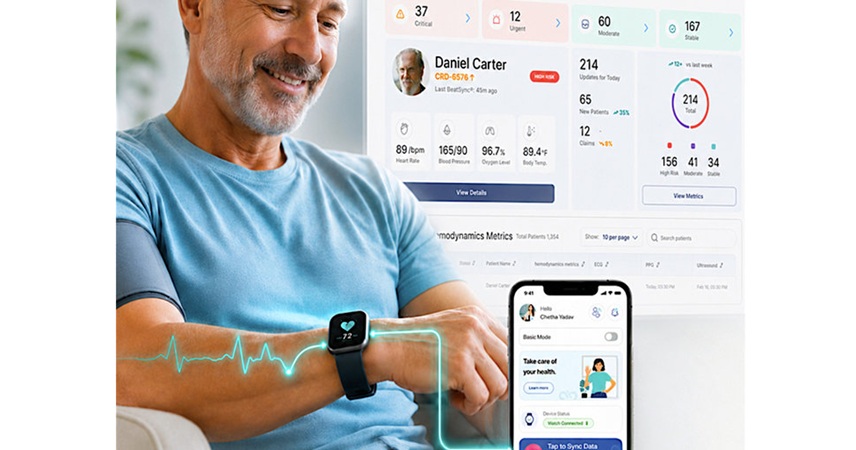
AI Platform Supports Noninvasive Remote Hemodynamic Monitoring in Heart Failure
Heart failure remains a leading cause of hospitalization in adults over 65, affecting more than 6.7 million people in the U.S. Clinicians often lose visibility into hemodynamic deterioration once patients... Read more
AI Tool Predicts Unplanned Care and Symptom Burden in Cancer Survivors
Unplanned emergency visits and hospitalizations remain common in cancer survivorship, when routine clinical contact often tapers while new symptoms emerge. These events reflect unmet needs and disrupt... Read more

Critical Care
view channel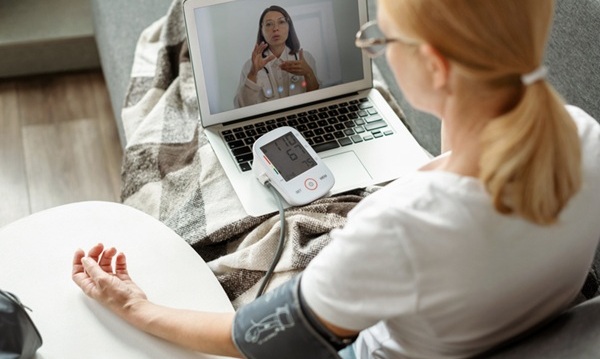
Home Blood Pressure Telemonitoring Linked to Fewer Cardiovascular Events
Hypertension is a leading cause of myocardial infarction and stroke, yet it often progresses without symptoms. Uncontrolled blood pressure contributes to avoidable hospitalizations, deaths, and health system burden.... Read more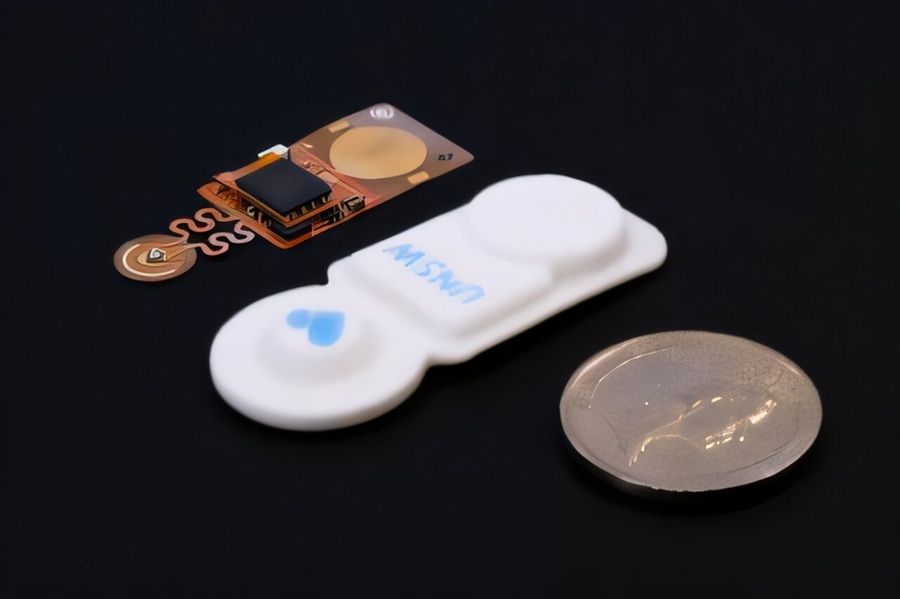
Tiny Wearable Patch Tracks Heart and Respiratory Changes at Home
Auscultation and cardiorespiratory monitoring are typically limited to brief, clinic-based assessments. These intermittent checks can miss evolving abnormalities and place added burden on patients who... Read more
Surgical Techniques
view channel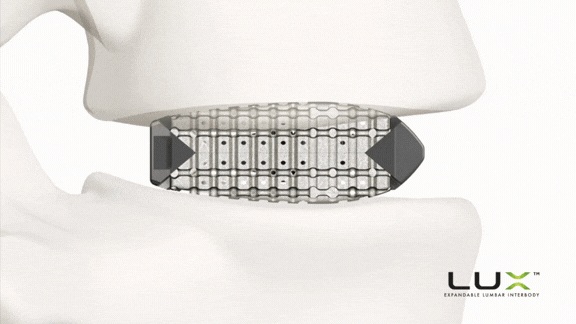
Expandable Lumbar Fusion System Gains FDA 510(k) Clearance
Xenix Medical (Orlando, FL, USA) has received U.S. Food and Drug Administration 510(k) clearance and initiated full commercial launch of the Lux Expandable Lumbar Interbody Fusion System.... Read more
New CAR T-Cell Therapy Enables Transplants in Hard-to-Match Kidney Patients
Highly sensitized kidney transplant candidates have extremely high levels of anti-donor antibodies that block matching and prolong dialysis. These patients face long wait times and increased morbidity... Read more

Health IT
view channel
AI-Native EHR Achieves EU Medical Device Certification
InterSystems (Boston, MA, USA) announced that its IntelliCare electronic health record (EHR) solutions have been certified as Class IIa medical devices under the European Union Medical Device Regulation... Read more
EHR-Integrated Screening Workflow Detects Cognitive Impairment at Admission
Cognitive impairment involves difficulties with thinking, learning, memory, and decision-making, and is more common in older adults. In U.S. hospitals, more than 40% of admitted older adults have dementia,... Read more
Point of Care
view channel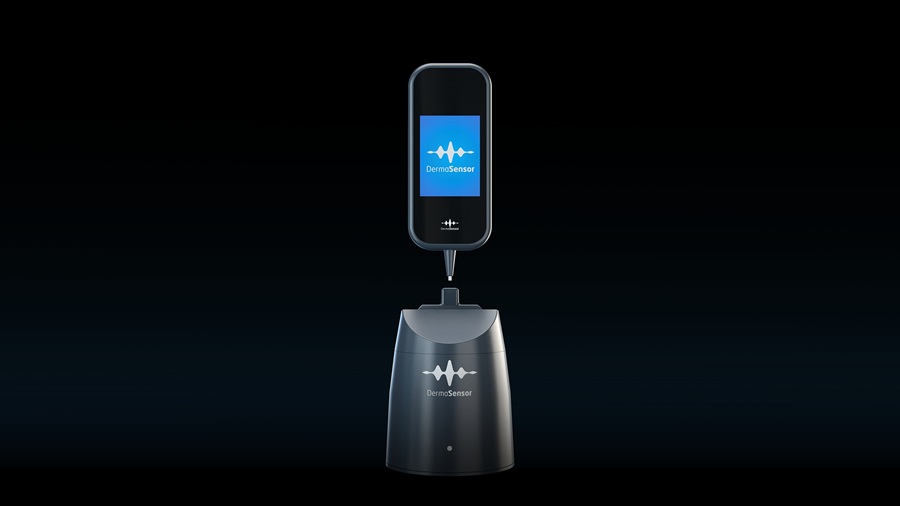
Handheld AI Device for Point-of-Care Skin Lesion Assessment Receives CE Mark
DermaSensor (Miami, FL, USA) has received a Class IIb CE Mark for its handheld DermaSensor device, marking the start of the company’s global expansion strategy. The certification demonstrates conformity... Read more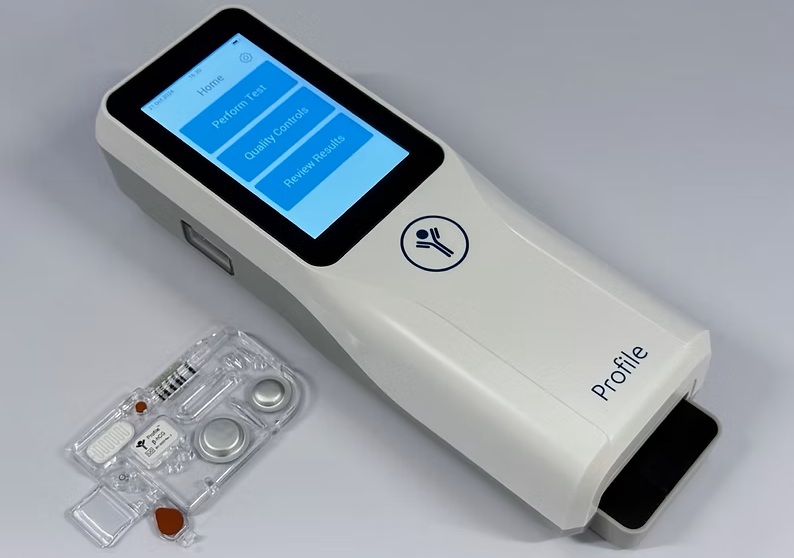
Portable Immunoassay System Advances Toward Point-of-Care Biomarker Testing
Proxim Diagnostics Corp. (Santa Clara, CA, USA) has announced that its Profile System, a handheld point-of-care immunoassay platform, has completed development. The milestone includes completion... Read more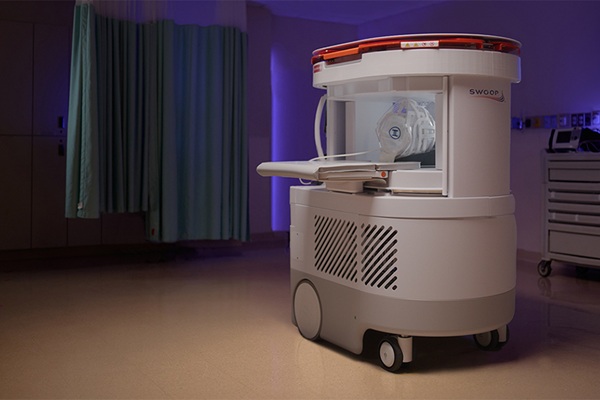
Portable MRI System Accelerates Emergency Brain Imaging and Triage
Emergency departments frequently face delays accessing conventional magnetic resonance imaging (MRI) for patients with suspected neurological emergencies. Such waits can slow triage, prolong boarding,... Read more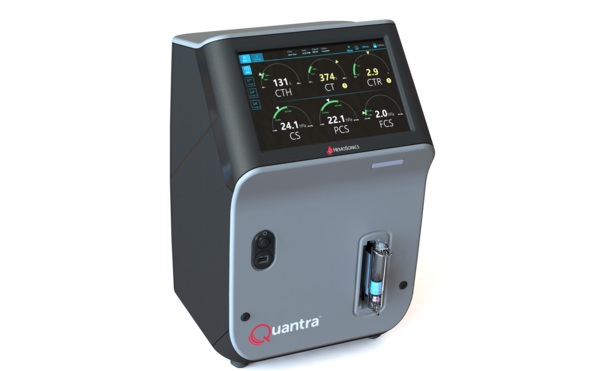
Point-of-Care Viscoelastic Testing System Supports Obstetric Bleeding Management
HemoSonics (Durham, NC, USA) announced on May 5, 2026 that the company's Quantra Hemostasis System for Obstetric Procedures won Silver in the 2026 Edison Awards in the Women’s Health and Reproductive Innovations... Read moreBusiness
view channel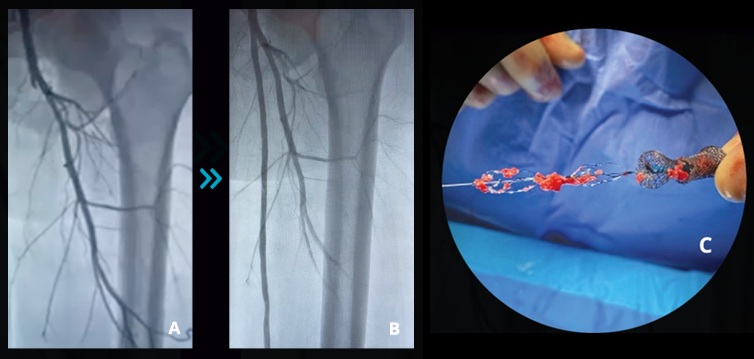
Endologix Adds FDA-Cleared Peripheral Thrombectomy System
Endologix (Santa Rosa, CA, USA) has acquired the Pounce Thrombectomy System from Surmodics, with the transaction closing on May 18, 2026. The FDA-cleared system is indicated for the non-surgical removal... Read more