Breast Density Affects Screening Recommendations for Women in Their 40s
|
By HospiMedica International staff writers Posted on 15 May 2012 |


|
A new study suggests that breast cancer screening starting at age 40 may have an acceptable balance of risks and benefits for women with extremely dense breasts or a family history of the disease.
Researchers at Erasmus Medical Center (Rotterdam, The Netherlands) conducted a comparative modeling study involving a contemporary cohort of women eligible for routine screening with extremely dense breasts or first-degree relatives with breast cancer. According to previous studies, 9% of US women have a first degree relative with breast cancer, and 13% have Breast Imaging Reporting and Data System (BI-RADS) category 4 breast density.
The researchers then used data retrieved from the Surveillance, Epidemiology, and End Results (SEER) program, the Breast Cancer Surveillance Consortium (Bethesda, MD, USA; www.breastscreening.cancer.gov), and other sources to generate a model for assessing risks and benefits of screening at age 40 versus age 50 with different screening methods (film or digital) and screening intervals (annual or biennial). The main outcome measures were life-years gained, breast cancer deaths averted, false-positive mammography findings, and harm to benefit ratios.
Current guidelines, according to the researchers, agree that women aged 50 to 74 should get mammographic screening, with biennial screening of women ages 50 to 74 yielding (per 1,000 women) 6.3 breast cancer deaths averted, 109 life-years gained, and 883 false-positive findings--a ratio of 8.3 for false-positives to life-years gained. The recommendations for women in their 40s have been highly controversial, however, based on a finding of higher false positive rate in younger women.
The researchers concluded that for women in their 40s to reach the same 8.3 ratio, the threshold relative risk (RR) for screening would have to be 1.6-fold higher than average for biennial screening with film mammography; 1.9 times above average for biennial screening with digital mammography; 3.3 times above average for annual screening with film mammography; and 4.3-fold higher than average for annual screening with digital mammography. The study was published in the May 1, 2012, issue of the Annals of Internal Medicine.
“A potential difficulty with including breast density in screening recommendations is that breast density is not uniformly reported and requires baseline mammography examinations to determine breast density, introducing additional potential screening harms,” said lead author Nicolien van Ravesteyn, MSc, adding that the harm-benefit ratio for film mammography is more favorable than for digital mammography because film has a lower false-positive rate.
Related Links:
Erasmus Medical Center
Breast Cancer Surveillance Consortium





Researchers at Erasmus Medical Center (Rotterdam, The Netherlands) conducted a comparative modeling study involving a contemporary cohort of women eligible for routine screening with extremely dense breasts or first-degree relatives with breast cancer. According to previous studies, 9% of US women have a first degree relative with breast cancer, and 13% have Breast Imaging Reporting and Data System (BI-RADS) category 4 breast density.
The researchers then used data retrieved from the Surveillance, Epidemiology, and End Results (SEER) program, the Breast Cancer Surveillance Consortium (Bethesda, MD, USA; www.breastscreening.cancer.gov), and other sources to generate a model for assessing risks and benefits of screening at age 40 versus age 50 with different screening methods (film or digital) and screening intervals (annual or biennial). The main outcome measures were life-years gained, breast cancer deaths averted, false-positive mammography findings, and harm to benefit ratios.
Current guidelines, according to the researchers, agree that women aged 50 to 74 should get mammographic screening, with biennial screening of women ages 50 to 74 yielding (per 1,000 women) 6.3 breast cancer deaths averted, 109 life-years gained, and 883 false-positive findings--a ratio of 8.3 for false-positives to life-years gained. The recommendations for women in their 40s have been highly controversial, however, based on a finding of higher false positive rate in younger women.
The researchers concluded that for women in their 40s to reach the same 8.3 ratio, the threshold relative risk (RR) for screening would have to be 1.6-fold higher than average for biennial screening with film mammography; 1.9 times above average for biennial screening with digital mammography; 3.3 times above average for annual screening with film mammography; and 4.3-fold higher than average for annual screening with digital mammography. The study was published in the May 1, 2012, issue of the Annals of Internal Medicine.
“A potential difficulty with including breast density in screening recommendations is that breast density is not uniformly reported and requires baseline mammography examinations to determine breast density, introducing additional potential screening harms,” said lead author Nicolien van Ravesteyn, MSc, adding that the harm-benefit ratio for film mammography is more favorable than for digital mammography because film has a lower false-positive rate.
Related Links:
Erasmus Medical Center
Breast Cancer Surveillance Consortium

Gold Member
STI Test
Vivalytic Sexually Transmitted Infection (STI) Array
Gold Member
Neonatal Heel Incision Device
Tenderfoot
Medical Adhesive
MED 5570U
Surgical Dressing
ALLEVYN Ag+ SURGICAL
Latest Patient Care News
- AI Avatar Doctor Improves Patient Understanding Before Radiotherapy
- Wearable Sleep Data Predict Adherence to Pulmonary Rehabilitation
- Revolutionary Automatic IV-Line Flushing Device to Enhance Infusion Care
- VR Training Tool Combats Contamination of Portable Medical Equipment
- Portable Biosensor Platform to Reduce Hospital-Acquired Infections
- First-Of-Its-Kind Portable Germicidal Light Technology Disinfects High-Touch Clinical Surfaces in Seconds
- Surgical Capacity Optimization Solution Helps Hospitals Boost OR Utilization

- Game-Changing Innovation in Surgical Instrument Sterilization Significantly Improves OR Throughput
- Next Gen ICU Bed to Help Address Complex Critical Care Needs
- Groundbreaking AI-Powered UV-C Disinfection Technology Redefines Infection Control Landscape
- Clean Hospitals Can Reduce Antibiotic Resistance, Save Lives
- Smart Hospital Beds Improve Accuracy of Medical Diagnosis
- New Fast Endoscope Drying System Improves Productivity and Traceability
- World’s First Automated Endoscope Cleaner Fights Antimicrobial Resistance
- Portable High-Capacity Digital Stretcher Scales Provide Precision Weighing for Patients in ER
- Portable Clinical Scale with Remote Indicator Allows for Flexible Patient Weighing Use
Channels
Artificial Intelligence
view channel
AI Platform Supports Noninvasive Remote Hemodynamic Monitoring in Heart Failure
Heart failure remains a leading cause of hospitalization in adults over 65, affecting more than 6.7 million people in the U.S. Clinicians often lose visibility into hemodynamic deterioration once patients... Read more
AI Tool Predicts Unplanned Care and Symptom Burden in Cancer Survivors
Unplanned emergency visits and hospitalizations remain common in cancer survivorship, when routine clinical contact often tapers while new symptoms emerge. These events reflect unmet needs and disrupt... Read more

Critical Care
view channel
Home Blood Pressure Telemonitoring Linked to Fewer Cardiovascular Events
Hypertension is a leading cause of myocardial infarction and stroke, yet it often progresses without symptoms. Uncontrolled blood pressure contributes to avoidable hospitalizations, deaths, and health system burden.... Read more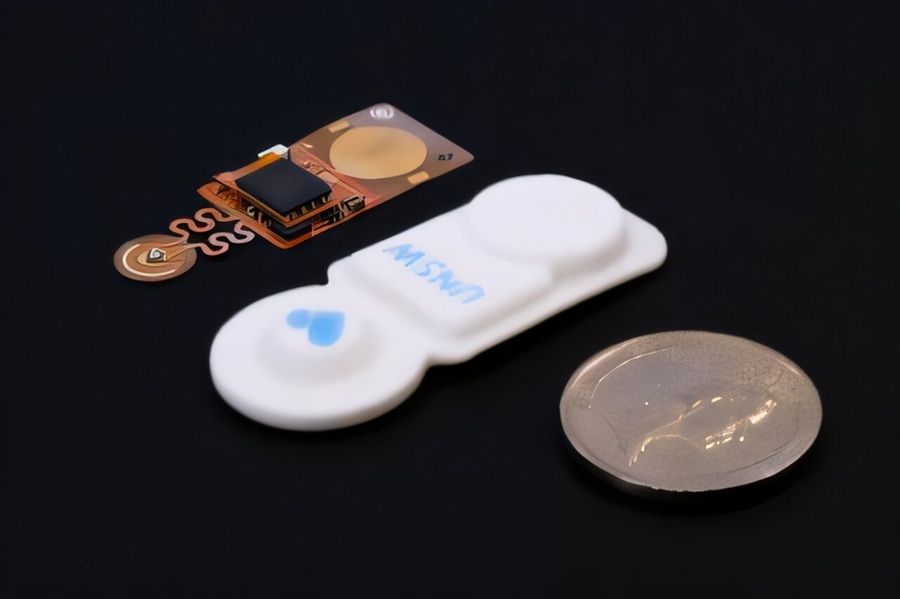
Tiny Wearable Patch Tracks Heart and Respiratory Changes at Home
Auscultation and cardiorespiratory monitoring are typically limited to brief, clinic-based assessments. These intermittent checks can miss evolving abnormalities and place added burden on patients who... Read more

Surgical Techniques
view channel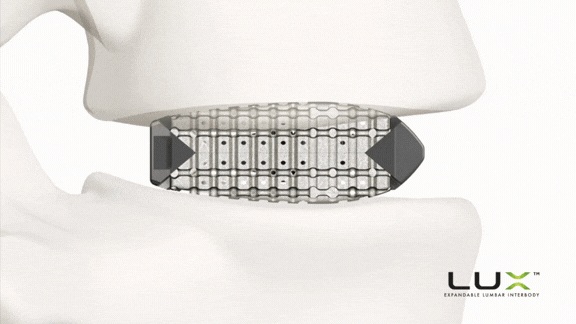
Expandable Lumbar Fusion System Gains FDA 510(k) Clearance
Xenix Medical (Orlando, FL, USA) has received U.S. Food and Drug Administration 510(k) clearance and initiated full commercial launch of the Lux Expandable Lumbar Interbody Fusion System.... Read more
New CAR T-Cell Therapy Enables Transplants in Hard-to-Match Kidney Patients
Highly sensitized kidney transplant candidates have extremely high levels of anti-donor antibodies that block matching and prolong dialysis. These patients face long wait times and increased morbidity... Read more

Health IT
view channel
AI-Native EHR Achieves EU Medical Device Certification
InterSystems (Boston, MA, USA) announced that its IntelliCare electronic health record (EHR) solutions have been certified as Class IIa medical devices under the European Union Medical Device Regulation... Read more
EHR-Integrated Screening Workflow Detects Cognitive Impairment at Admission
Cognitive impairment involves difficulties with thinking, learning, memory, and decision-making, and is more common in older adults. In U.S. hospitals, more than 40% of admitted older adults have dementia,... Read more

Point of Care
view channel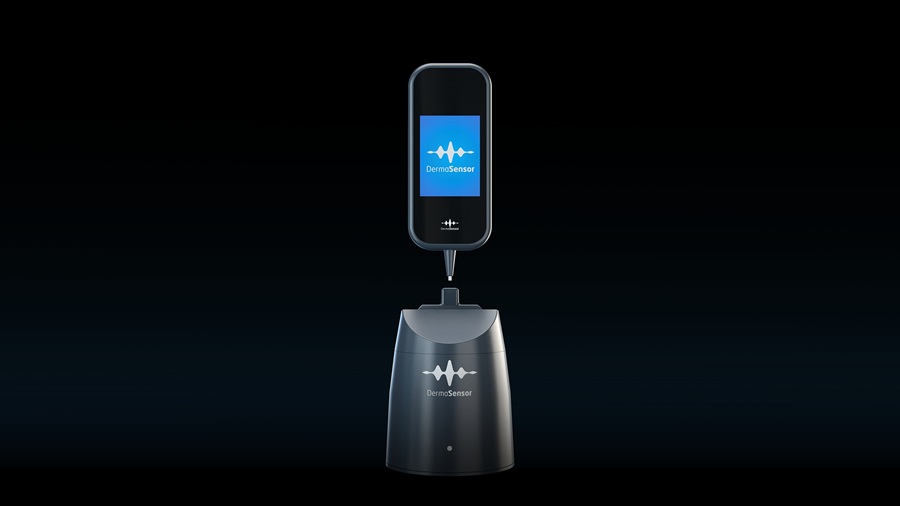
Handheld AI Device for Point-of-Care Skin Lesion Assessment Receives CE Mark
DermaSensor (Miami, FL, USA) has received a Class IIb CE Mark for its handheld DermaSensor device, marking the start of the company’s global expansion strategy. The certification demonstrates conformity... Read more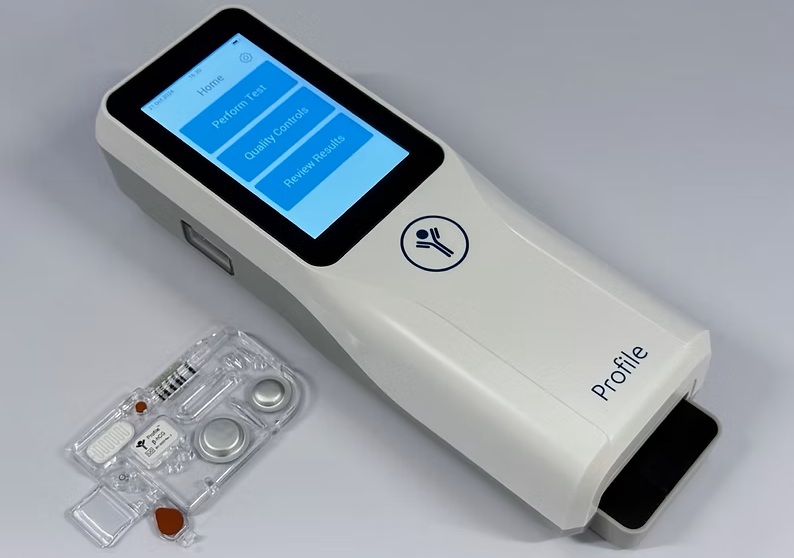
Portable Immunoassay System Advances Toward Point-of-Care Biomarker Testing
Proxim Diagnostics Corp. (Santa Clara, CA, USA) has announced that its Profile System, a handheld point-of-care immunoassay platform, has completed development. The milestone includes completion... Read more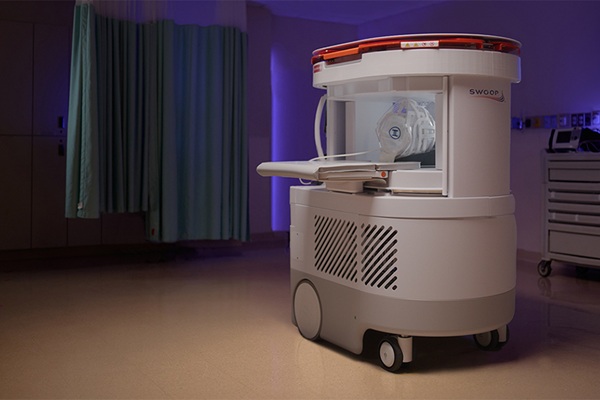
Portable MRI System Accelerates Emergency Brain Imaging and Triage
Emergency departments frequently face delays accessing conventional magnetic resonance imaging (MRI) for patients with suspected neurological emergencies. Such waits can slow triage, prolong boarding,... Read more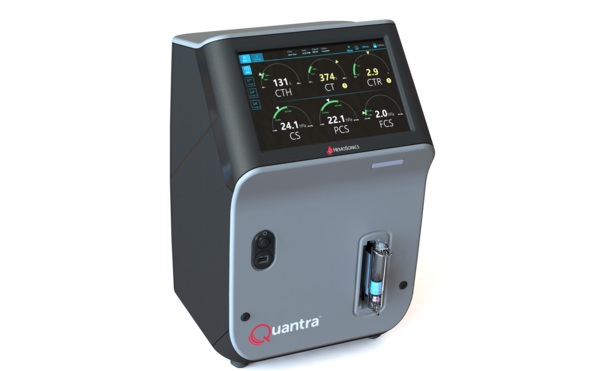
Point-of-Care Viscoelastic Testing System Supports Obstetric Bleeding Management
HemoSonics (Durham, NC, USA) announced on May 5, 2026 that the company's Quantra Hemostasis System for Obstetric Procedures won Silver in the 2026 Edison Awards in the Women’s Health and Reproductive Innovations... Read moreBusiness
view channel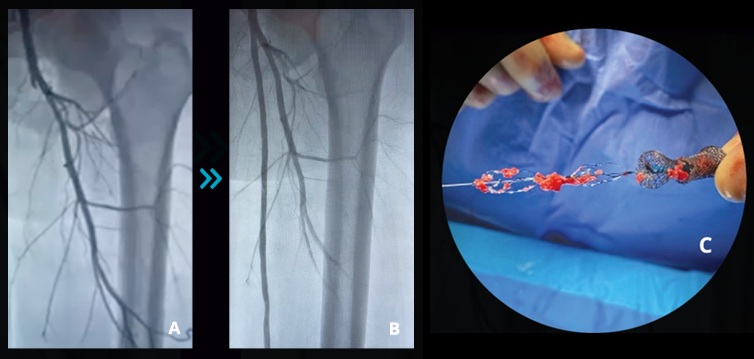
Endologix Adds FDA-Cleared Peripheral Thrombectomy System
Endologix (Santa Rosa, CA, USA) has acquired the Pounce Thrombectomy System from Surmodics, with the transaction closing on May 18, 2026. The FDA-cleared system is indicated for the non-surgical removal... Read more